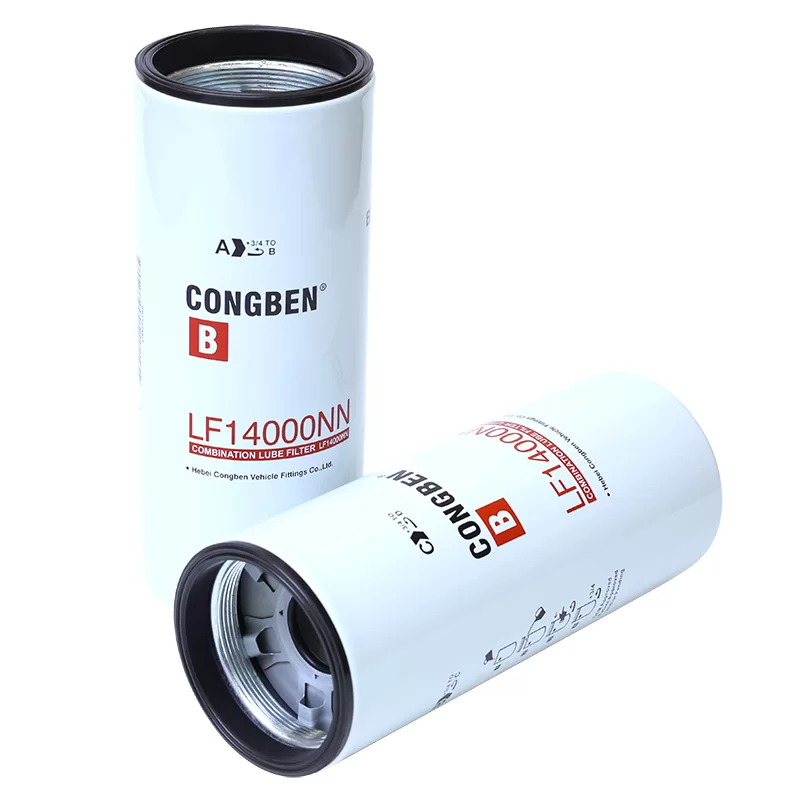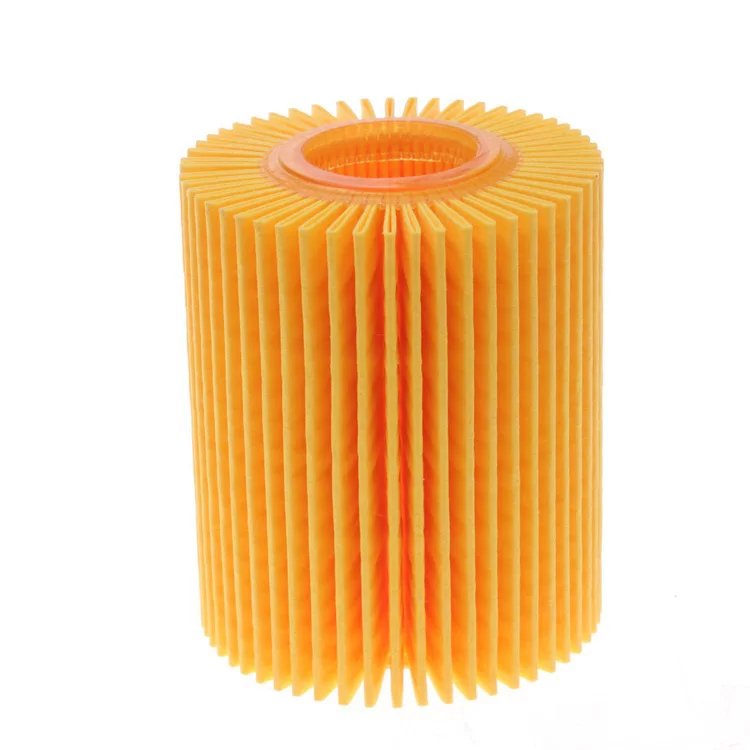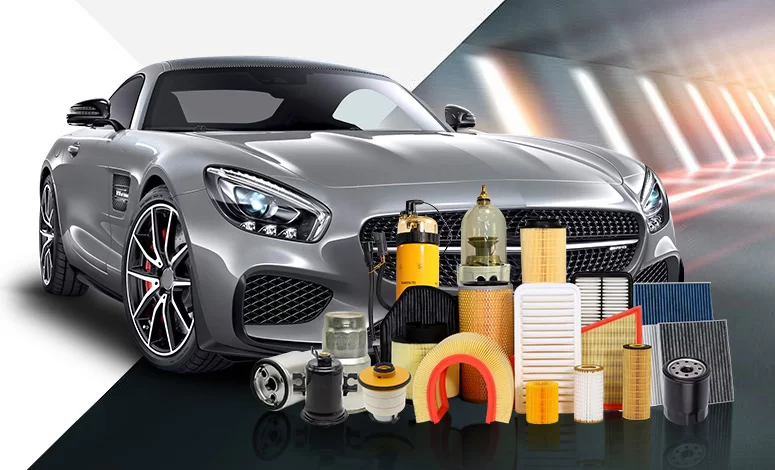

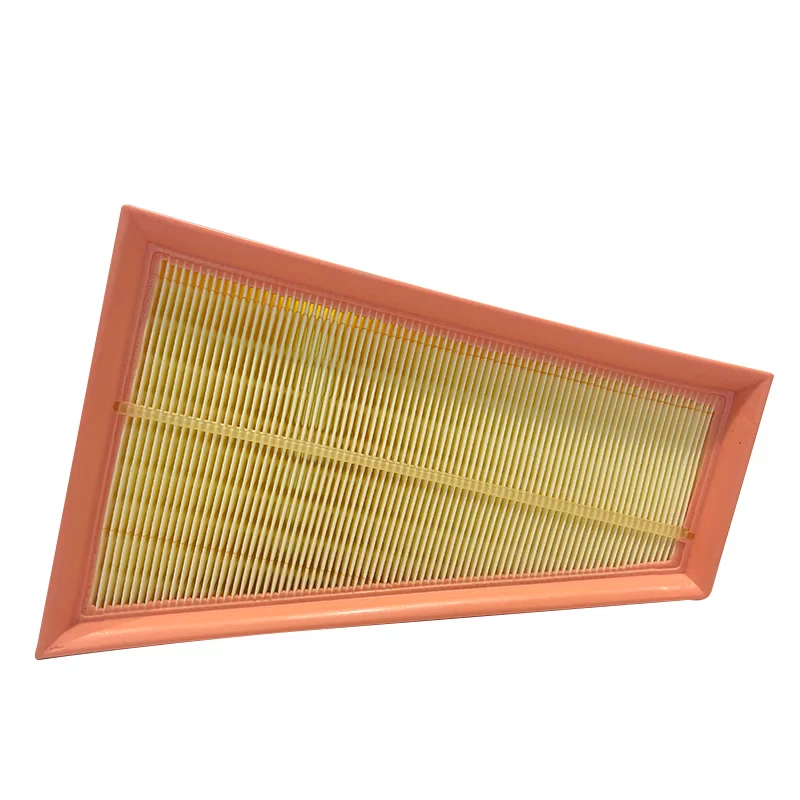
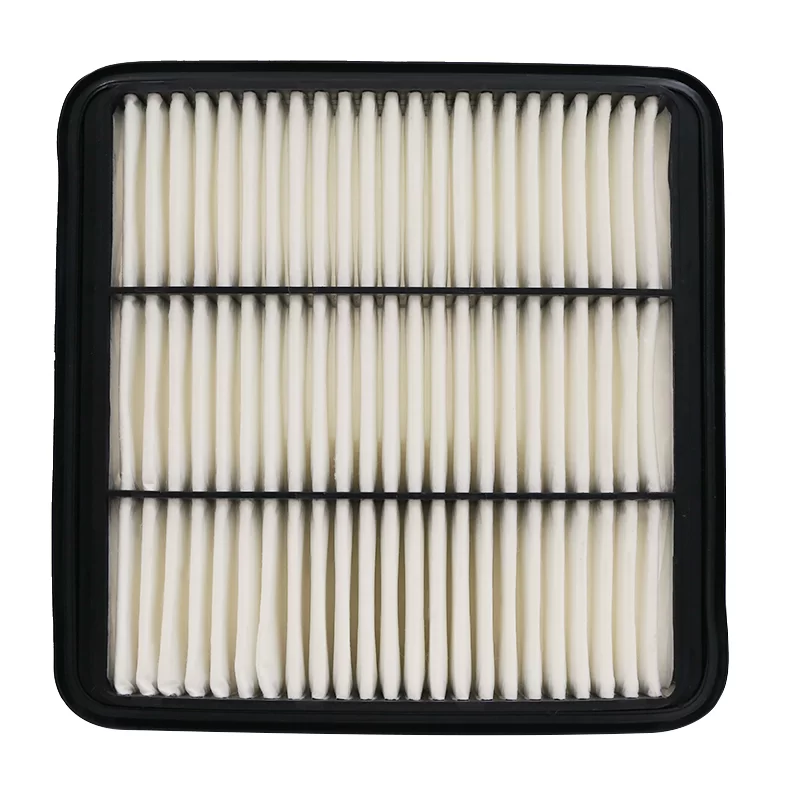
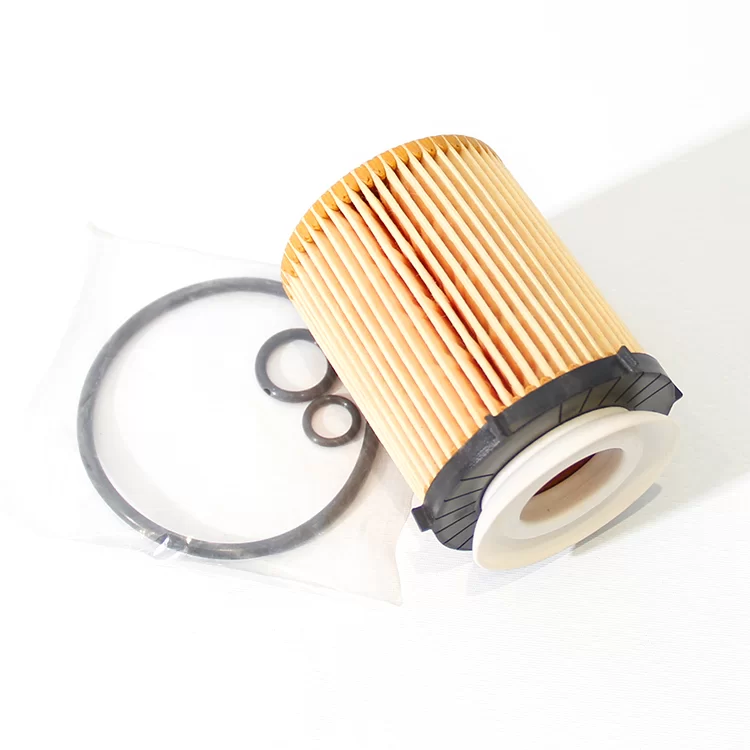
oil filters

High-Performance car engine oil filter Solutions for Libya

Engineering superior lubrication protection for automotive fleets operating in the harsh desert climates of the Libyan landscape.

Current State of Lubrication Filtration in Libya

Analyzing the challenges of automotive maintenance in North African environments.

Libya's automotive sector faces unique challenges due to its geography. The prevalence of fine silica dust and extreme temperature fluctuations makes the use of a high-quality automotive oil filter critical. Standard filters often clog prematurely under these conditions, leading to increased engine wear.

Currently, the market is dominated by a mix of legacy European imports and emerging budget options. However, there is a growing demand for an oil filter automotive grade that can withstand the thermal stress of Libyan summers without bypassing oil flow.

Logistical constraints in remote regions like the Sahara periphery have led to extended oil change intervals. This necessitates a more robust engine oil filter element that maintains structural integrity and filtration efficiency over longer periods.
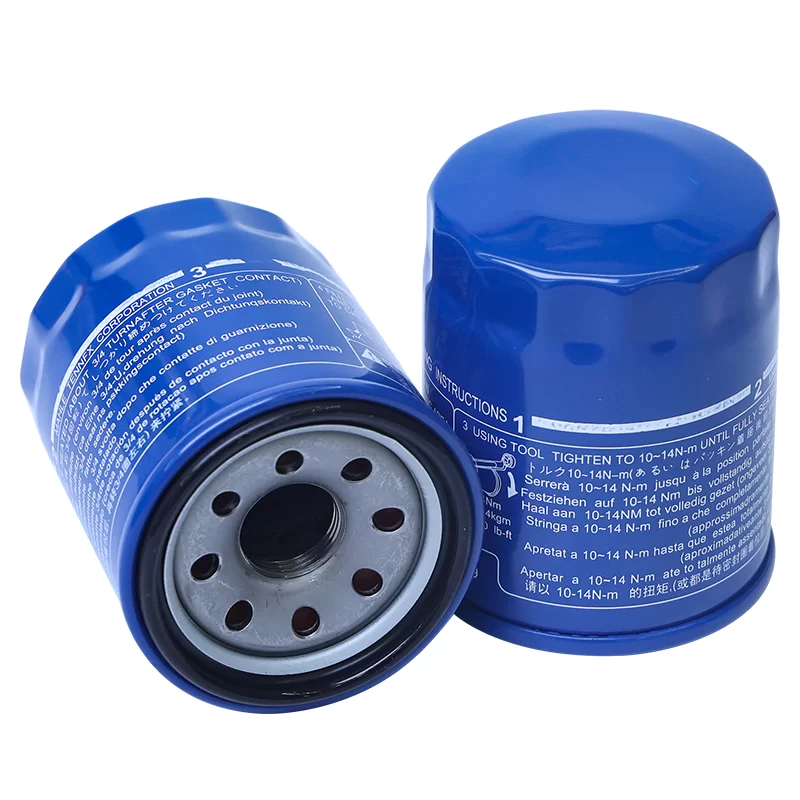
Evolution of Filtration Technology in Libya

From basic sediment traps to precision-engineered synthetic media.

Market Development History

In the 1990s and early 2000s, the Libyan market relied primarily on basic cellulose-based filters. These provided minimal protection against the microscopic sand particles common in the region, leading to frequent engine overhauls for heavy-duty vehicles.

Between 2010 and 2020, the transition toward synthetic blend media began. The introduction of the high-efficiency engin oil filter allowed for better contaminant capture and higher flow rates, adapting to the modernized vehicle fleets entering the country.

Currently, we are seeing the adoption of multi-layer composite materials. This technical iteration focuses on "depth filtration," ensuring that contaminants are trapped throughout the medium rather than just on the surface.

Future Development Trends

Nano-Fiber Integration

The next 3 years will see a shift toward nano-fiber technology, significantly increasing the surface area for trapping sub-micron particles common in desert air.

Extended Service Life (ESL)

Driven by the need for lower maintenance costs in remote areas, filters are evolving to support 20,000km+ intervals without compromising engine safety.

Eco-Friendly Biodegradable Media

Following global trends, there is a growing push toward sustainable, recyclable filter elements to reduce the environmental impact of automotive waste in Africa.

Industry Trends and Future Outlook

Strategic forecasting for the Libyan automotive parts sector.

Extreme Thermal Stability
Developing seals and housings that remain leak-proof at 50°C+ ambient temperatures.
Anti-Dust Filtration
Specialized pleat designs to maximize the capacity for fine Sahara sand capture.
Hybrid Engine Support
Adjusting flow rates for new hybrid vehicles entering the Libyan urban markets.
Smart Monitoring
Integrating pressure sensors for real-time filter saturation alerts in logistics fleets.

Industry Outlook

Google search trends indicate a rising interest in "long-life engine parts" and "dust-resistant filters" within the North African region. This suggests a market shift from low-cost disposable parts to value-driven, durable components.

Over the next 5 years, the Libyan market will likely consolidate around brands that can prove E-E-A-T (Experience, Expertise, Authoritativeness, and Trustworthiness) through rigorous field testing in arid environments.

Localized Application Scenarios in Libya

Real-world deployments of our filtration solutions across different Libyan sectors.

01. Sahara Logistics & Trans-Desert Haulage

Heavy-duty trucks transporting goods across the desert require high-capacity filter elements to prevent oil starvation caused by extreme particulate buildup.

02. Tripoli Urban Commuter Fleets

For passenger cars in congested urban areas, our filters reduce carbon-soot accumulation and manage the heat from frequent stop-and-go traffic.

03. Oil & Gas Field Support Vehicles

Vehicles operating in the Sirte Basin face chemical contaminants and heat; specialized synthetic media ensure constant purity of engine oil.

04. Agricultural Machinery in the Green Belt

Tractors and harvesters in Libyan farming zones benefit from reinforced housings that resist impact and vibration.

05. Emergency Response and Government Fleets

High-reliability filters ensure that critical infrastructure vehicles remain operational without unexpected engine failure during emergencies.

Brand Story

Global Development Journey of Hebei Congben Automotive Parts Co., Ltd.

Foundational Excellence

Started with a mission to solve the core pain point of premature engine wear in industrial environments through precision engineering.

Technological Breakthrough

Developed proprietary synthetic blend media that outperformed standard cellulose filters in extreme heat tests.

Global Market Expansion

Expanded operations to Africa and the Middle East, tailoring product specs to meet the demands of arid climates.

Quality Certification

Achieved international quality standards, ensuring every part meets strict OEM specifications for fit and function.

Sustainable Future

Leading the transition toward eco-friendly filtration materials to protect both engines and the planet.

Libya Automotive Filtration FAQ

Expert answers to common questions regarding oil filter maintenance in Libya.

How often should I replace a car engine oil filter in the Libyan desert?

Due to high dust levels, we recommend replacing your filter every 5,000 to 7,500 km, or more frequently if operating in heavy sand conditions.

Can a low-quality automotive oil filter cause engine failure in high heat?

Yes, inferior filters may suffer from seal failure or media collapse under thermal stress, leading to oil bypass and catastrophic engine wear.

What is the advantage of a synthetic engine oil filter element over paper?

Synthetic elements offer superior structural strength and can trap smaller particles without restricting oil flow, which is vital for Libyan climates.

Do I need a specific oil filter automotive grade for diesel trucks in Libya?

Yes, diesel engines produce more soot; therefore, a high-capacity filter with a larger surface area is required to maintain oil purity.

How can I identify a genuine high-quality engin oil filter?

Check for precise machining of the threading, a high-quality anti-drainback valve, and certification markings from recognized international standards.

Will a high-efficiency filter improve my fuel economy in Tripoli traffic?

By reducing internal engine friction through cleaner lubrication, a premium filter helps maintain optimal engine efficiency and fuel consumption.

Get Expert Filtration Advice

Contact our technical team today for tailored automotive solutions for your business in Libya.

Contact Us Now

If you are interested in our products, you can choose to leave your information here, and we will be in touch with you shortly.