

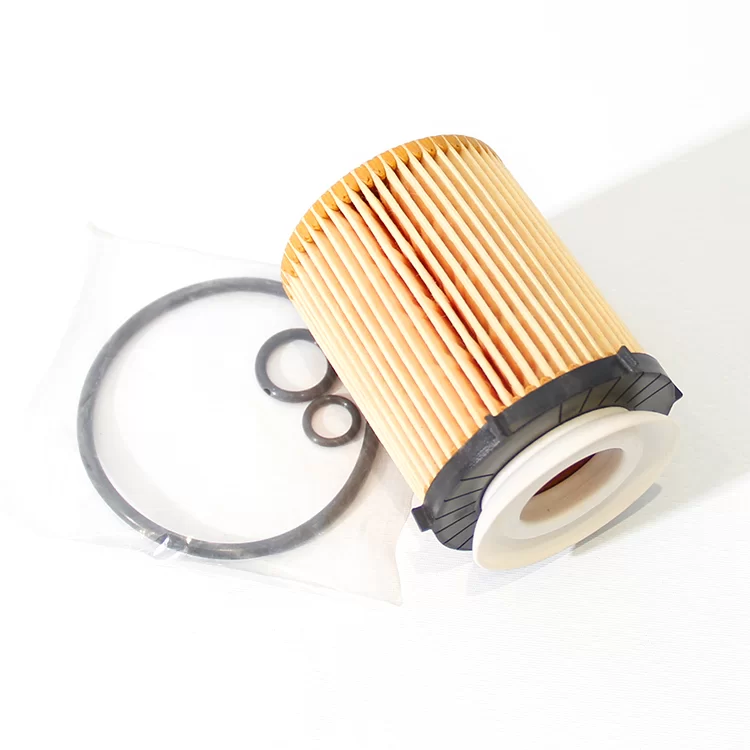
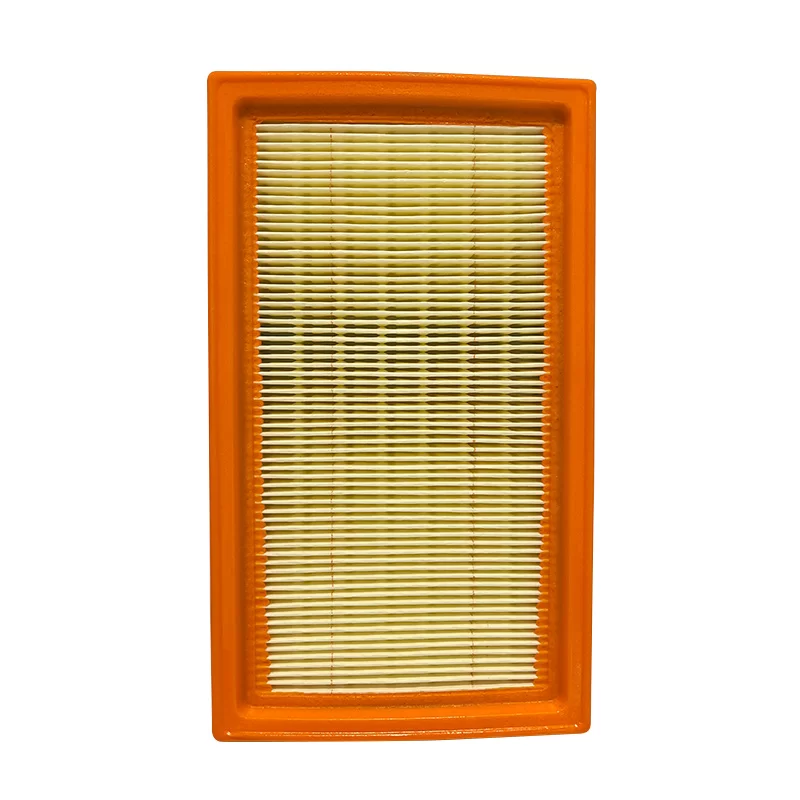
oil filters

Premium Engine Oil Filter Solutions for Mongolia

Engineered for extreme climates, providing superior protection and longevity for Mongolian automotive fleets using advanced car engine oil filter technology.

Automotive Filtration Challenges in Mongolia

Analyzing the impact of extreme temperature swings and dust on oil filtration.

Mongolia presents one of the most challenging environments for internal combustion engines globally. With winter temperatures dropping below -40°C and summer heat soaring, the viscosity of engine oil fluctuates wildly, putting immense pressure on every oil filter automotive component to maintain consistent flow and filtration efficiency.

The prevalence of unpaved roads and high wind speeds across the Gobi and steppe regions leads to significant airborne particulate matter. This environmental stress accelerates the clogging of the engine oil filter element, requiring products with higher dirt-holding capacities and robust structural integrity to prevent bypass valve premature activation.

Economically, the Mongolian market is shifting from older Soviet-era machinery to modern European and Asian vehicles. This transition demands a sophisticated supply chain of precision-engineered engin oil filter options that meet modern OEM specifications while remaining resilient to local operating conditions.
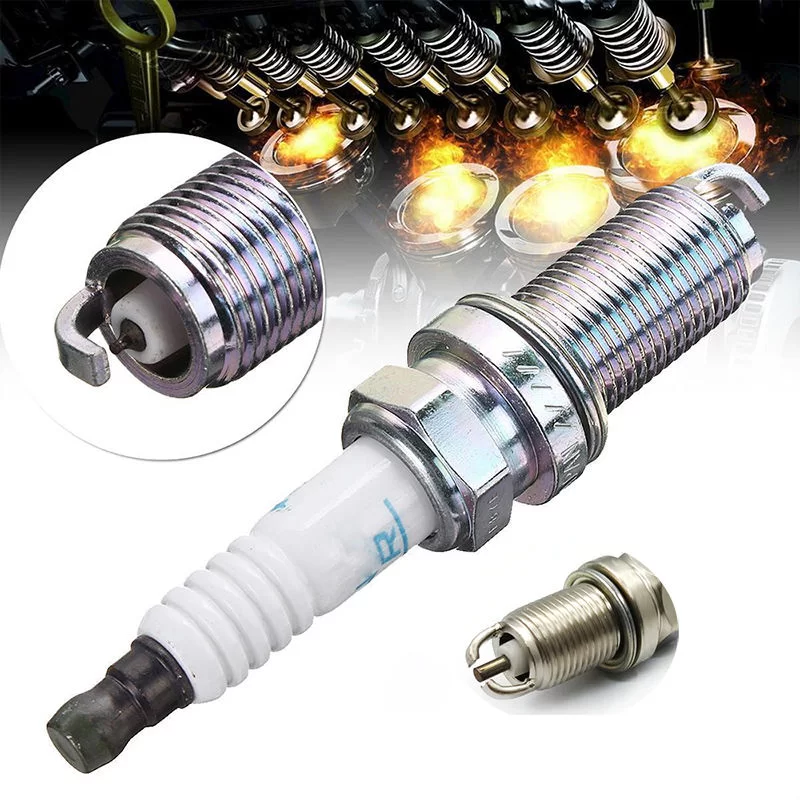
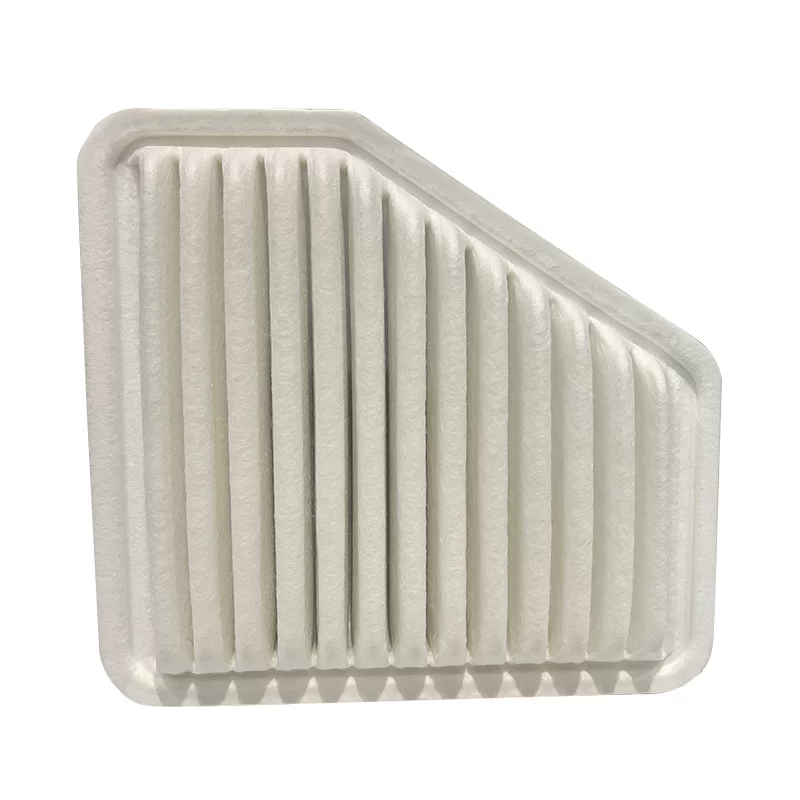
Evolution of Filtration Technology in Mongolia

From basic sediment traps to high-precision synthetic media filtration.

Market Development History

In the 1990s and early 2000s, the Mongolian market relied heavily on low-specification metal mesh filters that provided basic debris removal but lacked the micron-level precision required for modern high-pressure fuel systems.

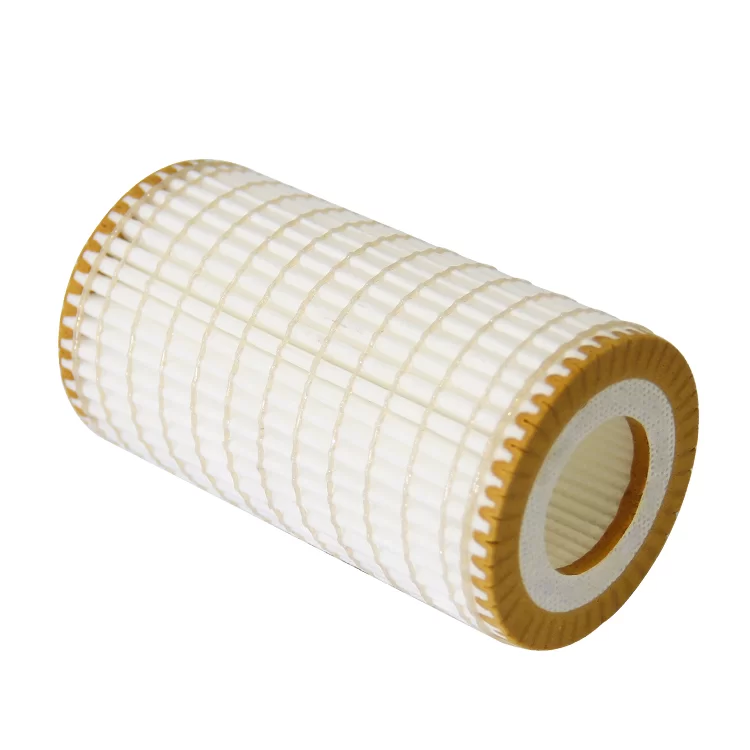
Between 2010 and 2020, there was a significant shift toward cellulose-based pleated filters. This era saw the introduction of standard car engine oil filter designs that improved oil purity and extended engine life for the growing fleet of Japanese and Korean imports.

Since 2021, the trend has moved toward synthetic blended media. Modern filters now incorporate nanofibers to capture smaller particles, ensuring that engines operating in Mongolia's harsh dust environments remain protected against abrasive wear.

Future Development Trends

Synthetic Media Dominance

The shift from organic cellulose to 100% synthetic fibers to provide better thermal stability during Mongolian extreme temperature cycles.

Extended Service Intervals

Development of larger-capacity elements to reduce the frequency of maintenance in remote mining regions where service centers are scarce.

Smart Monitoring Integration

Increasing demand for filters compatible with onboard diagnostic systems that can signal the exact replacement time based on actual oil degradation.

Future Outlook: Advanced Automotive Filtration

Driving efficiency and sustainability in the Mongolian transport sector.

Ultra-Low Temp Resilience
Engineering seals and casings that resist cracking and leaking in -40°C Mongolian winters.
Micron-Level Purification
Implementing high-density engine oil filter element technology to combat Gobi desert dust.
Eco-Friendly Materials
Transitioning to biodegradable filter media to protect the pristine Mongolian wilderness.
OEM Standard Precision
Ensuring 100% compatibility with the latest vehicle imports entering Ulaanbaatar.

Industry Outlook

Based on Google search trends in the Asia-Pacific region, there is a rising demand for "long-life" and "extreme-duty" filters. In Mongolia, this translates to a push for high-capacity oil filter automotive products that can withstand the rigors of heavy mining transport.

The next 3-5 years will see a convergence of material science and localized application, where filter media are specifically treated to handle the unique chemical composition of oils used in cold-start conditions typical of the region.

Localized Application Scenarios in Mongolia

Real-world deployment of filtration solutions across Mongolian terrains.

1. Heavy-Duty Mining Trucks in Oyu Tolgoi

Deployment of high-capacity filters to ensure continuous lubrication for massive engine blocks operating 24/7 in high-dust mining environments.

2. Urban Commuting in Ulaanbaatar

Application of high-efficiency car engine oil filter units to manage stop-and-go traffic pollution and extreme winter idling.

3. Long-Distance Steppe Logistics

Utilizing extended-service engin oil filter designs for trucks traveling between provincial centers where maintenance access is limited.

4. Off-Road Exploration Vehicles

Installation of reinforced casings to prevent vibration-induced leakage during travel across rugged, unpaved Mongolian terrains.

5. Cold-Climate Agricultural Machinery

Specialized filtration for tractors and harvesters that must maintain oil flow immediately after extreme overnight freezes.

Brand Story

Global Development Process of Hebei Congben Automotive Parts Co., Ltd.

Founding Vision

Established with a mission to solve the critical pain point of premature engine wear in harsh environments through precision filtration.

Technical Breakthrough

Developed proprietary synthetic blending technology that increased filtration efficiency by 30% over traditional cellulose media.

Global Expansion

Extended our reach to Central Asia and Mongolia, adapting our product line to meet the unique demands of extreme continental climates.

Quality Certification

Achieved international ISO/TS certifications, ensuring every filter meets rigorous global automotive safety and performance standards.

Sustainable Future

Investing in green manufacturing to provide the world with high-performance filtration that minimizes environmental impact.

Common Questions on Mongolian Oil Filtration

Expert answers to the most frequent queries from Mongolian fleet managers and car owners.

How often should I replace my car engine oil filter in Ulaanbaatar?

Due to extreme temperature fluctuations and high dust levels, we recommend replacing your filter every 5,000 to 7,500 km, or once a year before the winter season begins.

Can a low-quality engine oil filter element cause engine failure in winter?

Yes. In extreme cold, poor-quality elements can collapse or restrict flow, preventing essential lubrication during critical cold starts, which can lead to catastrophic engine wear.

What is the best oil filter automotive choice for mining trucks?

For mining, we recommend high-capacity synthetic media filters that offer superior dirt-holding capacity and reinforced casings to withstand heavy vibrations.

Do I need a specific engin oil filter for diesel engines in Mongolia?

Yes, diesel engines produce more soot. You need a filter with specific micron ratings and media density to handle the higher carbon load typical of diesel combustion.

How do I identify a genuine automotive oil filter?

Check for holographic security labels, precise welding on the canister, and high-quality gaskets that don't deform under pressure.

Does the oil filter affect fuel efficiency in extreme cold?

Indirectly, yes. A clogged or inefficient filter increases engine friction and load, which can slightly decrease fuel economy, especially during the warm-up phase.

Ready to Protect Your Fleet?

Contact our specialists today for customized filtration solutions tailored for the unique environment of Mongolia.

Contact Us Now

If you are interested in our products, you can choose to leave your information here, and we will be in touch with you shortly.