
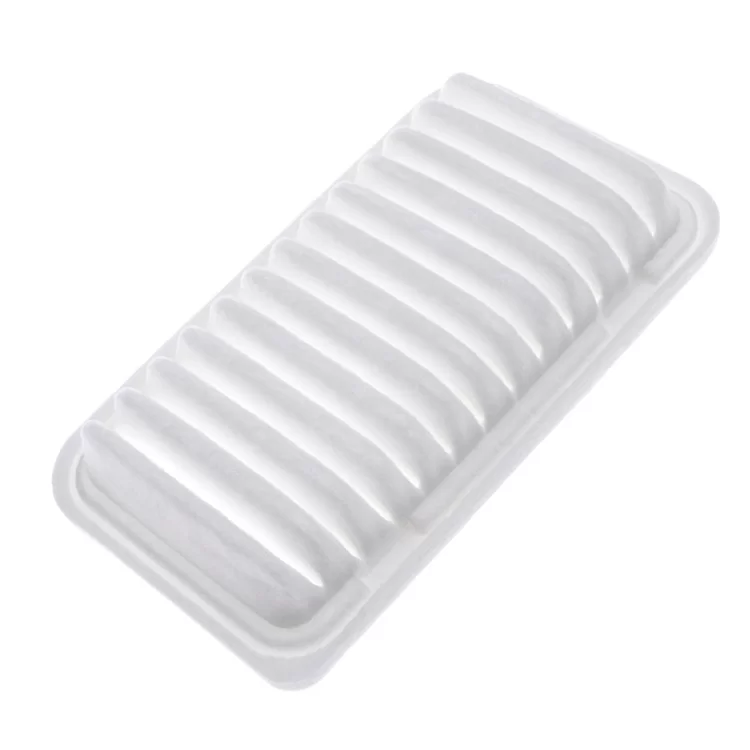
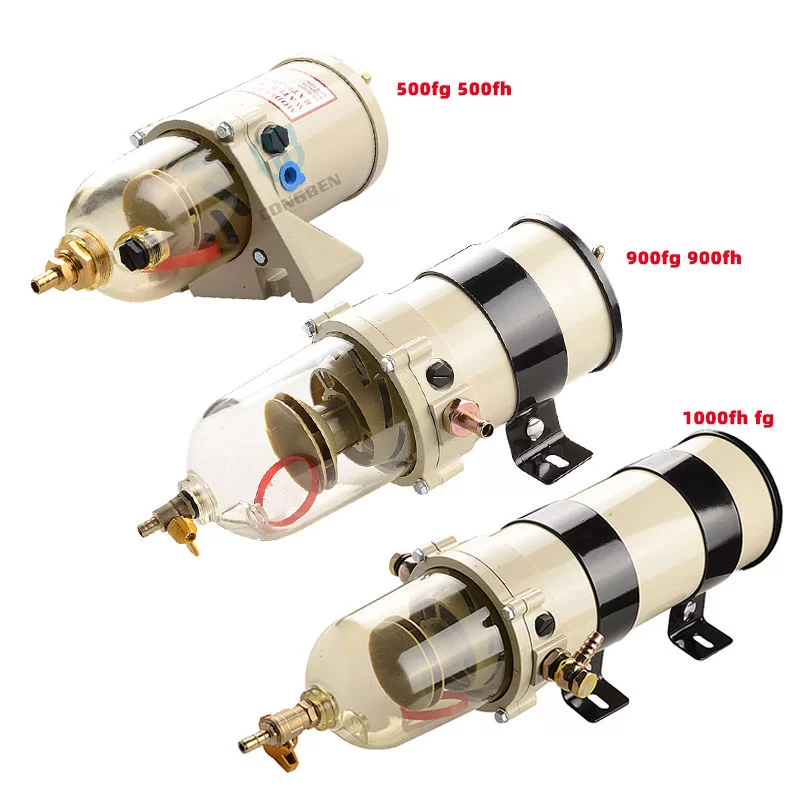
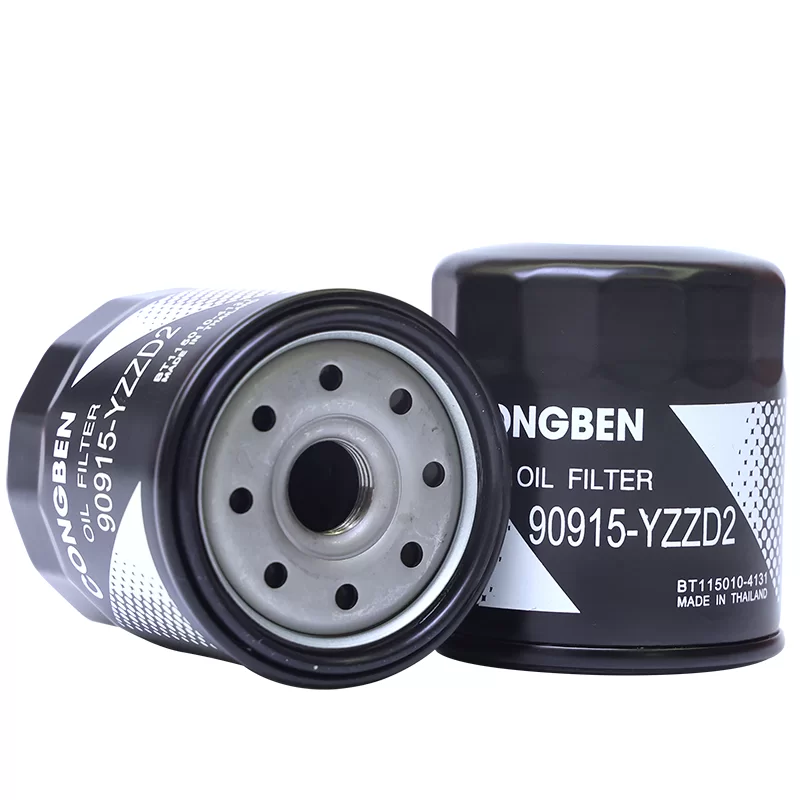
oil filters

High-Efficiency car engine oil filter Solutions for Laos Automotive Market

Engineered for durability in Southeast Asian climates, ensuring peak engine performance and longevity for Lao vehicles.

High-Efficiency car engine oil filter Solutions for Laos Automotive Market

Providing premium filtration technology specifically adapted for the diverse road conditions and tropical environment of Laos, reducing engine wear and optimizing fuel efficiency.

The Current State of oil filter automotive Demand in Laos

Analyzing the impact of geography and climate on engine filtration requirements in the Lao PDR.

In Laos, the automotive landscape is heavily influenced by a mix of rugged mountainous terrain and high humidity. The prevalence of dust during the dry season puts immense pressure on the automotive oil filter systems, as particulate matter frequently contaminates engine lubricants, leading to accelerated component wear.

Economic growth and the expansion of infrastructure in Vientiane and Luang Prabang have increased the vehicle population. However, the market still struggles with a high volume of low-quality aftermarket filters that fail under the extreme thermal stress common in Southeast Asian tropical climates, making high-grade filtration a critical necessity.

Current maintenance trends in Laos show a gradual shift toward preventive care. Local workshops are increasingly seeking specialized engin oil filter options that can handle heavier sludge loads and offer longer service intervals to accommodate the long distances between urban service centers.
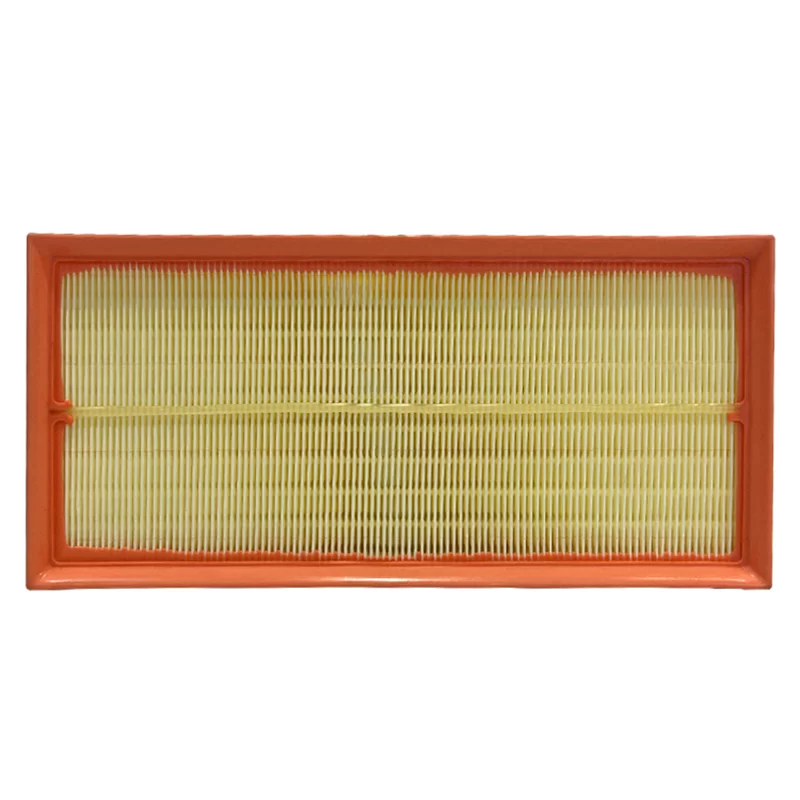

Evolution and Trajectory of Engine Filtration in Laos

From basic sediment traps to advanced synthetic media technology.

Market Development History

From 2000 to 2010, the Lao market relied primarily on basic cellulose-based filters. These traditional components provided minimal filtration efficiency and were prone to degradation in high-humidity environments, often requiring frequent replacements to prevent engine failure.

Between 2011 and 2020, the introduction of synthetic blend media marked a significant transition. The engine oil filter element evolved to include multi-layer composites, offering better dirt-holding capacity and stability against the thermal fluctuations experienced during heavy-duty climbs in northern Laos.

From 2021 to the present, the focus has shifted toward precision engineering and OEM compatibility. Modern filtration now emphasizes micron-level precision and high-flow bypass valves to ensure that lubrication is never interrupted, even when the filter is partially saturated.

Future Development Trends

Nano-Fiber Integration

The adoption of nano-fiber technology will allow for higher filtration efficiency without increasing pressure drop, essential for the modern high-compression engines entering the Lao market.

Eco-Friendly Biodegradable Media

Following regional sustainability goals, there is a rising trend toward biodegradable filter media to reduce the environmental impact of automotive waste in Laos' pristine natural landscapes.

Smart Monitoring Systems

Integration with vehicle onboard diagnostics will allow real-time monitoring of filter saturation, moving from fixed-interval changes to condition-based maintenance.

Industry Outlook and Future Strategic Directions

Predicting the shift in filtration technology based on regional search trends and automotive growth.

Ultra-Low Micron Filtration
Shift toward 1-5 micron filtration to protect advanced turbochargers from microscopic abrasive particles.
Thermal Stability Enhancement
Development of resins and adhesives that withstand 120°C+ temperatures to prevent element collapse.
Hybrid Media Adaptation
Combining cellulose with synthetic glass fibers for a balance of cost-efficiency and high performance.
Extended Service Life
Engineering filters with larger surface areas to support longer oil drain intervals in rural areas.

Industry Outlook

Based on Google search trends for "engine maintenance" and "automotive parts" in the Asia-Pacific region, there is a projected 15% annual increase in demand for premium filtration components in Laos. As vehicle owners move away from generic imports toward certified performance parts, the market will value E-E-A-T (Experience, Expertise, Authoritativeness, and Trustworthiness) in supplier selection.

The synergy between infrastructure development (rail and road) and automotive logistics will likely lead to a more structured supply chain, allowing for the rapid distribution of specialized automotive oil filter products to provincial hubs beyond the capital.

Localized Application Scenarios in Laos

Real-world deployment of high-performance filtration across diverse Lao environments.

01. Heavy-Duty Logistics in Vientiane-Boten Corridor

Transport trucks operating on the long-haul route to the Chinese border face constant dust exposure. Our high-capacity filters prevent particulate buildup, ensuring the engine oil remains clean over thousands of kilometers.

02. Off-Road Agricultural Machinery in Southern Plains

Tractors and harvesters in the Champasak region operate in muddy and dusty conditions. Specialized filter elements prevent sludge accumulation, protecting hydraulic and engine systems from premature failure.

03. Urban Commuting in Dense Traffic Conditions

Vehicles in Vientiane experience frequent stop-and-go traffic, leading to higher oil temperatures. Our thermally stable filters maintain structural integrity under extreme heat cycles.

04. Mountainous Terrain Transit in Luang Prabang

Steep inclines cause higher engine loads and increased oil pressure. High-flow filters ensure consistent lubricant delivery without causing dangerous pressure drops in the system.

05. Government and NGO Fleet Maintenance

Fleet vehicles operating in remote rural areas require extended-life filtration to reduce the frequency of maintenance trips to the city, utilizing our long-life synthetic media.

Brand Story

Global Development Journey of Hebei Congben Automotive Parts Co., Ltd.

Founding and Technical Rooting

Started with a mission to solve the problem of premature engine wear caused by inefficient filtration in emerging markets, focusing on precision manufacturing.

R&D Breakthroughs in Synthetic Media

Invested heavily in material science to develop synthetic blend media that outperformed traditional cellulose in extreme temperatures.

Strategic Expansion into Southeast Asia

Recognized the unique needs of the Lao and Thai markets, tailoring product specifications to withstand tropical humidity and dust.

Global Certification and Quality Standards

Achieved international ISO certifications, ensuring that every filter produced meets rigorous global automotive safety and efficiency standards.

Vision for a Sustainable Future

Committing to the development of eco-friendly filtration solutions to protect the environment while enhancing engine performance worldwide.

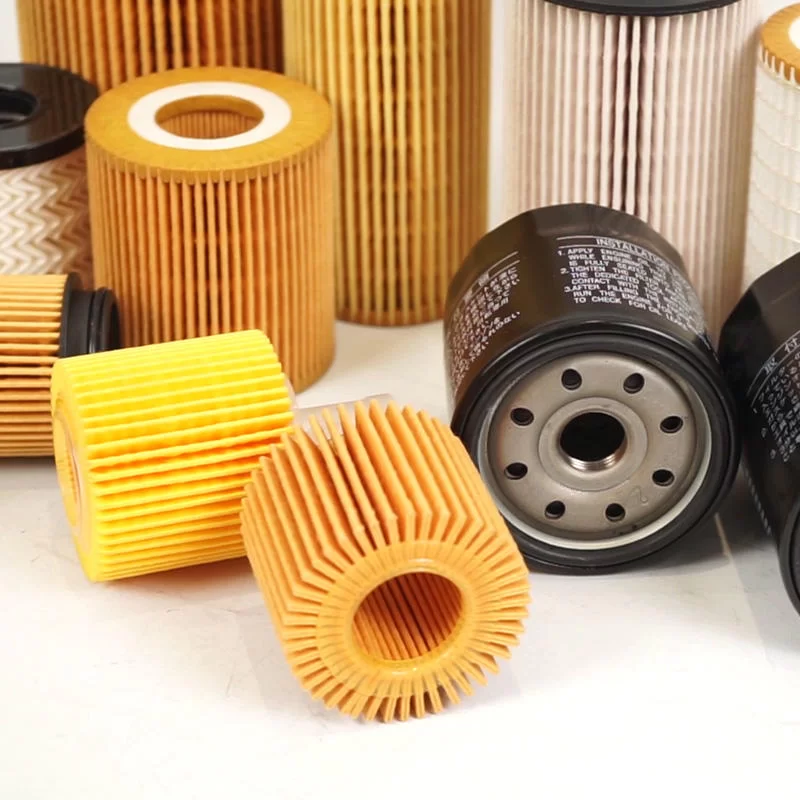
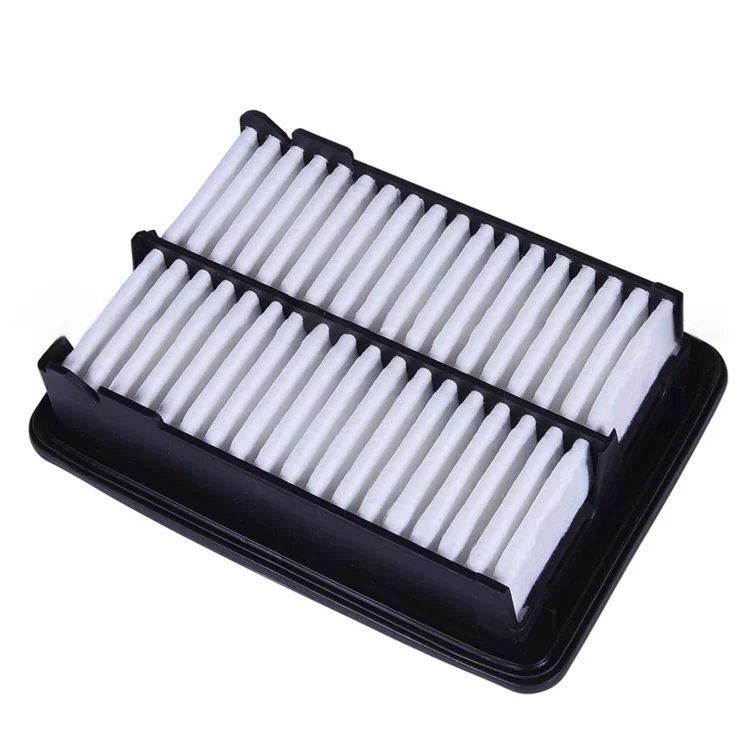
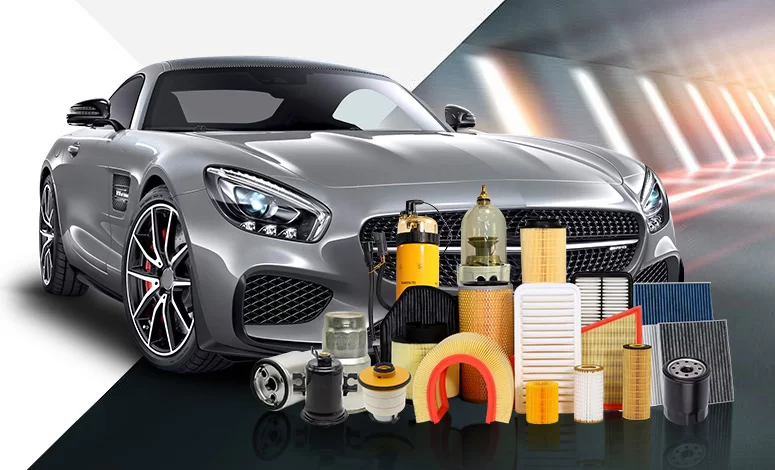
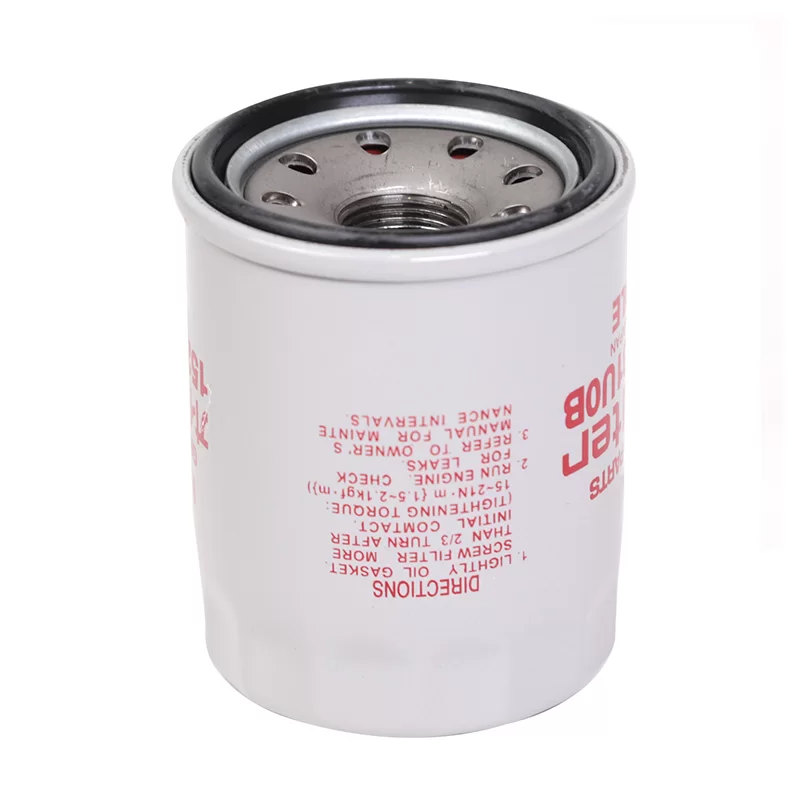
Comprehensive Engine Filtration Portfolio for Laos

A full range of filtration solutions designed for passenger cars, commercial trucks, and industrial machinery.

Common Questions Regarding Automotive Filtration in Laos

Expert answers to the most frequent concerns of Lao vehicle owners and technicians.

How often should I replace my car engine oil filter in dusty regions of Laos?

Due to high dust levels in rural Laos, we recommend replacing the filter every 5,000 to 7,500 kilometers, or every oil change, to prevent particulates from bypassing the media.

Can a low-quality oil filter automotive cause engine overheating?

Yes, if a filter is poorly constructed, it can restrict oil flow (high pressure drop), reducing the engine's ability to lubricate and cool internal components, leading to overheating.

What is the advantage of a high-grade engine oil filter element over standard ones?

High-grade elements use synthetic blend media which offers superior filtration efficiency (capturing smaller particles) and greater structural stability under heat.

Are synthetic automotive oil filters suitable for older vehicles in Laos?

Absolutely. Synthetic filters provide better protection for older engines by efficiently removing sludge and varnish that often accumulate in aged lubrication systems.

How do I identify a genuine engin oil filter from a counterfeit one?

Check for precise weld seams, clear holographic branding, and consistent weight. Genuine filters have a distinct, high-quality finish on the filter media when inspected.

Does the tropical climate of Laos affect oil filter lifespan?

Yes, extreme humidity and heat can degrade low-quality gaskets and cellulose media. Using premium filters ensures the seal remains airtight and the media doesn't collapse.

Get Expert Filtration Advice for Your Fleet

Partner with a global leader in automotive parts to optimize your engine performance in Laos.

Contact Us Now

If you are interested in our products, you can choose to leave your information here, and we will be in touch with you shortly.