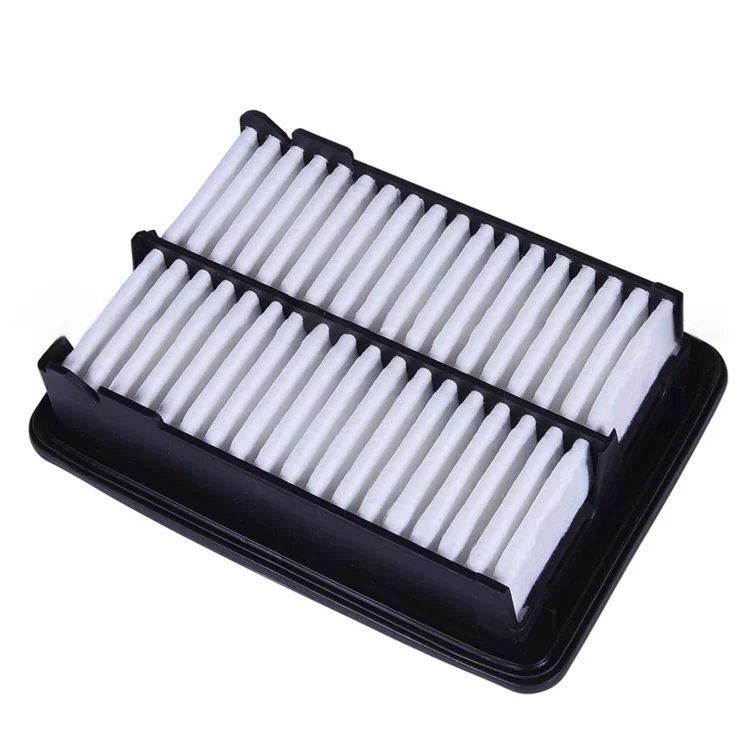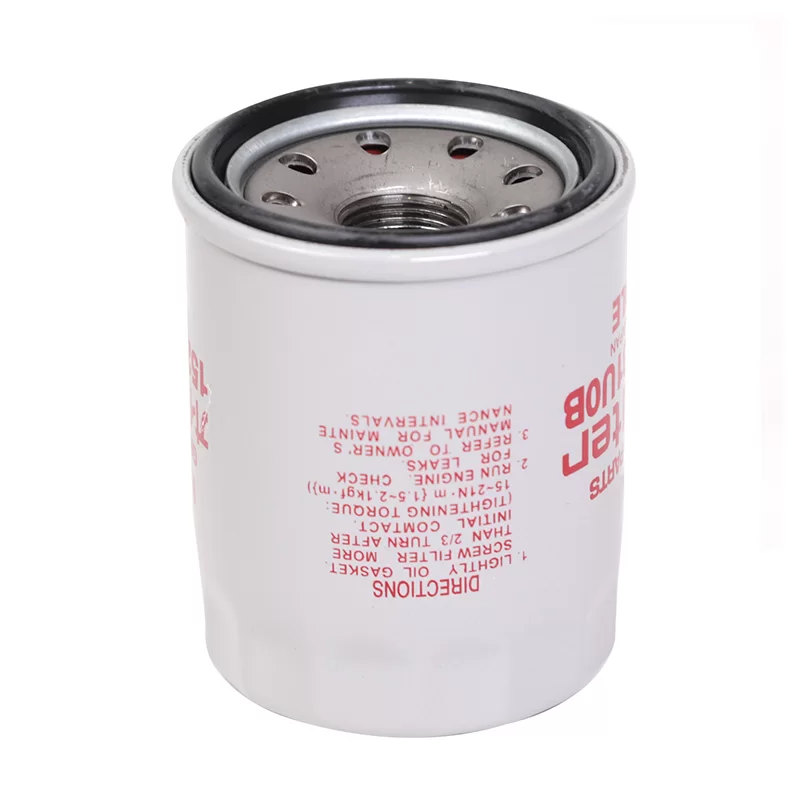

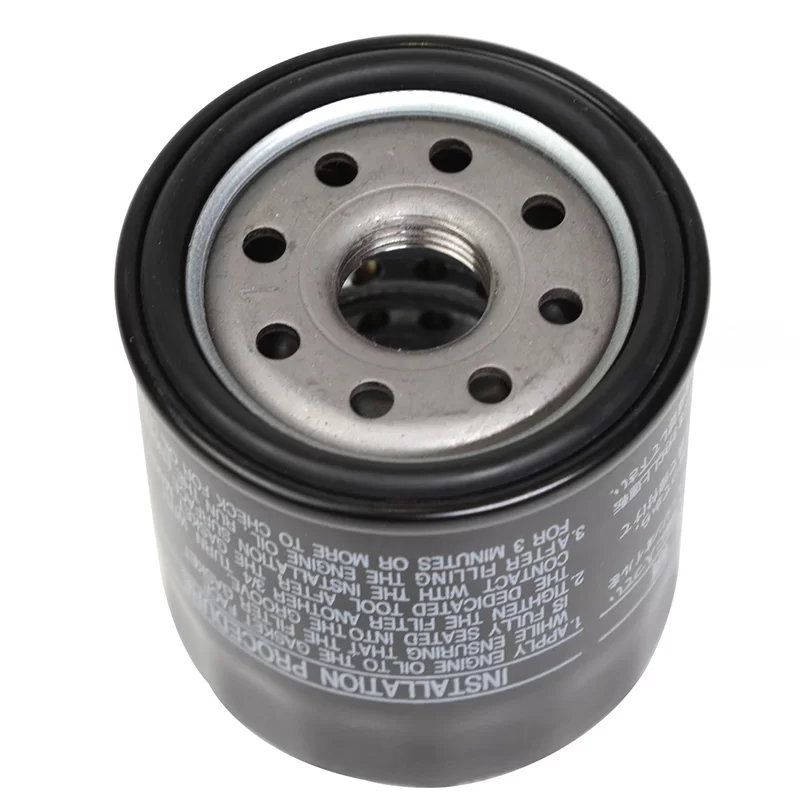
Germany's automotive sector is currently navigating a complex transition. With a legacy of high-performance internal combustion engines (ICE), the demand for a premium automotive oil filter remains critical to maintain the tight tolerances required by luxury and performance brands like BMW and Mercedes-Benz.
The local market is heavily influenced by the "Energiewende" and Euro 6/7 emission standards. This has shifted the focus toward filters that can handle synthetic, low-friction oils while maintaining extreme filtration efficiency to prevent premature engine wear under high-speed Autobahn conditions.
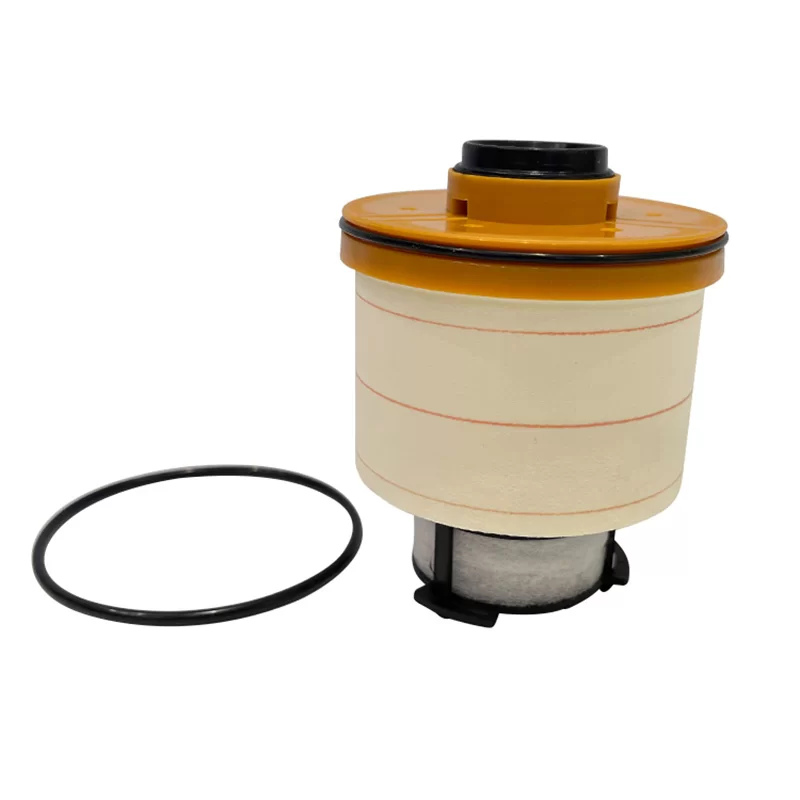
Furthermore, the German aftermarket is seeing a surge in demand for sustainable materials. There is a growing preference for an engine oil filter element that reduces waste through replaceable inserts rather than disposable spin-on canisters, aligning with Germany's circular economy goals.