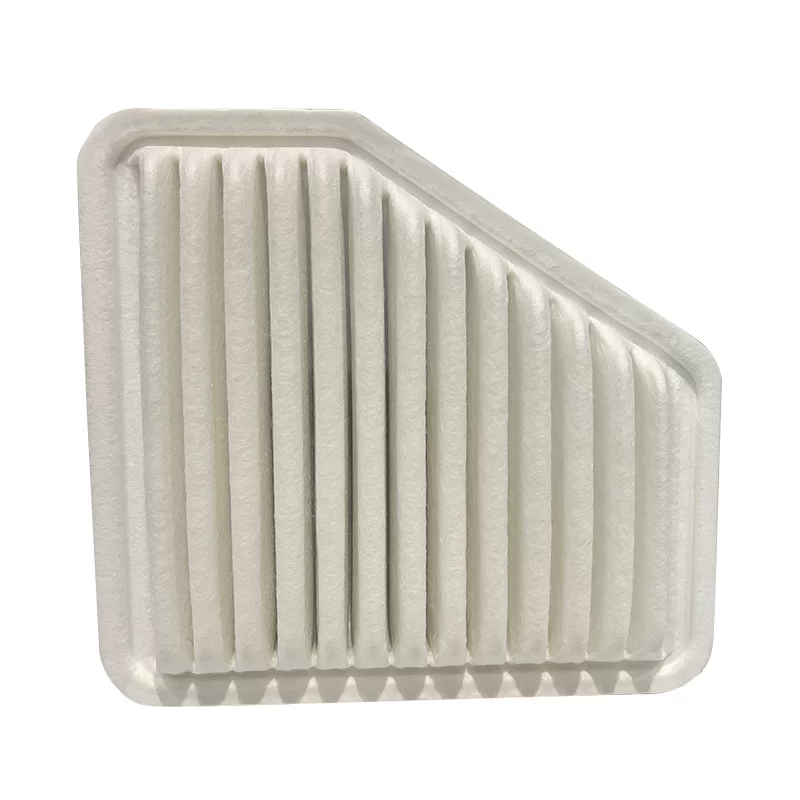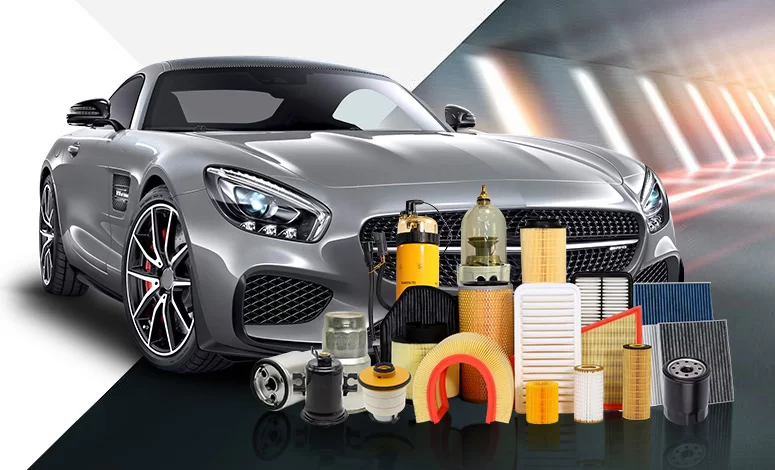

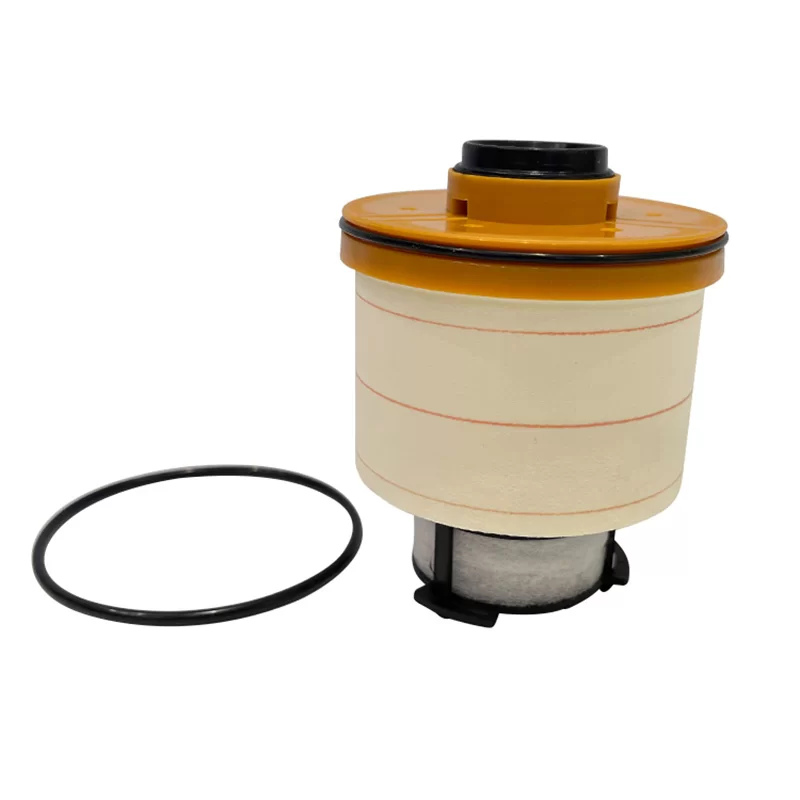
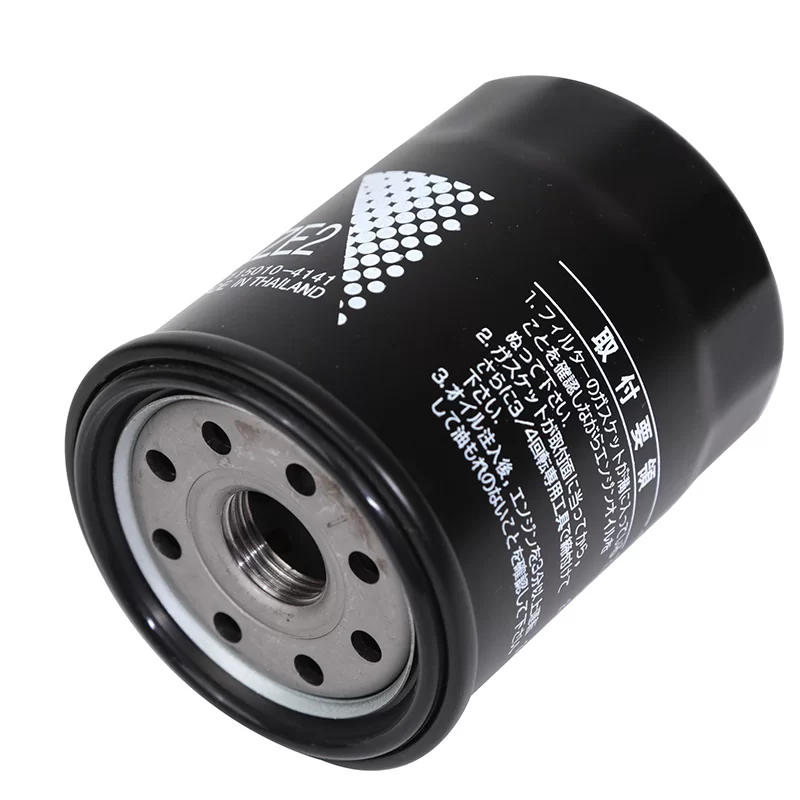
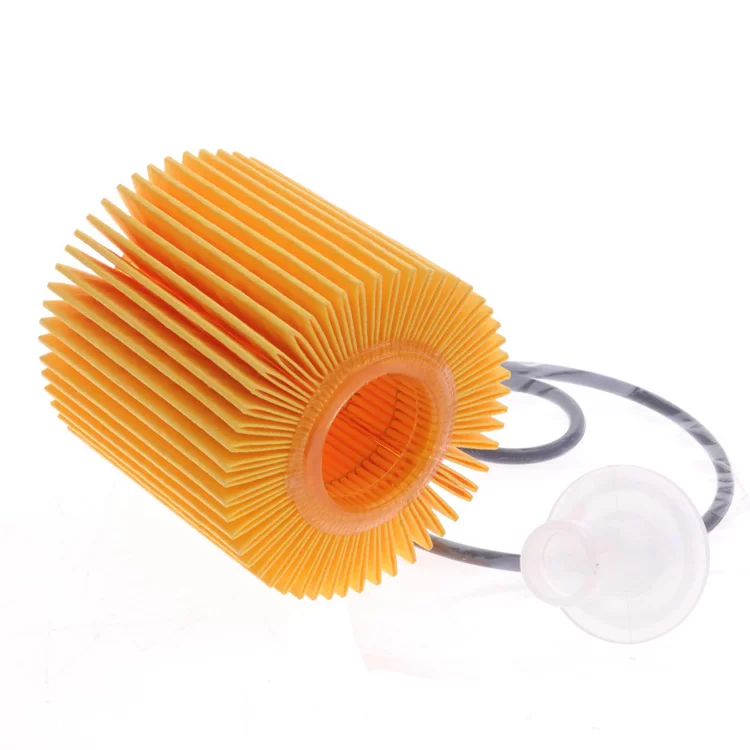
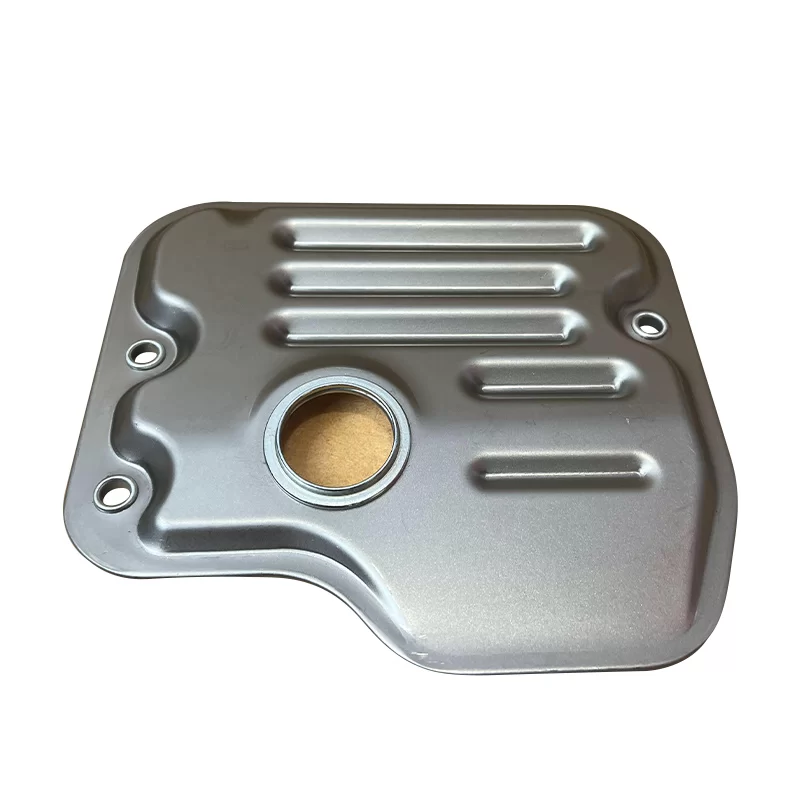
oil filters

Advanced car engine oil filter Solutions for Norway's Automotive Market

High-performance filtration systems engineered to withstand the extreme Scandinavian climate, ensuring maximum engine longevity and efficiency for Norwegian fleet operators.

Advanced car engine oil filter Solutions for Norway's Automotive Market

Providing precision-engineered filtration technology specifically adapted for Norway's unique geography, from urban Oslo to the rugged Arctic north.

Norway's Automotive Filtration Landscape

Analyzing the impact of Nordic climates on oil filtration efficiency.

In Norway, the automotive industry faces extreme seasonal temperature fluctuations. During harsh winters, the viscosity of engine oil increases, putting immense pressure on the automotive oil filter to maintain a consistent flow while effectively trapping contaminants.

The high prevalence of electric vehicles (EVs) in Norway has shifted the market, yet the remaining internal combustion engine (ICE) and hybrid fleet require specialized oil filter automotive components that can handle frequent cold-starts and idling in sub-zero temperatures.

Environmental regulations in Norway are among the strictest in Europe. This drives a demand for filtration elements that reduce emissions and extend oil drain intervals, making high-efficiency engine oil filter element designs a necessity rather than a luxury.
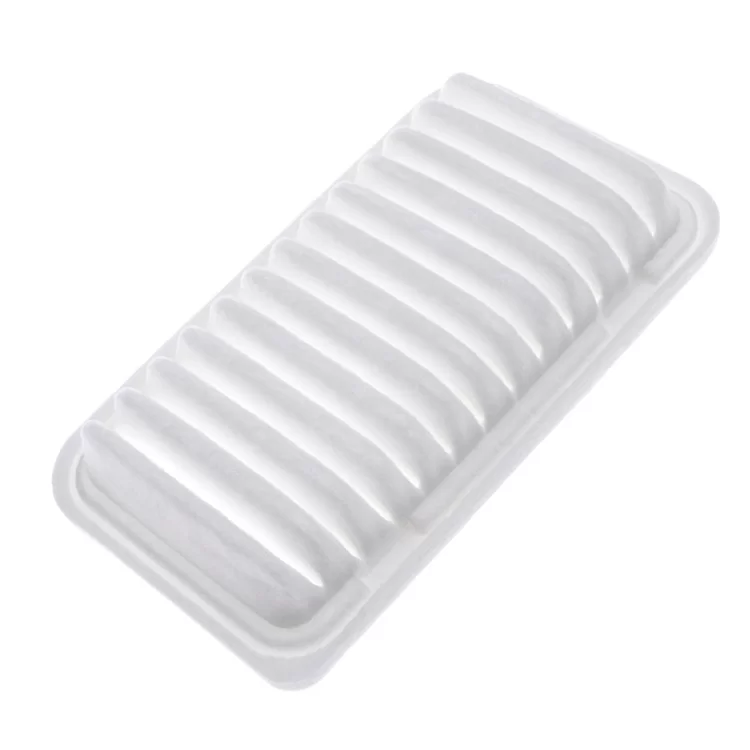
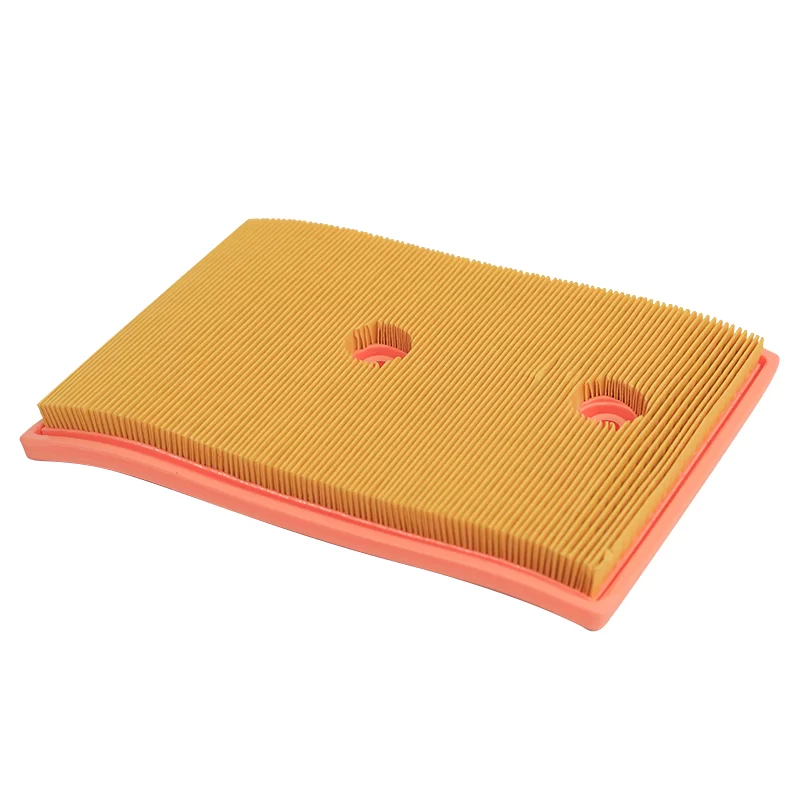
Evolution of Engine Filtration Technology

From basic sediment traps to smart synthetic media.

Market Development History

In the early 2000s, the Norwegian market relied heavily on standard cellulose-based filters. These were sufficient for temperate zones but often suffered from structural degradation under the intense thermal cycling typical of Nordic winters.

Between 2010 and 2020, there was a significant transition toward synthetic blend media. The introduction of the precision engin oil filter allowed for better dirt-holding capacity and lower pressure drops, coinciding with the rise of high-performance European turbocharged engines.

Today, the industry has moved toward "Long-Life" filtration. Modern systems now integrate bypass valves specifically calibrated for low-temperature startups to prevent engine starvation in Arctic conditions.

Future Development Trends

Nano-Fiber Media Integration

Moving toward 2027, we expect a surge in nano-fiber materials that can capture particles smaller than 1 micron, reducing wear on precision-engineered engine components.

Biodegradable Filter Housings

Driven by Norway's "Green Shift," there is a growing trend toward replacing plastic housings with recyclable or biodegradable polymers to minimize landfill waste.

IoT-Enabled Filter Monitoring

Integration of pressure sensors within the filter assembly to provide real-time degradation data via OBD-II ports, shifting maintenance from scheduled to predictive.

Future Outlook for Nordic Filtration

Strategic directions for the next 5 years of automotive maintenance.

Ultra-Low Viscosity Compatibility
Optimizing filters for 0W-8 and 0W-12 oils to improve winter fuel economy.
Hybrid Engine Specialization
Filters designed for the frequent stop-start cycles of hybrid powertrains.
Extended Service Intervals
Developing media capable of 30,000km+ cycles without efficiency loss.
Zero-Leak Sealing Tech
Advanced gaskets that remain flexible at -40°C to prevent oil leaks.

Industry Outlook

As Norway leads the world in the transition to electric mobility, the demand for traditional filtration is evolving toward high-value, low-volume specialty niches. The focus is shifting toward the maintenance of legacy ICE vehicles and the specialized cooling oil filters for EV batteries.

Future growth will be driven by "Circular Economy" principles, where filtration components are designed for easy refurbishment or 100% material recovery, aligning with the Norwegian government's sustainability goals.

Localized Applications in Norway

Real-world scenarios where high-grade filtration is critical.

1. Arctic Logistics & Heavy Transport

Long-haul trucks traversing the E6 highway in winter require heavy-duty filters that prevent wax buildup and maintain oil pressure during extreme cold.

2. Oslo Urban Commuting

City vehicles facing frequent idling and short trips suffer from oil dilution; our filters are designed to manage higher contaminant loads in stop-and-go traffic.

3. Fjord-Region Marine Hybrid Engines

Vehicles used in coastal areas encounter salt-mist environments; our corrosion-resistant filter housings ensure integrity in high-humidity salty air.

4. Mountainous Terrain Performance

Engines working under high load while climbing steep Norwegian fjords require high-flow filtration to prevent pressure drops during peak stress.

5. Remote Village Emergency Vehicles

For vehicles in remote Northern Norway, reliability is a matter of safety. Long-life filters reduce the need for frequent maintenance in isolated areas.

Brand Story

Global Development Journey of Hebei Congben Auto Parts Co., Ltd.

Foundational Engineering

Established with a mission to solve the common failure of oil filters in high-load industrial environments, focusing on structural integrity.

Material Innovation

Developed proprietary synthetic blend media that increased filtration efficiency by 30% compared to traditional cellulose filters.

Global Expansion

Expanded our footprint into the European market, adapting our products to meet the rigorous EU standards and Nordic climatic demands.

Sustainability Pivot

Invested in green manufacturing processes to reduce the carbon footprint of every filter produced, targeting zero-waste factories.

Future Mobility Vision

Leading the transition toward hybrid and electric filtration systems, ensuring clean lubrication for the next generation of vehicles.

Norway Automotive Filtration FAQ

Expert answers to common questions regarding engine oil maintenance in Nordic regions.

How does extreme cold affect my car engine oil filter performance?

In extreme cold, oil thickens, which can restrict flow. A high-quality filter with a calibrated bypass valve ensures the engine receives lubrication even before the oil reaches operating temperature.

What is the best engine oil filter element for hybrid vehicles in Norway?

Hybrid engines face more frequent cold starts. We recommend synthetic media elements that offer superior durability and higher filtration efficiency to handle the resulting oil contamination.

How often should I replace my automotive oil filter in a Nordic climate?

Due to the severity of winter conditions, we suggest following the manufacturer's "severe service" interval, typically every 10,000 to 15,000 km or once a year before winter.

Are synthetic oil filters more effective than cellulose ones for cold starts?

Yes, synthetic media provides better structural stability and flow rates at low temperatures, reducing the risk of filter collapse or oil starvation during a Norwegian winter.

Can a poor-quality oil filter automotive cause engine damage in winter?

Absolutely. A filter that cannot handle high-viscosity cold oil may trigger a permanent bypass or fail entirely, allowing contaminants to circulate and cause premature engine wear.

Do I need a specific engin oil filter for turbocharged diesel engines?

Yes, turbochargers require an extremely clean oil supply to protect the turbo bearings. High-efficiency filters with a finer micron rating are essential for these engine types.

Get Expert Filtration Advice

Looking for the perfect filtration match for your fleet in Norway? Our engineers are ready to help you optimize your engine performance.

Contact Us Now

If you are interested in our products, you can choose to leave your information here, and we will be in touch with you shortly.