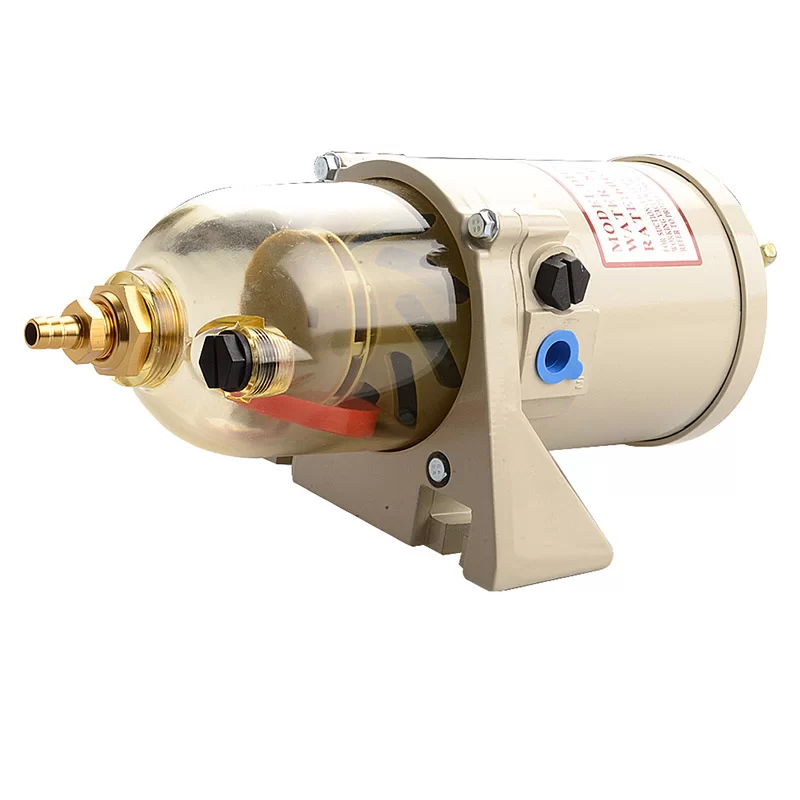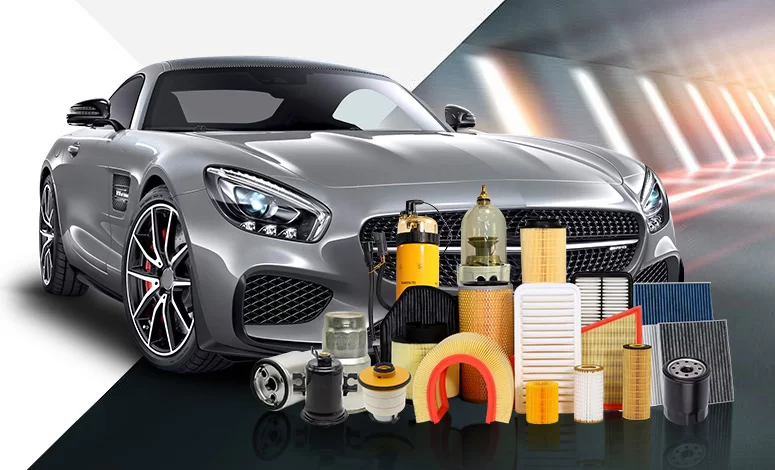

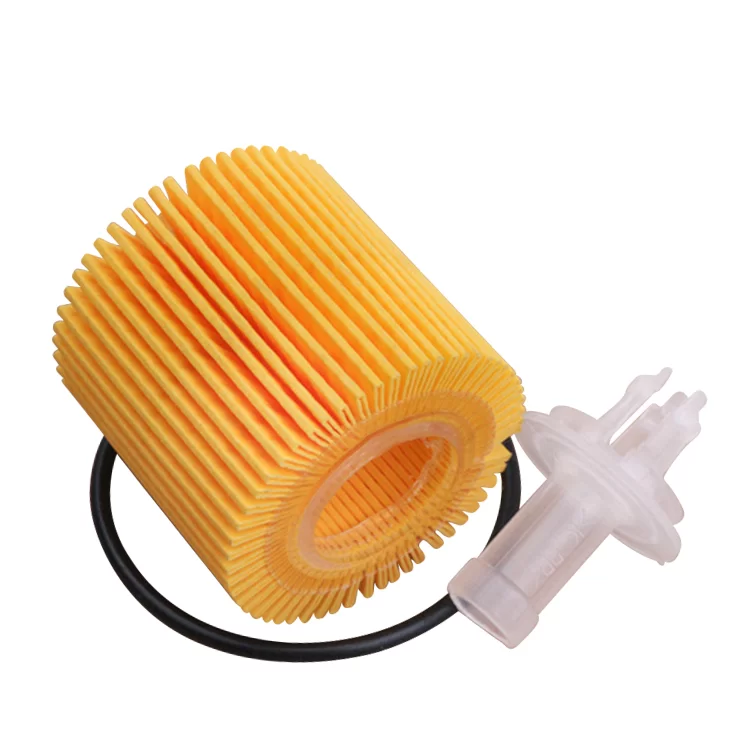
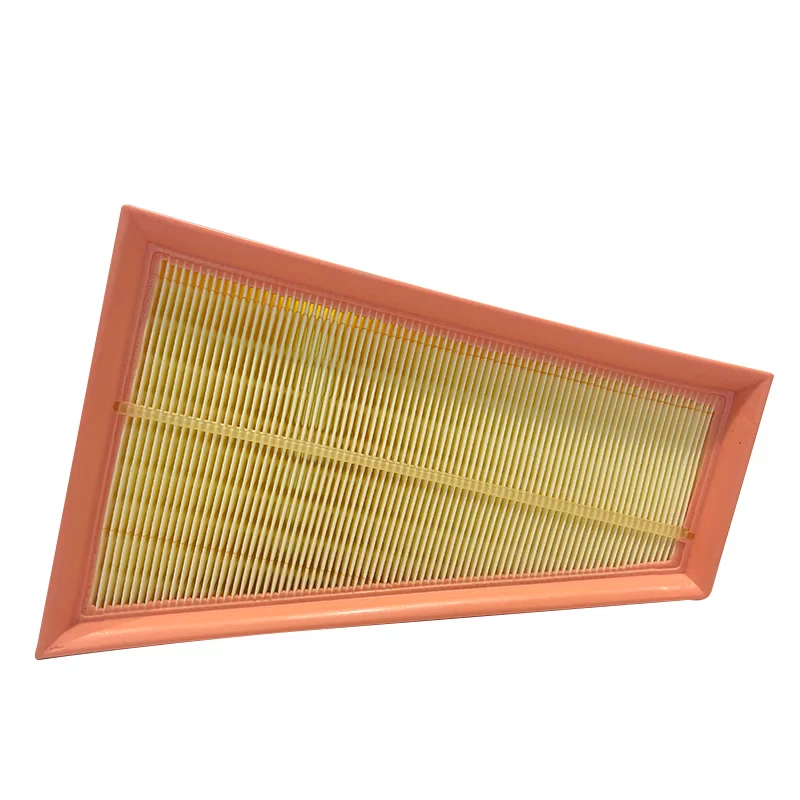
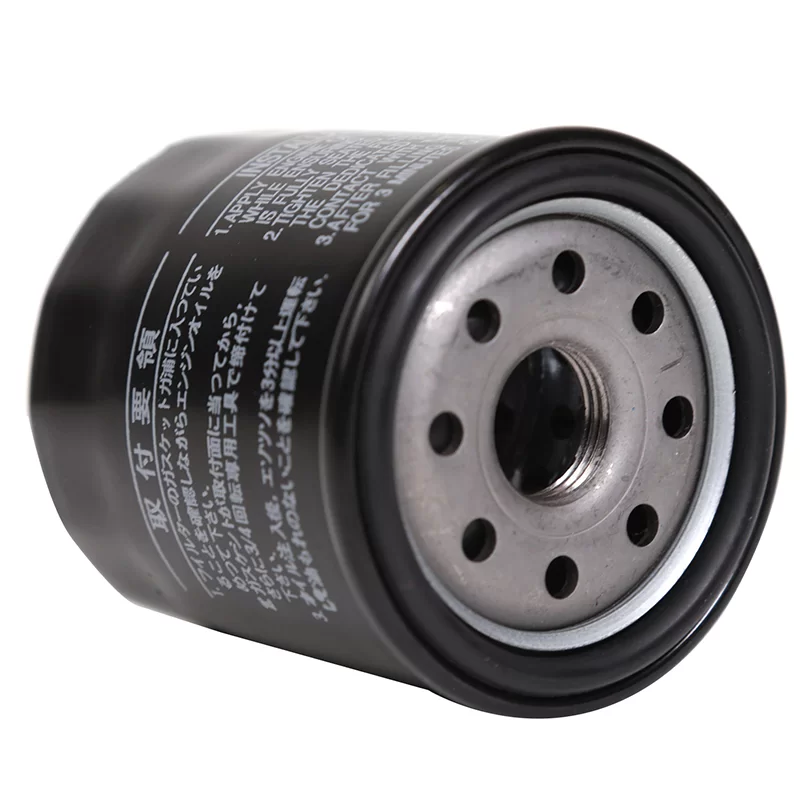
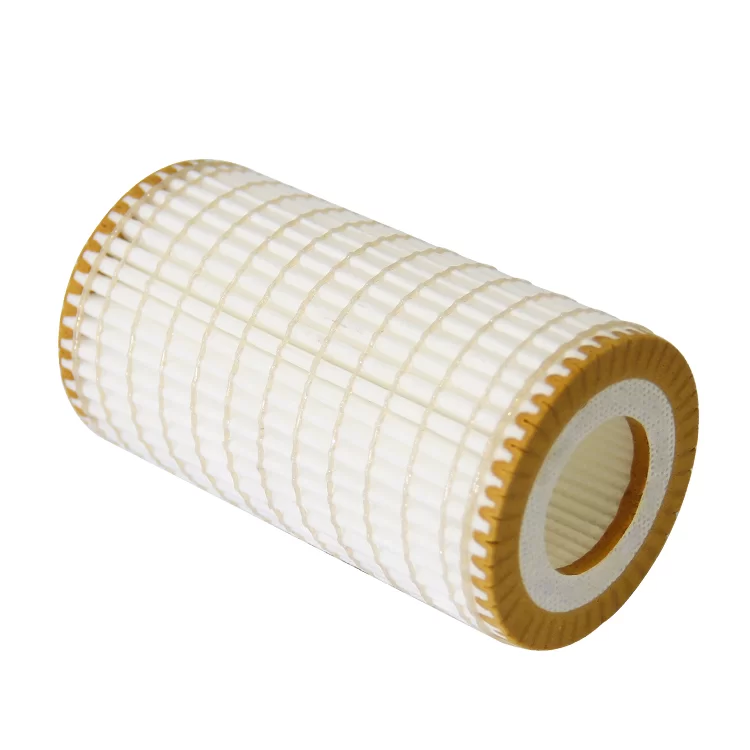
oil filters

High-Performance car engine oil filter Solutions for Australia

Engineered for the extreme Australian climate, ensuring maximum engine longevity and filtration efficiency across the Outback and urban centers.

Market Status of automotive oil filter in Australia

Analyzing the intersection of harsh geography and filtration demands.

In Australia, the automotive sector faces unique challenges due to extreme temperature fluctuations and vast distances. The demand for a reliable oil filter automotive is driven by the prevalence of 4WD vehicles and long-haul transport crossing the arid interior, where dust and heat accelerate oil degradation.

Currently, the Australian market is shifting toward higher-grade synthetic media. With the increase in high-performance turbocharged engines in urban areas like Sydney and Melbourne, there is a critical need for filters that can maintain flow rates without compromising the micron-level filtration efficiency required for modern engines.

Economic factors, including the rise of independent service centers over dealership monopolies, have increased the demand for high-quality, aftermarket engin oil filter options that offer OEM-equivalent performance but with better cost-efficiency for the local consumer.
Evolution of engine oil filter element Technology

From traditional cellulose to advanced synthetic composites.

Market Development History

From the 1980s to the early 2000s, the Australian market relied heavily on traditional cellulose-based filters. These provided basic protection but often struggled with the thermal shocks experienced during extreme Outback summer heatwaves.

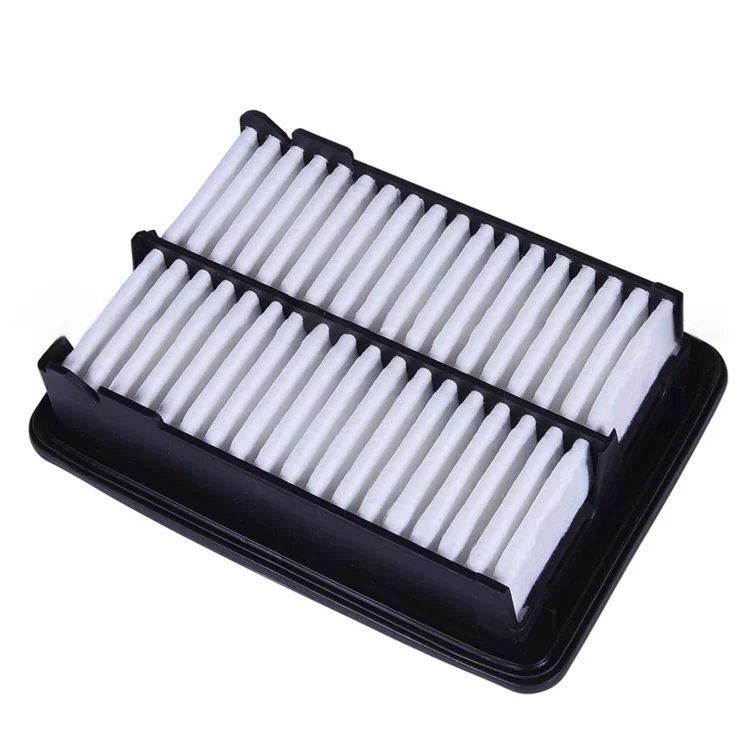
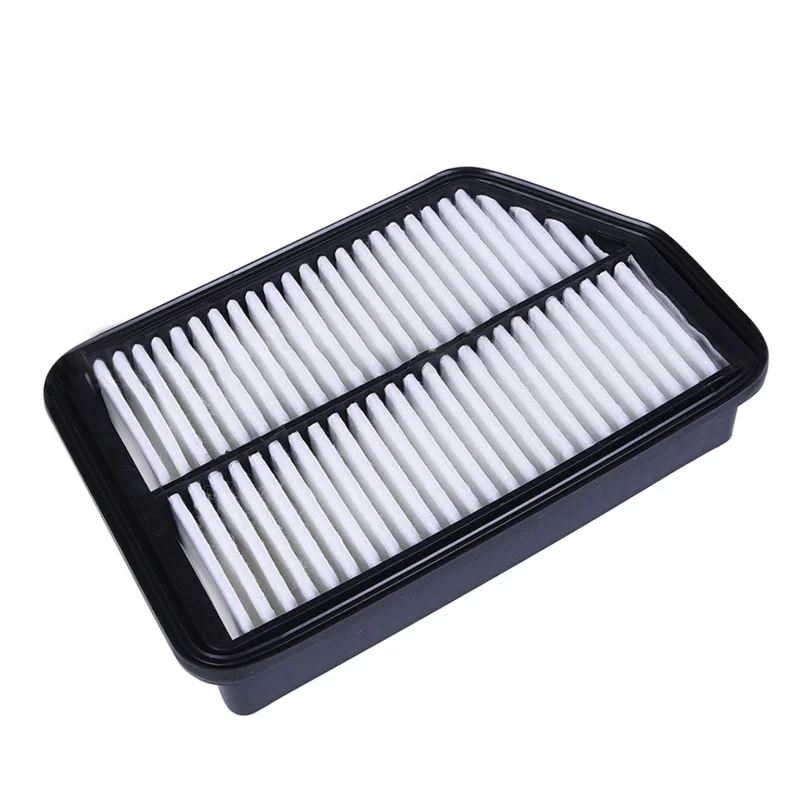
Between 2010 and 2020, the transition toward synthetic blend media began. This era saw the introduction of the high-efficiency engine oil filter element, featuring pleated designs that increased surface area and extended service intervals for heavy-duty diesel fleets.

In the current era, we see the integration of nano-fiber technology. Modern filters now incorporate electrostatic properties to capture smaller particulates, reflecting the global shift toward ultra-low emission standards and tighter engine tolerances.

Future Development Trends

Smart Monitoring Integration

Integration of pressure sensors within the filter housing to provide real-time degradation alerts via vehicle OBD-II systems, reducing unexpected engine failure.

Eco-Friendly Biodegradable Media

A shift toward recyclable or biodegradable filter media to align with Australia's tightening environmental regulations and "Green" automotive initiatives.

Hybrid Engine Optimization

Developing specialized filtration for hybrid powertrains that handle frequent stop-start cycles and different oil viscosity requirements.

Future Trends of Automotive Filtration

Predicting the next 5 years of engine protection in the Oceania region.

Synthetic Media Dominance
Complete transition from paper to synthetic micro-glass fibers for 99% particulate capture.
Extended Service Life
Development of filters capable of 20,000km+ intervals for remote Australian regions.
Anti-Vibration Housing
Reinforced casings to prevent leakage during heavy off-road vibrations in the Outback.
Precision Fit OEM+
Digital twin manufacturing ensuring 100% compatibility with diverse imported vehicle brands.

Industry Outlook

Based on search trends and automotive shifts, the demand for specialized filtration is rising. As Australia moves toward a mixed-fleet economy (ICE, Hybrid, and EV), the role of the automotive oil filter remains vital for the millions of existing internal combustion vehicles that power the nation's logistics.

We expect a surge in "Premium" tier filters that offer multi-stage filtration, combining a coarse pre-filter with a fine-particle element to handle the dusty Australian environment, effectively doubling engine life for commercial users.

Local Application Scenarios in Australia

Real-world performance across diverse Australian landscapes.

01. Outback Expedition 4WDs

High-capacity filters designed for Toyota LandCruisers and Nissan Patrols crossing the Simpson Desert, preventing grit contamination in extreme heat.

02. Urban Commuting in Sydney/Melbourne

Optimized filtration for stop-and-go traffic, reducing soot build-up and maintaining oil purity in high-temperature city congestion.

03. Regional Agricultural Machinery

Heavy-duty filtration for farm trucks and machinery in the Murray-Darling Basin, resisting high-load pressure and coarse dust ingress.

04. Long-Haul Logistics Fleets

Extended-life filters for interstate B-double trucks, ensuring engine protection over thousands of kilometers between service hubs.

05. Coastal Recreational Vehicles

Corrosion-resistant outer shells for vehicles operating in salty coastal environments like the Gold Coast, preventing rust and leakage.

Brand Story

Global Development History of Hebei Congben Automotive Parts Co., Ltd.

Foundational Excellence

Established with a vision to redefine filtration purity, we began by mastering the core metallurgy of filter casings.

Technical Breakthroughs

Developed proprietary synthetic media that outperformed traditional cellulose in high-pressure environments.

Global Expansion

Extended our footprint to Oceania, tailoring our products to meet the rigorous Australian Design Rules (ADR).

Quality Certification

Achieved ISO/TS16949 certification, ensuring every filter meets the highest global automotive safety standards.

Future Vision

Leading the transition toward sustainable, high-efficiency filtration for the next generation of global mobility.

Australian Automotive Filtration FAQ

Expert answers to the most common questions from local mechanics and car owners.

How often should I replace my car engine oil filter in the Australian Outback?

Due to high dust levels and extreme heat in remote regions, we recommend shortening your interval to every 5,000-7,500km to prevent premature engine wear.

What is the difference between a standard and a high-efficiency engine oil filter element?

A high-efficiency element uses synthetic micro-glass fibers instead of paper, capturing smaller particulates and offering better thermal stability in hot climates.

Can I use a generic automotive oil filter for my imported European car in Australia?

It is not recommended. We provide precision-fit filters that match OEM specifications to ensure correct oil pressure and flow for specific European engine architectures.

Does the oil filter automotive design affect fuel efficiency?

Yes, a clogged or low-quality filter increases engine friction and resistance, which can lead to a slight decrease in fuel economy and increased emissions.

What should I look for in a heavy-duty engin oil filter for towing?

Look for reinforced canisters and synthetic media that can withstand higher pressure spikes during heavy towing in steep or hot terrains.

Are synthetic filters compatible with mineral oils?

Yes, our synthetic media filters are compatible with all major oil types, though they provide the best performance when paired with full synthetic lubricants.

Get Expert Filtration Advice

Looking for wholesale partners or technical specifications for the Australia market? Our engineers are ready to help.

Contact Us Now

If you are interested in our products, you can choose to leave your information here, and we will be in touch with you shortly.