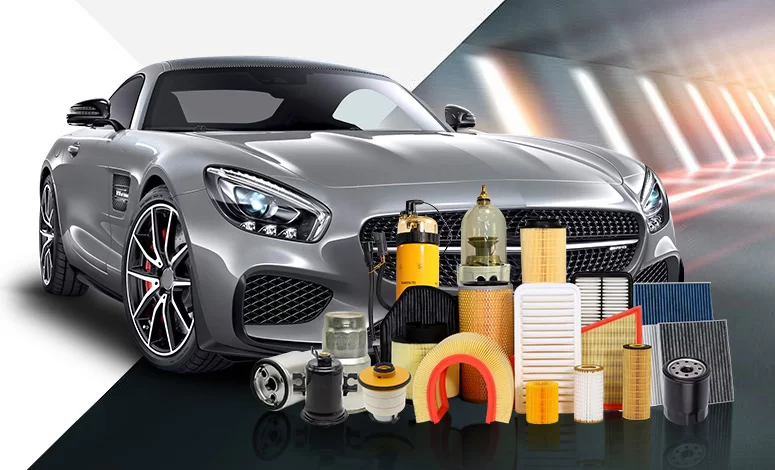
In the demanding world of automotive engineering, the precision of lubrication systems can determine the lifespan of an entire engine. A custom oil filter is not merely a replacement part; it is a precision-engineered solution designed to meet the specific flow rates, micron ratings, and pressure tolerances of specialized machinery. By tailoring the filtration media and housing to the exact needs of a vehicle, operators can significantly reduce wear and tear on critical internal components.
Globally, the shift toward high-performance synthetic oils and the increasing complexity of turbocharged engines have made generic filtration insufficient. The industry is seeing a surge in demand for bespoke solutions that can handle higher contaminant loads without inducing excessive pressure drops. Understanding the nuances of a custom oil filter allows fleet managers and engineers to optimize engine efficiency and extend service intervals, reducing the total cost of ownership.
Whether applied to heavy-duty construction machinery or high-performance racing vehicles, the implementation of customized filtration ensures that only the cleanest oil reaches the bearings and pistons. This educational guide delves into the technical specifications, global applications, and future trends of personalized filtration, providing a comprehensive overview of why a custom oil filter is essential for modern automotive sustainability and reliability.

Global Industry Context of Custom Oil Filters
The global automotive landscape is currently undergoing a massive transition toward stricter emission standards and higher efficiency. According to ISO standards for fluid cleanliness, the presence of microscopic particles in engine oil can lead to accelerated abrasive wear. In industrial hubs across Europe and Asia, the reliance on a custom oil filter has grown as companies seek to minimize unplanned downtime in heavy-duty logistics and construction sectors.
The challenge lies in the "one size fits all" approach of OEM filters, which often prioritize mass production over extreme-environment performance. When machinery operates in dusty desert conditions or sub-zero arctic temperatures, the viscosity of the oil changes, and the contaminant profile shifts. This creates a critical need for tailored filtration solutions that can adapt to these environmental stressors without compromising the engine's oil pressure.
Defining the Custom Oil Filter Concept
At its core, a custom oil filter is a filtration unit engineered from the ground up to meet a specific set of operational parameters. Unlike standard filters, custom versions allow the user to specify the filter media (such as synthetic blend or cellulose), the pleat density, and the micron rating. This means a technician can choose a filter that captures particles as small as 2 microns for high-precision engines or a higher-flow filter for heavy-duty industrial pumps.
This concept is deeply connected to the modern need for "preventative precision." In industries where a single engine failure can cost tens of thousands of dollars in lost productivity, the ability to customize the filtration level is a safeguard. By optimizing the balance between filtration efficiency and flow restriction, these custom solutions ensure that the engine receives the exact volume of clean lubricant required for peak thermal management.
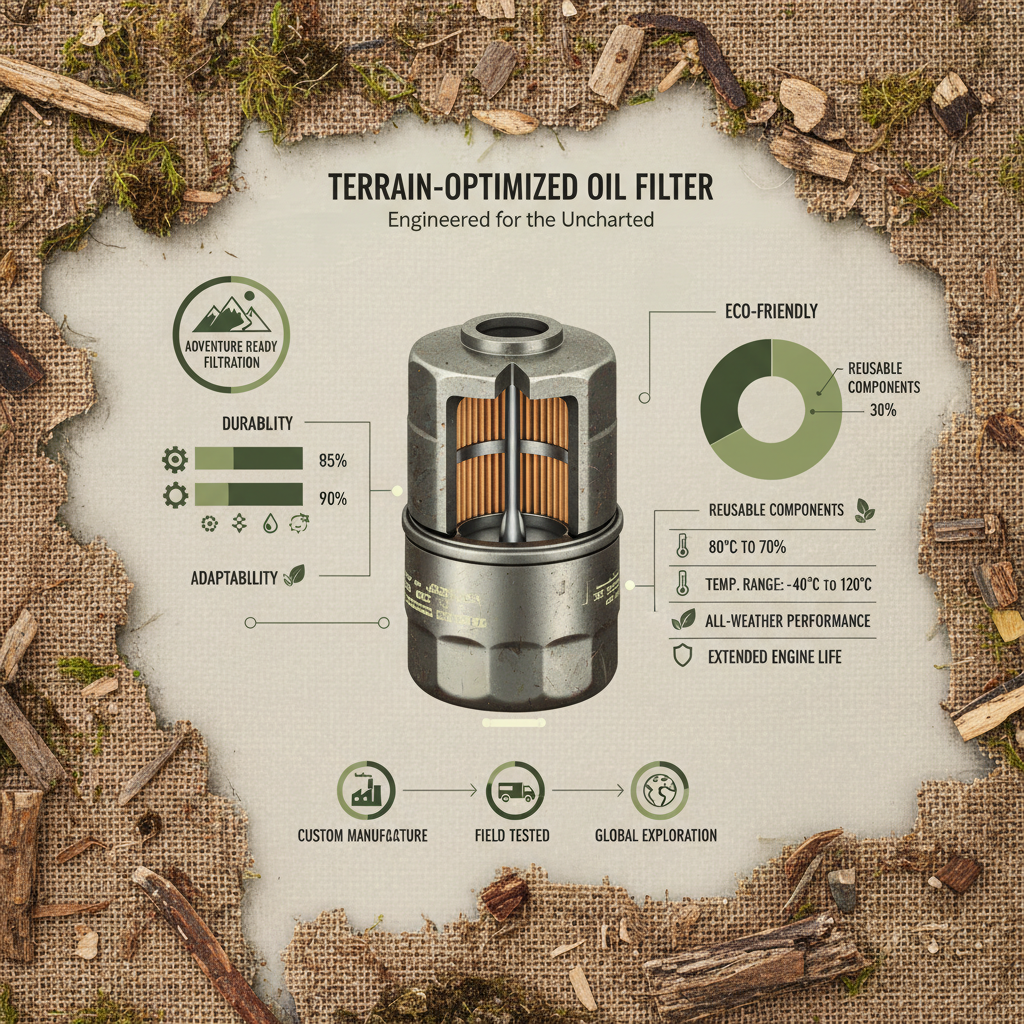
Furthermore, customization extends to the physical housing and sealing mechanisms. Whether it is a spin-on design or a cartridge-style insert, a custom oil filter is designed to fit perfectly within a specific chassis, eliminating the risk of leaks or bypass valve failures that often occur with "universal" adapters.
Core Components of Bespoke Filtration
The first pillar of a high-quality custom oil filter is the filtration media. Depending on the application, this can range from traditional cellulose to advanced synthetic nanofibers. Synthetic media is often preferred for custom builds because it offers superior dirt-holding capacity and maintains structural integrity under high-pressure surges, ensuring that the engine remains protected throughout the entire service interval.
Another critical component is the anti-drainback valve and the bypass valve, both of which are calibrated in a custom oil filter to match the specific oil viscosity used. A poorly calibrated bypass valve can allow unfiltered oil to circulate during cold starts, while a failing anti-drainback valve can lead to "dry starts," which cause significant wear on the crankshaft and camshafts.
Finally, the construction of the outer canister and the end-caps provides the necessary durability. Custom filters often utilize reinforced steel or high-grade polymers to resist corrosion and external impact. This structural robustness, combined with precision-engineered gaskets, ensures a leak-proof seal, maintaining the vacuum and pressure integrity of the entire lubrication circuit.
Performance Factors in Custom Design
When designing a custom oil filter, engineers focus on the trade-off between Beta ratios (filtration efficiency) and pressure drop. A tighter weave of media captures more particles but increases the resistance to oil flow. Through custom engineering, it is possible to increase the surface area—by adding more pleats or using a larger canister—to maintain a high efficiency without starving the engine of oil.
Additionally, the chemical compatibility of the filter materials with various additives in modern synthetic oils is a key performance factor. Custom filters are tested to ensure that the glue and sealants do not degrade when exposed to aggressive detergents or high-temperature environments, which is a common failure point in low-cost, non-customized filters.
Comparison of Filtration Efficiency by Design
Global Applications and Use Cases
In remote industrial zones, such as mining operations in Australia or oil fields in the Middle East, the use of a custom oil filter is a necessity rather than a luxury. These environments are plagued by extreme dust and silica, which can shred standard filters. Custom solutions are developed with reinforced media and oversized housings to handle the massive contaminant load, ensuring that machinery can operate for thousands of hours between maintenance cycles.
Beyond heavy industry, the high-performance automotive sector—including endurance racing and modified luxury vehicles—relies on these bespoke filters to maximize horsepower. By reducing the restriction of oil flow while maintaining a precise micron rating, a custom oil filter prevents oil starvation during high-G cornering, protecting the engine from catastrophic failure under extreme stress.
Long-Term Value and Sustainability
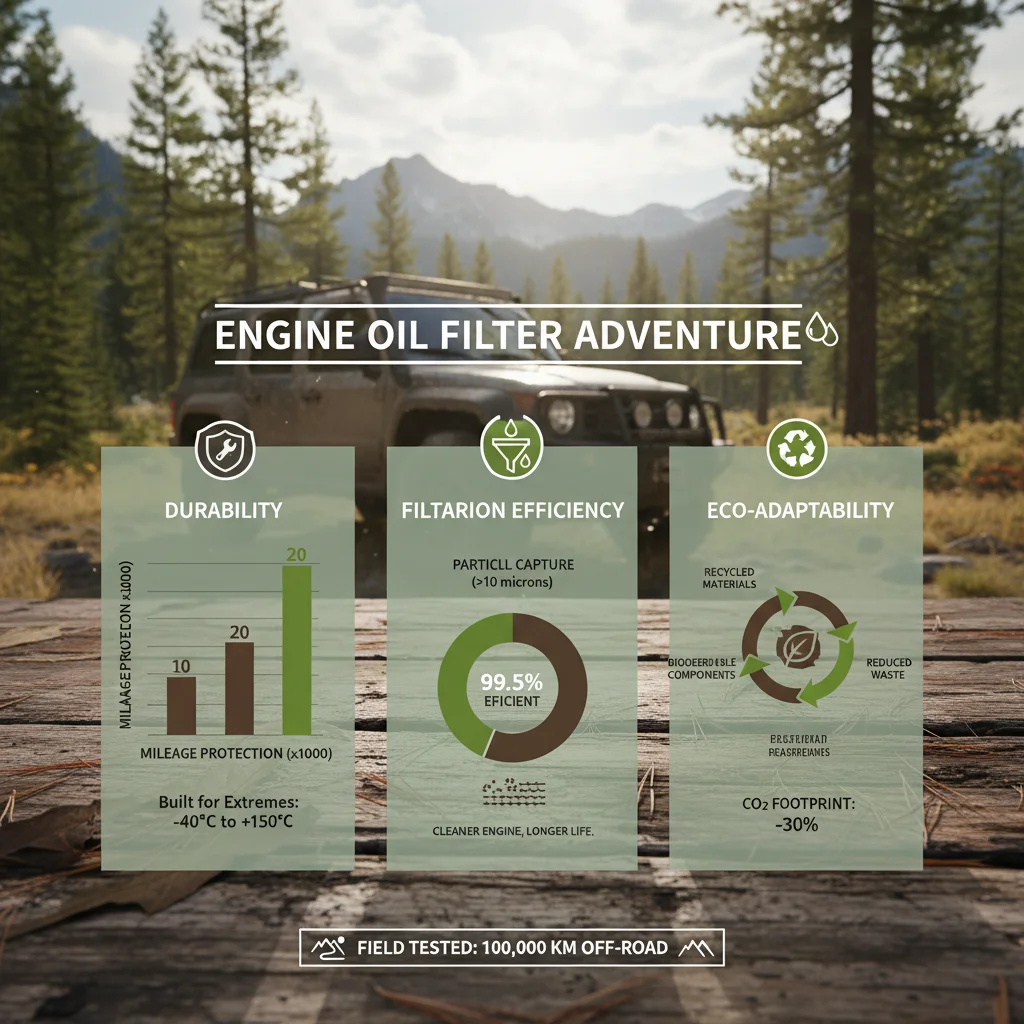
The long-term value of investing in a custom oil filter manifests in the extended life of the engine. By removing a higher percentage of wear-inducing particles, the internal surfaces of the engine remain smoother for longer, which improves fuel efficiency and reduces emissions. This logical approach to maintenance reduces the frequency of expensive engine overhauls.
From a sustainability perspective, custom filtration contributes to a reduction in waste. High-capacity custom filters can often be used for longer intervals than standard ones, meaning fewer filters end up in landfills annually. When combined with high-quality synthetic oils, the total environmental footprint of the vehicle's lubrication system is lowered.
Moreover, there is an emotional component of trust and safety. For operators of heavy machinery or transport fleets, knowing that their equipment is protected by a precision-engineered custom oil filter provides peace of mind. This trust in the hardware allows operators to focus on productivity without the constant fear of sudden mechanical breakdown.
Future Trends in Filtration Technology
The future of the custom oil filter is being shaped by the integration of "smart" technology. We are seeing the emergence of sensors embedded directly into the filter housing that can monitor pressure drops and contaminant levels in real-time. This digital transformation allows for "predictive maintenance," where the filter notifies the operator exactly when it needs replacement, rather than relying on a fixed mileage schedule.
Material science is also evolving, with the introduction of graphene-enhanced media and bio-based polymers. These innovations aim to increase the filtration efficiency to the sub-micron level while making the filter housing biodegradable. As the world moves toward green energy, custom filters are being adapted for electric vehicle (EV) cooling systems and gearbox lubricants, where the requirements differ significantly from internal combustion engines.
Automation in manufacturing, specifically 3D printing (additive manufacturing), is allowing for the creation of complex internal geometries in filter housings that were previously impossible. This allows for optimized oil flow patterns that further reduce pressure drops, making the custom oil filter more efficient than ever before.
Technical Analysis of Custom Oil Filter Specifications
|
Filter Material
|
Efficiency Rating
|
Ideal Application
|
Durability Score (1-10)
|
| Cellulose Blend |
20-40 Microns |
Standard Passenger Cars |
6 |
| Synthetic Nanofiber |
2-10 Microns |
High-Performance Racing |
9 |
| Glass Fiber Composite |
10-20 Microns |
Heavy Duty Trucking |
8 |
| Stainless Steel Mesh |
50-100 Microns |
Industrial Pre-filtration |
10 |
| Polypropylene Melt-blown |
15-30 Microns |
Construction Equipment |
7 |
| Hybrid Synthetic/Cellulose |
10-25 Microns |
Commercial Fleets |
8 |
FAQS
A custom oil filter is engineered for specific operational environments. While OEM filters are designed for average use, custom filters allow you to specify micron ratings, media materials, and flow capacities. This means you can achieve higher filtration efficiency and longer service intervals, especially in extreme conditions where standard filters would clog prematurely or fail to capture fine particulates.
Yes, but compatibility should be verified. One of the primary advantages of a custom oil filter is that the sealants and media are specifically chosen to be compatible with the chemistry of the oil you use. We recommend matching the filter's material specifications with the additives in your synthetic oil to ensure there is no degradation of the filter elements over time.
The ideal micron rating depends on your engine's tolerance and the environment. High-precision engines typically require a lower micron rating (e.g., 2-10 microns) to prevent abrasive wear. However, if the oil is very viscous or the system is prone to high pressure drops, a slightly higher rating may be used to ensure sufficient flow. Consulting with an engineer is recommended to balance efficiency and flow.
In most cases, as long as the filter meets or exceeds the original manufacturer's specifications for flow and filtration, it should not void the warranty. However, it is important to keep records of the filter's specifications and installation. Many professional fleets use custom filters precisely because they provide better protection than the OEM parts, extending the life of the warranted components.
One of the main benefits of a custom oil filter is its increased dirt-holding capacity. Depending on the design, they can often last 50% to 100% longer than standard filters. However, the exact interval should be determined by oil analysis tests or the pressure-drop indicators on smart filters to ensure the engine is never running on bypassed, unfiltered oil.
The initial purchase price is typically higher due to the use of superior materials and precision engineering. However, the long-term ROI is significant. By reducing engine wear, extending oil drain intervals, and preventing catastrophic failures, the cost per mile or per hour of operation is actually lower than using cheap, standard filters.
Conclusion
In summary, the transition from generic filtration to a custom oil filter represents a shift toward precision maintenance and operational excellence. By focusing on tailored micron ratings, advanced synthetic media, and environment-specific designs, industries can drastically reduce engine wear and improve overall machine reliability. From the construction sites of the Middle East to high-performance racetracks, the ability to customize lubrication filtration is a key driver of mechanical longevity and efficiency.
Looking forward, the integration of smart sensors and sustainable, bio-based materials will continue to redefine the boundaries of filtration technology. We encourage fleet managers and automotive engineers to move beyond the limitations of standard parts and embrace bespoke solutions that safeguard their most valuable assets. For those seeking the highest standard in precision filtration, we invite you to explore our specialized range of solutions. Visit our website: www.congbenfilter.com