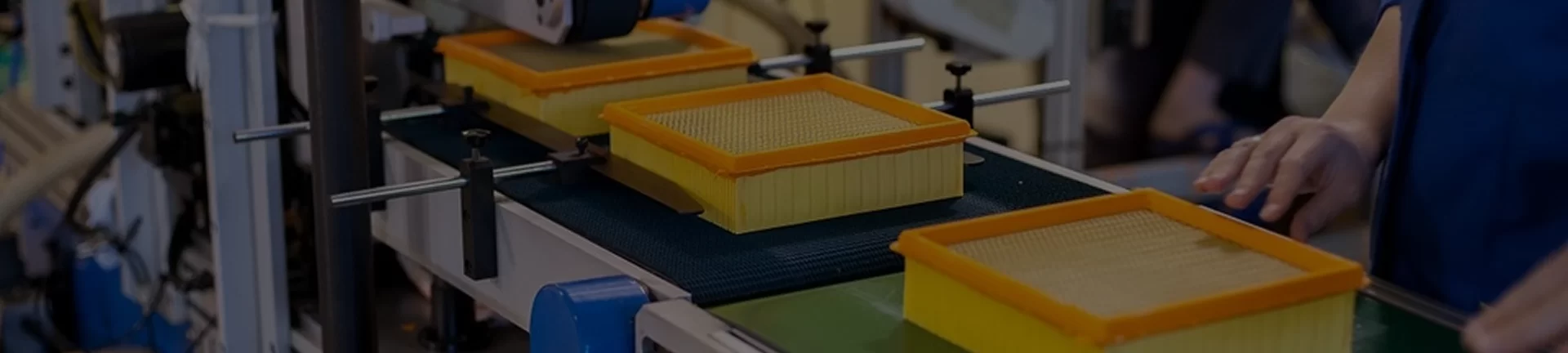
Maintaining the longevity and efficiency of a vehicle's internal combustion engine requires a sophisticated approach to filtration and fluid management. While many drivers focus on oil changes, the actual effectiveness of the lubrication system depends heavily on the quality of the components involved, including the synchronization between filtration and the delivery systems. Understanding the role of oil filters for cars is essential for any fleet manager or automotive enthusiast looking to minimize engine wear and maximize fuel economy.
On a global scale, the automotive aftermarket is shifting toward high-performance materials that can withstand extreme thermal cycling and chemical degradation. The integration of advanced polymers and synthetic fibers has allowed for tighter filtration tolerances without sacrificing flow rates, ensuring that contaminants are captured before they can cause abrasive damage to cylinder walls or crankshaft bearings. This evolution in component engineering reflects a broader industry trend toward sustainability and extended service intervals.
However, the performance of these systems is not solely dependent on the filter itself but also on the integrity of the hoses and seals that transport the fluids. When considering the overall health of a vehicle, one must look at the synergy between oil filters for cars and high-grade EPDM rubber hoses, which ensure that coolant and lubricants reach their destinations without leakage, even under extreme temperature fluctuations.

The Global Importance of Engine Filtration Systems
The global automotive industry is currently facing a dual challenge: increasing engine efficiency to meet stringent emission standards while extending the operational life of the vehicle. This makes the role of high-quality oil filters for cars and supporting fluid transport systems more critical than ever. According to ISO standards for automotive components, the purity of lubricating oil directly correlates with the reduction of friction-induced heat, which is the primary cause of premature engine failure.
In emerging markets, where vehicles often operate in dusty or high-humidity environments, the demand for robust filtration is even higher. The ability of a system to separate micron-sized particulates from the oil stream prevents the formation of sludge and varnish, ensuring that the engine maintains optimal compression and power output over hundreds of thousands of miles.
Defining the Role of Filtration in Modern Automotive Engineering
In the simplest terms, the filtration system acts as the kidneys of the vehicle's engine. By utilizing oil filters for cars, the engine can continuously remove metal shavings, carbon deposits, and external contaminants from the oil. This process is vital because oil is not just a lubricant; it is also a cooling agent and a cleaning medium that transports debris away from critical moving parts.
Beyond the filter, modern engineering integrates specialized delivery systems, such as EPDM (Ethylene Propylene Diene Monomer) rubber hoses. These hoses are designed to withstand the same harsh environments as the filters, operating at temperatures ranging from -50°C to +180°C. This ensures that the filtered oil and coolant can circulate freely without the risk of hose collapse or thermal degradation, which would otherwise compromise the filter's effectiveness.
The synergy between the filtration media and the conduit system represents a holistic approach to engine health. When high-efficiency filters are paired with reinforced fabric layers in EPDM hoses, the resulting system is capable of maintaining pressure stability, reducing the workload on the oil pump, and significantly lowering the total cost of ownership for the vehicle operator.
Core Components for Enhanced Engine Durability
Durability in automotive systems is achieved through the selection of materials that resist aging and UV radiation. For instance, the use of premium EPDM rubber in radiator and heater hoses ensures that the cooling system remains airtight, which is a prerequisite for the oil filters for cars to operate within their designed temperature window.
Scalability and adaptability are also key. Whether it is a compact passenger car or a heavy-duty truck, the fundamental requirement remains the same: a secure fluid transfer system. The implementation of oil filters for cars must be matched with hoses that comply with SAE J20 and ISO standards to ensure that pressure spikes during cold starts do not cause system failures.
Finally, cost-efficiency is realized through the longevity of the parts. By choosing components that offer superior ozone resistance and heat stability, operators reduce the frequency of replacements. This reliability creates a trust-based relationship between the manufacturer and the end-user, knowing that the engine is protected by a comprehensive shield of high-grade filtration and durable rubber conduits.
Practical Applications Across Diverse Industrial Sectors
The application of advanced filtration and fluid transport extends far beyond standard passenger vehicles. In heavy-duty construction machinery, for example, the environment is significantly more aggressive, with constant exposure to vibration and extreme dust. Here, the combination of industrial-grade oil filters for cars (and their larger truck counterparts) and reinforced EPDM hoses is essential for preventing downtime in remote mining or infrastructure projects.
Similarly, in the HVAC and general industrial fluid transfer sectors, the principles of heat stability and chemical resistance are paramount. In these contexts, the ability of EPDM rubber to maintain flexibility at -40°C while resisting degradation at +150°C makes it the ideal partner for high-pressure filtration systems, ensuring that lubricants and coolants are delivered consistently regardless of the external climate.
Performance Efficiency of Fluid Management Components
Long-Term Value of High-Specification Fluid Components
Investing in high-specification components like premium oil filters for cars and EPDM hoses provides a tangible return on investment through reduced maintenance costs. By preventing the ingress of contaminants and the leakage of vital fluids, these components protect the engine's most expensive parts, such as the turbocharger and the piston rings, from premature wear.
Beyond the financial logic, there is a significant safety and environmental dimension. A failed hose or a clogged filter can lead to catastrophic engine failure or oil leaks, which pose fire risks and environmental hazards. Using materials that are resistant to aging and UV radiation ensures that vehicles remain safe and reliable, contributing to a more sustainable transportation ecosystem.
Future Innovations in Automotive Material Science
The future of automotive filtration is moving toward "smart" systems that can monitor contaminant levels in real-time. We expect to see oil filters for cars integrated with sensors that alert the driver exactly when the media is saturated, moving away from fixed-interval replacements to condition-based maintenance.
In tandem with this, the development of bio-based elastomers is gaining momentum. Future versions of EPDM hoses may incorporate recycled materials or biodegradable polymers that maintain the same high-temperature stability (-40°C to +150°C) while reducing the carbon footprint of the manufacturing process.
Digital transformation is also playing a role in the design phase. Using AI-driven fluid dynamics simulations, engineers can now optimize the internal geometry of filters and hoses to reduce turbulence and pressure drops, further enhancing the energy efficiency of the overall engine system.
Overcoming Common Challenges in Fluid Management
One of the most common challenges in fluid management is the degradation of seals and hoses due to extreme thermal cycling. When engines fluctuate between freezing start-ups and intense operating heat, standard rubber often cracks. This is solved by utilizing high-grade EPDM rubber, which maintains its flexibility and sealing integrity across a wide temperature spectrum, thereby supporting the longevity of oil filters for cars.
Another significant hurdle is the variety of OEM requirements across different vehicle brands. To solve this, manufacturers are moving toward modular designs and standardized couplings, allowing for easier installation and a more universal fit without sacrificing the precision required for high-pressure automotive applications.
Lastly, the challenge of "filter bypass"—where oil flows around the filter media during a cold start—is being addressed through improved valve designs. By optimizing the bypass valve settings, engineers ensure that the engine is always lubricated while maximizing the time the oil spends being cleaned by the filtration media.
Analysis of Fluid Management Component Specifications
| Component Type |
Temperature Range |
Key Material |
Durability Score (1-10) |
| Standard Oil Filter |
-20°C to +100°C |
Cellulose/Steel |
6 |
| Premium Oil Filter |
-40°C to +120°C |
Synthetic Blend |
9 |
| Standard EPDM Hose |
-40°C to +120°C |
EPDM Rubber |
8 |
| High-Temp EPDM Hose |
-40°C to +150°C |
Reinforced EPDM |
10 |
| Fuel Filter Element |
-30°C to +80°C |
Polymeric Fiber |
7 |
| Industrial Fluid Line |
-50°C to +180°C |
Premium EPDM |
9 |
FAQS
Replacement intervals vary by vehicle and oil type. Generally, for synthetic oils, filters are replaced every 7,500 to 15,000 miles. However, if you operate in "severe" conditions—such as dusty roads or extreme temperatures—more frequent changes are recommended to prevent the filter from clogging, which could trigger the bypass valve and allow unfiltered oil into the engine.
EPDM (Ethylene Propylene Diene Monomer) rubber is specifically engineered for superior resistance to heat, ozone, and weather. Unlike standard rubber, EPDM can withstand continuous temperatures up to +150°C and remains flexible at -40°C, making it far more durable for radiator and heater applications where thermal cycling is constant.
Yes. Low-quality oil filters may have poor filtration media that lets contaminants through or, worse, the internal structure may collapse under pressure. This can lead to oil starvation or the introduction of debris into the engine, causing rapid wear on bearings and pistons, potentially leading to total engine failure.
EPDM is excellent for water, coolant, and some ketones, but it is generally not compatible with petroleum-based oils or fuels, which can cause it to swell and degrade. For oil or fuel transport, NBR (Nitrile) or other oil-resistant rubbers are used. Always check the material specification for your specific fluid application.
SAE J20 is a global standard that specifies the requirements for automotive radiator and heater hoses. Compliance ensures that the hose has undergone rigorous testing for pressure resistance, heat aging, and ozone exposure, guaranteeing that it will perform reliably under the harsh conditions of an engine bay.
Reinforced fabric layers are embedded within the rubber to provide structural integrity and pressure resistance. This prevents the hose from expanding or bursting under the high pressures generated by the cooling system, especially when the coolant reaches its boiling point and creates internal steam pressure.
Conclusion
In summary, the health of a modern engine depends on a meticulously engineered ecosystem of filtration and fluid transport. By combining high-efficiency oil filters for cars with durable, heat-resistant EPDM rubber hoses, vehicle operators can significantly reduce engine wear, optimize fuel efficiency, and extend the overall lifespan of their automotive assets. The synergy between clean lubrication and secure fluid delivery is the foundation of automotive reliability.
Looking forward, the integration of smarter materials and condition-based monitoring will further refine how we maintain our vehicles. For those seeking to upgrade their fleet or ensure maximum protection for their engines, investing in components that meet or exceed ISO and SAE standards is the only way to guarantee long-term performance. Visit our website for professional solutions: www.congbenfilter.com