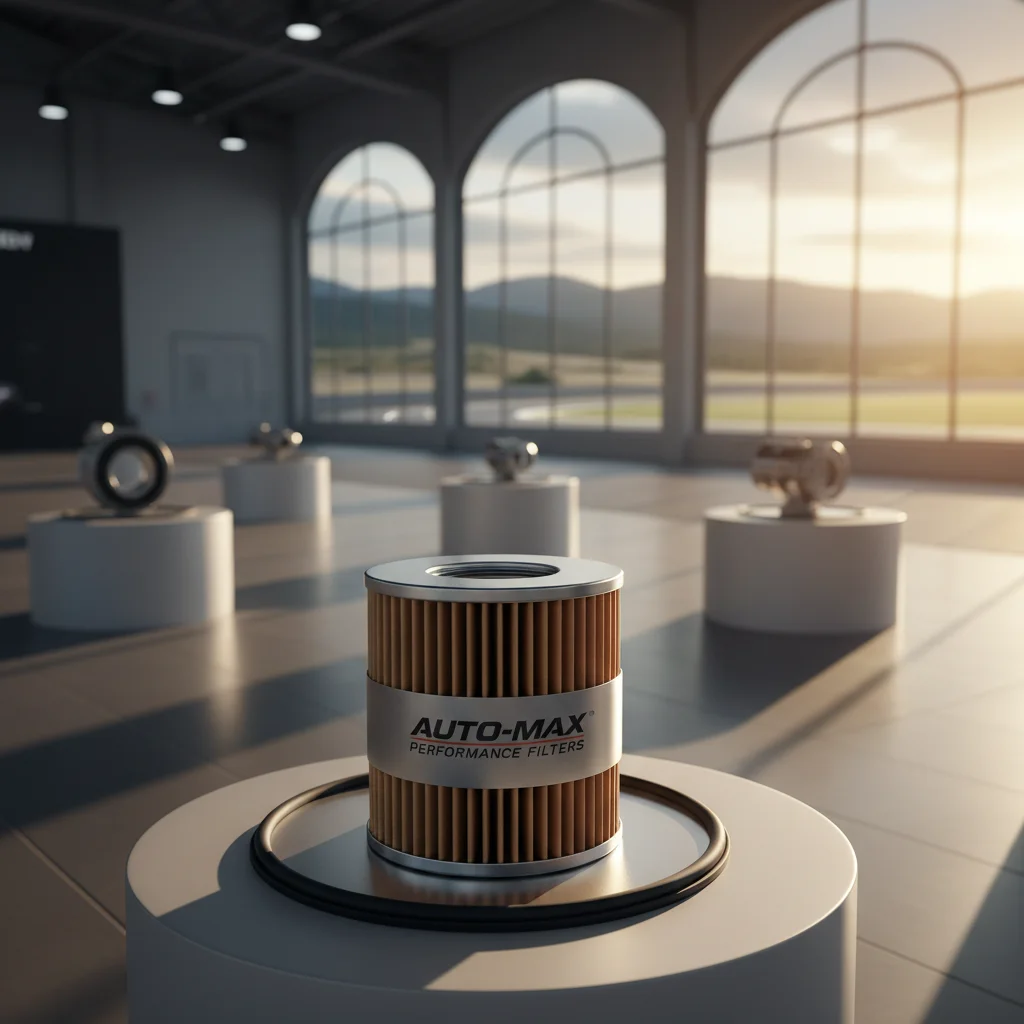
Maintaining optimal engine health starts with the air it breathes. In the demanding world of automotive performance, the role of a high flow air filter is critical, as it balances the need for maximum air intake with the necessity of blocking harmful contaminants. For luxury and high-performance vehicles like Land Rover, ensuring that the engine receives a steady, clean stream of oxygen is the difference between peak efficiency and premature wear.
Across the global automotive industry, there is a growing shift toward components that not only meet OEM standards but enhance the natural capabilities of the engine. Whether dealing with the dusty terrains of off-road adventures or the smog-filled arteries of urban commutes, the demand for superior filtration remains constant. The challenge lies in reducing restriction without sacrificing the protection of the engine's internal components.
By integrating a high flow air filter, vehicle owners can optimize combustion efficiency and reduce the load on the intake system. This technical synergy ensures that engines—particularly complex diesel units like the 3.0 TDV6—can operate at their intended thermal and mechanical thresholds, ultimately extending the lifespan of the vehicle.

Global Impact of Advanced Engine Filtration
The global automotive supply chain is under constant pressure to improve engine longevity while adhering to stricter emissions standards. High-efficiency filtration systems play a pivotal role here, as they prevent the ingress of particulate matter that can cause catastrophic engine failure. In regions with high pollution or harsh environmental conditions, the quality of the air filter directly correlates with the vehicle's operational uptime and fuel economy.
Standardizing these components under certifications like ISO9001 and IATF16949 ensures that parts produced in hubs like Hebei, China, meet the rigorous demands of international markets. By focusing on high-performance materials, manufacturers can offer solutions that protect engines from dust, dirt, and debris, ensuring that global transport remains reliable and cost-effective.
Defining the High Flow Air Filter Mechanism
A high flow air filter is a specialized automotive component designed to allow a larger volume of air to enter the engine's combustion chamber compared to standard restrictive filters, without compromising the filtration quality. This is achieved through a precise combination of porous media and structural design that minimizes pressure drop.
In the context of modern industry, this technology addresses the paradox of needing both "more air" for power and "cleaner air" for protection. By optimizing the airflow path, these filters reduce the effort the engine must exert to "inhale," which can lead to improved throttle response and a slight increase in horsepower.
For high-end vehicles like the Land Rover Discovery 4 or Range Rover Sport, this mechanism is essential. These vehicles often operate in varied environments where a standard filter might clog too quickly or restrict the air needed for the powerful TDV6 diesel engines to function at peak efficiency.
Core Components for Maximum Filtration
The efficacy of a high flow air filter relies heavily on its material composition. The use of high-grade filter paper combined with polyurethane (PU) seals ensures that air is forced through the filtration medium rather than leaking around the edges. This airtight seal is the first line of defense against engine wear.
Durability is another core factor, achieved through reinforced construction that prevents the filter medium from collapsing under high suction pressure. A well-constructed high flow air filter maintains its geometric integrity, ensuring that the surface area remains fully utilized across the entire lifespan of the product.
Customization also plays a key role in performance. From customized dimensions to specific color coding for fleet management, the ability to tailor the filter's physical attributes allows for a direct OEM replacement that fits perfectly in the air box, eliminating the need for modifications and ensuring a seamless installation process.
Performance Metrics and Efficiency Gains
Measuring the impact of a high flow air filter involves analyzing the balance between airflow (CFM) and filtration efficiency (the percentage of particles trapped). A superior filter maximizes the air volume while maintaining a high capture rate for microscopic debris that could otherwise score cylinder walls.
When comparing different filtration methods, the focus is on reducing the restriction—known as the pressure drop—while ensuring the engine remains protected from sand, pollen, and industrial pollutants. This optimization leads to improved fuel efficiency and reduced maintenance costs over time.
Airflow Efficiency Comparison by Filter Type
Real-World Applications in Automotive Sectors
In the luxury SUV market, specifically for models like the Land Rover Range Rover Sport, the application of a high flow air filter is essential for maintaining the performance of high-torque diesel engines. These vehicles are often used in environments where air quality is unpredictable, making the high-efficiency filtration of dust and debris a priority for preventing turbocharger wear.
Beyond passenger cars, these filtration principles are applied to construction machinery and truck fleets. In these industrial contexts, where machines operate in quarries or construction sites, the ability of a filter to optimize airflow while blocking heavy grit is the primary factor in avoiding costly engine overhauls and unplanned downtime.
Long-Term Value and Sustainability Benefits
Investing in a premium high flow air filter provides tangible long-term value by extending the service intervals of the engine. By reducing the restriction of air, the engine operates more efficiently, which leads to a noticeable decrease in fuel consumption and a reduction in harmful emissions, contributing to a more sustainable automotive ecosystem.
From a logical standpoint, the cost of a high-quality filter is negligible compared to the cost of repairing a cylinder head or replacing a turbocharger damaged by particulate ingress. The reliability provided by certified IATF16949 manufacturing processes gives fleet managers and individual owners the peace of mind that their investment is protected.
Moreover, the transition toward more durable, long-life filtration materials reduces the frequency of replacements, thereby lowering the volume of waste sent to landfills. This intersection of performance and sustainability marks the next evolution in automotive maintenance.
Future Innovations in Filtration Materials
The future of the high flow air filter lies in the development of nanostructured materials and synthetic blends. Researchers are exploring ways to create filter media with "smart" pores that can adapt to different air pressures, further reducing resistance while increasing the capture rate of sub-micron particles.
Digital transformation is also entering the filtration space, with the integration of sensors that can monitor the pressure drop across the filter in real-time. This will allow for predictive maintenance, where a filter is replaced exactly when its performance dips, rather than based on a generic mileage schedule.
As the industry moves toward greener energy and hybrid systems, the requirements for air filtration will evolve, but the core goal will remain the same: providing the cleanest air possible with the least amount of restriction.
Comparative Analysis of High Flow Air Filter Material Performance
| Material Type |
Airflow Rate |
Filtration Efficiency |
Service Life |
| Standard Cellulose |
Moderate |
High |
Short |
| PU-Reinforced Paper |
High |
Very High |
Medium |
| Synthetic Blend |
Very High |
High |
Long |
| Cotton Gauze |
Highest |
Moderate |
Very Long |
| Nano-Fiber Mesh |
High |
Highest |
Medium |
| Custom Composite |
Very High |
Very High |
Long |
FAQS
Yes, by reducing the restriction in the intake system, the engine can breathe more easily, which optimizes the air-fuel mixture and improves combustion efficiency. This often results in a slight but noticeable improvement in fuel economy, especially in high-performance diesel engines like those in Land Rover vehicles.
When manufactured to ISO9001 and IATF16949 standards, a high-performance filter provides equal or superior protection. Our filters use high-grade PU and filter paper to ensure that while airflow is increased, harmful contaminants are still blocked effectively to protect the engine from internal wear.
Replacement intervals depend on the driving environment. In clean urban conditions, they can last longer than standard filters. However, if you frequently drive in dusty or off-road environments, we recommend inspecting the filter every 5,000 to 10,000 miles to ensure that airflow remains unobstructed.
Absolutely. We provide comprehensive OEM/ODM services, including free custom logo and label design. We can tailor the packaging and color of the filter to meet your brand's specific requirements, ensuring a professional presentation for your customers.
Not at all. Our filters are designed as direct OEM replacements. This means they fit exactly into the existing air box of your vehicle—such as the Land Rover Discovery 4—without requiring any modifications. Installation typically takes only a few minutes with basic tools.
We use a combination of high-density filter paper and reinforced polyurethane (PU) structures. This ensures the filter maintains its shape under high vacuum pressure, preventing the medium from collapsing and ensuring a consistent flow of clean air into the engine.
Conclusion
In summary, the implementation of a high flow air filter is a strategic upgrade for any vehicle owner prioritizing engine longevity and performance. By balancing high-volume air intake with rigorous filtration standards, these components protect critical engine parts from debris while enhancing combustion efficiency and fuel economy. From the high-torque diesel engines of Land Rover to industrial machinery, the value of precision-engineered filtration is undeniable.
As we look toward the future of automotive engineering, the integration of sustainable materials and smart monitoring will further refine the way we protect our engines. For those seeking to maximize the lifespan of their vehicles and reduce operational costs, investing in certified, high-performance filtration is the most effective path forward. We invite you to explore our comprehensive range of filtration solutions. Visit our website: www.congbenfilter.com