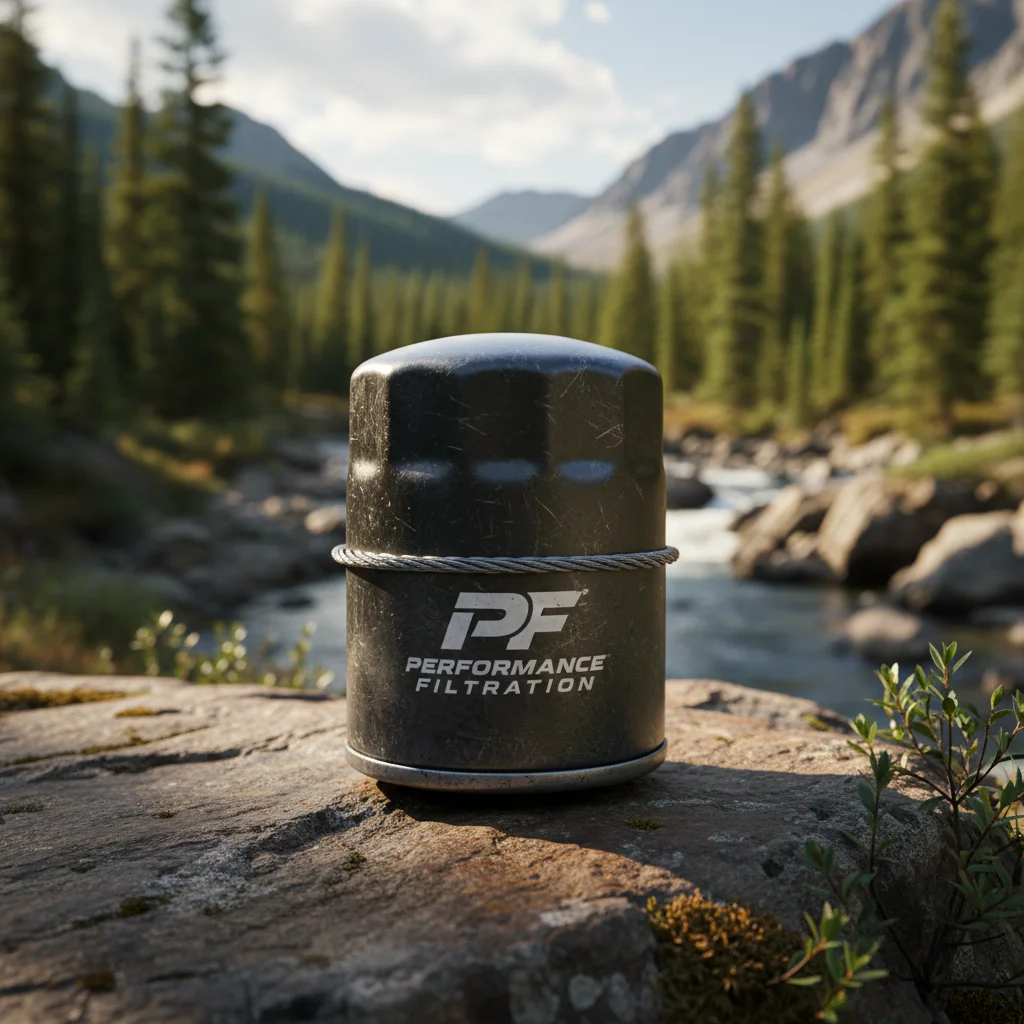
Maintaining engine longevity in the automotive manufacturing sector depends heavily on the efficiency of lubrication systems, where oem oil filters serve as the primary defense against internal wear. These components are engineered to meet precise manufacturer specifications, ensuring that the oil flow remains consistent while capturing harmful contaminants that could lead to premature engine failure.
For procurement managers and fleet operators, the challenge lies in balancing the strict quality requirements of original equipment manufacturer (OEM) standards with the operational costs of maintenance. Selecting the wrong filtration grade can lead to increased friction, decreased fuel efficiency, and potential warranty voidance, making a technical understanding of OEM specifications critical.
This analysis provides a professional framework for evaluating oem oil filters, focusing on filtration media, flow dynamics, and the procurement criteria necessary to ensure vehicle reliability across diverse automotive and industrial applications.

The Critical Role of OEM Specifications in Lubrication

OEM oil filters are not generic parts; they are precision-engineered components designed to match the specific oil pressure and flow requirements of a particular engine. The design ensures that the filter can handle the maximum pressure surges during cold starts while maintaining a steady flow of clean oil to critical engine bearings and camshafts.
By adhering to these original equipment standards, manufacturers ensure that the filtration rate matches the oil pump's capacity. Hebei Congben Vehicle Fittings Co.,Ltd. integrates these technical requirements into their production process, leveraging Japanese technology to provide components that align with international quality systems like ISO 9001 and IATF 16949.
Analyzing Filtration Media and Micronic Efficiency
The core of any high-performance filter is the media, which determines the balance between contaminant holding capacity and pressure drop. OEM filters typically utilize a blend of synthetic fibers and cellulose, designed to capture particles as small as a few microns without restricting the oil flow excessively.
Efficiency is measured by the percentage of particles trapped at a specific micron size. High-quality media prevents "channeling," where oil finds a path of least resistance through the filter, bypassing the cleaning process. This ensures that abrasive metallic shavings and carbon deposits are removed before they reach the cylinder walls.
Operational Impact of Bypass Valve Precision
A critical but often overlooked feature of oem oil filters is the bypass valve. This valve is designed to open when the filter media becomes clogged or when the oil is too viscous (such as in extreme cold), allowing unfiltered oil to reach the engine rather than risking a complete loss of lubrication.
If the bypass valve is calibrated incorrectly—either opening too early or failing to open—the engine faces severe risks. An early opening allows dirty oil to circulate, while a failed valve can lead to oil starvation. Precision calibration in the manufacturing stage is therefore essential for engine safety in demanding automotive environments.
Comparative Evaluation of Filtration Performance
When analyzing the effectiveness of different filtration approaches, we look at the relative impact of media quality and housing structural integrity on the overall efficiency of the lubrication cycle. The following conceptual index illustrates the relative performance priority across different filter categories.
This illustrative framework demonstrates that while standard filters provide basic protection, OEM-grade filters prioritize a higher balance of flow stability and particle retention, which is crucial for maintaining the tolerances of modern, high-compression engines.
Procurement Standards for High-Volume Sourcing
For B2B buyers in the automotive accessories sector, sourcing oem oil filters requires a strict verification of the manufacturer's quality management system. The ability to provide a large inventory—supported by expansive warehousing—is a key operational advantage that reduces lead times and prevents vehicle downtime.
Key procurement checkpoints should include certification audits (such as IATF 16949), the availability of OEM cross-reference data, and the capacity for customized packaging. Suppliers who can combine technical precision with competitive ex-factory pricing offer the best total cost of ownership (TCO) for distributors.
Common Failure Modes in Non-Standard Filters
Substituting OEM filters with low-grade alternatives often leads to specific failure modes. One common issue is the collapse of the internal support structure under high pressure, which can block the oil gallery and cause immediate engine seizure.
Additionally, poor-quality seals (gaskets) frequently fail to maintain a leak-proof seal, leading to oil loss and reduced pressure. These risks emphasize why professional technicians insist on filters that meet or exceed the original factory specifications for thermal stability and material durability.
Decision Framework for Filter Selection
Choosing the correct filtration solution depends on the application—whether it is for daily passenger vehicles, heavy-duty trucks, or construction machinery. The following table provides a qualitative comparison of filtration options based on operational needs.
| Filter Type | Media Composition | Best Use Case | Main Risk Factor |
|---|---|---|---|
| Standard OEM | Cellulose Blend | Daily Commuting | Medium Service Life |
| Premium OEM | Synthetic Fiber | High-Performance | Higher Initial Cost |
| Heavy Duty | Reinforced Composite | Industrial Trucks | Higher Pressure Drop |
| Budget Aftermarket | Pure Cellulose | Low-Value Fleet | Poor Micron Rating |
| Specialized | Nano-fiber Layer | Racing/Extreme | Frequent Replacement |
| Industrial | Metal Mesh/Paper | Machinery | Specific Fitment |
Ultimately, the decision should be based on the engine's specific requirements and the intended environment of operation to maximize the intervals between oil changes while ensuring maximum protection.
Frequently Asked Questions
OEM filters are designed to the exact specifications of the engine manufacturer, ensuring perfect fitment, precise bypass valve pressure, and media efficiency tailored to that specific engine's oil pump and tolerance.
The bypass valve is a safety mechanism that opens when the filter element is clogged or the oil is too thick to pass through, allowing oil to bypass the filter to ensure the engine remains lubricated, even if the oil is unfiltered.
In some jurisdictions and under specific manufacturer terms, using parts that do not meet OEM specifications can lead to warranty disputes if the part is found to be the cause of an engine failure.
Micron rating refers to the size of the particles the filter can trap. A lower micron rating means the filter can capture smaller particles, providing better protection against fine abrasive contaminants.
Replacement intervals depend on the vehicle manufacturer's guidelines and the type of oil used (synthetic vs. mineral), but generally, the filter should be replaced every time the engine oil is changed.
Yes, synthetic media generally offers higher efficiency, a greater contaminant holding capacity, and better durability under extreme temperatures compared to traditional cellulose media.
Conclusion
The selection of oem oil filters is a technical decision that directly impacts the operational lifespan of an engine. By prioritizing precise micron ratings, accurate bypass valve calibration, and high-quality media, operators can significantly reduce the risk of premature wear and unplanned downtime.
Professional buyers can review the available product information and contact the technical team at www.congbenfilter.com for application-specific requirements and high-volume sourcing solutions.