Look, after years spent on dusty construction sites, wrestling with timelines and materials, I've seen firsthand how crucial a reliable auto oil filter is. It's not just about extending engine life, though that's a big part of it. It's about preventing downtime, keeping projects on schedule, and ultimately, saving money. A good filter keeps the heart of your equipment pumping, and in this business, downtime is money. You don’t want to be stuck waiting for a replacement, especially when you’ve got a crew standing by and a deadline looming.
We're talking about heavy machinery, equipment that takes a beating day in and day out. Everything from excavators and bulldozers to generators and compressors – they all rely on clean oil. A clogged filter means reduced efficiency, increased wear and tear, and a higher risk of catastrophic failure. I've seen rigs sidelined because of preventable issues, and trust me, nobody wants that headache. The impact ripples through the entire project.
It’s not enough to just grab the cheapest filter off the shelf. You need something that can withstand the harsh conditions, the constant vibration, and the sheer volume of contaminants these machines encounter. A quality auto oil filter is an investment, plain and simple. It's a small price to pay for peace of mind and continued productivity.
The Critical Role of auto oil filter in Construction
You spend enough time dealing with weather delays, material shortages, and unexpected site conditions – the last thing you need is equipment failure. A dependable auto oil filter keeps things running smoothly, minimizing the risk of breakdowns and keeping your projects on track. We're not talking about a luxury here; we’re talking about basic operational necessity.
From a practical standpoint, clean oil directly impacts equipment performance. Dirty oil leads to increased friction, higher operating temperatures, and accelerated wear on vital components. This means more frequent repairs, shorter equipment lifespans, and ultimately, reduced profitability.
Understanding auto oil filter Construction and Materials
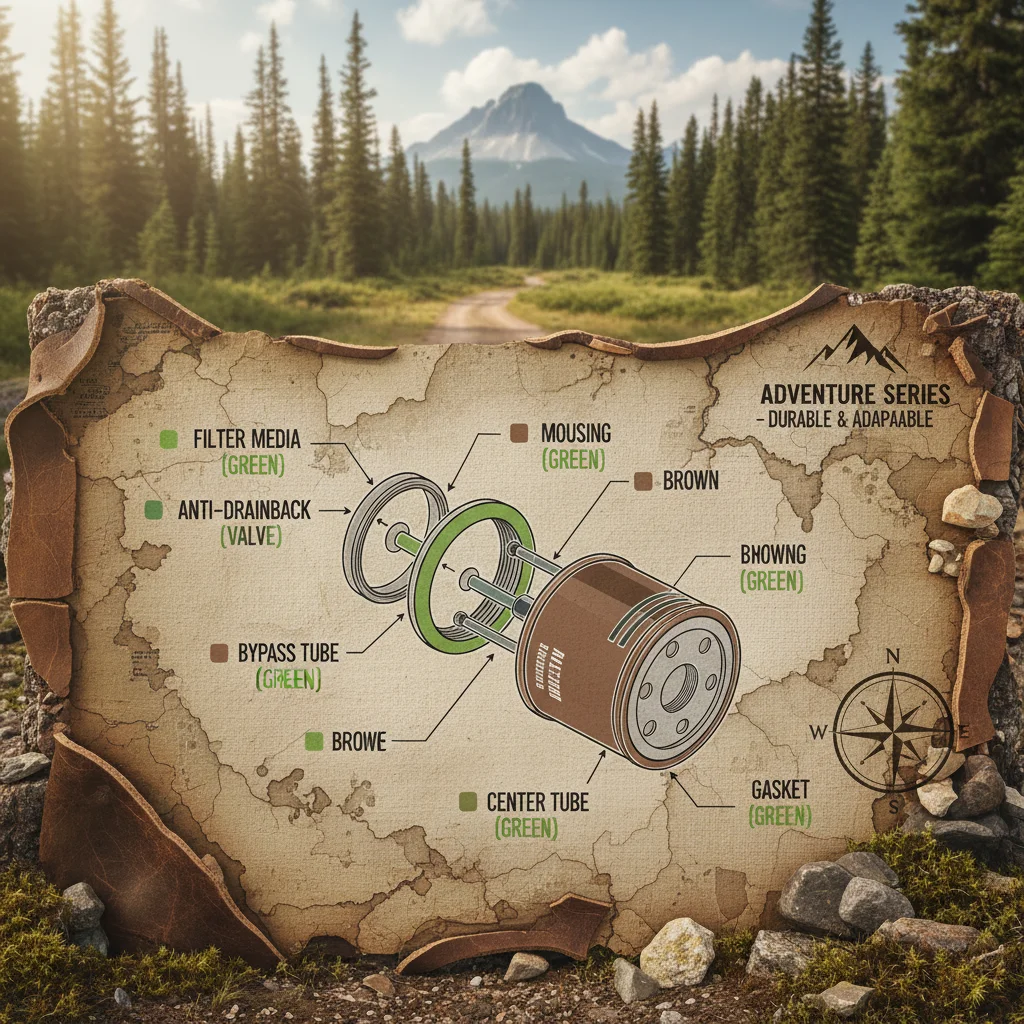
I've taken a lot of these filters apart over the years – you get a good sense of what's what when you're troubleshooting. Most are built around a core of pleated filter paper, but the quality of that paper, the pleat density, and the end caps make a huge difference. Look for filters with robust end caps – those are the first to go when pressure builds up.
The housing material matters too. Cheaper filters often use flimsy metal or plastic that can crack or warp under stress. A well-constructed filter will have a durable, corrosion-resistant housing. We've seen some fantastic improvements in synthetic filter media as well. These can handle higher temperatures and more contaminants than traditional paper filters.
The sealing gasket is another critical component. If the gasket doesn't seal properly, you're going to get bypass, meaning dirty oil circulates through the engine. Always check the gasket for damage before installing a new filter. A little preventative maintenance goes a long way.
Key Performance Indicators for auto oil filter
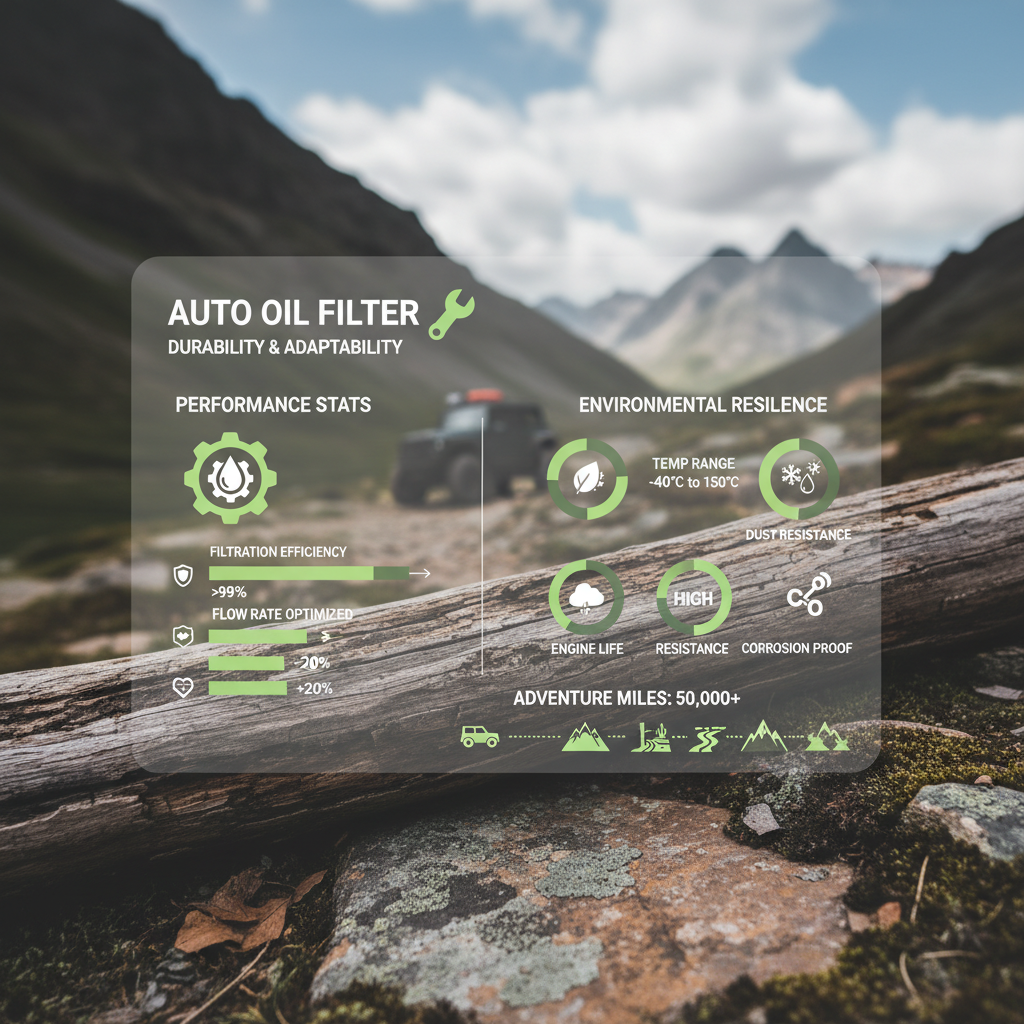
When evaluating an auto oil filter, there are a few key things I look at: contaminant holding capacity, beta ratio, and flow rate. Holding capacity tells you how much dirt the filter can trap before it becomes saturated. The beta ratio indicates the filter's efficiency at removing particles of a certain size – higher is better.
Flow rate is crucial, especially in hydraulic systems. You need a filter that can handle the oil flow without creating excessive backpressure. Backpressure reduces efficiency and can damage the pump. It's a balancing act: you want a filter that captures a lot of dirt but doesn't restrict flow.
And don't overlook burst pressure. A filter needs to be able to withstand the maximum pressure of the system. A filter failure under pressure can be a disaster.
auto oil filter Application Across Different Equipment
What works for a skid steer won’t necessarily work for a large excavator. Different machines have different oil systems and different operating conditions. We've found that selecting the correct auto oil filter for each specific application is essential.
Hydraulic filters, engine oil filters, transmission filters – they all have different requirements. For example, hydraulic systems often require filters with finer micron ratings to protect sensitive components. Engine oil filters need to handle combustion byproducts, which are a different type of contaminant.
auto oil filter Performance by Equipment Type
The Economic Benefits of Investing in Quality auto oil filter
Look, I get it. Everyone's watching the budget. But skimping on auto oil filter is a false economy. A good filter extends equipment life, reduces repair costs, and minimizes downtime. Those savings add up quickly.
Consider the cost of a major engine overhaul versus the cost of a few high-quality filters. It's a no-brainer. Plus, reduced downtime means you can complete projects faster, increasing your overall profitability. It's not just about avoiding breakdowns; it's about maximizing uptime and efficiency.
Maintenance and Best Practices for auto oil filter
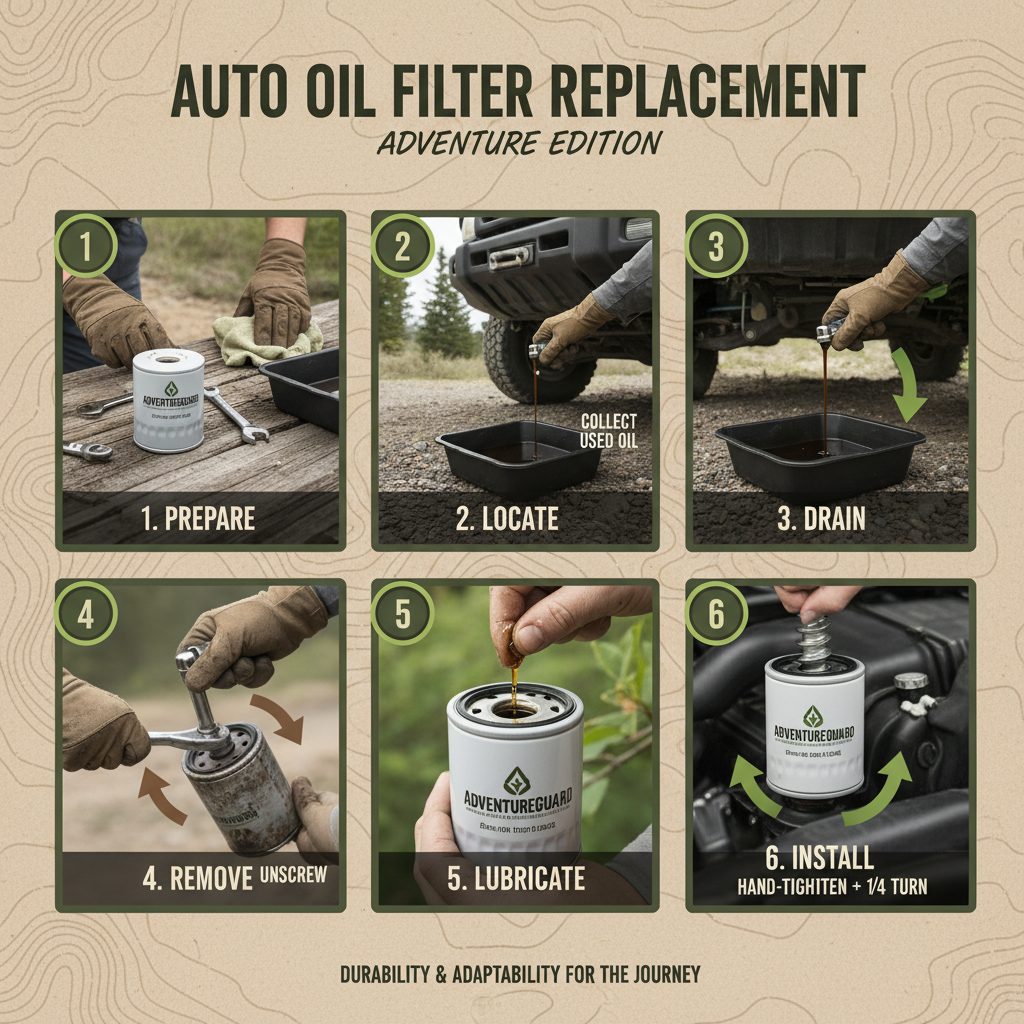
Regular filter changes are essential, of course. But it's not just about sticking to a schedule. You need to consider the operating conditions. If you're working in a dusty environment, you'll need to change your filters more frequently.
Always check the oil level and condition before changing the filter. And be sure to properly dispose of used filters and oil. Environmental responsibility is important. Also, pre-filling the filter with clean oil can help reduce wear on the engine during startup.
Future Trends and Innovations in auto oil filter Technology
We're seeing some exciting developments in filter technology. Self-cleaning filters are starting to gain traction. These filters use a variety of methods to remove contaminants without needing to be replaced as often. It could be huge for reducing maintenance costs.
Smart filters with sensors that monitor filter condition and alert you when it's time for a change are also on the horizon. This predictive maintenance approach can help prevent unexpected breakdowns and optimize filter replacement intervals. And of course, advancements in filter materials continue to improve performance and durability.
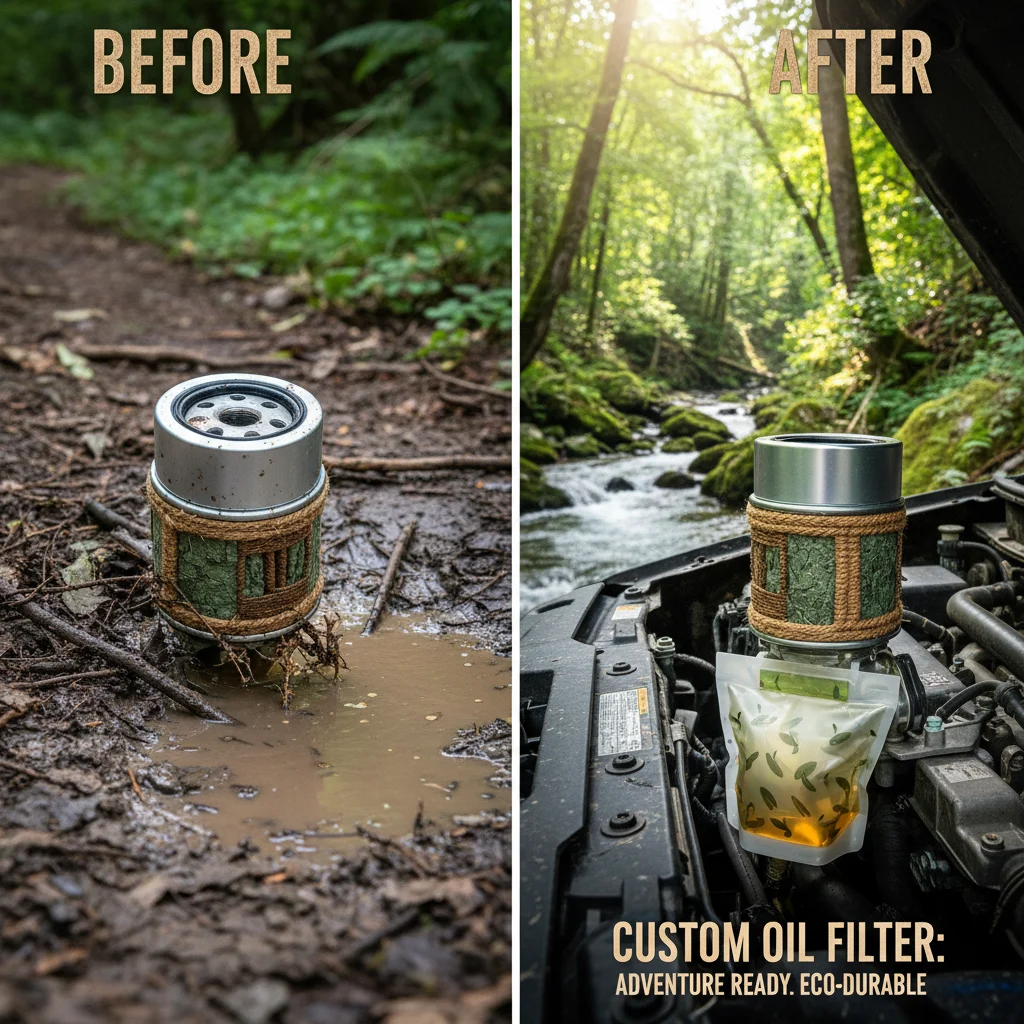
The move towards more sustainable filter materials is also important. We’re looking at biodegradable and recyclable filter media to reduce environmental impact.
Summary of Auto Oil Filter Key Characteristics
| Filter Type |
Micron Rating |
Flow Rate (GPM) |
Typical Application |
| Engine Oil Filter |
10-25 micron |
5-15 GPM |
Diesel Engines |
| Hydraulic Filter |
3-10 micron |
10-30 GPM |
Excavator Hydraulics |
| Transmission Filter |
20-40 micron |
3-8 GPM |
Automatic Transmissions |
| Fuel Filter |
2-5 micron |
2-10 GPM |
Diesel Fuel Systems |
| Air Filter (pre-filter) |
50-100 micron |
100-200 CFM |
Engine Air Intake |
| Return Line Filter |
10-20 micron |
5-12 GPM |
Hydraulic Return Lines |
FAQS
Full-flow filters route all the oil through the filter media, providing maximum protection. Bypass filters allow some oil to bypass the filter, ensuring lubrication even if the filter becomes clogged. Bypass filters generally have a finer micron rating and are used for polishing the oil over a longer period. Knowing which your equipment needs is critical for optimal performance.
It depends on the equipment, operating conditions, and oil type. A general rule of thumb is to change the filter every time you change the oil. However, in dusty environments or with heavy use, you may need to change it more frequently. Always consult your equipment's operator manual for specific recommendations.
The ideal micron rating depends on the application. For general engine protection, a 10-25 micron filter is usually sufficient. For hydraulic systems, a finer rating of 3-10 micron is recommended. Choosing the right micron rating ensures optimal filtration without restricting oil flow.
While cheaper filters may seem appealing, they often compromise on quality and performance. They may use inferior filter media, have weaker end caps, and lack the proper sealing gaskets. Investing in a quality auto oil filter will save you money in the long run by preventing breakdowns and extending equipment life.
Common signs include decreased engine power, increased oil pressure, a flickering oil pressure warning light, and unusual engine noises. If you notice any of these symptoms, it’s important to check and replace the filter immediately to prevent further damage.
Used oil filters contain residual oil and should be disposed of properly to prevent environmental contamination. Most auto parts stores and recycling centers will accept used filters for recycling. Do not simply throw them in the trash.
Conclusion
Ultimately, the auto oil filter isn’t just a part; it's a critical component of any construction operation. From protecting expensive machinery to ensuring project timelines are met, a quality filter is an investment that pays dividends. Understanding the nuances of filter construction, performance indicators, and proper maintenance is key to maximizing efficiency and minimizing downtime.
Moving forward, we'll see even more innovation in filter technology. Staying informed about these advancements and adopting best practices will be essential for keeping your equipment running smoothly and your projects on schedule. Don't underestimate the power of a good filter – it can be the difference between a successful project and a costly setback.