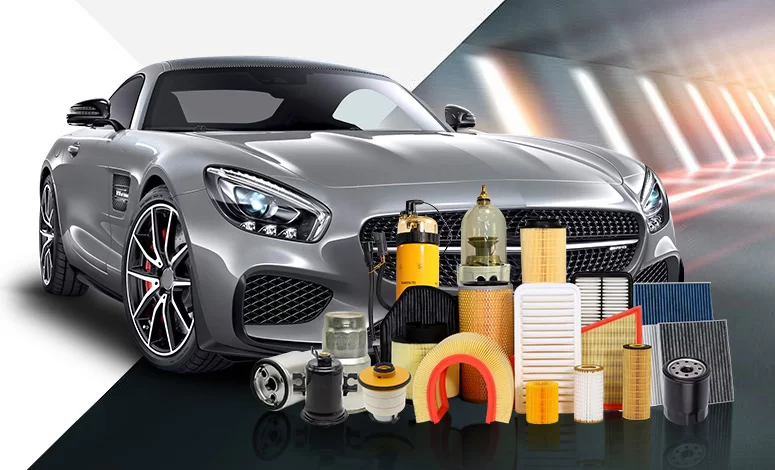
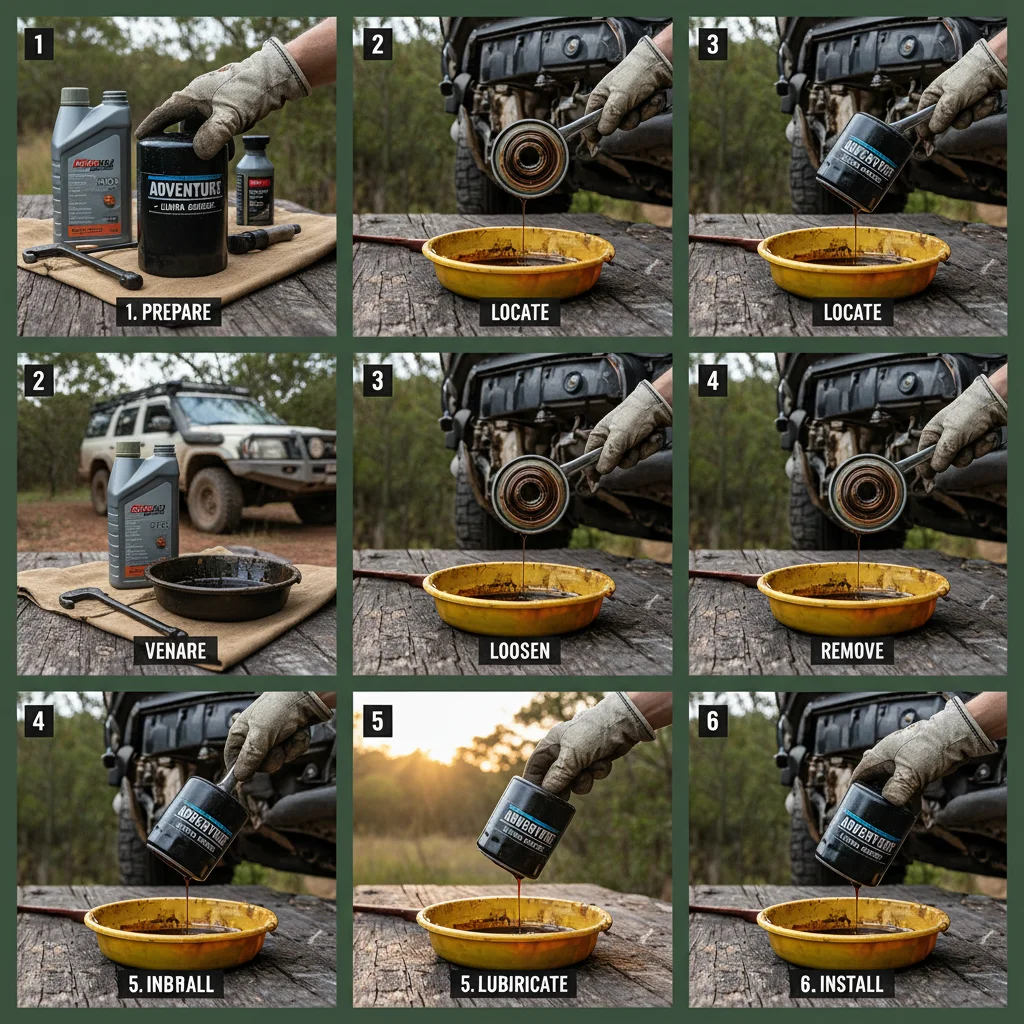
The internal combustion engine is a marvel of engineering, but its longevity depends entirely on the purity of its lubrication. An oil filter automotive serves as the primary defense mechanism, trapping microscopic contaminants, carbon deposits, and metallic shavings that naturally occur during engine operation. Without an efficient filtration system, these particles act like sandpaper, accelerating wear on pistons, bearings, and cylinder walls, eventually leading to catastrophic engine failure.
On a global scale, the demand for high-performance filtration has surged as vehicle owners seek to extend the service life of their engines amidst rising vehicle costs. From the heavy-duty requirements of commercial logistics in North America to the dense urban commuting environments of East Asia, the role of an oil filter automotive is critical in maintaining fuel efficiency and reducing harmful emissions. Ensuring that the engine oil remains pristine is not just a maintenance chore; it is a strategic necessity for operational reliability.
Understanding the nuances of oil filtration—ranging from micron ratings to the chemical composition of synthetic blends—allows fleet managers and car owners to optimize their maintenance schedules. By integrating superior filtration technology, the automotive industry can significantly reduce the environmental footprint of vehicles by preventing premature engine scrap and optimizing oil consumption. This guide explores the technical depths and practical applications of the modern oil filter to ensure peak automotive performance.

Global Importance of Oil Filter Automotive
The global automotive supply chain relies heavily on the standardization and quality of components like the oil filter automotive. With over 1.4 billion vehicles on the road worldwide, the cumulative impact of filtration efficiency directly correlates with global CO2 emissions and resource depletion. ISO standards have pushed manufacturers to move beyond simple mesh screens to complex synthetic media that can capture particles as small as 10 microns, ensuring that engines operating in harsh climates—from the Sahara to the Arctic—maintain structural integrity.
In emerging markets, where vehicle maintenance often lacks professional oversight, the availability of durable and affordable oil filters is a primary factor in increasing the average vehicle lifespan. By preventing the premature degradation of engine oil through superior contaminant removal, these components reduce the frequency of expensive engine overhauls. This stability in transportation infrastructure is vital for economic growth, as it ensures that logistics and passenger transport remain uninterrupted and cost-effective.
Defining the Oil Filter Automotive Mechanism
In its simplest form, an oil filter automotive is a pressurized canister containing a filtration medium designed to remove impurities from engine oil before it circulates back into the engine's critical moving parts. As oil is pumped through the filter, the medium captures carbon, metal shavings, and dirt, while the "anti-drainback valve" prevents oil from flowing backward into the pan when the engine is off, ensuring immediate lubrication upon the next start-up.
Beyond the basic mechanical function, this component represents a critical intersection of chemistry and physics. Modern filters use a combination of cellulose fibers and synthetic polymers to create a "tortuous path" for the oil. This ensures that while the oil flows freely to maintain pressure, particles are trapped through a combination of inertial impaction, interception, and diffusion, effectively scrubbing the lubricant of any harmful agents.
The connection to modern industrial needs is evident in the shift toward "extended drain intervals." As engine manufacturers increase the time between oil changes to reduce waste, the oil filter automotive must be capable of holding a larger volume of contaminants without restricting flow. This evolution has transformed the filter from a simple consumable into a high-tech component essential for the sustainability of modern transportation.
Core Components of High-Efficiency Filtration
Durability is the cornerstone of any oil filter automotive. The outer shell, typically made of high-grade steel, must withstand extreme pressure spikes during cold starts and high-temperature environments without leaking or bursting. A failure in the housing could lead to immediate oil loss and total engine seizure, making the structural integrity of the canister a non-negotiable safety requirement.
The filtration media is where the actual "work" happens. High-performance oil filter automotive units utilize synthetic blend media, which offers a superior balance between flow rate and filtration efficiency. Unlike traditional paper filters, synthetic fibers are more uniform and resistant to chemical breakdown, allowing them to capture more contaminants over a longer period without clogging.
Finally, the bypass valve serves as a critical fail-safe. In the event that an oil filter automotive becomes completely clogged, the bypass valve opens to allow unfiltered oil to reach the engine. While unfiltered oil is not ideal, it is infinitely better than no oil at all, preventing the engine from overheating and locking up in emergency scenarios.
Performance Metrics and Cost Efficiency
Evaluating the effectiveness of an oil filter automotive requires looking at the Beta Ratio—a measure of the filter's efficiency at capturing particles of a specific size. A higher Beta Ratio indicates a more "surgical" filtration process, which is essential for high-performance engines and turbocharged systems where tolerances are measured in microns. Balancing this efficiency with the flow rate is key to maintaining optimal oil pressure across all RPM ranges.
From a commercial perspective, cost efficiency is not about the purchase price of the filter, but the Total Cost of Ownership (TCO). A cheaper, low-quality filter may save a few dollars upfront but can lead to increased engine wear and shorter oil life. Investing in a premium oil filter automotive reduces the frequency of unplanned repairs and enhances the resale value of the vehicle by ensuring a healthier engine history.
Comparison of Oil Filter Automotive Filtration Efficiency
Global Applications and Industrial Use Cases
The application of an oil filter automotive varies wildly depending on the operational environment. In the logistics sector, long-haul trucks operating in dusty, remote industrial zones require heavy-duty filters with reinforced seals to prevent contamination from entering the system. In these contexts, the filter is not just a part; it is a critical component of fleet uptime, where a single failure can lead to thousands of dollars in lost revenue.
Conversely, in urban passenger vehicles, the focus shifts toward environmental compliance and fuel economy. In highly regulated regions like the European Union, oil filters are designed to maximize the life of synthetic oils, reducing the volume of waste oil generated. Whether it is a compact city car or a massive construction vehicle, the oil filter automotive is the invisible guardian that ensures mechanical components operate within their designed parameters regardless of the geography.
Long-Term Value and Reliability Advantages
The most tangible benefit of using a high-quality oil filter automotive is the significant extension of engine life. By consistently removing abrasive particles, the filter reduces the friction coefficient between moving parts. This leads to lower operating temperatures and prevents the formation of sludge—a thick, gel-like substance that can block oil passages and starve the engine of lubrication.
Beyond the mechanical advantages, there is a profound psychological value: trust. A vehicle owner who knows they are using a premium oil filter automotive experiences peace of mind during long journeys. This reliability is essential for emergency services, where the failure of a vehicle's engine during a critical call is not an option.
Furthermore, the shift toward sustainable filtration is adding social value. Modern filters are being developed with recyclable materials, reducing the environmental impact of disposal. By combining mechanical reliability with ecological responsibility, the automotive industry is transforming a basic maintenance part into a symbol of innovation and sustainability.
Future Trends in Automotive Filtration Technology
The future of the oil filter automotive is being shaped by the rise of hybrid powertrains and "intelligent" engine monitoring. We are seeing the emergence of "smart filters" equipped with sensors that can monitor oil degradation and particle saturation in real-time. Instead of following a rigid time-based schedule, vehicles will soon notify owners exactly when a filter needs replacement based on actual condition, eliminating waste and maximizing protection.
Material science is also evolving, with the introduction of nano-fiber media. These materials can capture particles that were previously invisible to traditional filters while maintaining an incredibly high flow rate. This allows for smaller, more lightweight oil filter automotive designs that do not compromise on performance, aligning with the industry's goal of reducing overall vehicle weight to improve fuel efficiency.
Additionally, the move toward green energy is forcing a redesign of filtration for bio-lubricants. As the world shifts away from petroleum-based oils, filters must be chemically compatible with biodegradable lubricants to prevent corrosion and degradation of the filter media. The following table summarizes the transition from traditional to next-generation filtration.
Comparative Evolution of Oil Filter Automotive Technology
|
Technology Era
|
Filter Medium
|
Efficiency Rating
|
Primary Benefit
|
|
Traditional
|
Cellulose/Paper
|
Moderate (20-30μm)
|
Low Cost / Basic Protection
|
|
Modern Standard
|
Synthetic Blend
|
High (10-20μm)
|
Extended Oil Life
|
|
High Performance
|
Full Synthetic
|
Very High (5-10μm)
|
Maximum Wear Reduction
|
|
Industrial Heavy Duty
|
Reinforced Composite
|
High (15-25μm)
|
Extreme Environment Stability
|
|
Next-Gen (Upcoming)
|
Nano-fiber Mesh
|
Ultra-High (<5μm)
|
Near-Perfect Lubricant Purity
|
|
Smart Filtration
|
Sensor-Integrated Media
|
Dynamic Monitoring
|
Predictive Maintenance
|
FAQS
Typically, an oil filter should be replaced every time you change your engine oil. While some high-end synthetic filters claim to last for two oil changes, most experts recommend a 1:1 ratio to ensure that new, clean oil isn't immediately contaminated by old particles trapped in a used filter. Depending on your driving conditions (e.g., heavy idling or dusty roads), you may need to replace it more frequently to maintain engine health.
Low-quality filters often use inferior cellulose paper that can tear or collapse under high pressure, allowing unfiltered oil and contaminants to circulate through the engine. Furthermore, cheap filters may have poor-quality gaskets that lead to oil leaks. Over time, this increased wear on engine bearings and cylinder walls can lead to premature engine failure, far outweighing the small initial savings of a budget filter.
Yes, although most filters have a bypass valve to prevent total oil starvation. When a filter is clogged, the bypass valve opens, allowing unfiltered oil to lubricate the engine. While this prevents immediate seizure, the circulating contaminants act as abrasives, gradually wearing down internal components. If the bypass valve fails or is absent, a clogged filter can lead to a complete loss of oil pressure and catastrophic engine failure.
A spin-on filter is a complete assembly consisting of a metal canister, filter media, and a gasket; you simply unscrew the old one and screw on a new one. A cartridge filter consists only of the replaceable filtration medium, which is inserted into a permanent housing built into the engine. Cartridge filters are more environmentally friendly as they reduce metal waste, whereas spin-on filters are often preferred for their ease of installation and convenience.
While synthetic oils will work with standard filters, it is highly recommended to use a synthetic-blend or full-synthetic oil filter. Synthetic oils are designed to last longer and clean the engine more aggressively. A standard paper filter may clog faster as the synthetic oil lifts more deposits from the engine walls, or the filter media may degrade before the oil does. Matching a synthetic oil with a synthetic filter maximizes the benefits of the lubricant.
Signs of a failing or clogged filter include a drop in oil pressure (often indicated by a warning light on the dashboard), an increase in engine noise (such as ticking or knocking), and a noticeable decrease in fuel efficiency. In severe cases, you may see oil leaking from the filter canister itself due to a failed gasket. Regular inspections and adhering to the manufacturer's maintenance schedule are the best ways to avoid these issues.
Conclusion
The oil filter automotive is far more than a simple maintenance accessory; it is the fundamental guardian of an engine's internal health. From the meticulous selection of synthetic media to the critical safety of the bypass valve, every element of the filter is engineered to combat the inevitable wear and tear of combustion. By prioritizing high-efficiency filtration, vehicle owners and fleet managers can ensure maximum engine longevity, reduced emissions, and significantly lower long-term operational costs.
Looking forward, the integration of nano-materials and smart sensing technology will further refine how we maintain our vehicles, moving us toward a future of predictive, zero-waste maintenance. Whether you are managing a commercial fleet or maintaining a personal car, investing in premium filtration is the most cost-effective insurance policy you can buy for your engine. For industry-leading filtration solutions and expert guidance, we invite you to explore our comprehensive range. Visit our website: www.congbenfilter.com