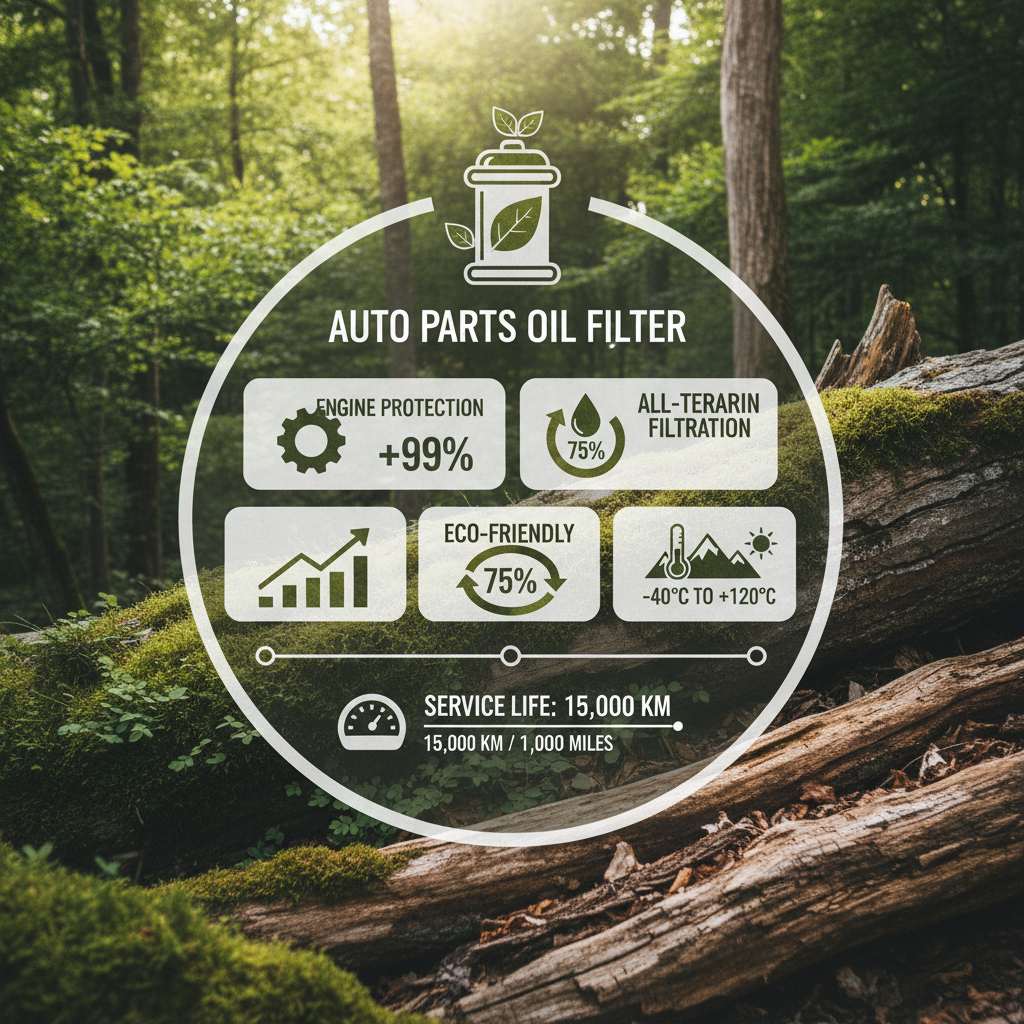
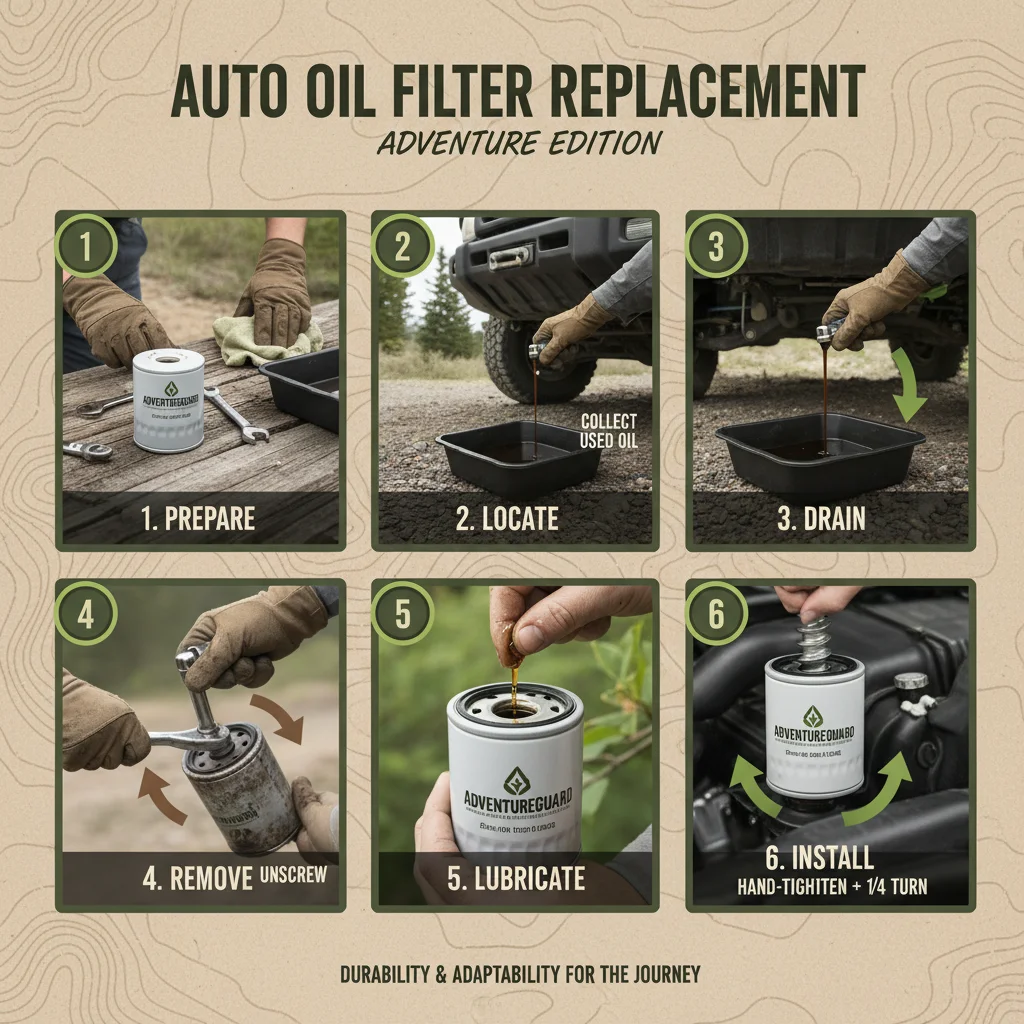
The global automotive industry relies heavily on reliable and efficient components, and the auto parts oil filter stands as a critical element in engine performance and longevity. These filters are not simply aftermarket accessories; they are integral to maintaining optimal oil quality, protecting vital engine parts from wear, and ultimately ensuring vehicle reliability. Understanding the nuances of auto parts oil filters, from their construction and filtration capabilities to their maintenance schedules, is crucial for both vehicle owners and industry professionals alike.
The demand for high-quality auto parts oil filter is directly tied to the increasing global vehicle parc, particularly in emerging markets. According to recent statistics from the International Organization of Motor Vehicle Manufacturers (OICA), global vehicle production continues to rise, creating a sustained need for replacement filters. This demand is further amplified by increasingly stringent emission standards and the growing complexity of modern engines, which require more effective filtration systems. Addressing challenges related to counterfeit filters and ensuring consistent quality are paramount.
Proper oil filtration isn’t just about extending engine life; it's about environmental responsibility. Effective filters prevent harmful contaminants from entering the environment through exhaust emissions and improper oil disposal. Investing in high-quality auto parts oil filter aligns with both economic practicality and sustainable practices.

The Core Principles of Auto Parts Oil Filter Technology
The fundamental principle behind any auto parts oil filter is its ability to remove contaminants from engine oil. These contaminants, including dirt, metal particles, and combustion byproducts, can cause significant wear and tear on engine components if left unchecked. The efficiency of a filter is determined by its micron rating—a smaller micron rating indicates the filter’s ability to capture smaller particles.
Modern oil filters employ a variety of filtration media, including cellulose, synthetic fibers, and blends, each offering different levels of filtration efficiency and durability. Filter construction also plays a vital role, with robust housing and proper sealing mechanisms crucial for preventing bypass and ensuring that all oil passes through the filtration media.
The Global Impact of Auto Parts Oil Filter Quality
The quality of auto parts oil filter directly impacts vehicle lifespan and overall operating costs. Inferior filters can lead to premature engine wear, reduced fuel efficiency, and even catastrophic engine failure. This has global economic implications, as vehicle downtime and repair costs can significantly affect both individual consumers and commercial fleets.
Furthermore, the proliferation of counterfeit filters poses a serious threat to the automotive industry. These substandard products often fail to meet performance specifications and can cause severe engine damage. Regulatory bodies and industry organizations are actively working to combat the production and distribution of counterfeit filters through stricter enforcement and consumer awareness campaigns.
The environmental impact is also significant. Poorly performing filters contribute to increased emissions and improper oil disposal, exacerbating environmental pollution. Selecting high-quality, certified auto parts oil filter is therefore a critical step toward sustainable automotive practices.
Defining Auto Parts Oil Filter: A Technical Overview
An auto parts oil filter is a vital component of an internal combustion engine's lubrication system. Its primary function is to remove contaminants from the engine oil, protecting critical engine parts from wear and ensuring optimal performance. It typically consists of a housing, a filtration media, an anti-drainback valve, and a bypass valve.
The filtration media, usually made of pleated paper, synthetic fibers, or a combination of both, traps particles of varying sizes. The anti-drainback valve prevents oil from flowing back into the oil pan when the engine is off, ensuring immediate lubrication upon startup. The bypass valve allows oil to flow around the filter if it becomes clogged, preventing oil starvation, though at a reduced filtration level.
The effectiveness of an auto parts oil filter is measured by its beta ratio, which indicates the number of particles of a given size that the filter can remove. A higher beta ratio signifies greater filtration efficiency. Different filter designs cater to various engine types and operating conditions, with full-flow filters processing all the oil and bypass filters handling a portion of the flow.
Key Performance Indicators for Auto Parts Oil Filter
Several key performance indicators (KPIs) determine the quality and effectiveness of an auto parts oil filter. These include filtration efficiency, dirt-holding capacity, flow rate, and burst pressure. Filtration efficiency, measured in microns, indicates the filter’s ability to capture particles of specific sizes.
Dirt-holding capacity refers to the amount of contaminant the filter can hold before becoming clogged, directly impacting service intervals. Flow rate determines the volume of oil that can pass through the filter per unit time, ensuring adequate lubrication. Burst pressure measures the filter’s structural integrity, indicating its ability to withstand high pressures without failure.
Auto Parts Oil Filter Performance Comparison
Global Applications and Industry Standards
Auto parts oil filter are ubiquitous across the automotive spectrum, from passenger vehicles to heavy-duty trucks and motorcycles. Their application extends to various industries, including construction, agriculture, and marine, where internal combustion engines are widely used.
Industry standards, such as those set by the American Petroleum Institute (API) and the Society of Automotive Engineers (SAE), ensure filter performance and compatibility. These standards specify requirements for filtration efficiency, dirt-holding capacity, and durability, providing consumers with confidence in product quality.
Advantages and Long-Term Value Proposition
Investing in high-quality auto parts oil filter provides numerous long-term benefits. Reduced engine wear translates to extended engine life, minimizing costly repairs and replacements. Improved oil quality enhances fuel efficiency, saving money at the pump.
The reliability of a well-maintained filtration system contributes to overall vehicle dependability, reducing downtime and increasing productivity. Environmentally, the use of effective filters minimizes harmful emissions and promotes responsible oil disposal practices.
Future Trends and Innovation in Auto Parts Oil Filter
The future of auto parts oil filter technology is focused on enhancing filtration efficiency, extending service intervals, and reducing environmental impact. Nanotechnology is being explored to create filters with even smaller pore sizes, capable of capturing ultra-fine particles.
Biodegradable filtration media are gaining traction as a sustainable alternative to traditional materials. Smart filters, equipped with sensors that monitor filter condition and oil quality, will provide real-time data for proactive maintenance. The increasing adoption of electric vehicles may eventually reduce the demand for traditional oil filters, but the need for filtration systems in other fluid systems, such as coolant and transmission fluids, will persist.
Furthermore, advancements in filter design are focused on minimizing pressure drop and maximizing oil flow, optimizing engine performance and fuel economy.
FAQS
Generally, it's recommended to change your auto parts oil filter every 3,000 to 5,000 miles or with every oil change. However, this can vary depending on your vehicle's make and model, driving conditions, and the type of oil used. Consult your vehicle's owner's manual for specific recommendations. Using a high-quality filter can sometimes allow for extended intervals, but it's always best to err on the side of caution.
Common signs of a clogged auto parts oil filter include a drop in oil pressure, engine knocking or rattling noises, reduced engine performance, and the oil change indicator light illuminating. Ignoring these signs can lead to severe engine damage, so it’s crucial to address a clogged filter promptly.
A full-flow filter directs all the engine oil through the filter media, providing continuous filtration. A bypass filter, on the other hand, filters only a portion of the oil, typically used as a secondary filtration system. Full-flow filters are the most common type, while bypass filters are often used in heavy-duty applications to extend oil life.
While cheaper filters may seem appealing, they often compromise on filtration efficiency, durability, and construction quality. This can lead to inadequate oil filtration, increased engine wear, and potential engine failure. Investing in a reputable, branded auto parts oil filter is a wise choice to protect your engine and avoid costly repairs.
The micron rating indicates the size of particles that the filter can effectively remove. A lower micron rating means the filter can capture smaller particles, providing more comprehensive filtration. However, a very low micron rating can also restrict oil flow, so it’s important to choose a filter with an appropriate micron rating for your engine.
Used auto parts oil filter contain residual oil and should be disposed of responsibly. Most auto parts stores and service centers will accept used filters for recycling. Never dispose of them in regular trash, as this can contaminate the environment. Properly draining the filter before disposal is also recommended.
Conclusion
In conclusion, the auto parts oil filter is a vital component in maintaining engine health, optimizing performance, and ensuring vehicle longevity. Understanding its function, performance indicators, and emerging technologies is crucial for both industry professionals and vehicle owners. Choosing a high-quality filter and adhering to recommended maintenance schedules are essential for maximizing its benefits.
Looking ahead, innovation in filtration media, smart filter technologies, and sustainable materials will continue to drive advancements in this critical area. By embracing these developments, we can ensure that engines operate efficiently, reliably, and with minimal environmental impact. Visit our website at www.congbenfilter.com to explore our comprehensive range of auto parts oil filters and find the perfect solution for your needs.