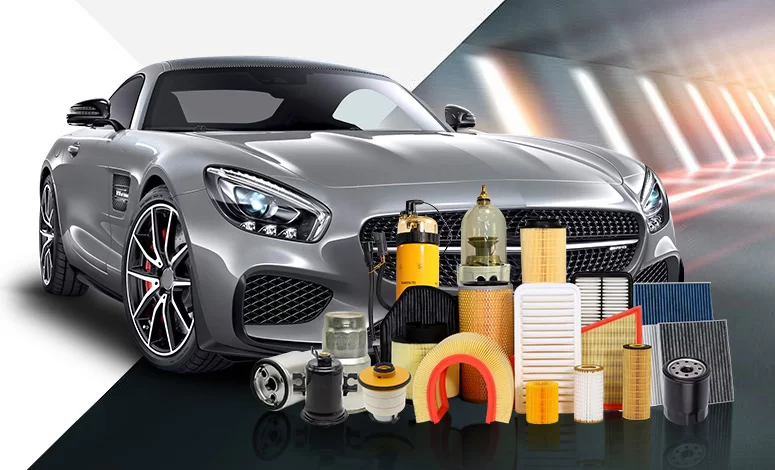
Maintaining engine longevity and peak performance in the modern automotive landscape depends heavily on the efficiency of the filtration system. At the heart of this system is the engine oil filter element, a critical component designed to remove contaminants from engine oil to prevent premature wear and catastrophic mechanical failure. By capturing microscopic metallic particles, carbon deposits, and sludge, these elements ensure that the lubricant remains pure and capable of protecting high-friction surfaces.
Across the global automotive industry, the shift toward higher-performance engines and tighter tolerances has made the quality of the oil filter more important than ever. Whether in passenger cars, heavy-duty trucks, or construction machinery, the ability of a filtration medium to balance flow rate with particle retention determines the service life of the entire powertrain. Understanding the nuances of filter media, such as synthetic blends versus cellulose, is essential for fleet managers and automotive engineers aiming to reduce downtime.
Integrating a high-quality engine oil filter element not only optimizes fuel efficiency but also aligns with global sustainability goals by extending the intervals between oil changes and reducing waste. As we move toward more stringent emission standards, the role of precision filtration becomes a cornerstone of automotive engineering, ensuring that engines operate cleanly and reliably under the most demanding conditions.

Global Relevance of Engine Oil Filter Element
On a global scale, the demand for high-efficiency filtration is driven by the massive expansion of logistics and transportation networks. With millions of internal combustion engines running daily, the engine oil filter element serves as the primary defense mechanism against oil degradation. Industry statistics suggest that a significant percentage of engine failures are linked to contaminated lubricants, highlighting the critical need for ISO-standardized filtration components that can withstand extreme thermal cycles.
In emerging markets and industrial hubs, the challenge often lies in the volatility of fuel quality and harsh operating environments. Dust-heavy regions in Africa and Asia require filter elements with superior dirt-holding capacities to prevent premature clogging. By implementing advanced filtration standards, manufacturers are able to reduce the Total Cost of Ownership (TCO) for vehicle operators, ensuring that engines remain operational longer without requiring expensive overhauls.
Definition and Technical Meaning
In simple technical terms, an engine oil filter element is a replaceable porous medium designed to trap contaminants from the engine oil while allowing the clean fluid to pass through to the engine's critical components. It acts as a molecular sieve, capturing everything from large carbon flakes to microscopic metallic shavings produced during the natural wear and tear of pistons and crankshafts.
Beyond its basic mechanical function, the filter element is integral to the overall chemical stability of the lubricant. By removing acidic combustion by-products and moisture, the element helps maintain the oil's viscosity and additive effectiveness. This symbiotic relationship between the oil and the filter is what prevents the formation of sludge, which can otherwise block oil galleries and lead to immediate engine seizure.
From an industrial perspective, the "element" refers specifically to the internal filtration media—often pleated for maximum surface area—which may be housed in a metal canister or a permanent housing. This distinction is vital for maintenance schedules, as the focus remains on the efficiency of the media's micron rating and its ability to handle the required oil flow without creating an excessive pressure drop.
Core Components and Performance Factors
The efficiency of an engine oil filter element is primarily determined by its media composition. Most high-grade elements utilize a blend of cellulose fibers and synthetic polymers to achieve a balance between filtration precision and structural integrity. This ensures that the filter does not collapse under high pressure while still capturing particles as small as 10 to 20 microns.
Durability and heat resistance are secondary but equally vital factors. A premium engine oil filter element must operate effectively at temperatures exceeding 120°C without losing its shape or leaking. The inclusion of reinforced end-caps and high-quality adhesives prevents "bypass," a dangerous condition where unfiltered oil flows around the media to avoid starvation, thereby sacrificing engine protection.
Finally, the scalability of the design—specifically the pleat density—allows for a higher "dirt-holding capacity." By increasing the total surface area within a compact volume, manufacturers can extend the service life of the element. This is particularly important for heavy-duty applications where the oil is subjected to constant stress and higher levels of contamination.
Global Applications and Industrial Use Cases
The application of the engine oil filter element extends far beyond the average passenger car. In the construction and mining sectors, where machinery operates in abrasive, dust-filled environments, these elements are engineered for extreme resilience. For instance, in remote industrial zones in Australia or Canada, specialized heavy-duty filter elements are used to ensure that hydraulic and engine systems can run for thousands of hours without failure.
In the logistics industry, particularly for long-haul trucking fleets across North America and Europe, the focus shifts toward cost-efficiency and extended drain intervals. High-capacity synthetic elements allow fleets to reduce the frequency of maintenance stops, directly impacting their bottom line and improving the reliability of supply chains. In these contexts, the filter is not just a part, but a strategic tool for operational uptime.
Performance Comparison of Oil Filter Element Technologies
Long-Term Value and Reliability Advantages
Investing in a high-performance engine oil filter element provides tangible long-term value by drastically reducing the rate of component wear. When an engine is protected by a precision filter, the friction between moving parts is minimized, which preserves the integrity of the cylinder walls and bearings. This logically leads to a significant extension of the engine's overall lifespan, transforming a low-cost consumable into a high-value insurance policy for the vehicle.
From an emotional and trust-based perspective, reliability is paramount for drivers and fleet operators. The peace of mind that comes from knowing the engine oil filter element will not fail under extreme pressure is invaluable. Moreover, as sustainability becomes a corporate mandate, the use of longer-lasting, more efficient filter elements reduces the volume of waste oil and discarded canisters entering the environment, aligning technical performance with ecological responsibility.
Future Trends in Filtration Technology
The future of the engine oil filter element is being shaped by the integration of nanotechnology and smart materials. Researchers are developing "active" filter media that can change their pore size based on oil viscosity or temperature, ensuring optimal filtration across all operating ranges. These nano-fiber coatings allow for a significant increase in particle capture without increasing the pressure drop, effectively solving the traditional trade-off between flow and filtration.
Digital transformation is also entering the filtration space through the development of sensor-integrated filter housings. Future systems may include sensors that monitor the pressure differential across the engine oil filter element in real-time, notifying the operator exactly when the element is saturated. This shifts maintenance from a rigid schedule to a "condition-based" approach, reducing unnecessary replacements and preventing unexpected failures.
Furthermore, the move toward green energy is pushing the industry toward biodegradable and recyclable filter media. As the automotive sector seeks to eliminate plastics and non-recyclable synthetics, the development of high-performance organic fibers that maintain the structural integrity of the filter element is becoming a priority. This evolution ensures that the automotive industry can continue to protect engines while minimizing its carbon footprint.
Common Challenges and Engineering Solutions
One of the most persistent challenges in filtration is the "bypass phenomenon," where oil bypasses the engine oil filter element when the filter becomes clogged or the oil is too cold (thick). While the bypass valve is a safety feature to prevent engine starvation, frequent bypass events mean the engine is running on unfiltered oil. The engineering solution lies in optimizing the pleat geometry to increase dirt-holding capacity and utilizing synthetic blends that offer lower initial flow resistance.
Another critical issue is the degradation of the filter media due to chemical additives in modern synthetic oils. Some aggressive detergents can break down lower-quality cellulose fibers, leading to "media migration" where pieces of the filter itself enter the oil stream. To combat this, manufacturers are employing chemically inert synthetic polymers and advanced resin bonding, ensuring that the engine oil filter element remains structurally sound throughout its entire service life.
Finally, the industry struggles with the consistency of aftermarket replacements. Variations in micron ratings and build quality can lead to unpredictable engine performance. The solution is the strict adherence to international standards like ISO 4548, which provides a benchmark for testing the efficiency and capacity of oil filter elements. By prioritizing certified manufacturing processes, suppliers can guarantee that their components meet the original equipment manufacturer (OEM) specifications.
Analysis of Engine Oil Filter Element Specifications by Material Type
| Material Type |
Filtration Efficiency |
Service Life (Hours) |
Cost-Effectiveness |
| Standard Cellulose |
Moderate (6/10) |
5,000 - 8,000 |
High (Budget) |
| Synthetic Blend |
High (8/10) |
10,000 - 15,000 |
Balanced |
| Full Synthetic |
Very High (9/10) |
20,000 - 30,000 |
Premium Value |
| Glass Fiber |
High (8/10) |
12,000 - 18,000 |
Moderate |
| Nano-Fiber Coated |
Extreme (10/10) |
25,000+ |
Specialized |
| Reinforced Composite |
High (7/10) |
15,000 - 20,000 |
Industrial Value |
FAQS
A full filter (spin-on) is a complete assembly including the housing and the filter media. An engine oil filter element is the internal filtration component itself, which is inserted into a permanent housing. The element is often more eco-friendly as only the media is replaced, rather than the entire metal canister.
Replacement intervals vary by vehicle and oil type. Standard cellulose elements are typically replaced every 5,000 to 7,500 miles, while high-performance synthetic elements can last up to 15,000 to 30,000 miles. Always refer to your owner's manual or follow condition-based monitoring for the best results.
Yes. Low-quality elements may have poor structural integrity, leading to media collapse or "bypass" where unfiltered oil enters the engine. Additionally, poor-grade materials can shed fibers into the oil stream, potentially clogging narrow oil galleries and causing localized overheating or bearing failure.
The micron rating indicates the size of the particles the filter is designed to trap. For example, a 20-micron filter can capture particles 20 micrometers or larger. The lower the micron rating, the "finer" the filtration, though this must be balanced with the flow rate to avoid restricting oil pressure.
Generally, yes. Synthetic elements offer superior heat resistance, a higher dirt-holding capacity, and better filtration efficiency. They are particularly recommended for vehicles using synthetic oils, as they are designed to handle the longer drain intervals that synthetic lubricants provide.
Common signs include a drop in oil pressure (indicated by a dashboard warning light) or an increase in engine noise due to insufficient lubrication. In some cases, the oil may appear darker or more sludge-like because the filter is no longer effectively removing contaminants.
Conclusion
The engine oil filter element is far more than a simple maintenance part; it is a sophisticated piece of engineering that determines the operational health and longevity of an internal combustion engine. From the selection of advanced synthetic media to the precision of its micron rating, every detail contributes to the protection of critical engine components. By balancing filtration efficiency with oil flow, these elements prevent the catastrophic effects of contamination and ensure that vehicles operate at peak efficiency regardless of the environment.
As we look toward the future, the integration of smart sensors and sustainable materials will further refine the role of filtration in automotive care. For fleet operators and individual owners alike, prioritizing high-quality, certified filter elements is the most cost-effective way to ensure reliability and reduce environmental impact. To explore our full range of professional filtration solutions and find the perfect fit for your machinery, visit our website: www.congbenfilter.com.