
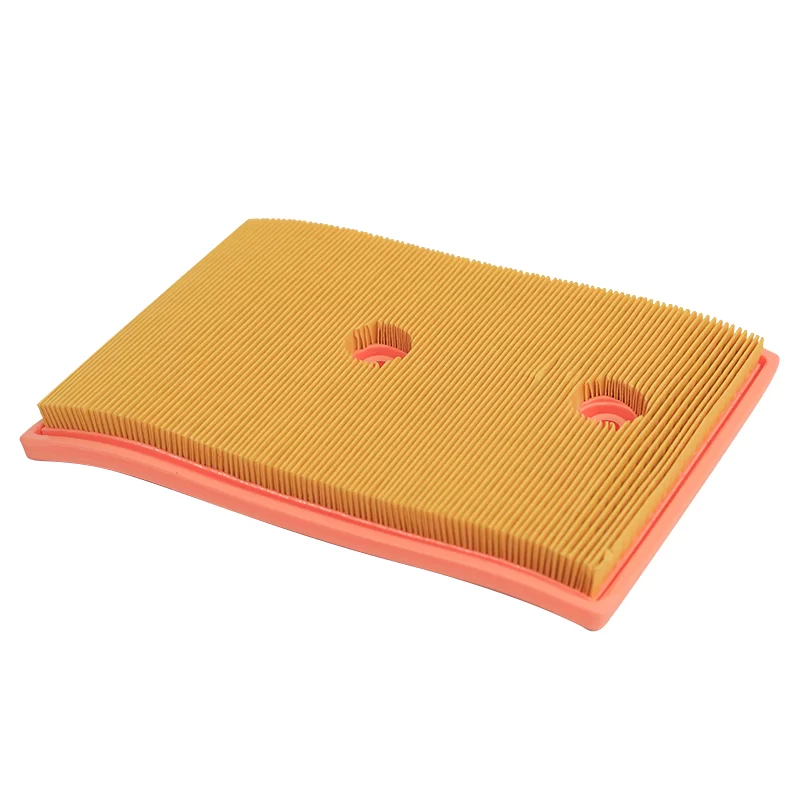
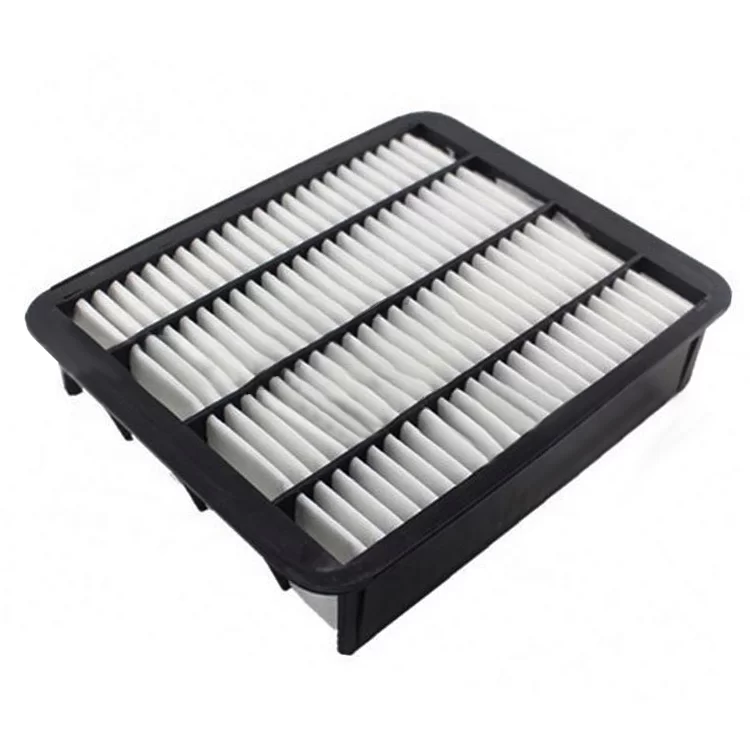
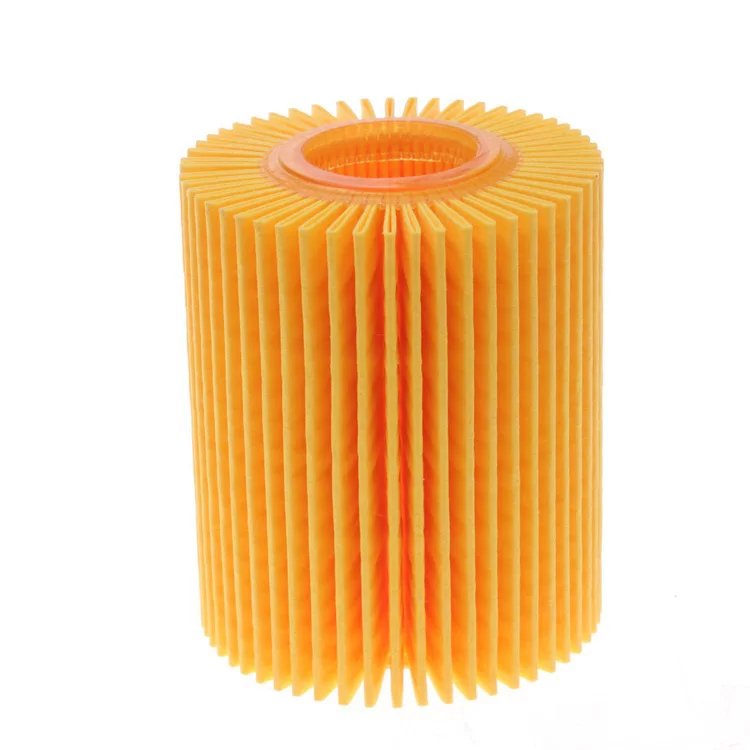
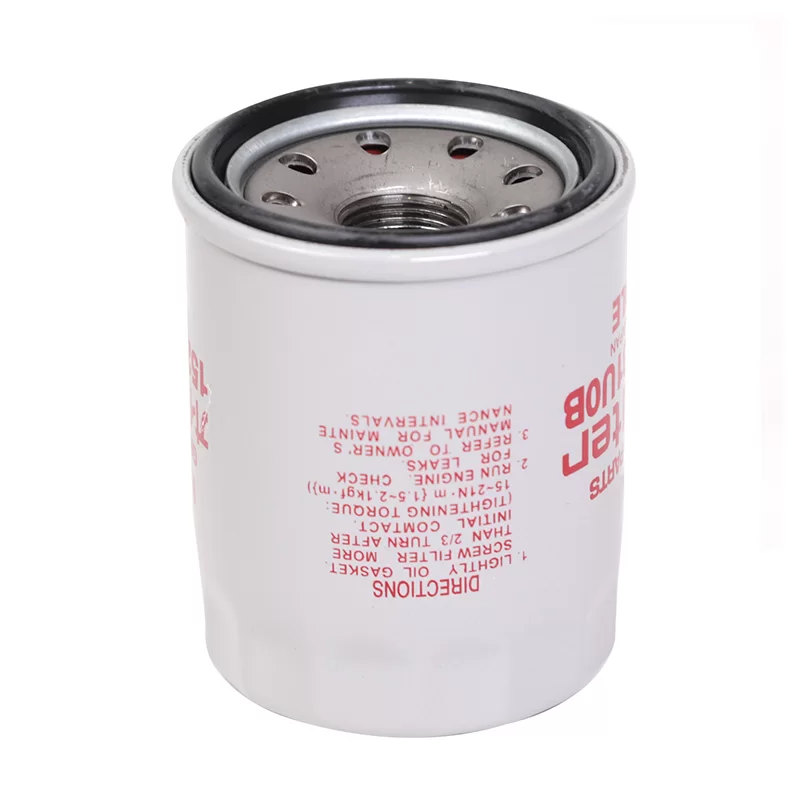
In Nigeria, the automotive landscape is characterized by high humidity and significant airborne particulate matter, particularly in urban centers like Lagos and Kano. These conditions place immense pressure on every automotive oil filter, as the engine oil quickly becomes saturated with contaminants, necessitating more frequent replacement cycles than in temperate regions.
The market currently struggles with a prevalence of low-quality generic filters that fail prematurely under high thermal stress. This leads to increased engine wear and frequent breakdowns for commercial transport vehicles, which are the backbone of the Nigerian economy. There is a growing demand for industrial-grade filtration that can withstand the "stop-and-go" traffic patterns of Nigerian megacities.
Furthermore, the diversity of the vehicle fleet—ranging from aging European imports to modern Asian compacts—requires a wide array of engine oil filter element specifications. Local workshops are increasingly shifting toward brands that offer guaranteed micron ratings and heat-resistant seals to prevent oil leakage in tropical heat.