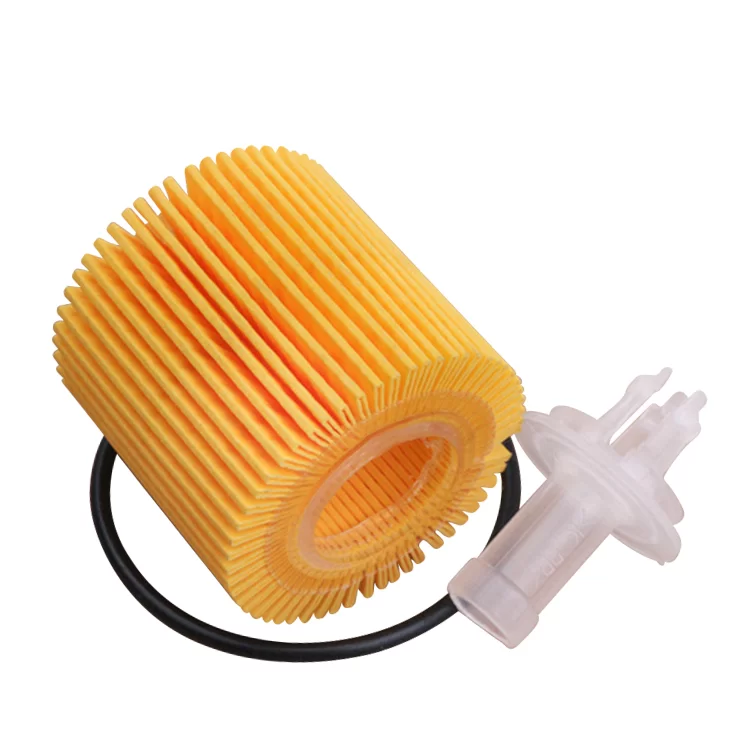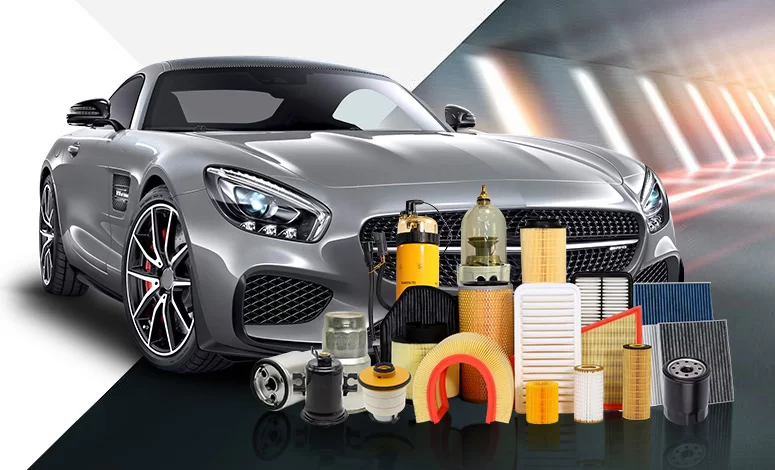

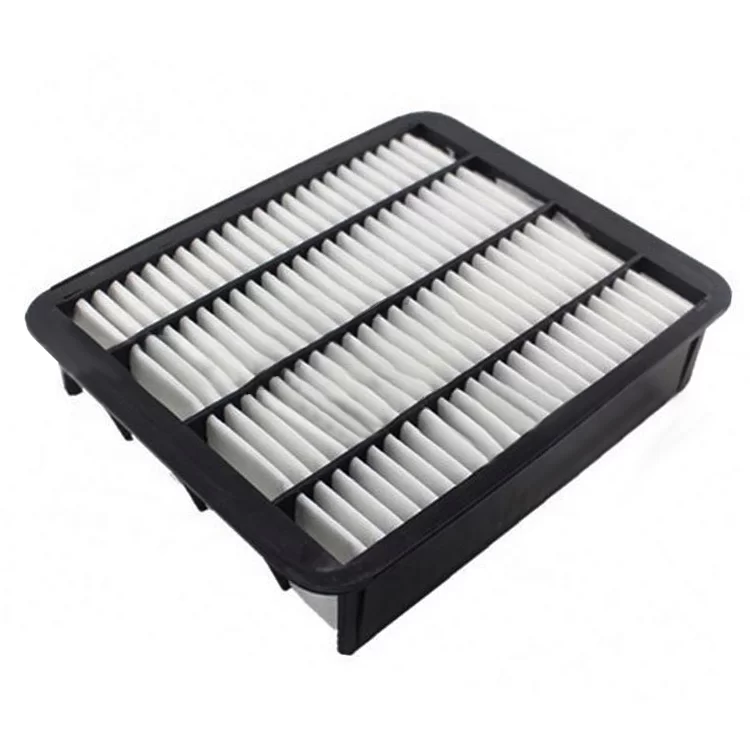
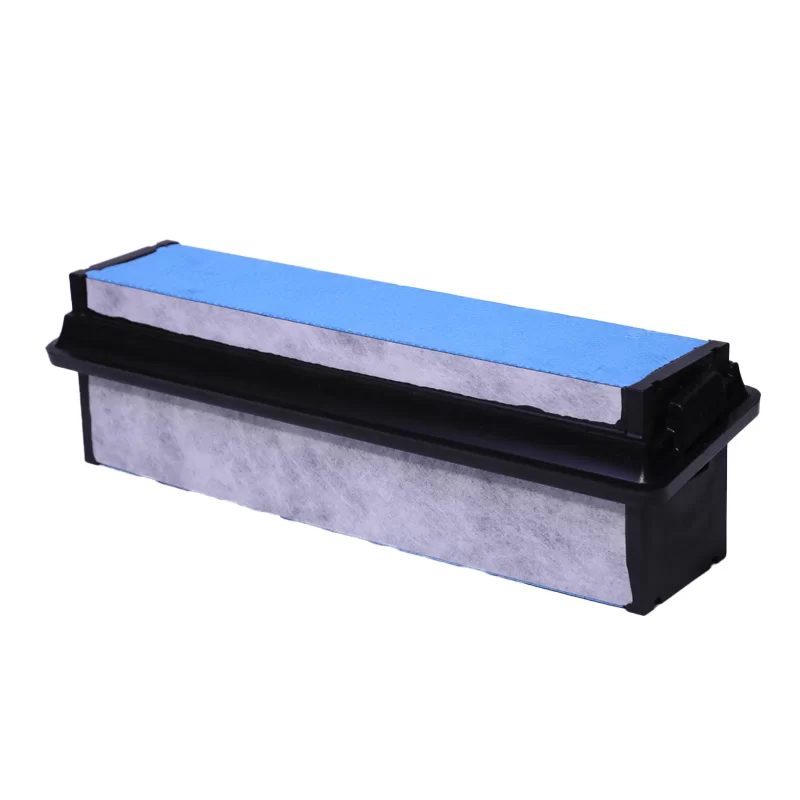
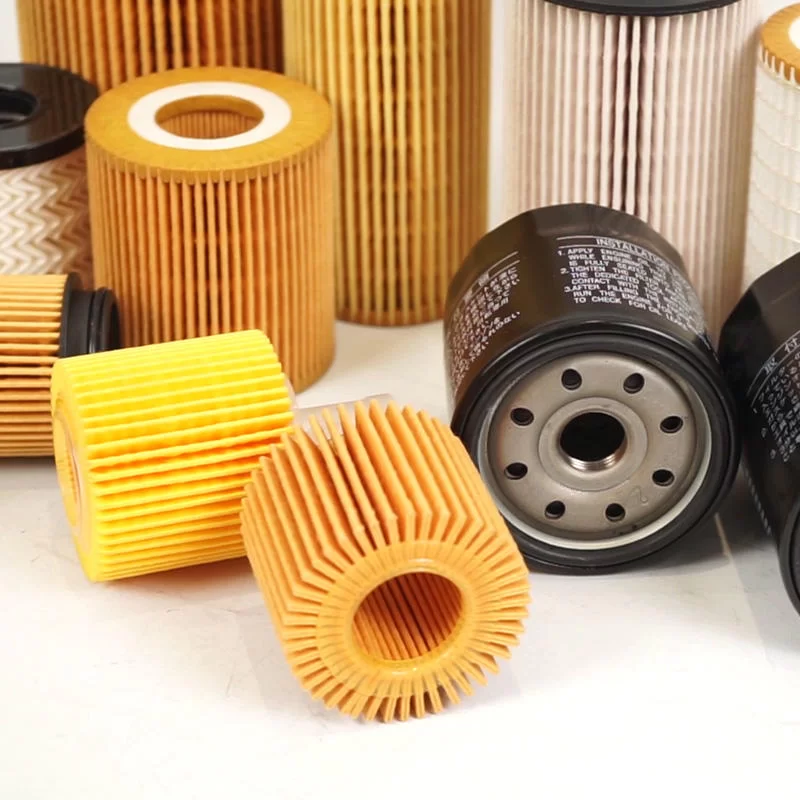
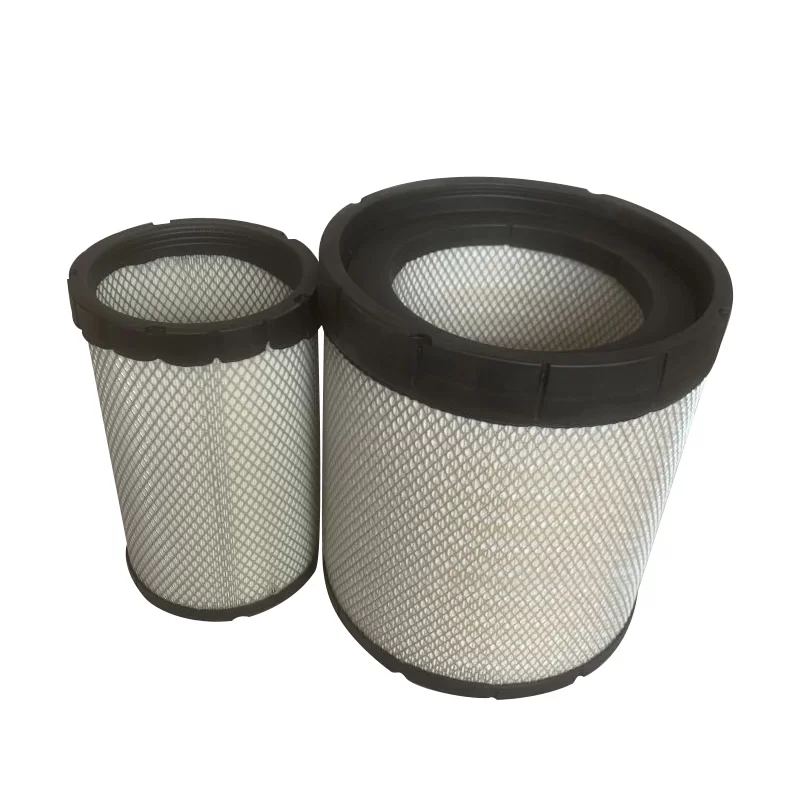
oil filters

Advanced car engine oil filter Solutions for Nigeria's Automotive Market

Engineered for durability in extreme climates, providing unmatched filtration efficiency for Nigerian vehicle fleets.

The Current State of Oil Filter Automotive Demand in Nigeria

Analyzing the intersection of harsh environmental factors and vehicle maintenance requirements in West Africa.

In Nigeria, the automotive landscape is characterized by high humidity and significant airborne particulate matter, particularly in urban centers like Lagos and Kano. These conditions place immense pressure on every automotive oil filter, as the engine oil quickly becomes saturated with contaminants, necessitating more frequent replacement cycles than in temperate regions.

The market currently struggles with a prevalence of low-quality generic filters that fail prematurely under high thermal stress. This leads to increased engine wear and frequent breakdowns for commercial transport vehicles, which are the backbone of the Nigerian economy. There is a growing demand for industrial-grade filtration that can withstand the "stop-and-go" traffic patterns of Nigerian megacities.

Furthermore, the diversity of the vehicle fleet—ranging from aging European imports to modern Asian compacts—requires a wide array of engine oil filter element specifications. Local workshops are increasingly shifting toward brands that offer guaranteed micron ratings and heat-resistant seals to prevent oil leakage in tropical heat.
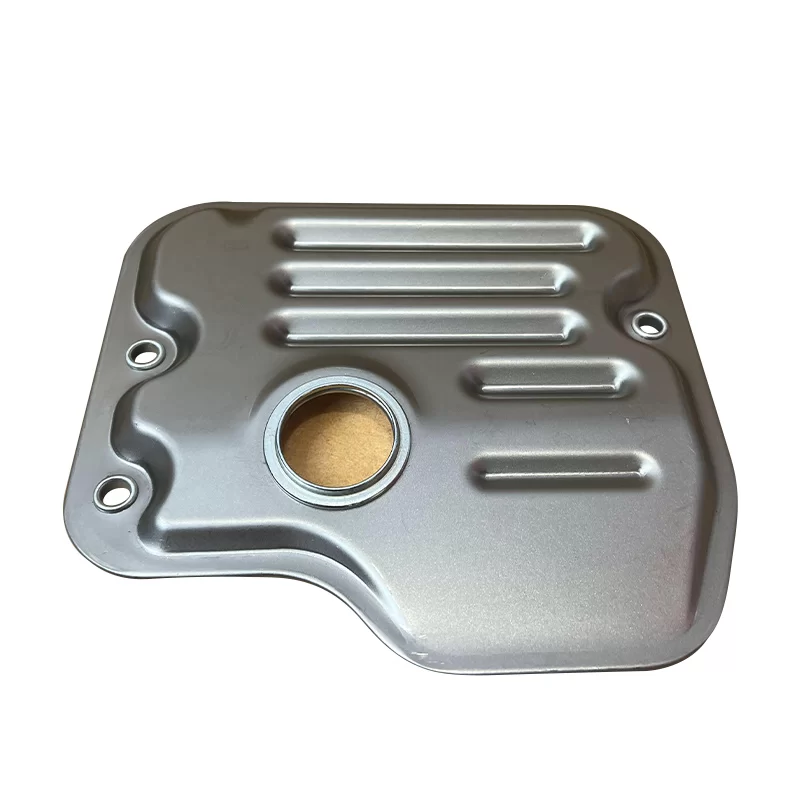
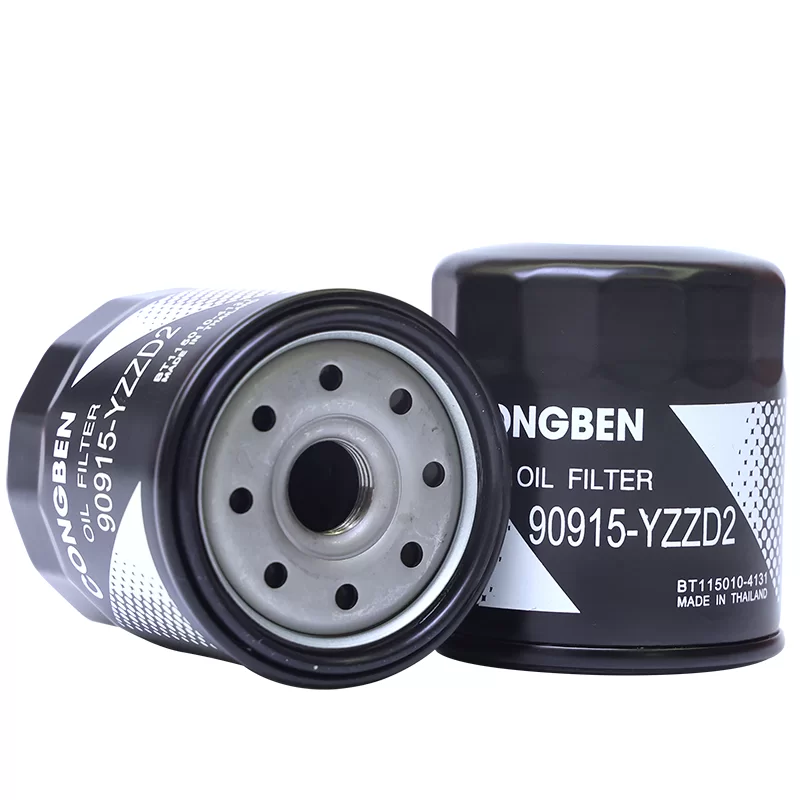
Evolution of Engin Oil Filter Technology in Nigeria

From basic sediment traps to high-efficiency synthetic media filtration.

Market Development History

Prior to 2010, the Nigerian market relied heavily on basic cellulose-based filters. These traditional components provided minimal filtration efficiency and were prone to collapse under the high pressure common in older engine designs, often leading to catastrophic lubrication failure.

Between 2011 and 2018, there was a transition toward blended synthetic media. This era saw the introduction of reinforced canisters and improved valve systems, allowing the engin oil filter to handle the increased viscosity of heavy-duty oils used in diesel generators and commercial trucks.

From 2019 to the present, the focus has shifted toward "precision filtration." Modern elements now utilize nano-fiber technology to capture microscopic contaminants, significantly extending the time between oil changes and improving fuel efficiency for the modern Nigerian driver.

Future Development Trends

Eco-Friendly Biodegradable Media

Moving toward sustainable materials to reduce the environmental impact of used filters in Nigerian landfills.

Smart Sensor Integration

Integration of pressure-drop sensors that notify the driver via OBD-II when the filter is clogged.

Ultra-High Temperature Resilience

Development of specialty alloys for canisters to prevent deformation in extreme Saharan heat waves.

Future Outlook for Nigeria's Filtration Industry

Strategic trajectories for automotive maintenance in the next 3-5 years.

Synthetic Media Dominance
Rapid transition from paper to synthetic fibers to handle Nigerian dust levels.
Extended Service Intervals
Developing filters that maintain efficiency for 15,000km+ in tropical conditions.
OEM Standardization
Stricter enforcement of quality standards for aftermarket parts in Nigeria.
Hybrid Engine Adaption
Designing filtration for the emerging hybrid fleet in Lagos.

Industry Outlook

Based on Google search trends in the West African region, there is a significant spike in queries regarding "long-life engine filters" and "heavy-duty oil filtration." This indicates a shift in consumer behavior from the cheapest possible option to value-driven, high-durability components.

We expect the Nigerian automotive aftermarket to consolidate around a few high-quality manufacturers who can provide consistent supply chains and proven technical specifications, reducing the reliance on unreliable imports.

Localized Application Scenarios in Nigeria

Real-world deployment of high-efficiency filtration in diverse Nigerian environments.

1. Urban Logistics in Lagos

For delivery vans facing extreme congestion and idling, our filters prevent sludge buildup caused by low-temperature oil circulation during traffic jams.

2. Long-Haul Trucking (Abuja-Kano Route)

Heavy-duty filters designed to capture fine desert sand and dust particles, ensuring engine lubrication across thousands of kilometers of arid terrain.

3. Agricultural Machinery in the Middle Belt

Specialized filtration for tractors operating in muddy and dusty farmland, preventing abrasive particles from entering the engine core.

4. Corporate Fleet Management (Port Harcourt)

Standardized filtration schedules for corporate fleets to minimize downtime and maximize the resale value of company vehicles.

5. Diesel Generator Backup Systems

Adapting automotive oil filter technology for stationary power generators, crucial for Nigeria's energy infrastructure stability.

Brand Story

Global Development History of Hebei Congben Automotive Parts Co., Ltd.

Industrial Foundation

Started as a specialized workshop focused on precision metallurgy, establishing the core competency in filter canister durability.

Technology Breakthrough

Invested in synthetic fiber research, overcoming the limitations of traditional paper filters to achieve micron-level purity.

Global Expansion

Expanded operations to Africa, specifically targeting the high-demand markets of Nigeria with localized product adaptations.

Quality Certification

Achieved international ISO certifications, ensuring every component meets global safety and efficiency standards.

Future Vision

Commitment to solving the "maintenance gap" in emerging markets through sustainable and high-performance filtration solutions.

Common Questions Regarding Oil Filtration in Nigeria

Expert answers to the most frequent technical concerns from Nigerian vehicle owners.

How often should I replace my car engine oil filter in Lagos traffic?

Due to extreme stop-and-go traffic and high dust levels in Lagos, we recommend replacing your filter every 5,000 to 7,500 km to prevent engine sludge.

Can a low-quality oil filter automotive part damage my engine?

Yes, low-quality filters can collapse or allow contaminants to bypass the media, leading to accelerated wear of piston rings and crankshaft bearings.

What is the advantage of a synthetic engine oil filter element?

Synthetic elements offer higher filtration efficiency and better thermal stability, which is critical for engines operating in Nigeria's high ambient temperatures.

Why is my automotive oil filter leaking after installation?

Leaks are often caused by "double-gasketing" (old gasket left on the engine) or using filters with poor-quality rubber seals that fail in tropical heat.

Does the engin oil filter affect fuel consumption?

Yes, a clogged filter increases engine friction and forces the bypass valve to open, reducing overall efficiency and increasing fuel consumption.

How do I identify a genuine high-performance oil filter?

Look for precise canister welding, high-quality anti-corrosion coating, and verified certification stamps from the manufacturer.

Get Expert Filtration Advice

Providing premium automotive components and technical support for partners and distributors across Nigeria.

Contact Us Now

If you are interested in our products, you can choose to leave your information here, and we will be in touch with you shortly.