
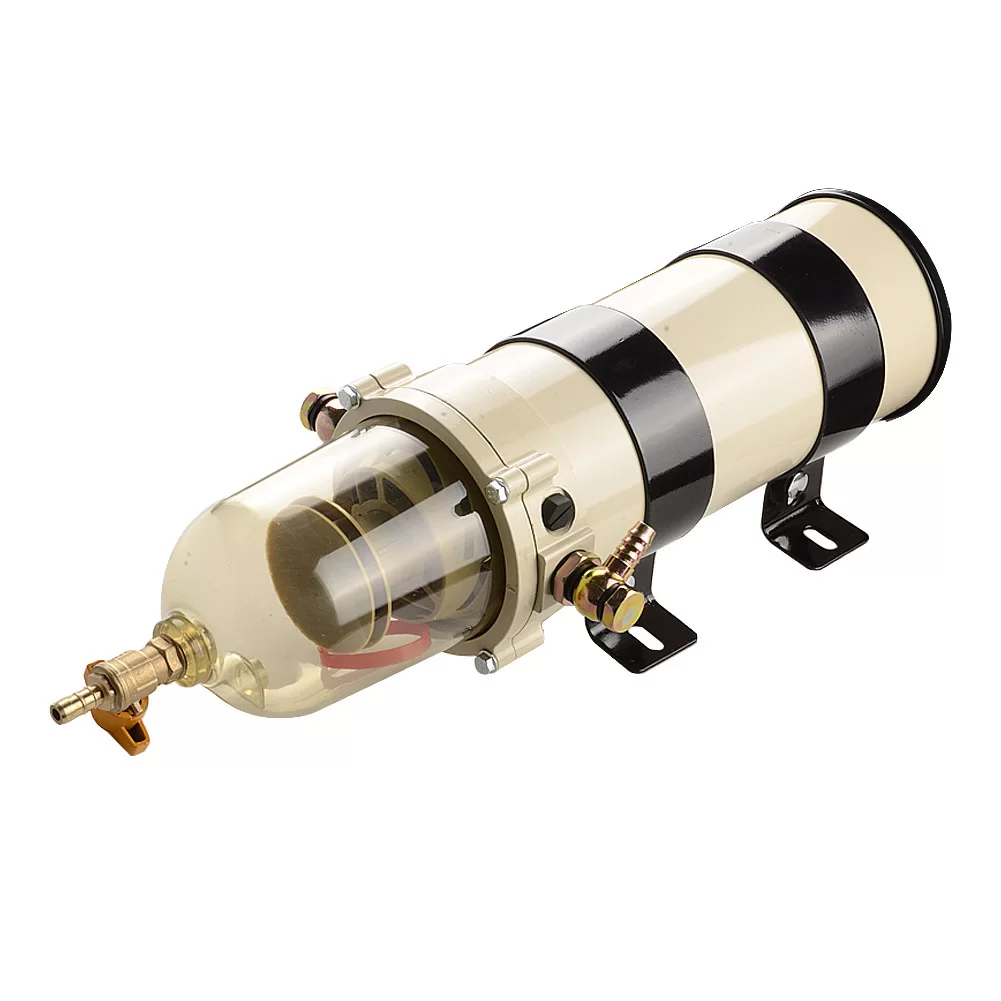
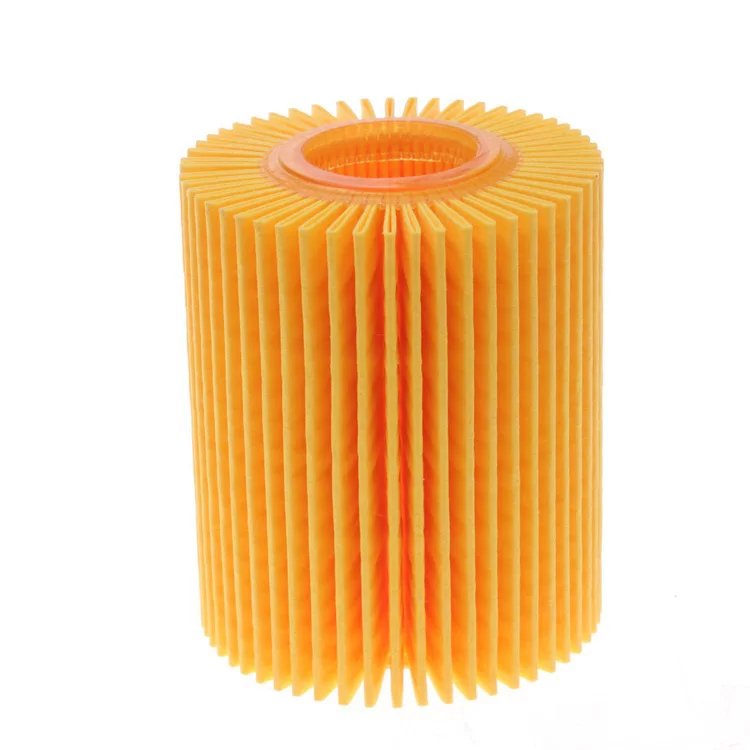
oil filters

High-Performance car engine oil filter Solutions for the Russian Market

Engineered to withstand extreme temperature fluctuations and demanding road conditions across the Russian Federation.

High-Performance car engine oil filter Solutions for the Russian Market

Providing industrial-grade filtration technology designed for the unique automotive ecosystem of Russia, ensuring engine longevity and optimal lubrication efficiency.

Analysis of the automotive oil filter Market in Russia

Navigating the challenges of extreme climates and heavy-duty vehicle usage.

The Russian automotive market presents a unique challenge due to its vast geographical scale and extreme continental climate. In regions like Siberia, temperatures can drop to -50°C, causing oil viscosity to increase significantly. This puts immense pressure on every oil filter automotive system, requiring materials that remain flexible and effective in deep freeze conditions.

Moreover, the prevalence of rugged terrain and unpaved roads in rural areas increases the concentration of airborne particulates. This environmental factor accelerates the saturation of the engine oil filter element, necessitating a higher dirt-holding capacity and more robust housing to prevent premature leakage or failure.

Economically, the market is currently shifting toward localized supply chains and high-durability aftermarket parts. There is a growing demand for premium filtration that can extend oil drain intervals, reducing maintenance costs for fleet operators in Russia's logistics-heavy economy.
Evolution of Oil Filtration Technology in Russia

From basic mechanical strainers to precision-engineered synthetic media.

Market Development History

During the 1990s and early 2000s, the Russian market relied heavily on traditional cellulose-based filters. These were sufficient for basic engines but often struggled with the rapid thermal expansion and contraction cycles typical of the region's climate.

Around 2010, the introduction of European emission standards and the influx of modern foreign vehicles drove the adoption of synthetic blend media. The focus shifted toward increasing the efficiency of the engin oil filter to protect high-precision turbochargers and fuel injection systems.

By 2020, the trend moved toward "long-life" filtration. Advanced micro-glass fibers were implemented to achieve higher filtration efficiency (down to 10 microns) while maintaining low pressure drop, essential for cold-start lubrication in Russian winters.

Future Development Trends

Nano-Fiber Integration

The next phase involves nano-fiber coatings that capture smaller contaminants without restricting flow, enhancing the lifecycle of the engine oil.

Smart Monitoring Systems

Integration of sensors within the filter housing to provide real-time saturation data, moving from scheduled maintenance to condition-based maintenance.

Eco-Friendly Biodegradable Media

Aligning with global sustainability goals, there is a move toward recyclable filter housings and biodegradable synthetic media to reduce industrial waste.

Future Trends and Strategic Outlook

Predicting the trajectory of filtration technology based on search data and industrial shifts.

Ultra-Low Temperature Resilience
Development of specialized polymers for seals and gaskets that prevent leaks at -60°C.
High-Capacity Synthetic Media
Increased dirt-holding capacity to support longer service intervals in dusty environments.
Hybrid Vehicle Compatibility
Optimizing oil flow for hybrid engines that experience frequent stop-start cycles.
Precision Flow Control
Advanced bypass valves designed to prevent oil starvation during extreme cold starts.

Industry Outlook

Google search trends in the Russian region indicate a significant rise in queries regarding "extended oil life" and "winter-grade filters." This suggests a consumer shift toward proactive engine protection and long-term cost reduction.

Over the next 3-5 years, we expect a consolidation of the market where only brands offering certified high-efficiency media and climate-specific testing will thrive. The convergence of digital monitoring and material science will redefine the standard for automotive filtration.

Local Application Scenarios in Russia

Real-world deployment of our filtration solutions in diverse Russian environments.

01. Arctic Logistics Fleets

Implementation of ultra-resilient oil filters for heavy-duty trucks operating in Norilsk and Murmansk, ensuring oil flow remains consistent despite ambient temperatures of -40°C.

02. Urban Commuting in Moscow & St. Petersburg

Using high-efficiency synthetic filters to combat the "stop-and-go" traffic congestion and urban pollution, reducing sludge buildup in passenger car engines.

03. Agricultural Machinery in the Steppes

Deployment of heavy-duty elements for tractors and combines in the southern grain belts, focusing on maximum dust filtration during harvest seasons.

04. Remote Mining Operations in Siberia

Providing reinforced filter housings for off-road mining vehicles that endure extreme vibrations and high-pressure oil cycles in remote sites.

05. Long-Distance Trans-Siberian Transport

Equipping long-haul logistics vehicles with extended-life filter elements to minimize downtime during thousand-kilometer journeys between hubs.

Brand Story

Global Development Journey of Hebei Congben Automotive Parts Co., Ltd.

Foundational Excellence

Established with a vision to redefine filtration purity, we began by mastering the core physics of fluid dynamics and particulate capture.

Technical Breakthroughs

We invested heavily in R&D to move beyond cellulose, introducing synthetic composite media that solved the problem of early saturation.

Global Expansion

Expanding our footprint into the Russian and European markets, we adapted our products to survive the harshest winter conditions on Earth.

Quality Certification

Achieving international ISO standards, ensuring every filter produced meets the rigorous demands of modern automotive OEMs.

Future Vision

Dedicated to the mission of "Zero-Wear" engine protection through the continuous evolution of intelligent filtration systems.

Russia Market FAQ

Addressing common technical queries regarding engine filtration in cold climates.

How does an automotive oil filter perform in extreme Russian winters?

High-quality filters use specialized synthetic media and low-temperature gaskets that remain pliable at -40°C, preventing leaks and ensuring oil flows to the engine immediately upon startup.

What is the best engine oil filter element for diesel trucks in Siberia?

For diesel engines in Siberia, we recommend high-capacity synthetic blend elements that can handle higher soot loads and withstand the extreme thermal cycling of heavy-duty operation.

Why is a car engine oil filter more prone to failure in rural Russian regions?

Rural areas often have higher levels of road dust and debris, which can saturate a standard filter quickly. This is why reinforced housings and high-dirt-holding media are essential.

Can I extend my oil change interval with a premium engin oil filter?

Yes, premium filters with synthetic micro-glass media can trap more contaminants without restricting flow, allowing for safely extended drain intervals according to manufacturer specs.

What are the signs that my oil filter automotive needs immediate replacement?

Common signs include a drop in oil pressure, an illuminated oil warning light, or visible leaks around the filter gasket, especially after a severe temperature drop.

Do different viscosities of oil affect the performance of a car engine oil filter?

Absolutely. In winter, thicker oil increases the pressure drop across the filter. Our filters are designed with optimized bypass valves to ensure lubrication even with high-viscosity winter oils.

Ready to Optimize Your Engine Protection?

Contact our technical experts today for tailored filtration solutions across Russia.

Contact Us Now

If you are interested in our products, you can choose to leave your information here, and we will be in touch with you shortly.