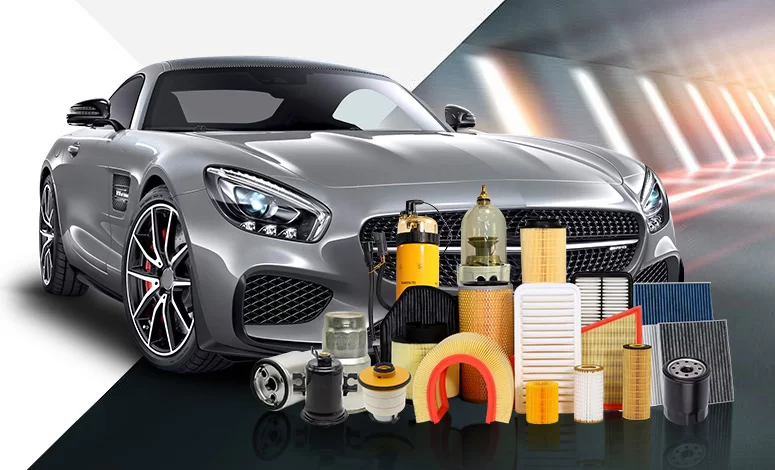


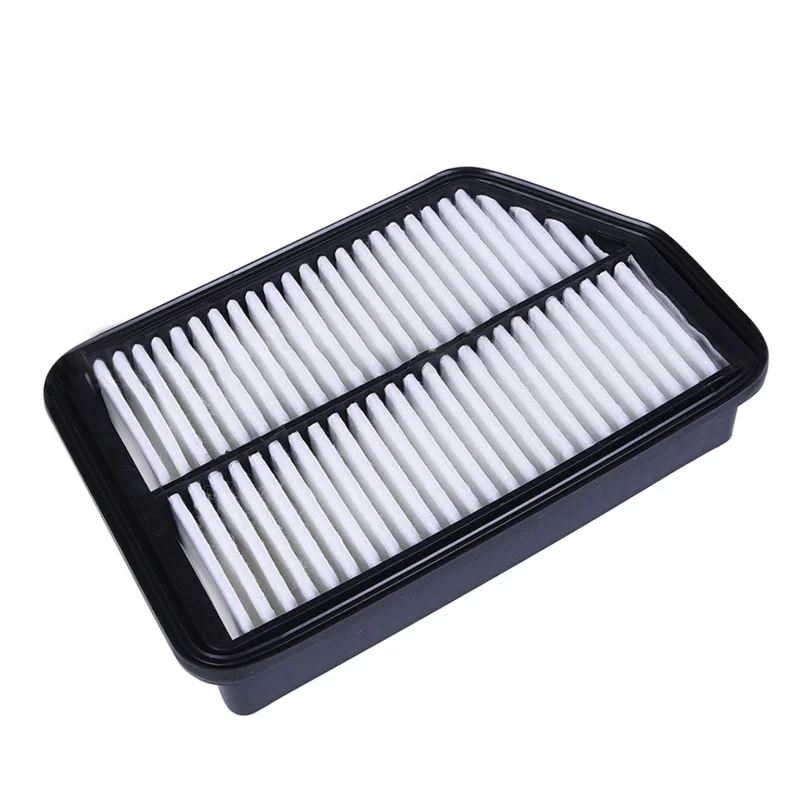
The Russian automotive market presents a unique challenge due to its vast geographical scale and extreme continental climate. In regions like Siberia, temperatures can drop to -50°C, causing oil viscosity to increase significantly. This puts immense pressure on every oil filter automotive system, requiring materials that remain flexible and effective in deep freeze conditions.
Moreover, the prevalence of rugged terrain and unpaved roads in rural areas increases the concentration of airborne particulates. This environmental factor accelerates the saturation of the engine oil filter element, necessitating a higher dirt-holding capacity and more robust housing to prevent premature leakage or failure.
Economically, the market is currently shifting toward localized supply chains and high-durability aftermarket parts. There is a growing demand for premium filtration that can extend oil drain intervals, reducing maintenance costs for fleet operators in Russia's logistics-heavy economy.