
oil filters

Advanced car engine oil filter Solutions for Ethiopia's Fleet

Engineered for high-dust environments and extreme climates to ensure maximum engine longevity across Ethiopia's diverse terrains.

Current State of Automotive Filtration in Ethiopia

Analyzing the intersection of Ethiopia's unique geography and vehicle maintenance needs.

Ethiopia's automotive landscape is characterized by a mix of rugged highlands and dusty lowland plains. This environment places extreme stress on every automotive oil filter, as airborne particulate matter often infiltrates engine systems, accelerating the degradation of lubricant quality.

In major hubs like Addis Ababa, the high density of older vehicle fleets combined with stop-and-go traffic creates severe thermal stress. This necessitates a high-efficiency oil filter automotive that can maintain structural integrity under varying pressure levels and temperature fluctuations.

Furthermore, the reliance on diverse fuel qualities in remote regions means that an engin oil filter must be capable of trapping not only metallic shavings but also complex carbon deposits to prevent premature engine wear.
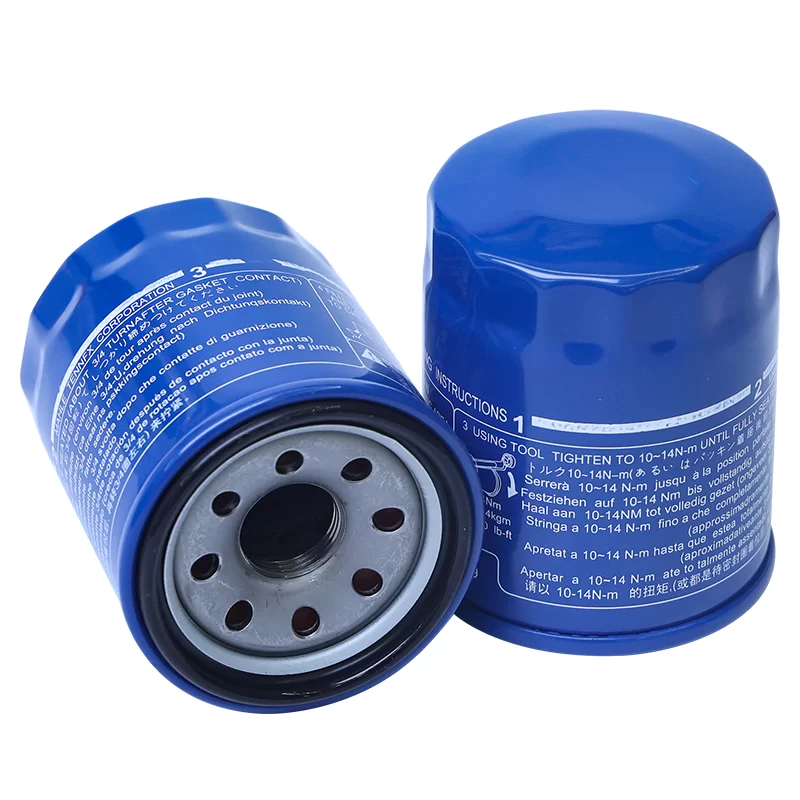
Evolution and Trajectory of Filtration Technology

From basic mesh screens to advanced synthetic media.

Market Development History

During the 1990s and early 2000s, the Ethiopian market relied heavily on basic cellulose-based filters. These traditional systems provided rudimentary protection but struggled with the high dust loads common in the Rift Valley region.

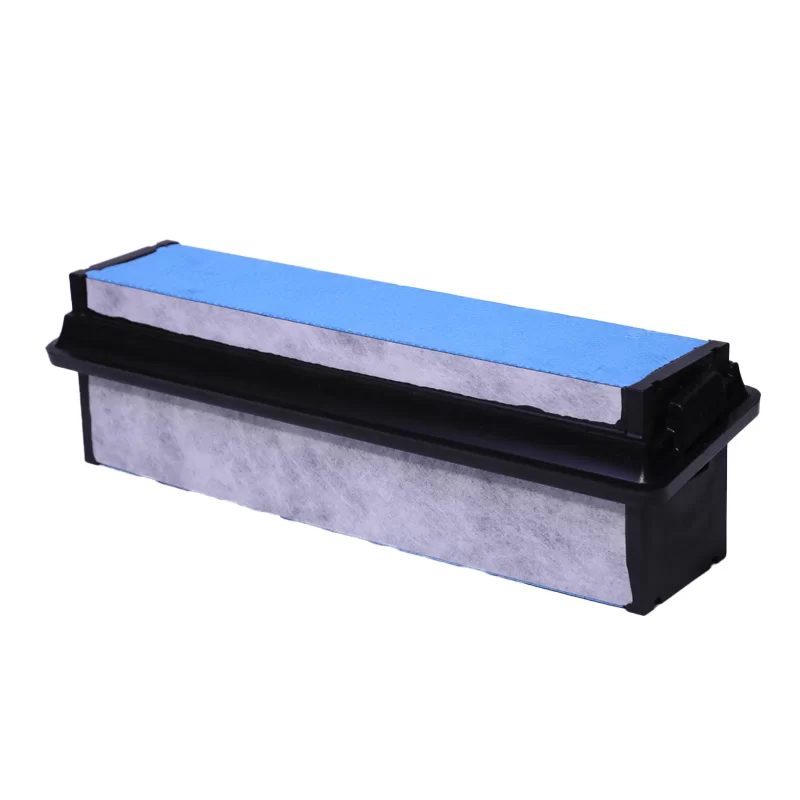
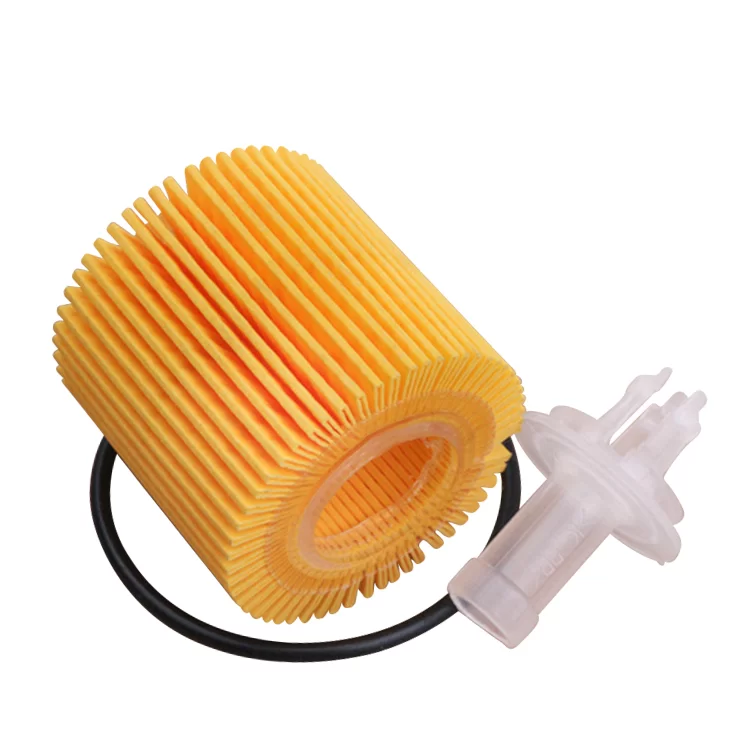
By 2010, the transition toward blended synthetic media began. This era saw the introduction of the high-capacity engine oil filter element, which offered significantly better micron ratings and longer service intervals for commercial trucks.

From 2018 to the present, there has been a surge in demand for precision-engineered components. The focus has shifted toward OEM-standard specifications that can handle the higher pressures of modern turbocharged engines entering the East African market.

Future Development Trends

Nanofiber Filtration Integration

We anticipate a shift toward nanofiber materials that capture sub-micron particles, reducing friction in high-performance engines.

Eco-Friendly Biodegradable Media

In line with global sustainability goals, the industry is moving toward recyclable filter housings and biodegradable filtration media.

Smart Monitoring Systems

The integration of pressure sensors within the filter assembly to provide real-time "clogging" alerts to the driver's dashboard.

Industry Trends and Future Outlook

Predicting the next 3-5 years of automotive filtration in the region.

Extended Service Cycles
Development of ultra-long-life media to reduce maintenance frequency in rural Ethiopia.
High-Pressure Resistance
Enhanced housing strength to prevent leaks under extreme load in heavy-duty transport.
Synthetic Media Adoption
Replacing cellulose with synthetic polymers for 3x higher contaminant capacity.
OEM Cross-Compatibility
Expanding portfolios to fit all Japanese and European brands common in Ethiopia.

Industry Outlook

According to search trends and regional infrastructure growth, we expect a significant increase in demand for high-specification oil filtration. As Ethiopia expands its logistics corridors, the shift toward commercial fleet professionalization will drive the need for certified quality components.

The future lies in "Preventative Filtration." By implementing higher-grade materials now, operators can avoid the catastrophic engine failures that are currently common due to substandard filter bypass or rupture.

Localized Application Scenarios in Ethiopia

Real-world implementation of our filtration technology in various Ethiopian environments.

1. Addis Ababa Urban Commute

Implementing high-flow filters to handle the intense heat and idling periods of urban traffic, preventing oil oxidation in passenger cars.

2. Ethiopian Highlands Transport

Using reinforced housings to manage the pressure changes and steep inclines faced by trucks transporting goods through mountainous regions.

3. Rift Valley Logistics

Deploying high-dust capacity elements to protect engines from the abrasive volcanic soils and dust of the valley floor.

4. Agricultural Machinery in Oromia

Customized heavy-duty filtration for tractors and harvesters operating in high-debris farming environments.

5. Long-Haul Djibouti Corridor

Utilizing extended-life synthetic media for long-distance freight trucks to ensure engine safety between major service hubs.

Brand Story

Global Development History of Hebei Congben Automotive Parts Co., Ltd.

Founding Vision

Established with a mission to eliminate premature engine failure through precision filtration engineering.

Technical Breakthrough

Developed proprietary synthetic blend media that outperforms standard cellulose by 200% in contaminant hold capacity.

Global Expansion

Expanded operations to the African market, tailoring products for extreme dust and temperature conditions.

Quality Certification

Achieved international ISO certifications, ensuring every component meets rigorous global safety and performance standards.

Future Commitment

Dedicated to driving the transition toward sustainable and smart filtration for the next generation of vehicles.

Ethiopia Automotive Filtration FAQ

Expert answers to the most common questions from local fleet managers and drivers.

How often should I replace a car engine oil filter in dusty regions like Ethiopia?

In high-dust environments, we recommend replacing your filter every 5,000 to 7,500 km, or 20% sooner than the manufacturer's standard interval to prevent clogging.

Can a high-quality engine oil filter element improve fuel efficiency?

Yes, by maintaining optimal oil cleanliness and reducing internal engine friction, a premium filter helps the engine operate more efficiently, slightly improving fuel economy.

What are the signs that my automotive oil filter is clogged?

Common signs include a drop in oil pressure, increased engine noise (knocking), and a noticeable rise in engine operating temperature.

Are synthetic oil filter automotive options better for heavy-duty trucks?

Absolutely. Synthetic media provides higher durability and better filtration efficiency, which is critical for the heavy loads carried on Ethiopian roads.

Does the engin oil filter affect the longevity of a turbocharged engine?

Yes, turbochargers require extremely clean oil for lubrication. A low-quality filter can allow particles to damage the turbo bearings rapidly.

How do I choose the right size filter for my vehicle in Ethiopia?

The best way is to match the OEM part number or use a cross-reference guide based on your vehicle's make, model, and engine displacement.

Get Expert Filtration Advice

Looking for the best automotive parts for your fleet in Ethiopia? Our specialists are ready to help you optimize your engine protection.

Contact Us Now

If you are interested in our products, you can choose to leave your information here, and we will be in touch with you shortly.