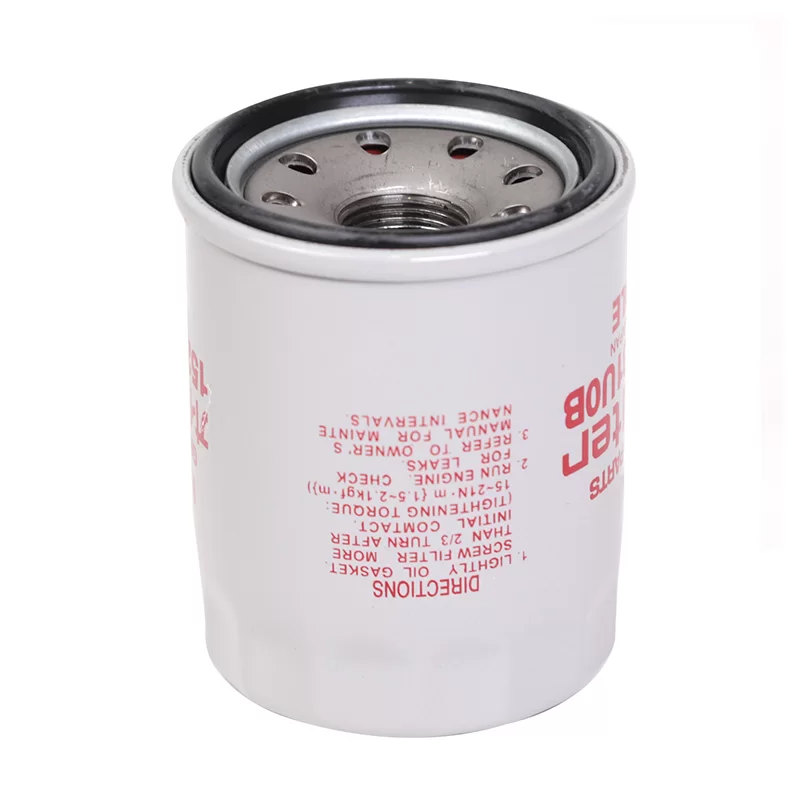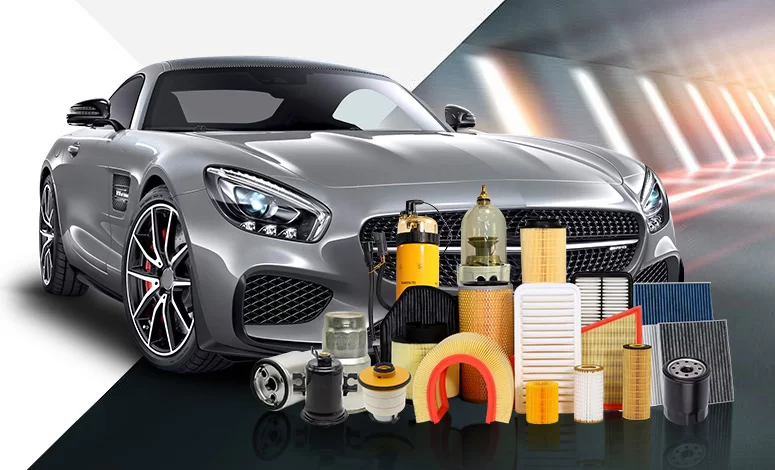


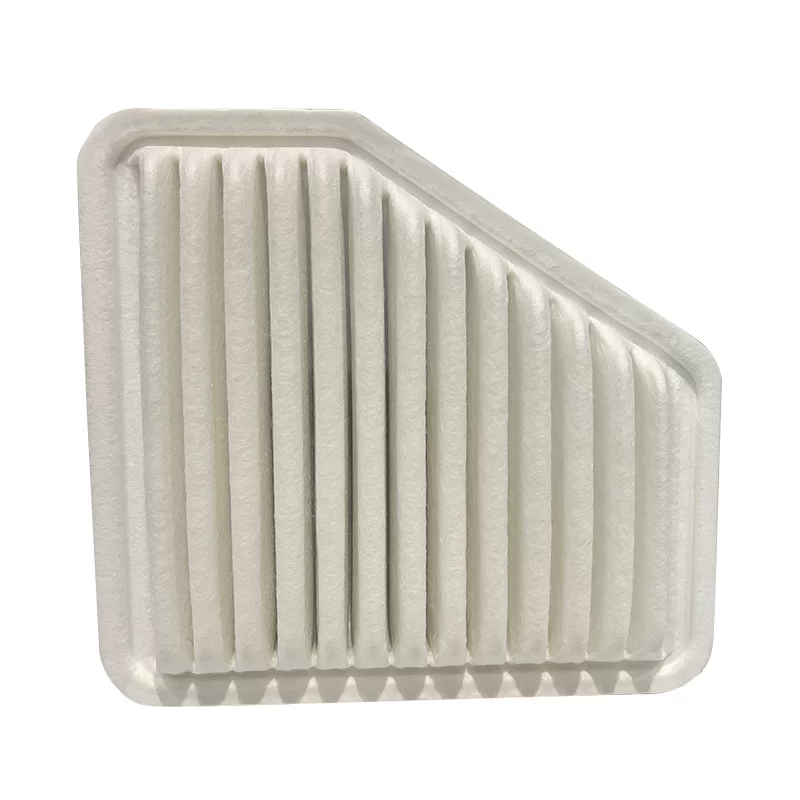
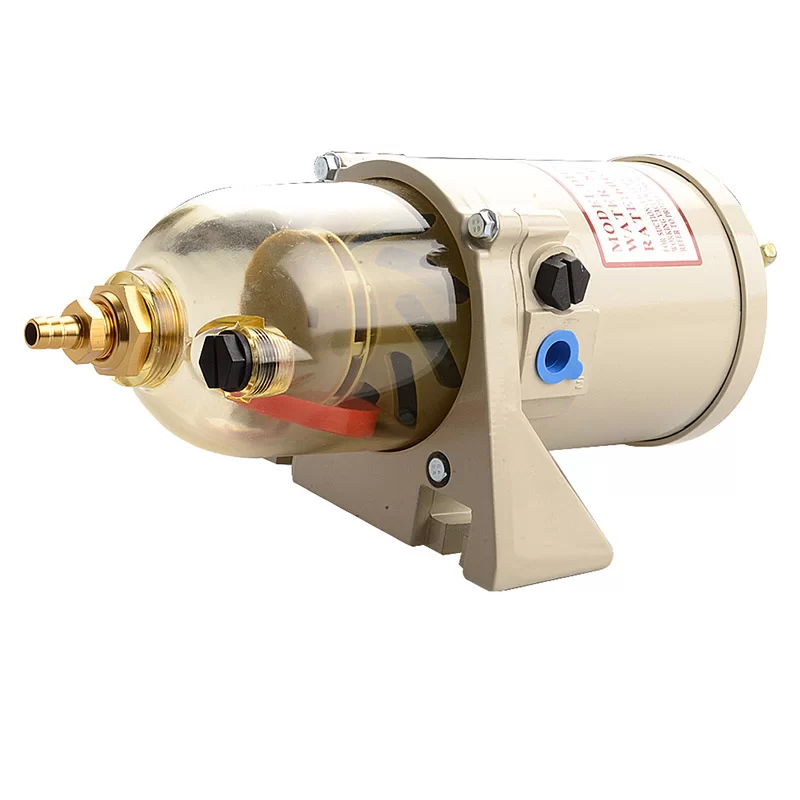
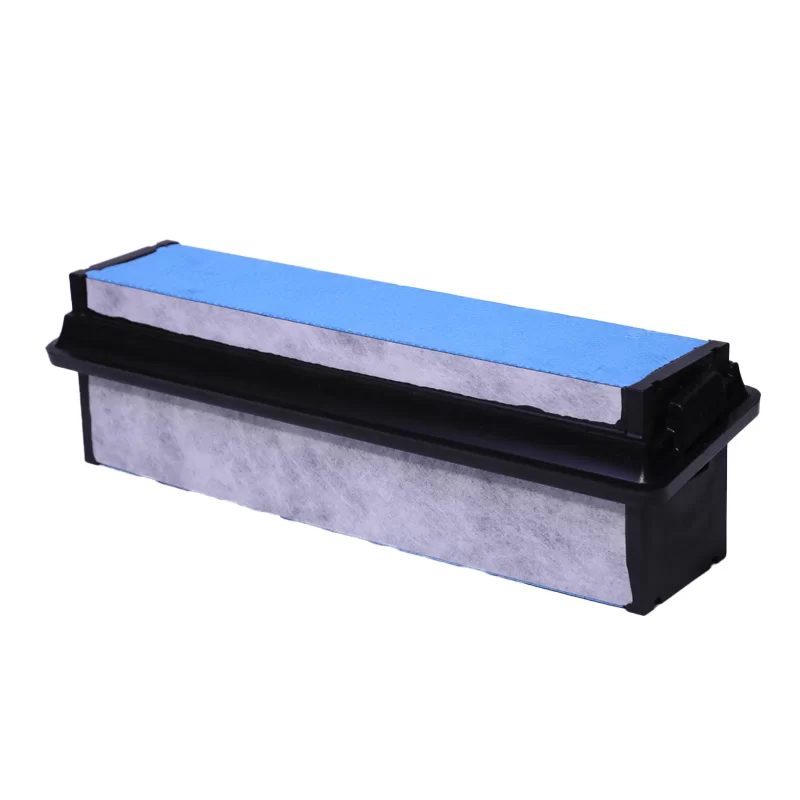
oil filters

Advanced car engine oil filter Solutions for Uzbekistan

High-performance filtration technology engineered to withstand the extreme continental climate and dusty environments of the Uzbekistan automotive market.

Advanced car engine oil filter Solutions for Uzbekistan

Providing the Uzbekistan automotive industry with precision-engineered filtration components that ensure engine longevity and optimal performance under harsh operating conditions.

Current State of Automotive Oil Filter Market in Uzbekistan

Analyzing the impact of geography and economic growth on vehicle filtration needs.

Uzbekistan's automotive landscape is characterized by a mix of domestic production and a growing import market. Due to the region's arid climate and significant dust levels in areas like the Kyzylkum Desert, the demand for a high-quality automotive oil filter is critical to prevent premature engine wear caused by abrasive particles.

The market is currently shifting from basic low-cost replacements to high-efficiency components. Local vehicle owners are increasingly aware that utilizing a premium oil filter automotive standard can significantly reduce maintenance costs in the long run, especially for fleets operating in Tashkent and Samarkand.

Economic liberalization in Uzbekistan has led to a diversification of vehicle brands, requiring a wider range of engine oil filter element specifications to match modern turbocharged engines and strict emissions standards being adopted nationwide.
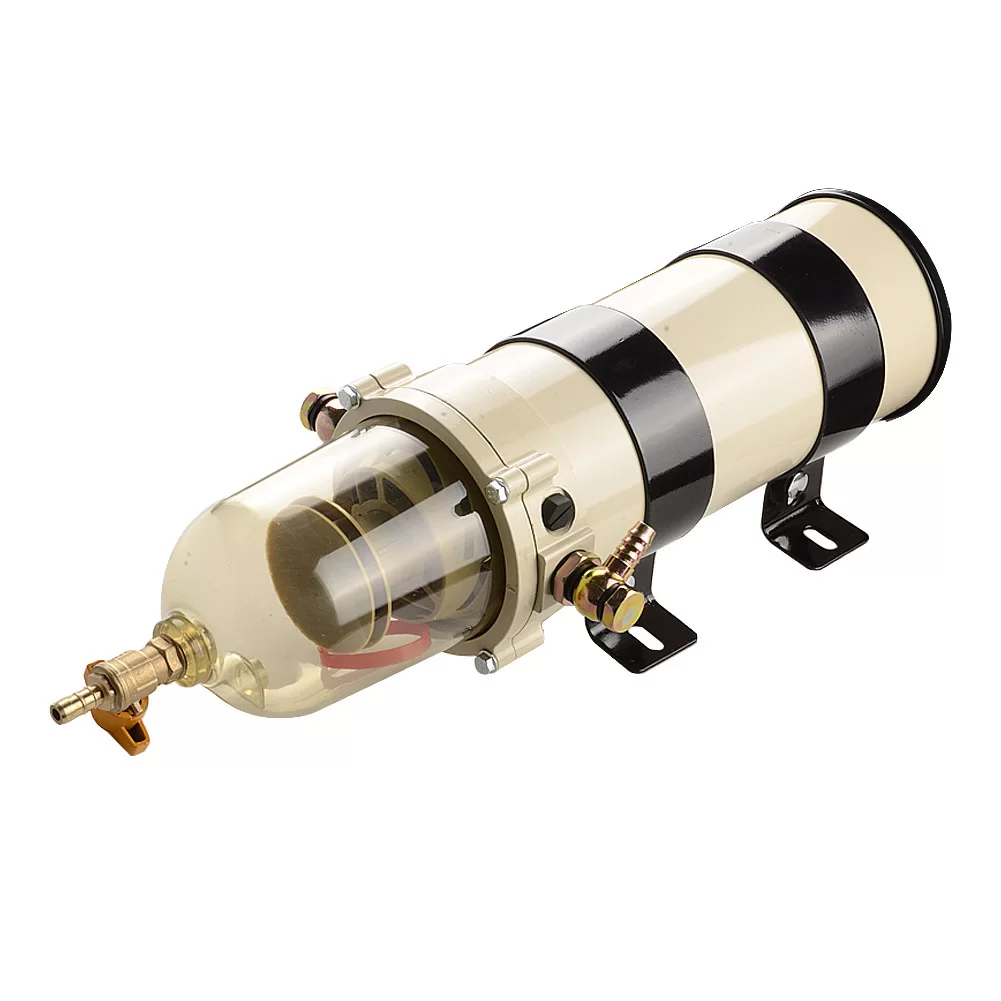
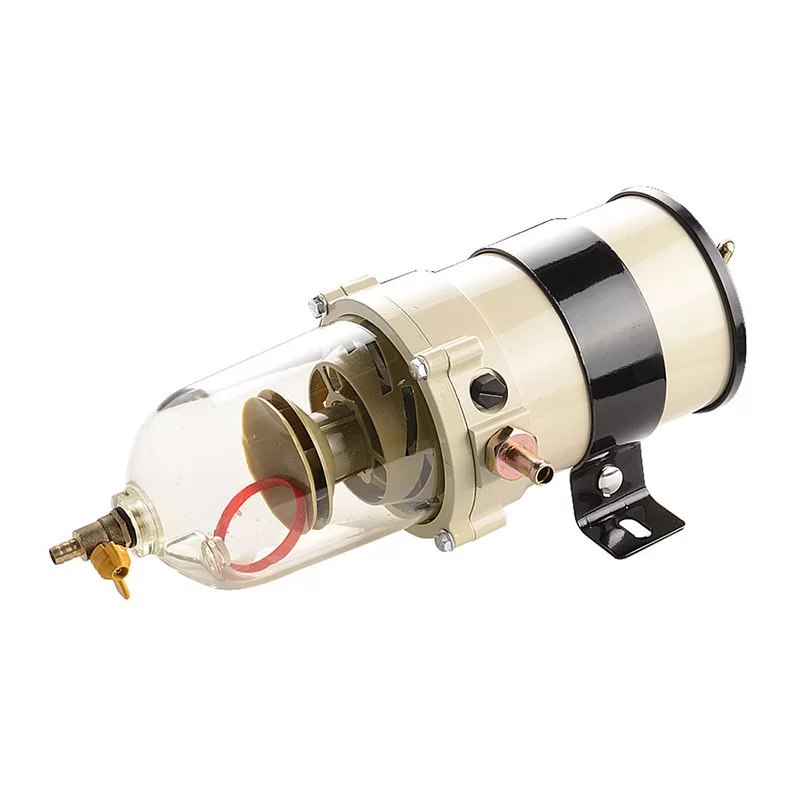
Evolution of Filtration Technology in Uzbekistan

From basic sediment traps to advanced synthetic media.

Market Development History

In the early 2000s, the Uzbekistan market relied heavily on traditional cellulose-based filters which offered basic protection but suffered from high pressure drops and limited durability in extreme heat.

Between 2010 and 2020, there was a transition toward composite media. The introduction of a more robust engin oil filter design allowed for better contaminant holding capacity, matching the rise of modern passenger cars in the region.

By 2023, the focus shifted to synthetic glass-fiber blends. This evolution was driven by the need for longer service intervals and the ability to filter smaller micron-sized particles that cause micro-scratches in high-precision engine components.

Future Development Trends

Eco-Friendly Biodegradable Media

Driven by global sustainability trends, we expect a rise in filters using sustainable materials that maintain the same efficiency as traditional synthetic elements.

Smart Monitoring Integration

Integration of sensors within the filter housing to notify drivers in real-time when the filtration capacity is reached, reducing guesswork in maintenance.

Nano-Fiber Filtration Layers

The adoption of nano-fiber technology to achieve near-absolute filtration of carbon soot and metallic debris, extending the life of hybrid engine oils.

Industry Outlook and Future Trends

Predicting the trajectory of automotive filtration through 2030.

Synthetic Material Dominance
Shift towards 100% synthetic media to handle the higher heat cycles common in Central Asian summers.
Enhanced Micron Rating
Reducing filtration thresholds from 20 microns down to 5-10 microns to support modern engine tolerances.
Extended Service Life
Developing elements that maintain efficiency for 15,000km+ to meet the needs of long-distance regional haulage.
OEM Standard Alignment
Perfect synchronization with Uzbekistan's domestic car manufacturing specifications for seamless fitment.

Industry Outlook

Based on Google search trends in Central Asia, there is a surging interest in "engine longevity" and "fuel efficiency," which correlates directly with the quality of oil filtration. We predict that the transition to high-efficiency synthetic elements will accelerate as vehicle average age increases.

The future landscape will see a consolidation of supply chains, where manufacturers providing high-precision engine oil filter element designs will dominate the Uzbekistan market by offering a balance of affordability and industrial-grade reliability.

Localized Application Scenarios in Uzbekistan

Real-world implementation of advanced filtration in diverse regional environments.

1. Urban Transit in Tashkent

High-frequency stop-and-go traffic in the capital leads to rapid oil degradation. Our filters provide the necessary capacity to trap urban soot and metallic wear particles effectively.

2. Long-Haul Logistics on the M39 Highway

Heavy-duty transport trucks moving goods across the country require a robust engin oil filter that can withstand continuous high-pressure flow over thousands of kilometers.

3. Agricultural Machinery in Fergana Valley

Tractors and harvesters operating in dusty fields face extreme contamination. Specialized filtration prevents soil particles from entering the engine lubricant stream.

4. Off-Road Exploration in Karakalpakstan

Vehicles navigating the sandy terrains of the Aral Sea region require reinforced filter housings to prevent leakage and element collapse under extreme vibration.

5. Mining Fleet Maintenance in Navoi

Mining vehicles operating 24/7 in abrasive environments utilize our high-efficiency elements to extend oil change intervals and reduce downtime.

Brand Story

Global Development Journey of Hebei Congben Auto Parts Co., Ltd.

Foundational Precision

Started with a mission to solve the common failure of low-grade filters in extreme climates, focusing on material science and micron-level precision.

Technological Breakthrough

Developed a proprietary synthetic blend media that increased contaminant holding capacity by 40% compared to standard cellulose filters.

Global Expansion

Expanded operations to serve the Central Asian market, specifically tailoring products for the unique environmental challenges of Uzbekistan.

Quality Certification

Achieved international quality standards, ensuring every unit delivered provides OEM-level protection for high-value automotive engines.

Future Vision

Committing to a sustainable future by developing biodegradable filtration elements without compromising on industrial performance.

Uzbekistan Automotive Filtration FAQ

Expert answers to common questions regarding oil filter maintenance in Central Asia.

How often should I replace a car engine oil filter in dusty regions like Uzbekistan?

Due to high dust levels, we recommend replacing the filter every 5,000 to 7,000 kilometers, or during every oil change, to prevent the filter element from clogging.

Can a low-quality automotive oil filter cause engine damage in extreme heat?

Yes, low-quality filters may suffer from media collapse or bypass valve failure in high temperatures, allowing unfiltered oil to circulate and cause rapid engine wear.

What is the difference between a standard oil filter and a high-efficiency engine oil filter element?

High-efficiency elements use synthetic blends instead of pure cellulose, offering a lower micron rating and longer service life under stress.

Are synthetic oil filters compatible with older vehicle models common in Uzbekistan?

Absolutely. As long as the physical dimensions and thread size match, synthetic filters provide superior protection regardless of the vehicle's age.

How does an oil filter automotive system handle cold starts in Uzbekistan's winter?

Our filters feature precision-engineered anti-drainback valves that keep oil in the filter, ensuring immediate lubrication upon startup in freezing temperatures.

Why is micron rating important for an engin oil filter in commercial fleets?

A lower micron rating means the filter can trap smaller particles. For commercial fleets, this translates to fewer engine overhauls and reduced operational downtime.

Get Expert Filtration Advice

Contact our technical team today for customized automotive filtration solutions tailored to the specific needs of Uzbekistan.

Contact Us Now

If you are interested in our products, you can choose to leave your information here, and we will be in touch with you shortly.