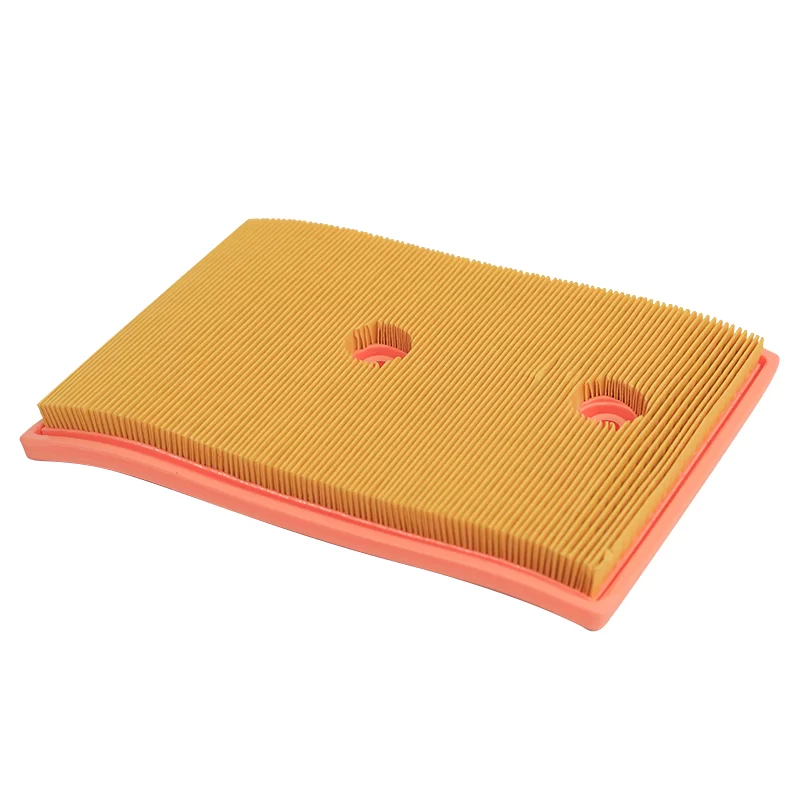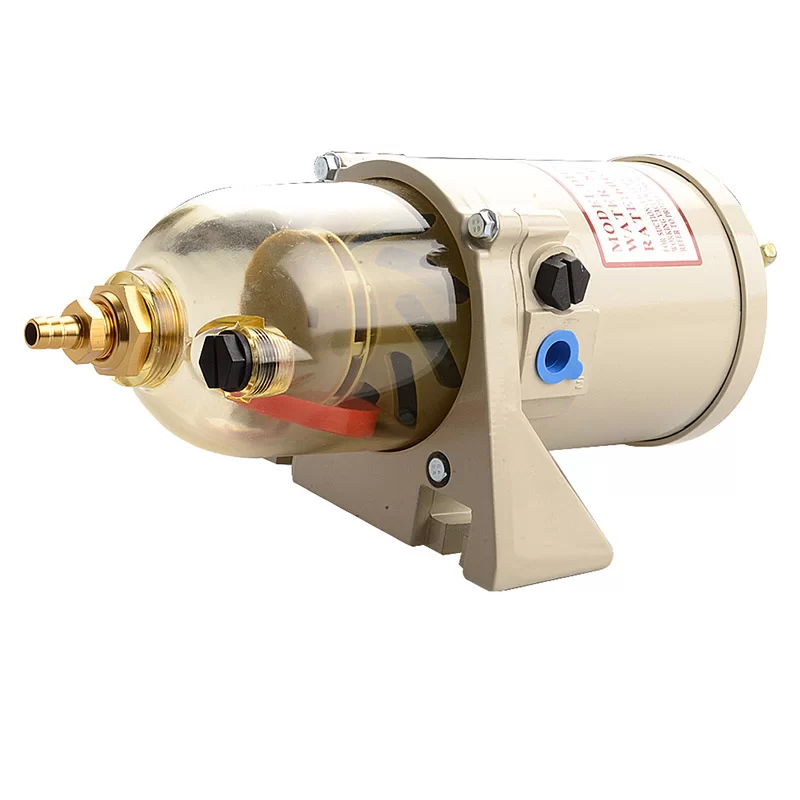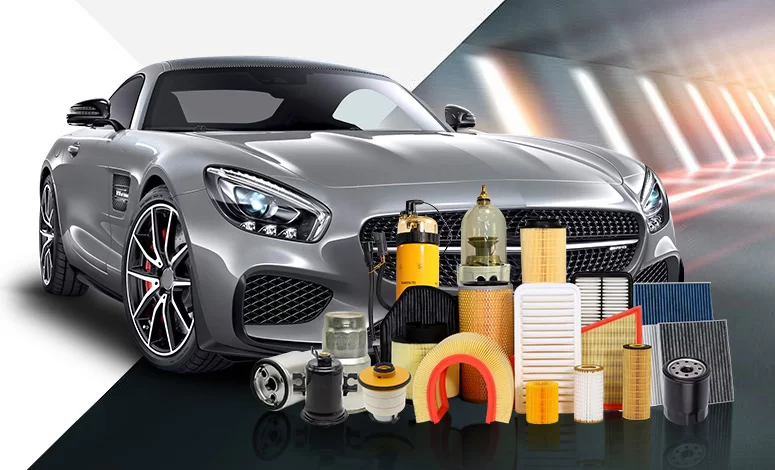

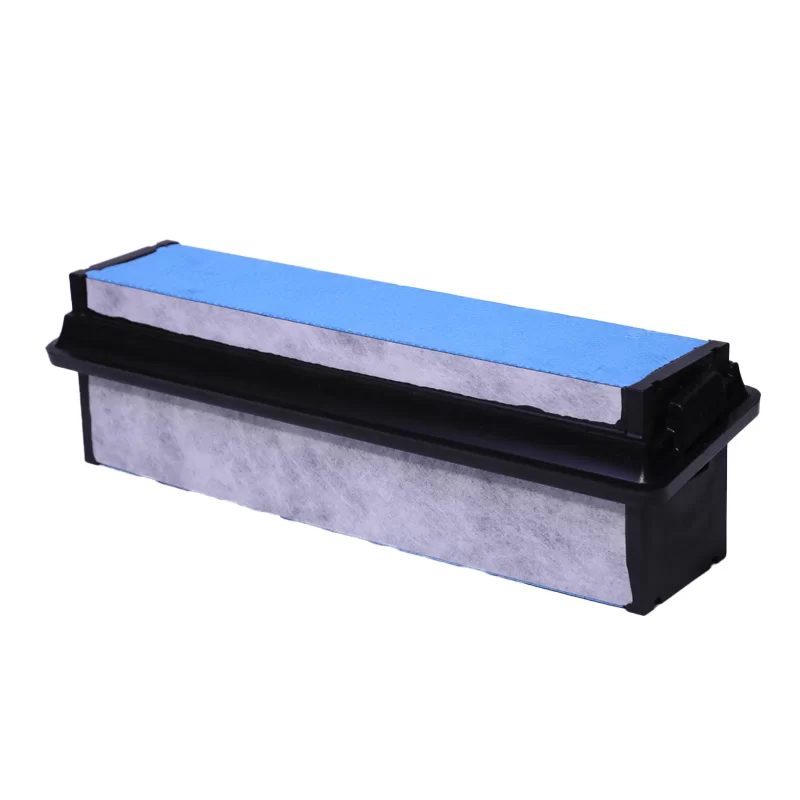
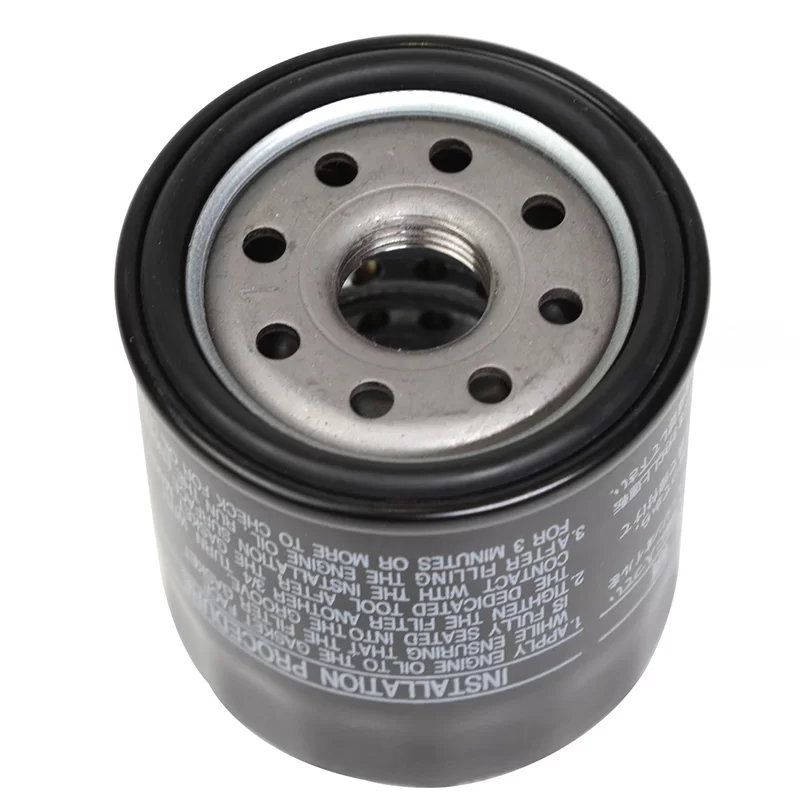
oil filters

High-Performance car engine oil filter Solutions for Sri Lanka

Engineered for durability and efficiency, providing superior lubrication protection for the diverse automotive landscape of Sri Lanka.

High-Performance car engine oil filter Solutions for Sri Lanka

Our specialized filtration systems are designed to combat the unique environmental challenges of the Sri Lankan road network, ensuring long-term engine reliability.

The Current State of Automotive Oil Filter Demand in Sri Lanka

Analyzing the impact of tropical climates and urban congestion on engine filtration.

Sri Lanka's automotive market is characterized by a high density of Japanese and Indian imports, operating in a humid, tropical climate. The prevalence of "stop-and-go" traffic in Colombo leads to frequent engine idling and rapid oil degradation, making a high-quality oil filter automotive critical for preventing premature engine wear.

The geographical diversity, from the coastal plains to the central highlands, exposes vehicles to varying levels of dust and moisture. This environment accelerates the saturation of the engine oil filter element, necessitating products with higher dirt-holding capacities to maintain optimal oil flow.

Currently, there is a significant shift in the Sri Lankan market towards premium aftermarket components. Vehicle owners are increasingly aware that utilizing a low-grade engin oil filter can lead to catastrophic engine failure in high-temperature environments, driving demand for internationally certified filtration standards.
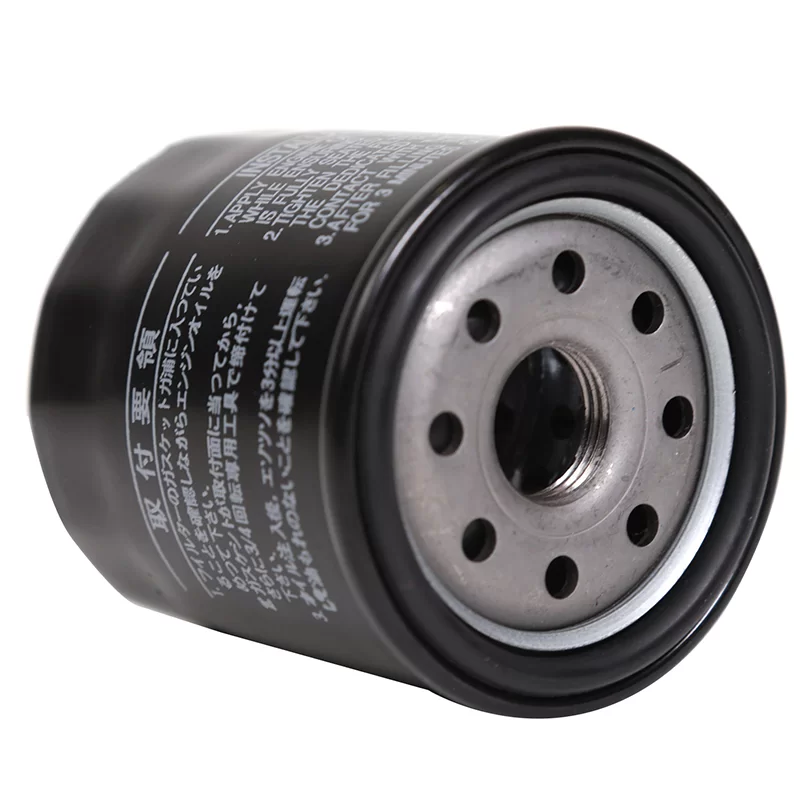
Evolution and Trajectory of Filtration Technology

From basic sediment traps to advanced synthetic media.

Market Development History

In the early 2000s, the Sri Lankan market relied heavily on traditional cellulose-based filters. These provided basic protection but lacked the efficiency required for the newer, tighter-tolerance engines arriving in the mid-2010s.

Between 2015 and 2022, the transition toward synthetic blend media became evident. This period saw a rise in the adoption of high-efficiency automotive oil filter technology, allowing for extended drain intervals and better contaminant capture.

Today, the industry has entered the era of precision engineering, focusing on bypass valve optimization and reinforced housing to withstand the pressure spikes common in the rugged terrains of the Hill Country.

Future Development Trends

Nano-Fiber Integration

Moving toward 2027, the integration of nano-fiber layers will allow filters to capture smaller sub-micron particles without increasing pressure drop.

Eco-Friendly Biodegradable Media

Following global sustainability trends, we anticipate a shift toward recyclable filter elements to reduce the environmental footprint in South Asia.

Smart Filtration Monitoring

The rise of connected vehicles in urban hubs will likely introduce sensors that signal real-time saturation levels of the oil filter.

Future Trends and Industry Outlook for Sri Lanka

Strategic forecasting for the next 3-5 years in automotive filtration.

Ultra-Low Viscosity Compatibility
Adapting filtration media to work with newer 0W-20 oils common in hybrid vehicles in Colombo.
High-Temperature Stability
Reinforcing seals and adhesives to prevent leaks during extreme heatwaves in the dry zones.
Hybrid Vehicle Specialization
Designing filters for engines that undergo frequent start-stop cycles typical of hybrid city cars.
Enhanced Micron Rating
Increasing filtration efficiency to protect engines from fine dust common in rural Sri Lankan roads.

Industry Outlook

The automotive filtration sector in Sri Lanka is poised for a transition toward "Total Engine Health" management. Google search trends indicate a rising interest in "long-life engine parts" and "fuel efficiency," suggesting that the market is moving away from cheap replacements toward high-value, durable components.

As the government promotes electric and hybrid mobility, the demand for traditional internal combustion filters will evolve. We expect a niche but strong market for high-performance filters that can maximize the lifespan of remaining ICE fleets.

Localized Application Scenarios in Sri Lanka

How our filtration solutions perform in real-world Sri Lankan conditions.

01. Urban Commuting in Colombo

Frequent idling in heavy traffic creates sludge buildup. Our filters use high-capacity media to ensure oil flow remains consistent even under extreme thermal stress.

02. Logistics Transport in the Dry Zone

Heavy-duty trucks crossing the North Central Province face high dust intake. Our reinforced engine oil filter element prevents contamination of the lubrication system.

03. Tourism Transport in Nuwara Eliya

Steep inclines in the central highlands put immense pressure on engine oil. Our filters are designed with high-pressure bypass valves to prevent engine starvation.

04. Coastal Delivery Services

Salt-laden air in coastal areas can accelerate corrosion of filter housings. We provide anti-corrosive coatings on our outer shells for maximum durability.

05. Agricultural Machinery in Rural Areas

Tractors and utility vehicles operating in muddy fields require robust filtration. Our heavy-duty series prevents soil particles from entering the engine core.

Brand Story

Global Development Journey of Hebei Congben Automotive Parts Co., Ltd.

Foundational Engineering

Starting with a commitment to precision, we focused on solving the core problem of premature filter failure in high-load industrial engines.

Technological Breakthrough

We pioneered the use of synthetic composite media, significantly increasing the dirt-holding capacity compared to traditional paper filters.

Global Market Expansion

Recognizing the need for durable parts in emerging markets, we expanded our logistics to reach South Asia, including the Sri Lankan market.

Quality Certification

Achieving ISO and international standards ensured that every filter meeting our assembly line is capable of withstanding extreme global climates.

Future Vision

Our mission is to eliminate engine downtime globally by providing the most reliable filtration components for every vehicle type.

Sri Lanka Automotive Filtration FAQ

Expert answers to common questions regarding engine oil maintenance in local conditions.

How often should I replace my car engine oil filter in Colombo's traffic?

Due to extreme idling and heat in Colombo, we recommend replacing the filter every 5,000 to 7,500 km to prevent oil sludge buildup.

Can a low-quality engin oil filter cause engine overheating in Sri Lanka?

Yes, a poor-quality filter can restrict oil flow or fail to capture contaminants, increasing internal friction and leading to higher operating temperatures.

What is the benefit of a high-efficiency engine oil filter element for hybrid cars?

Hybrid engines experience frequent thermal cycling. High-efficiency elements ensure consistent filtration during the rapid transitions between electric and gas power.

How do I identify a genuine oil filter automotive part?

Check for precise weld seams, a high-quality gasket seal, and certified packaging. Genuine parts always meet OEM specifications for pressure and flow.

Do I need a different automotive oil filter for mountainous regions like Kandy?

While the filter type remains the same, vehicles in hilly terrain should use filters with reinforced housings to handle higher oil pressure during steep climbs.

What happens if the oil filter bypass valve fails?

If the valve fails to open, the engine may suffer from oil starvation; if it stays open, unfiltered oil will circulate, causing rapid wear to engine components.

Consult Our Filtration Experts Today

Looking for bulk supply or technical specifications for your fleet in Sri Lanka? Our engineering team is ready to assist.

Contact Us Now

If you are interested in our products, you can choose to leave your information here, and we will be in touch with you shortly.