
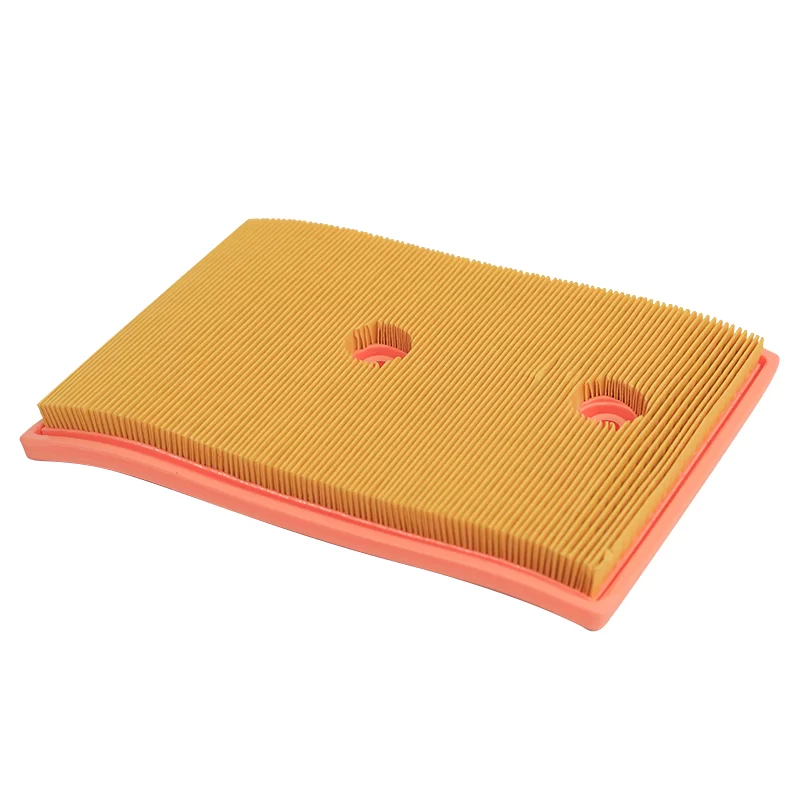
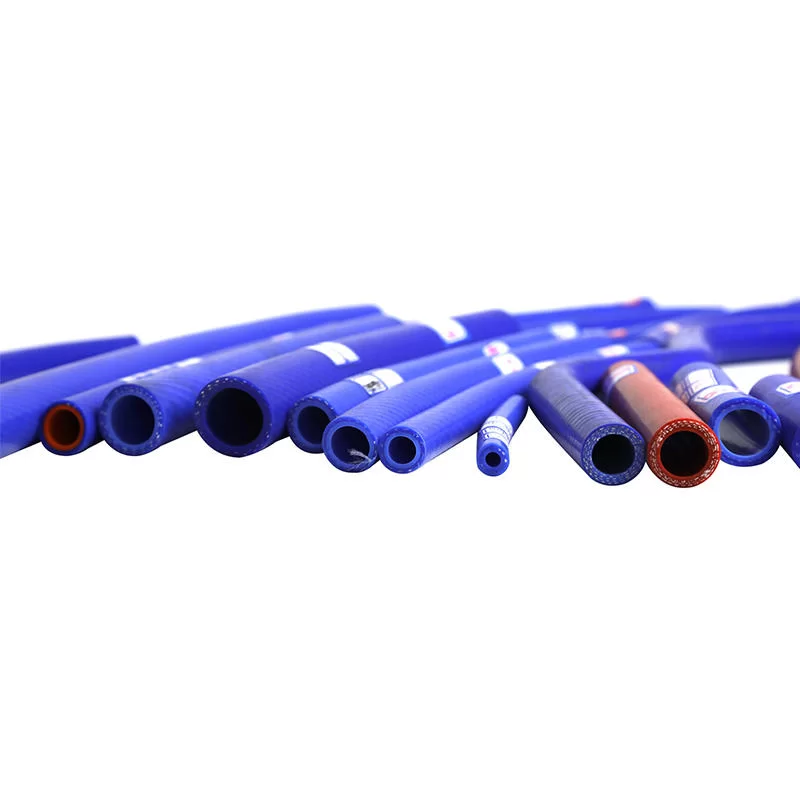
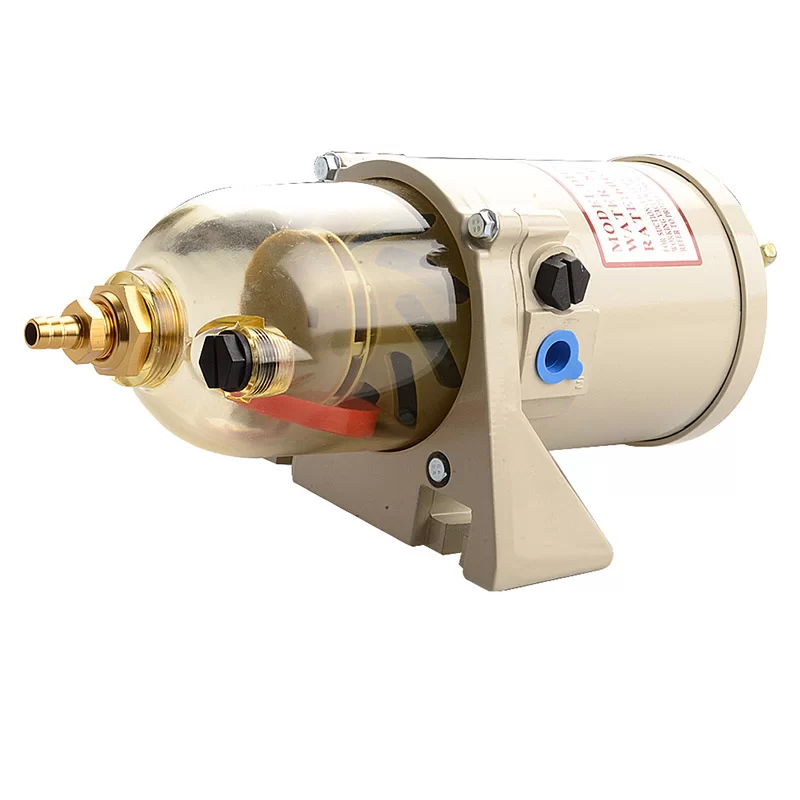
oil filters

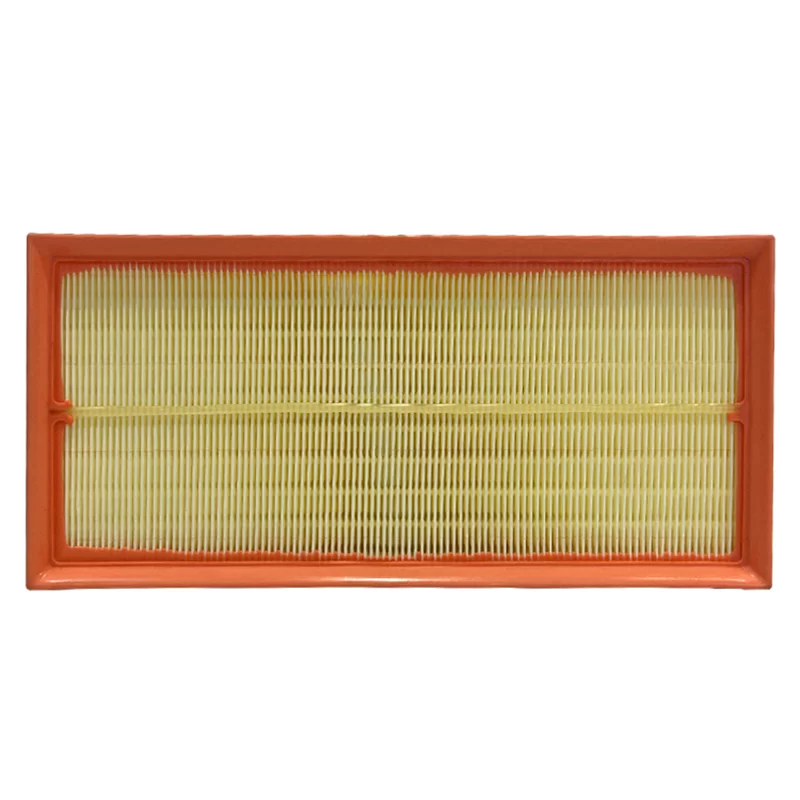
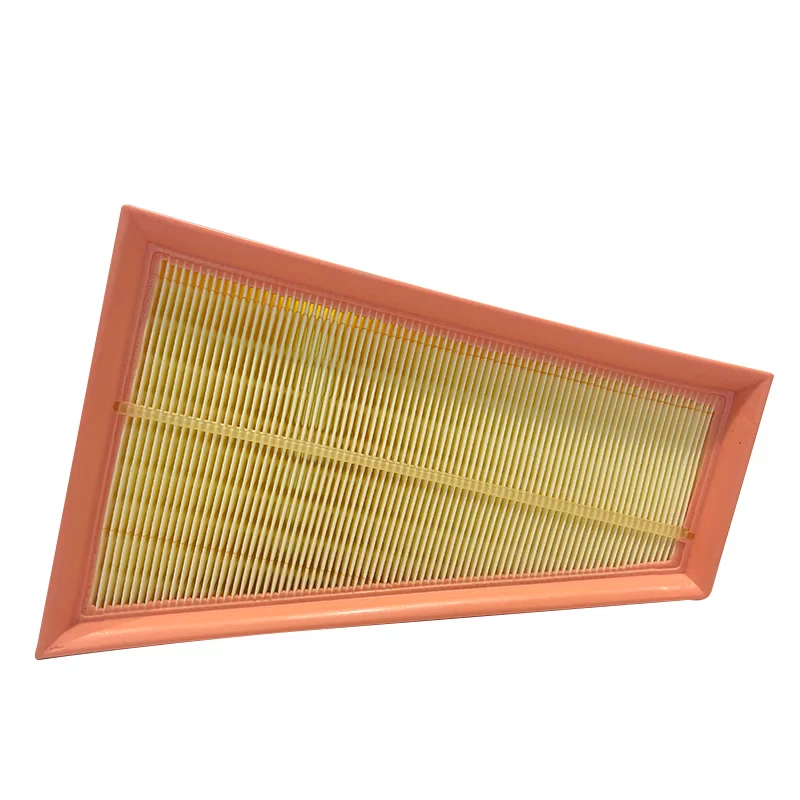
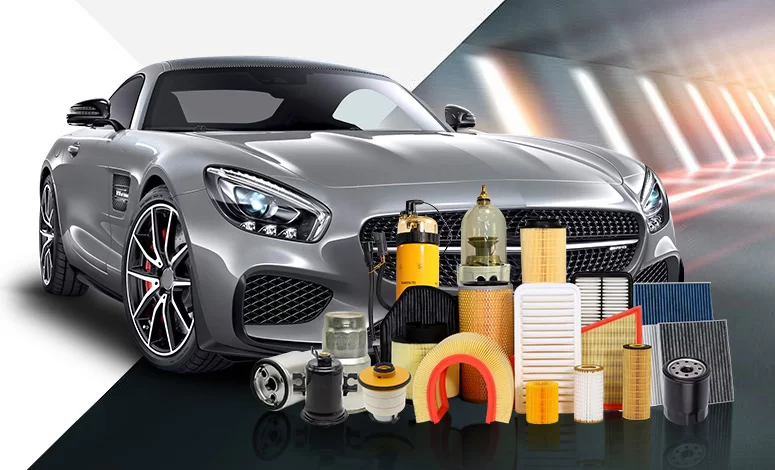
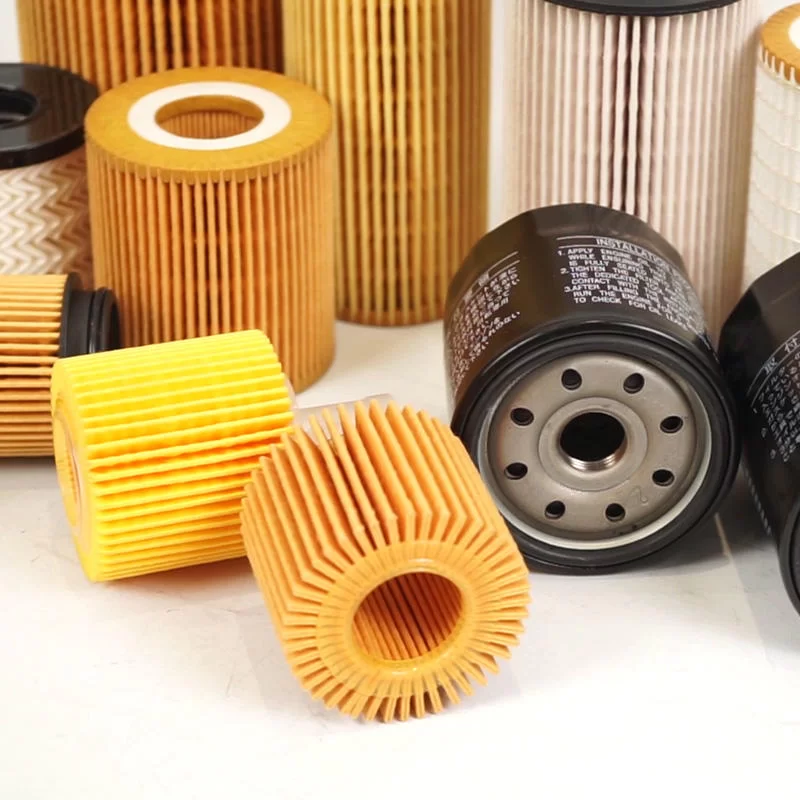
High-Efficiency car engine oil filter Solutions for the Netherlands Market

Precision-engineered filtration systems designed to withstand the rigorous demands of Dutch automotive logistics and urban transit environments.

High-Efficiency car engine oil filter Solutions for the Netherlands Market

Providing premium filtration components that ensure engine longevity and peak performance for passenger and commercial vehicles across the Netherlands, focusing on reducing carbon emissions and operational costs.

The State of Automotive Oil Filter Demand in the Netherlands

Analyzing the impact of the Dutch climate and strict EU emission norms on filtration technology.

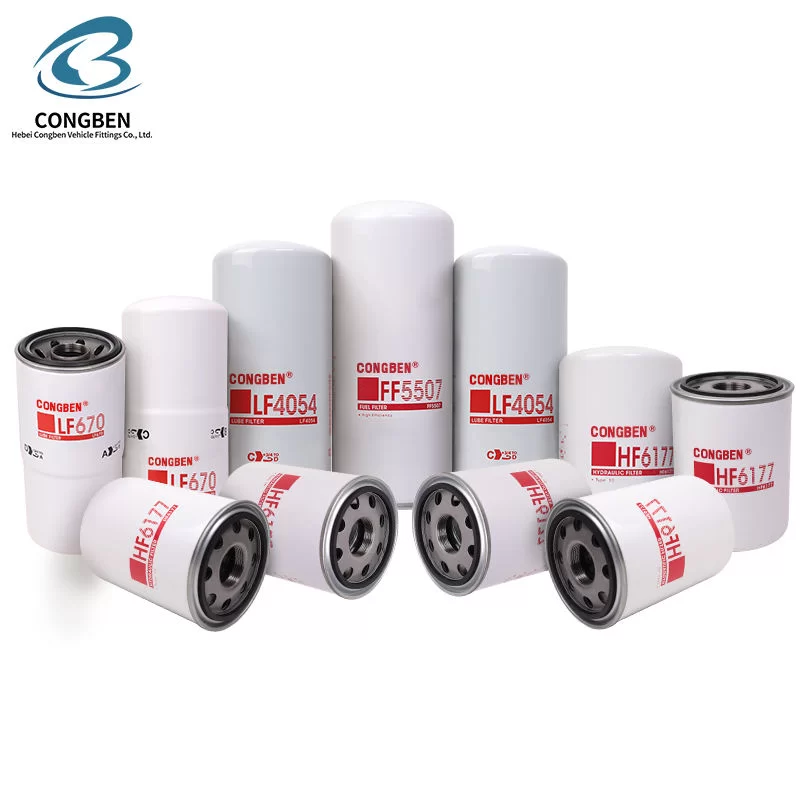
The Netherlands presents a unique challenge for vehicle maintenance due to its humid maritime climate and the prevalence of stop-and-go traffic in dense urban hubs like Amsterdam and Rotterdam. This environment accelerates the accumulation of contaminants in the engine oil, making a high-quality oil filter automotive essential for preventing premature engine wear.

Furthermore, the Dutch commitment to the Green Deal and strict Euro 6/7 emission standards has pushed the market toward advanced synthetic media. Traditional filters are no longer sufficient; there is a surging demand for high-precision engine oil filter element designs that can capture micro-particles without restricting oil flow during cold winter starts.

Economically, the Netherlands serves as a primary logistics gateway for Europe. This means a high concentration of heavy-duty fleet vehicles that operate under constant load, requiring industrial-grade filtration that minimizes downtime and optimizes the total cost of ownership (TCO) for transport companies.
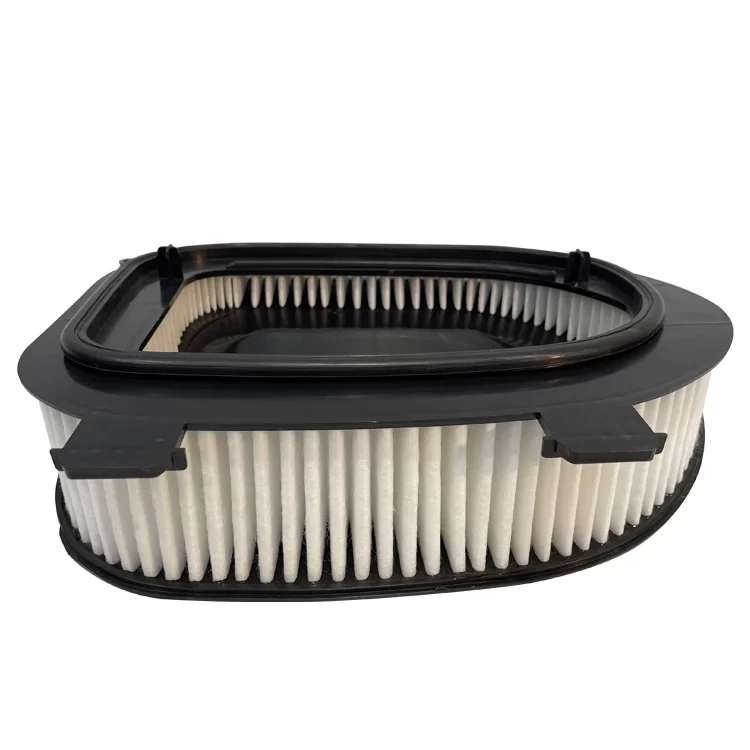
Evolution and Trajectory of Filtration Technology

From basic sediment trapping to intelligent molecular filtration.

Market Development History

In the late 20th century, the Dutch market relied heavily on standard cellulose-based filters. These provided basic protection but suffered from rapid degradation under the high moisture levels common in the Low Countries, leading to shorter service intervals.

Between 2010 and 2020, the industry shifted toward synthetic blend media. The introduction of the engin oil filter with glass fiber reinforcement allowed for better thermal stability and higher dirt-holding capacity, aligning with the transition to long-life synthetic oils.

Currently, the focus has pivoted toward "Eco-Filtration." Modern Dutch automotive standards now prioritize recyclable materials and ultra-low pressure drop designs to maximize fuel efficiency in compliance with national carbon reduction targets.

Future Development Trends

Nanofiber Integration

The next 3 years will see the adoption of nanofiber coatings that can trap particles smaller than 1 micron, significantly extending the life of high-performance turbocharged engines.

Biodegradable Housing

Driven by Dutch environmental legislation, we expect a transition from traditional steel canisters to reinforced bio-polymers that reduce landfill waste without compromising structural integrity.

Smart Monitoring Sensors

Integration of IoT sensors within the filter housing to provide real-time degradation data, moving the Netherlands from scheduled maintenance to predictive maintenance.

Industry Outlook & Future Projections

Strategic analysis of the automotive filtration landscape in Northern Europe.

Hybrid-Engine Optimization
Developing filters specifically for hybrid start-stop cycles that cause frequent oil temperature fluctuations.
Circular Economy Integration
Implementing closed-loop recycling programs for spent filter elements to meet Dutch waste laws.
Ultra-Low Viscosity Compatibility
Engineering media that maintains stability with 0W-8 and 0W-12 oils for maximum fuel economy.
Fleet-Wide Digital Tracking
Developing QR-coded filters for seamless tracking of replacement cycles in commercial fleets.

Industry Outlook

Based on current Google search trends in the Netherlands, there is a significant rise in queries related to "sustainable automotive maintenance" and "long-life engine protection." This indicates a consumer shift toward quality over price, where the value proposition is tied to the longevity of the engine.

We anticipate that the Netherlands will lead the European transition toward modular filtration systems, where the internal engine oil filter element is replaced while the outer shell is retained, drastically reducing material waste in line with the Dutch "Circular Economy 2050" goal.

Localized Application Scenarios in the Netherlands

Real-world implementations of our filtration technology across Dutch sectors.

1. Rotterdam Port Logistics Fleets

Heavy-duty trucks transporting containers from the port of Rotterdam face high-stress cycles. Our reinforced filters prevent contamination from saltwater air and industrial pollutants, extending oil life by 20%.

2. Amsterdam Urban Delivery Services

Small vans operating in the congested streets of Amsterdam experience frequent idling. Our low-pressure drop designs ensure critical oil flow even during low-RPM operation in heavy traffic.

3. Dutch Agricultural Machinery

Tractors in the fertile provinces of Zeeland and Gelderland operate in dusty environments. Our high-capacity filter elements are engineered to handle increased particulate loads from farm soil.

4. Schiphol Airport Ground Support

Ground support equipment requires 24/7 availability. We provide high-durability filters that support extended service intervals, minimizing disruption to aviation logistics.

5. North Sea Coastal Commuting

Vehicles in coastal regions face high humidity and salinity. Our anti-corrosive canister coatings protect the filter housing from the harsh North Sea maritime environment.

Brand Story

Global Development History of Hebei Congben Automotive Parts Co., Ltd.

Foundational Excellence

Established with a mission to solve the core pain point of engine friction and contamination, we began by mastering the metallurgy of filter housings.

Material Innovation

We transitioned from standard cellulose to proprietary synthetic blends, enabling our filters to meet the stringent requirements of European OEMs.

Global Certification

By achieving ISO and IATF 16949 certifications, we bridged the gap between manufacturing efficiency and global automotive quality standards.

European Expansion

We strategically entered the Dutch and German markets, tailoring our products to handle the specific climatic and regulatory demands of Northern Europe.

Sustainable Future

Today, we are pioneering biodegradable filtration media to ensure that automotive performance does not come at the cost of the planet.

Common Questions Regarding Automotive Filtration in the Netherlands

Expert answers to the most frequent technical queries from Dutch vehicle owners and fleet managers.

How often should I replace my car engine oil filter in the Dutch climate?

Due to the humid maritime weather and urban stop-start traffic in cities like Amsterdam, we recommend replacement every 15,000 km or once a year to ensure optimal oil purity.

Can a high-quality engine oil filter element improve fuel efficiency?

Yes. By maintaining a low pressure drop and ensuring the oil remains free of contaminants, the engine operates with less internal friction, which marginally improves fuel economy.

What is the difference between a standard and a premium oil filter automotive?

Premium filters utilize synthetic glass fiber media instead of basic cellulose, offering superior filtration efficiency (capturing smaller particles) and higher thermal stability.

Are your automotive oil filter products compliant with EU emission laws?

Absolutely. Our products are engineered to support Euro 6 and upcoming Euro 7 standards by ensuring the cleanest possible lubrication for modern emissions-controlled engines.

How does the engin oil filter protect against cold starts in winter?

Our filters feature high-flow bypass valves and specialized media that allow oil to circulate quickly during cold Dutch winters, preventing engine starvation during the first few seconds of ignition.

Can I use the same filter for both petrol and diesel engines?

No. Diesel engines produce different types of soot and operate under higher pressures; therefore, they require a specific filter element designed for those parameters.

Partner with the Filtration Experts

Ready to optimize your fleet's performance? Our technical team is available to provide customized filtration strategies for your business in the Netherlands.

Contact Us Now

If you are interested in our products, you can choose to leave your information here, and we will be in touch with you shortly.