
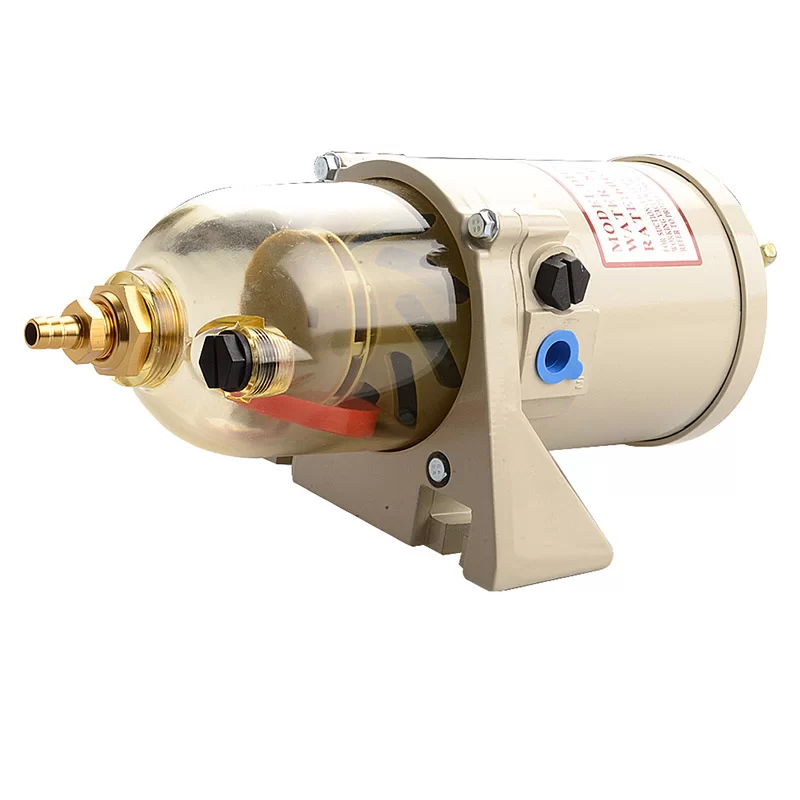
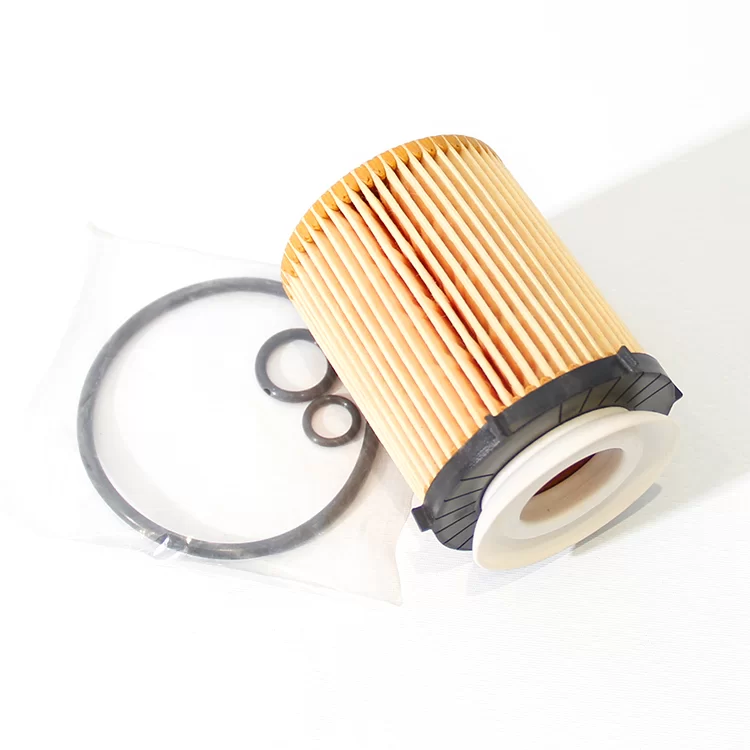
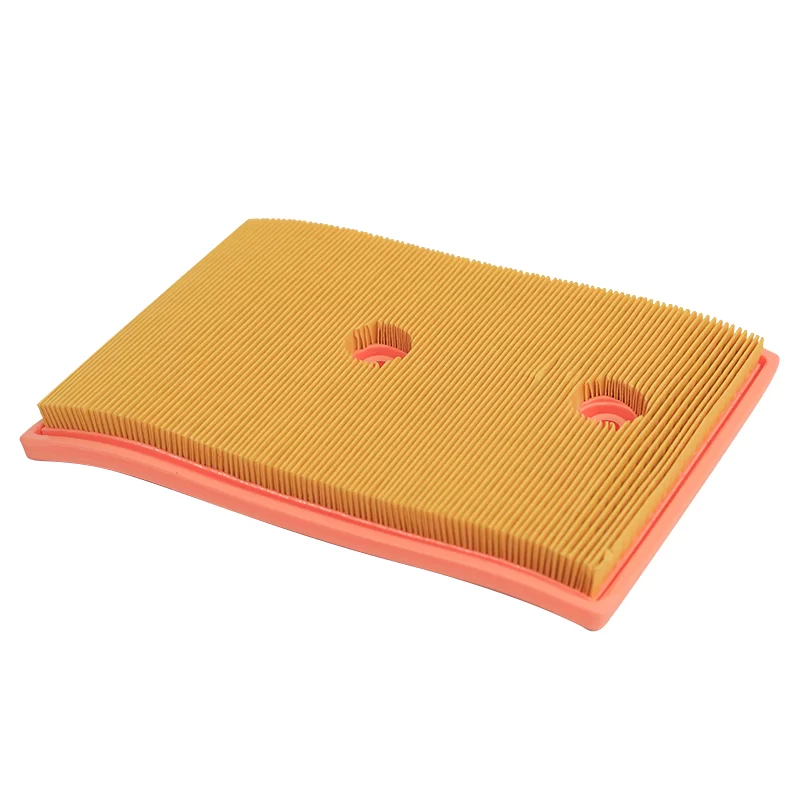
oil filters

High-Performance car engine oil filter Solutions for Canada

Engineering premium filtration systems to withstand extreme Canadian climates and ensure peak engine longevity.

High-Performance car engine oil filter Solutions for Canada

Providing advanced lubrication purity through precision-engineered filtration components designed for the rigorous demands of the Canadian automotive market.

Current Landscape of automotive oil filter Market in Canada

Analyzing the impact of extreme temperature fluctuations on lubrication systems.

In Canada, the automotive industry faces unique challenges due to extreme seasonal temperature swings. The demand for a robust oil filter automotive is driven by the need to maintain oil flow during harsh winters in provinces like Alberta and Quebec, where cold-start viscosity can lead to premature engine wear.

Economic shifts toward hybrid vehicles and the prevalence of heavy-duty trucks for regional logistics have diversified the technical requirements. Current market trends show a significant move toward synthetic-compatible filtration media that can handle long-drain intervals without sacrificing efficiency.

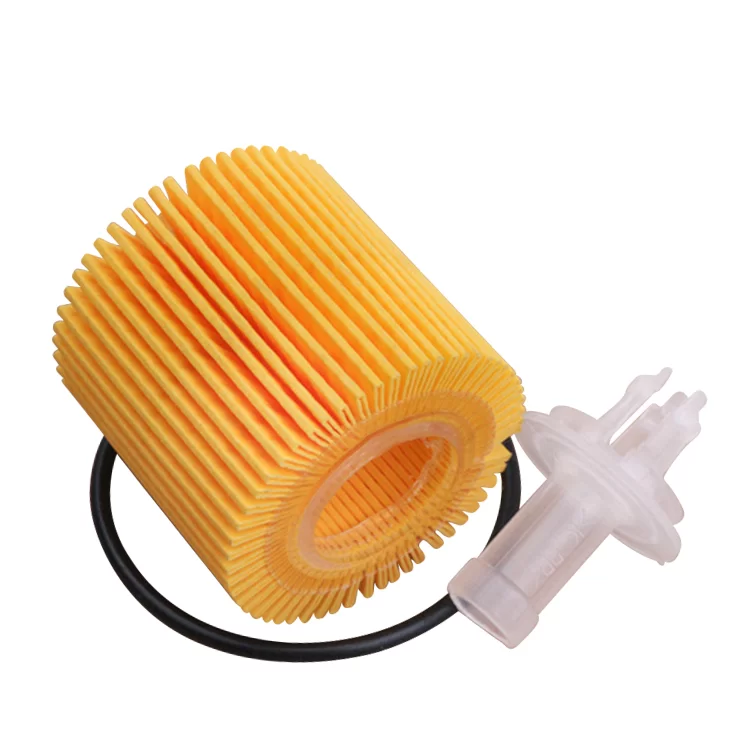
Moreover, Canadian environmental regulations are pushing for sustainable materials. This has led to an increase in the adoption of high-efficiency engine oil filter element designs that reduce waste while maximizing the contaminant removal rate.
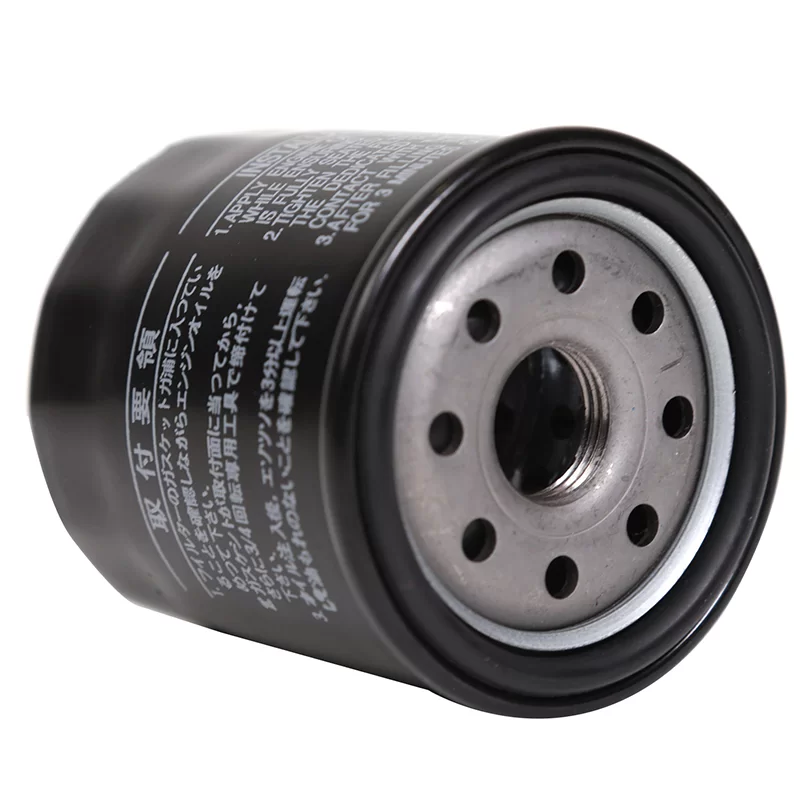
Evolution and Trajectory of Filtration Technology

From basic sediment traps to micron-level precision engineering.

Market Development History

From the early 20th century, Canadian automotive filtration relied on simple cellulose-based screens. However, by the 1970s, the introduction of spin-on designs revolutionized the engin oil filter market, offering easier maintenance and better sealing for domestic fleets.

The 1990s to 2010s marked the era of synthetic blend media. As engine tolerances became tighter, the industry shifted from coarse filtration to precision-layered elements, integrating bypass valves that prevent oil starvation during freezing Canadian winters.

In the modern era, the focus has transitioned to "intelligent filtration." Today's components utilize electrostatically charged fibers to capture particles smaller than 10 microns, ensuring that modern turbocharged engines remain protected from microscopic abrasives.

Future Development Trends

Nanofiber Integration

The next 3 years will see a widespread transition to nanofiber-infused media, significantly increasing dirt-holding capacity without increasing the physical size of the filter.

Eco-Friendly Biodegradable Housings

Driven by Canada's Green Plan, we expect a surge in biodegradable or fully recyclable housing materials to replace traditional plastics and metals.

Sensor-Integrated Monitoring

Integration of pressure-drop sensors within the filter assembly will allow real-time monitoring of filter health, moving from scheduled maintenance to condition-based replacement.

Industry Outlook and Future Projections

Strategic forecasting for the North American filtration sector.

Ultra-Low Temperature Resilience
Development of seals and adhesives specifically rated for -40°C to ensure leak-proof performance in the Arctic regions of Canada.
EV Fluid Filtration
Adapting oil filter technology for thermal management fluids used in electric vehicle battery cooling systems.
Extended Service Intervals
Engineering high-capacity media that aligns with the move toward 15,000+ km oil change intervals.
AI-Driven Design
Using computational fluid dynamics (CFD) to optimize oil flow and reduce pressure drop across the filter element.

Industry Outlook

Google search trends indicate a rising interest in "long-life oil filters" and "synthetic engine protection" across Canadian provinces. This suggests that consumers are increasingly prioritizing long-term engine health over low initial part costs.

The shift toward a greener economy in North America will compel manufacturers to integrate more circular economy principles, making the regeneration of filter elements a potential future business model.

Canadian Localized Application Scenarios

Tailored filtration solutions for diverse Canadian terrains and usage patterns.

01. Arctic Winter Cold-Starts in Yukon & Nunavut

Utilizing specialized bypass valves that ensure oil reaches critical engine components instantly, preventing dry-starts in sub-zero temperatures.

02. Heavy-Duty Mining Logistics in British Columbia

High-capacity filters designed for heavy-duty trucks hauling ore through mountainous terrain, focusing on maximum contaminant trapping during extended hauls.

03. Urban Commuting in Toronto & Vancouver

Optimized for stop-and-go traffic patterns where idling increases carbon buildup, requiring a highly efficient car engine oil filter to maintain purity.

04. Agricultural Machinery in the Prairies

Enhanced dust-rejection filtration for tractors and harvesters operating in the windy, dusty environments of Saskatchewan and Manitoba.

05. Long-Distance Haulage across the Trans-Canada Highway

Implementing long-life filter elements that maintain structural integrity over thousands of kilometers without needing premature replacement.

Brand Story

Global Development Journey of Hebei Congben Auto Parts Co., Ltd.

Foundation & Engineering Roots

Started with a commitment to precision, we focused on solving the core pain point of premature engine wear through superior filtration media.

Technological Breakthroughs

Developed proprietary composite filter materials that outlasted industry standards, enabling us to enter the high-demand North American market.

Global Quality Certification

Achieved international ISO certifications, ensuring every product meets the stringent safety and performance requirements of global automotive OEMs.

Canadian Market Expansion

Tailored our product lines specifically for the Canadian climate, establishing a reputation for reliability in extreme cold environments.

Vision for a Greener Future

Leading the transition toward sustainable filtration, combining high efficiency with environmentally responsible manufacturing processes.

Common Questions for Canadian Automotive Filtration

Expert answers to the most frequent technical queries from our local partners.

How does a car engine oil filter handle extreme Canadian winters?

Our filters feature specialized anti-drainback valves and temperature-resilient seals that prevent oil from draining back into the pan, ensuring immediate lubrication during cold starts.

What is the difference between a standard and a high-efficiency engine oil filter element?

High-efficiency elements use synthetic blend or nanofiber media to capture smaller particles (down to 1-5 microns) compared to standard cellulose filters, significantly extending engine life.

Can I use a generic oil filter automotive for a turbocharged engine?

It is not recommended. Turbocharged engines generate more heat and pressure; they require filters with higher burst strength and better heat resistance to prevent failure.

How often should I replace my engin oil filter in Canada?

While modern synthetics allow longer intervals, we recommend changing the filter every 8,000 to 12,000 km, especially if you frequently drive in stop-and-go urban traffic.

Do synthetic oils require a specific type of automotive oil filter?

Yes, synthetic oils can dissolve some low-quality glues used in cheap filters. Our filters use high-grade synthetic binders to ensure compatibility and durability.

What happens if an engine oil filter element becomes completely clogged?

Our filters include a safety bypass valve. When clogged, the valve opens to allow unfiltered oil to reach the engine, which is safer than having no oil flow at all, though replacement becomes urgent.

Expert Filtration Support for Canada

Ready to upgrade your fleet's protection? Our engineers are available to provide customized filtration strategies for the Canada market.

Contact Us Now

If you are interested in our products, you can choose to leave your information here, and we will be in touch with you shortly.