
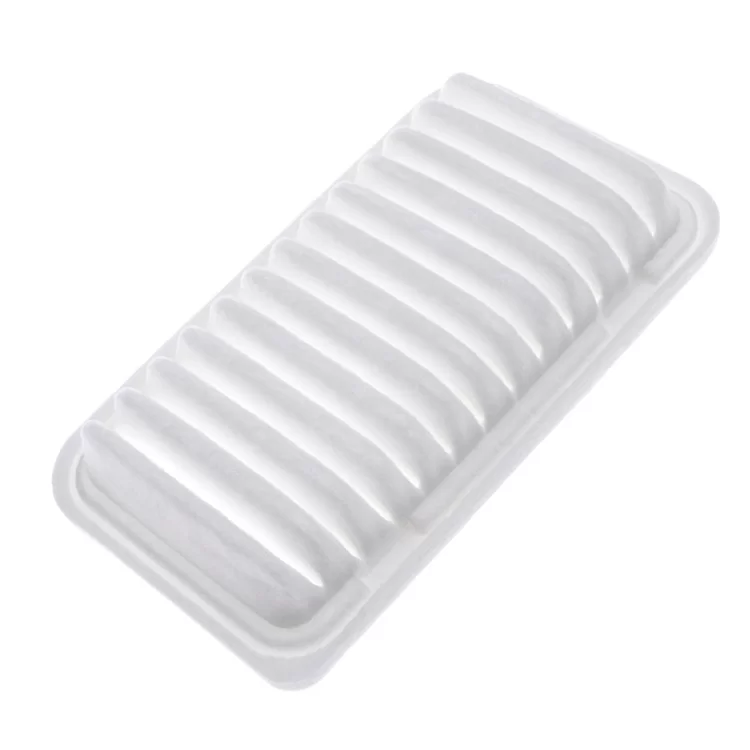
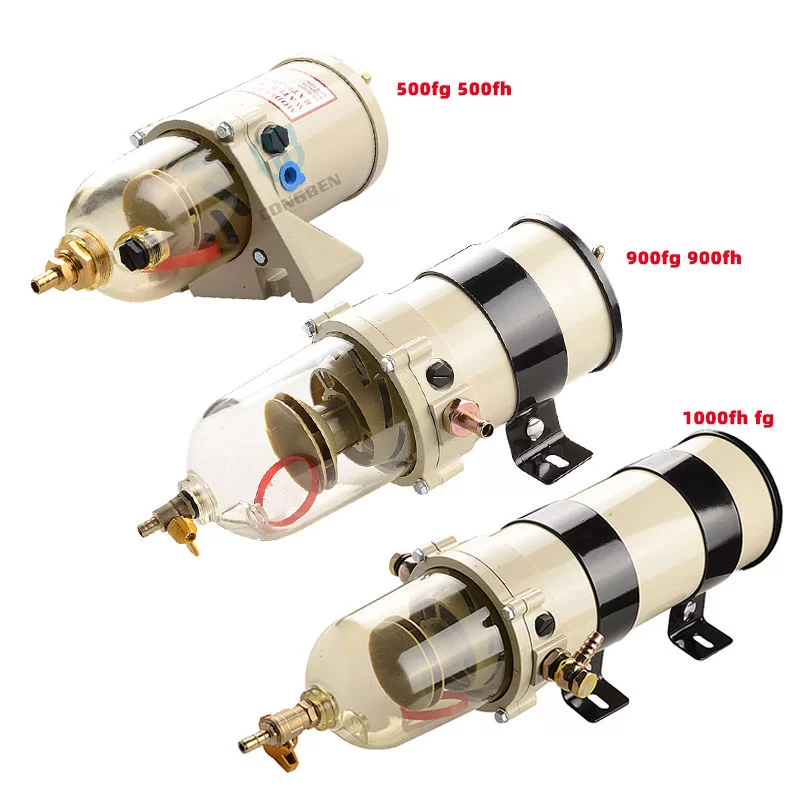
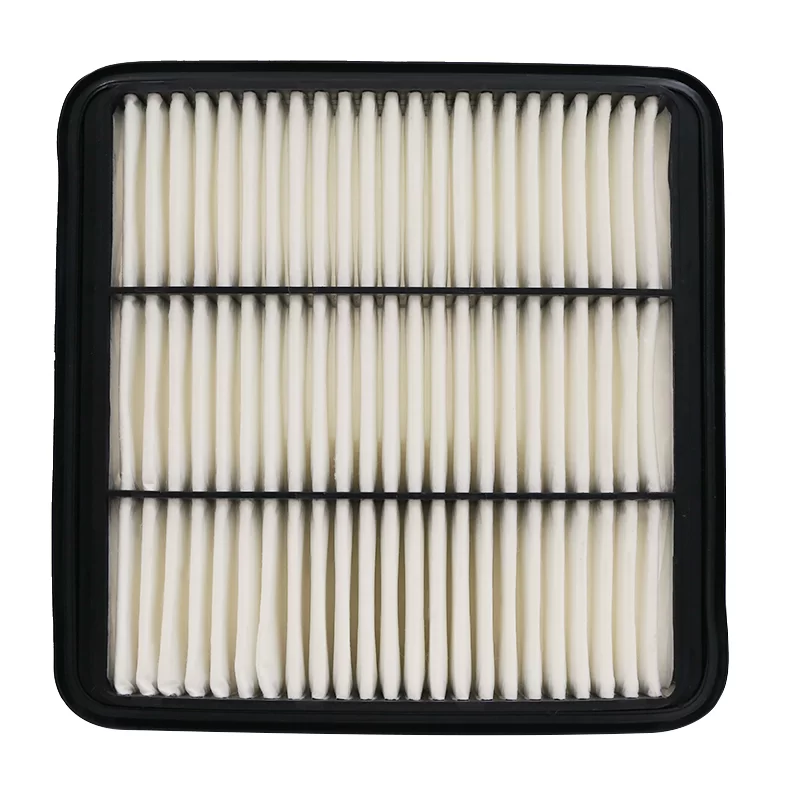
oil filters

High-Performance car engine oil filter Solutions for Indonesia

Engineered for tropical durability and extreme urban congestion, ensuring maximum engine longevity across the Indonesian archipelago.

High-Performance car engine oil filter Solutions for Indonesia

Providing industrial-grade filtration technology to combat the unique environmental challenges of the Indonesian automotive market, from Jakarta's traffic to Kalimantan's dust.

The Current Landscape of Automotive Oil Filter Usage in Indonesia

Analyzing the impact of humidity and urban smog on engine oil purity.

In Indonesia, the automotive sector faces severe challenges due to high ambient temperatures and extreme humidity. These conditions accelerate the oxidation of engine oil, making the role of a high-quality oil filter automotive critical for preventing sludge buildup in stop-and-go city traffic.

The prevalence of "ojek" (motorcycle taxis) and heavy logistics trucks in cities like Surabaya and Jakarta means engines run for extended periods at low speeds. This creates a high demand for a durable engin oil filter that can handle prolonged heat cycles without structural failure.

Furthermore, the diverse terrain—ranging from coastal humidity to volcanic ash in certain regions—requires a filtration medium that can capture a wide spectrum of particulate matter, ensuring that the lubrication system remains uncontaminated.
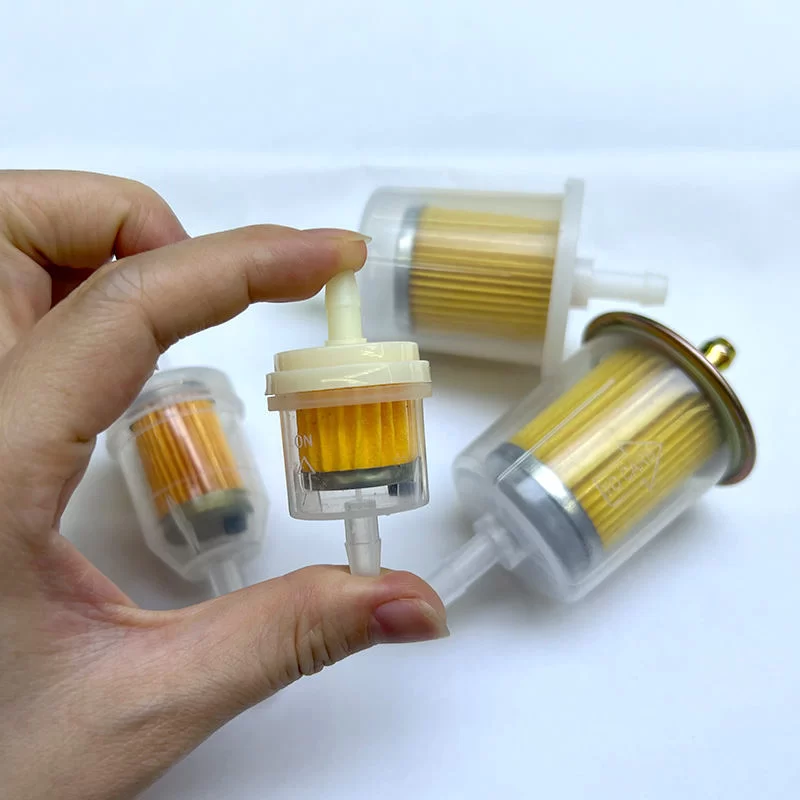
Evolution and Trajectory of Filtration Technology

From basic cellulose to advanced synthetic composite media.

Market Development History

From 1990 to 2010, the Indonesian market relied heavily on basic cellulose-based engine oil filter element designs. These filters provided basic protection but struggled with the high moisture content typical of the region.

Between 2010 and 2020, there was a shift toward synthetic blend media. As European and Japanese vehicle standards entered the market, the demand for higher micron ratings and better bypass valve precision became the industry standard.

Since 2021, the focus has shifted toward "Ultra-Efficiency" filtration. The integration of nano-fiber technology allows for higher dirt-holding capacity while maintaining a low pressure drop, essential for modern turbocharged engines common in new Indonesian imports.

Future Development Trends

Smart Filtration Monitoring

Integration of sensors to monitor real-time pressure drops, alerting drivers in Jakarta when a filter is clogged before engine damage occurs.

Biodegradable Filter Media

Moving toward sustainable, plant-based synthetic fibers to align with Indonesia's growing commitment to green manufacturing and waste reduction.

High-Viscosity Oil Compatibility

Developing elements specifically designed for the synthetic high-viscosity oils required for heavy-duty mining equipment in Papua and Sumatra.

Industry Trends and Future Outlook

Strategic projections for the next 3-5 years in the ASEAN automotive hub.

Nano-Fiber Integration
Widespread adoption of nano-fiber layers to capture sub-micron particles, significantly extending engine life in dusty environments.
EV Hybrid Adaptation
Developing specialized filters for Hybrid Electric Vehicles (HEVs) that handle intermittent engine starts and stops.
Eco-Friendly Materials
Implementation of recyclable casing and compostable filter media to meet new ASEAN environmental regulations.
Precision Manufacturing
Using AI-driven quality control to eliminate seal leakage, a common failure point in high-pressure tropical climates.

Industry Outlook

Based on Google search trends, there is a surging interest in "long-life oil filters" and "synthetic filter elements" within the Indonesian market. This indicates a shift in consumer behavior from cheap, frequent replacements to high-value, durable components.

We anticipate that the synergy between high-efficiency filtration and synthetic lubricant adoption will drive the market toward premium-tier components, with a specific focus on reducing carbon footprints and enhancing fuel efficiency.

Localized Application Scenarios in Indonesia

Real-world deployments of our filtration technology across various Indonesian sectors.

01. Urban Logistics in Jakarta

Deployment of high-capacity filters in delivery fleets that face constant stop-and-go traffic, preventing oil degradation caused by overheating in dense urban corridors.

02. Mining Operations in Kalimantan

Using heavy-duty elements that resist extreme dust infiltration, ensuring that large-scale machinery maintains lubrication integrity in remote mining sites.

03. Inter-City Transit on Trans-Java Toll Road

Application of high-flow filters for long-haul buses and trucks, optimizing oil flow during sustained high-speed operation across the Java island.

04. Agricultural Transport in Sumatra

Providing ruggedized filtration solutions for palm oil transport vehicles that operate on unpaved, muddy roads with high particulate exposure.

05. Coastal Shipping Support in Bali

Specialized corrosion-resistant casing for vehicle filters operating in high-salinity coastal environments to prevent external rust and leakage.

Brand Story

Global Development History of Hebei Congben Automotive Parts Co., Ltd.

Foundational Engineering

Established with a mission to solve the core pain point of premature engine wear through precision filtration technology.

Technical Breakthroughs

Developed proprietary synthetic media that outperformed traditional cellulose in extreme temperature tests.

Global Expansion

Expanded operations to serve the ASEAN market, tailoring products for the specific climate of Indonesia.

Quality Certification

Achieved international ISO standards, ensuring every filter meets stringent global safety and efficiency benchmarks.

Future Vision

Leading the transition toward smart, sustainable filtration to protect the next generation of global engines.

Common Questions regarding Automotive Filtration in Indonesia

Expert answers to the most frequent technical queries from local distributors and users.

How often should I replace my automotive oil filter in Jakarta's traffic?

Due to severe congestion and idling, we recommend replacing the filter every 5,000 to 7,500 km to prevent oil sludge buildup.

Can a high-quality engine oil filter element improve fuel efficiency?

Yes, by reducing friction through cleaner oil and optimizing oil flow pressure, the engine operates more efficiently, reducing fuel consumption.

What is the best oil filter automotive for diesel trucks in Sumatra?

For diesel engines in high-dust areas, we recommend synthetic composite filters with a higher dirt-holding capacity and reinforced seals.

Why is my engin oil filter clogging faster than expected?

High ambient humidity and poor air filtration can introduce contaminants into the oil, accelerating the clogging process in tropical climates.

Does the car engine oil filter vary between different Indonesian vehicle brands?

Yes, thread sizes and gasket diameters vary. We provide a comprehensive cross-reference guide for Toyota, Mitsubishi, and Honda models common in Indonesia.

How do I identify a genuine high-performance filter element?

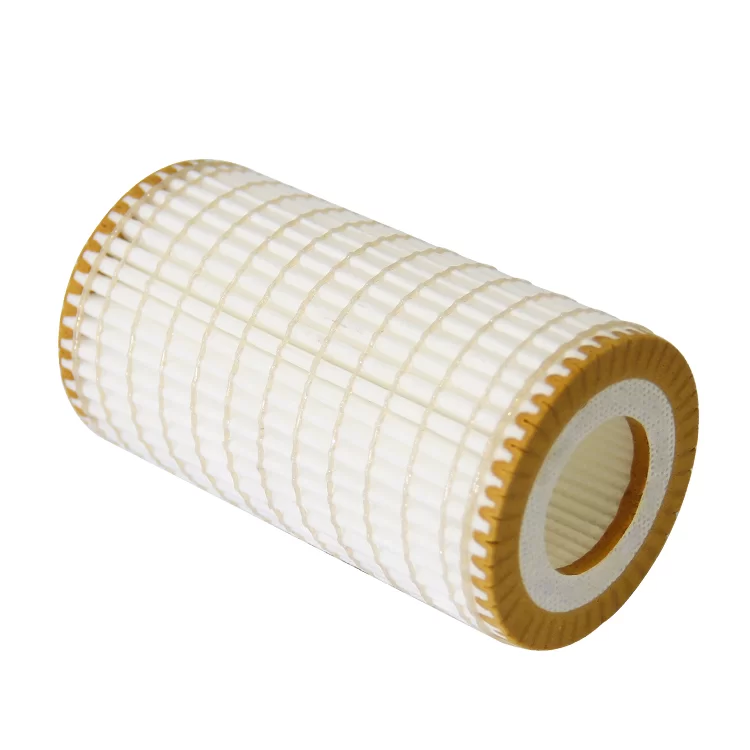
Genuine filters feature precision-pleated media, high-grade anti-corrosion coating on the shell, and certified pressure-relief valves.

Partner With Our Filtration Experts

Looking for reliable automotive parts supply in Indonesia? Contact us for bulk orders and technical support.

Contact Us Now

If you are interested in our products, you can choose to leave your information here, and we will be in touch with you shortly.