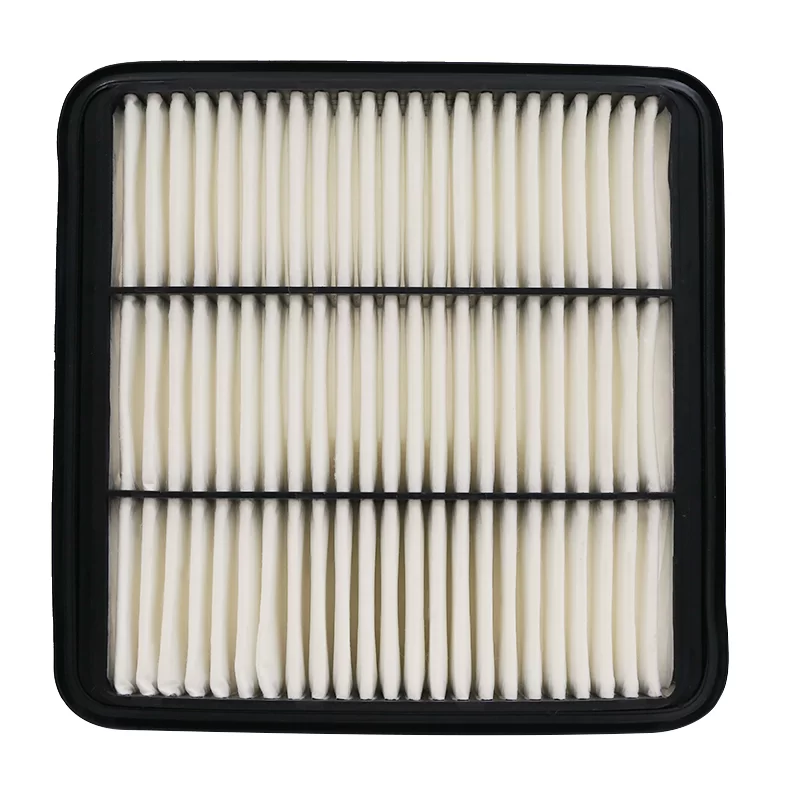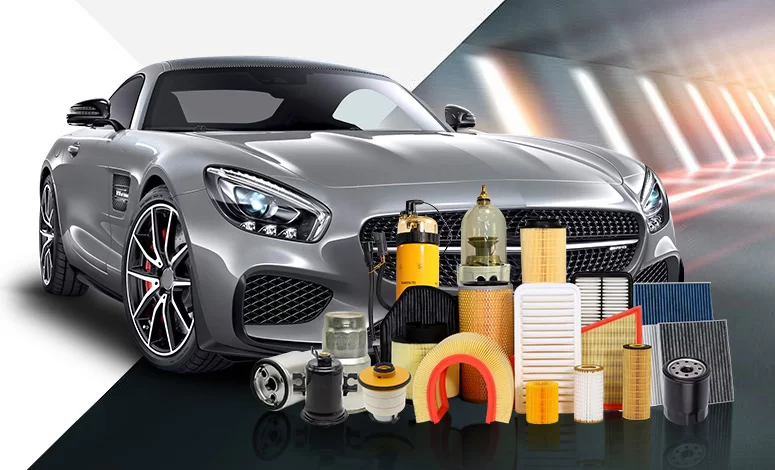

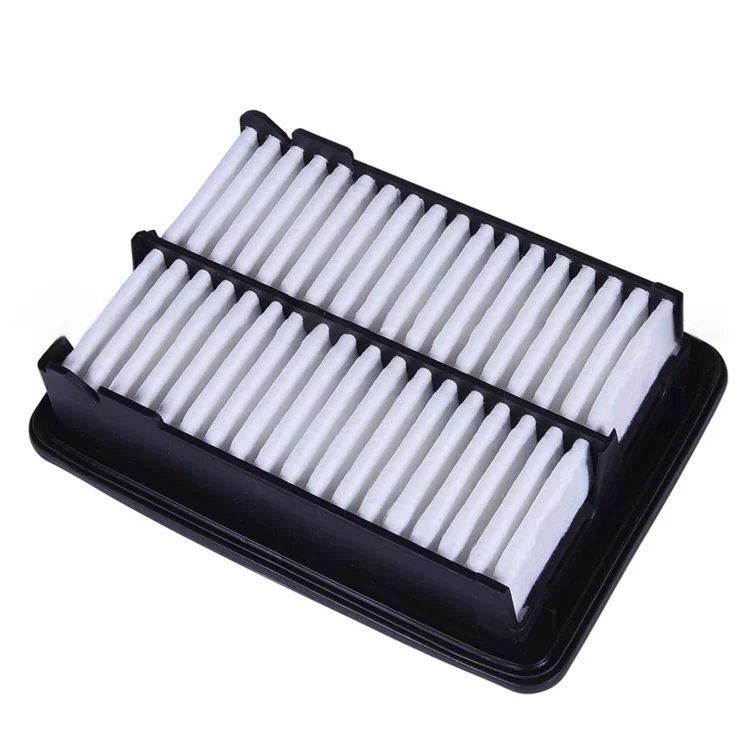
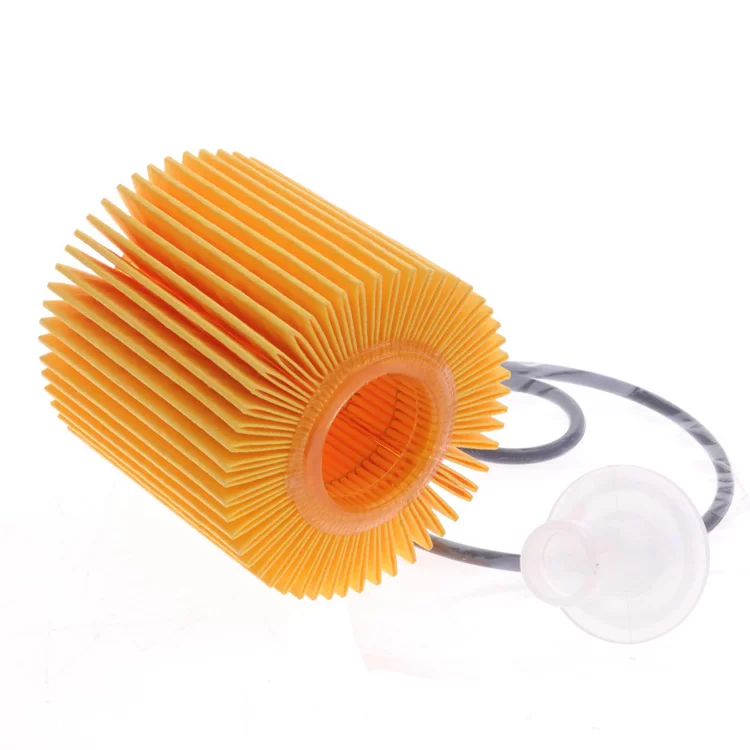
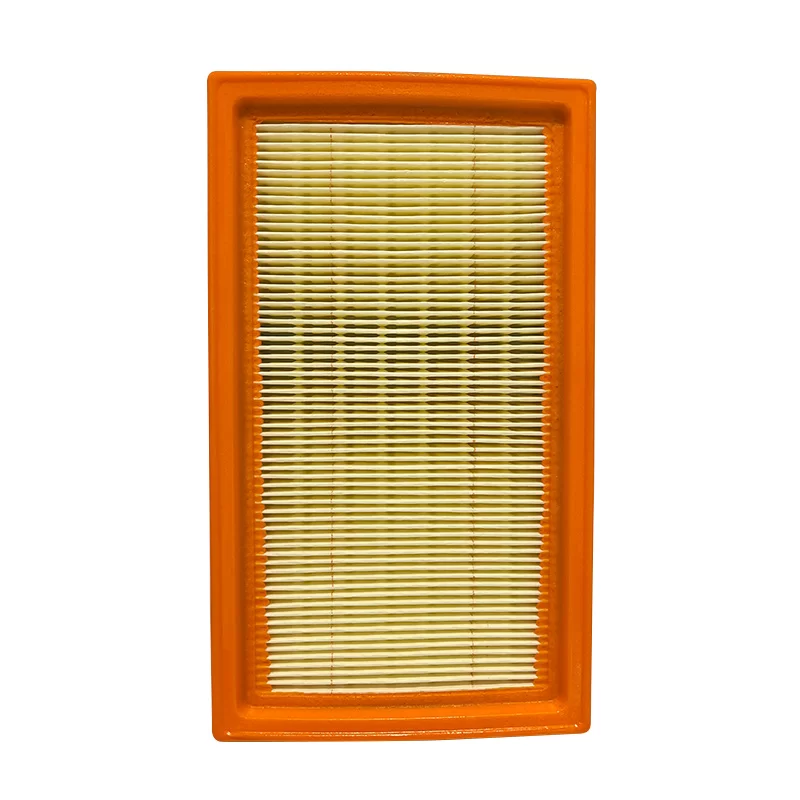
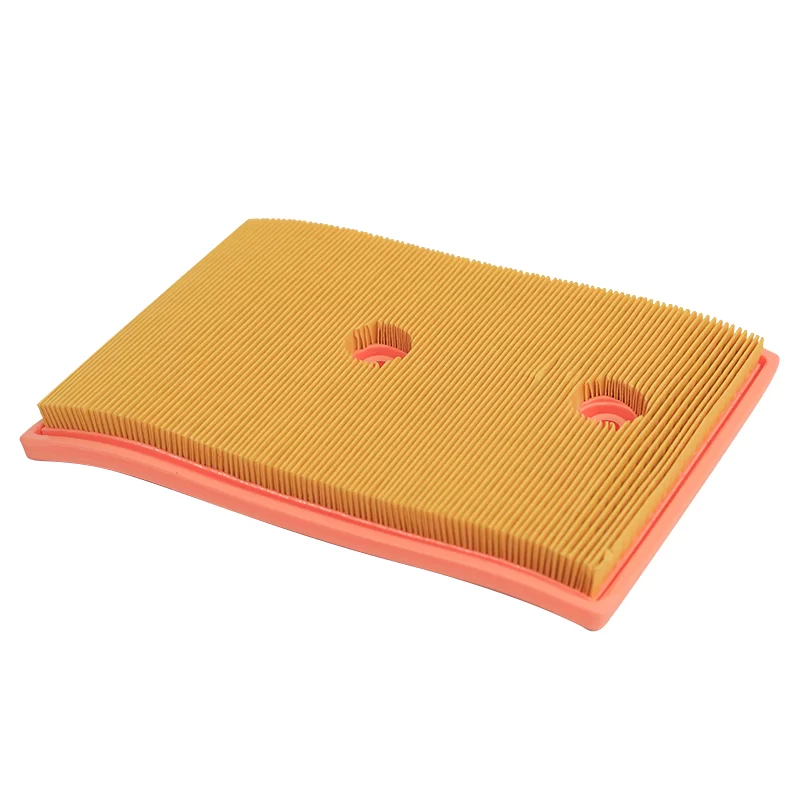
oil filters

High-Performance car engine oil filter Solutions for Myanmar Market

Engineered for extreme durability to withstand Myanmar's tropical climate and dusty road conditions, ensuring peak engine longevity.

Current Market Landscape of Automotive Oil Filter in Myanmar

Analyzing the impact of environmental stressors on engine filtration needs in Myanmar.

Myanmar's automotive sector faces unique challenges due to its humid tropical climate and significant amount of airborne particulates on rural and urban roads. The demand for a robust oil filter automotive is driven by the need to prevent premature engine wear caused by contaminated lubricants in high-temperature environments.

Currently, the market is transitioning from basic low-cost imports to high-efficiency filtration systems. Many vehicle owners in cities like Yangon and Mandalay are increasingly seeking specialized engine oil filter element options that can handle longer intervals between services despite heavy stop-and-go traffic.

Economic fluctuations have led to a surge in the "refurbishment" culture, where maintaining existing vehicles is preferred over buying new ones. This has created a critical dependency on high-quality aftermarket filtration to extend the lifecycle of aging internal combustion engines across the country.
Evolution of Filtration Technology in Myanmar

From basic mechanical sieves to advanced synthetic media filtration.

Market Development History

In the early 2000s, the Myanmar market relied primarily on basic cellulose-based filters. These traditional designs offered limited filtration efficiency and were prone to degradation under the intense humidity of the region, leading to frequent oil changes.

Around 2010-2015, there was a shift toward blended synthetic media. The introduction of the engin oil filter with synthetic fibers allowed for better contaminant capture and higher flow rates, catering to the influx of newer Japanese and Korean vehicle models.

From 2018 to the present, the industry has moved toward precision-engineered elements. The focus has shifted to micron-level filtration and high-pressure resistance, ensuring that oil flow remains constant even under the extreme thermal stress common in Southeast Asian logistics.

Future Development Trends

Nano-Fiber Integration

The next 3 years will see a shift toward nano-fiber media which significantly increases the surface area for trapping microscopic carbon deposits.

Eco-Friendly Biodegradable Media

Driven by global sustainability trends, there is a growing move toward recyclable filter housings and biodegradable filtration media to reduce industrial waste in Myanmar.

Smart Monitoring Integration

Integration of sensor-ready filters that can signal the exact moment of saturation, reducing unnecessary replacements and optimizing maintenance schedules.

Industry Trends and Future Outlook

Navigating the transition toward high-efficiency and sustainable automotive filtration.

Synthetic Media Shift
Rapid adoption of synthetic blends to handle the high-carbon deposits typical in regional fuel grades.
Extended Service Intervals
Engineering filters for 15,000km+ lifespans to reduce maintenance downtime for commercial fleets.
Precision Micron Rating
Moving toward 10-20 micron absolute ratings to protect modern high-compression engines.
OEM Standard Compliance
Strict alignment with ISO 4548-12 standards to ensure global quality compatibility.

Industry Outlook

Based on Google search trends for "automotive maintenance Myanmar," there is a clear spike in interest regarding engine protection and fuel efficiency. The future of the industry lies in the convergence of material science and regional adaptation, where filters are no longer "one size fits all" but are tuned for specific environmental loads.

We predict that the demand for high-grade filtration will grow by 15% annually as Myanmar's logistics infrastructure expands, requiring more heavy-duty vehicles that demand uncompromising oil purity to maintain uptime.

Localized Application Scenarios in Myanmar

How our filtration solutions perform in real-world Myanmar environments.

01. Urban Commuting in Yangon

Dealing with extreme stop-and-go traffic and high ambient heat, our filters prevent oil oxidation and trap fine city smog particles.

02. Rural Logistics in Upper Myanmar

For trucks transporting goods on dusty, unpaved roads, our high-capacity elements provide superior protection against coarse dust ingress.

03. Heavy-Duty Construction Machinery

In infrastructure projects, where engines run at peak load for 12+ hours, our filters ensure consistent lubrication and pressure stability.

04. Coastal Transport in Rakhine/Tanintharyi

Combating salt-air corrosion and high humidity with specialized anti-corrosive outer shells for long-term durability.

05. Agricultural Machinery in Delta Regions

Optimized for tractors and harvesters operating in muddy environments where oil contamination risks are highest.

Brand Story

Global Development History of Hebei Congben Automotive Parts Co., Ltd.

Founding Excellence

Established with a vision to revolutionize filtration, focusing on the fundamental physics of oil flow and particle entrapment.

Technical Innovation

Developed proprietary synthetic blends that outperformed standard cellulose filters in high-heat stress tests.

Global Expansion

Expanded operations to Southeast Asia, specifically tailoring products for the unique demands of the Myanmar automotive market.

Quality Certification

Achieved international ISO certifications, ensuring every filter produced meets rigorous global safety and efficiency standards.

Sustainable Future

Currently investing in green manufacturing to provide the automotive world with eco-friendly filtration without compromising performance.

Frequently Asked Questions in Myanmar

Expert answers to common queries about engine oil filtration.

How often should I replace my car engine oil filter in Myanmar's climate?

Due to high dust levels and humidity, we recommend replacing the filter every 5,000 to 7,500 km, or with every oil change to ensure maximum engine protection.

Can a low-quality oil filter automotive cause engine failure?

Yes. Poor quality filters can collapse or allow contaminants to pass through, leading to accelerated wear on bearings and pistons, potentially causing catastrophic engine failure.

What is the advantage of a synthetic engine oil filter element?

Synthetic elements offer higher filtration efficiency, better durability under heat, and a longer service life compared to traditional paper filters.

How do I know if my engin oil filter is clogged?

Common signs include a drop in oil pressure, unusual engine noise, or the activation of the oil warning light on your dashboard.

Are these filters compatible with Japanese car brands popular in Myanmar?

Yes, our product line is specifically engineered to meet or exceed OEM specifications for Toyota, Honda, and Nissan vehicles widely used in the region.

Does the automotive oil filter affect fuel efficiency?

Indirectly, yes. A clean filter ensures optimal oil flow and reduced internal friction, which helps the engine run more efficiently and maintain better fuel economy.

Get Expert Filtration Advice

Contact our technical team today to find the perfect filtration match for your fleet in Myanmar.

Contact Us Now

If you are interested in our products, you can choose to leave your information here, and we will be in touch with you shortly.