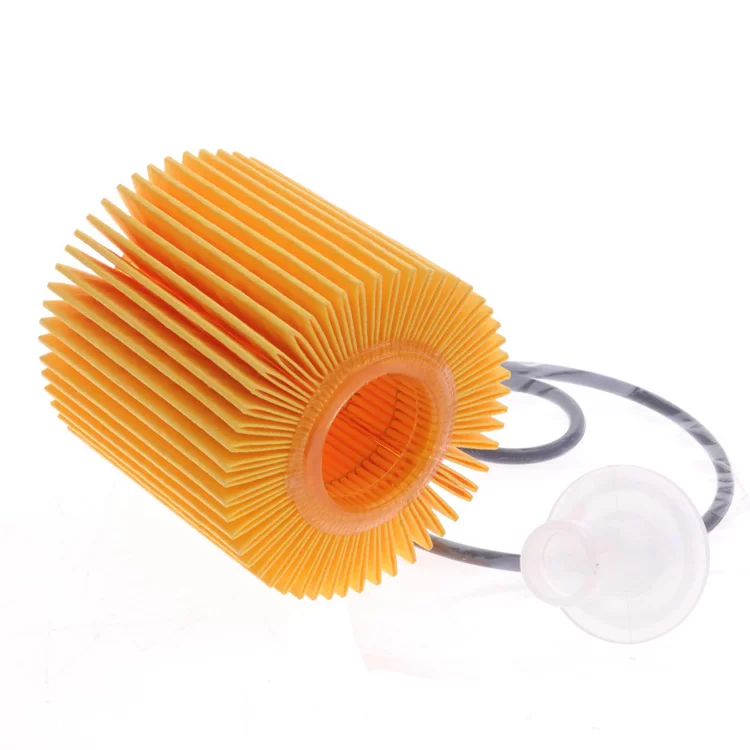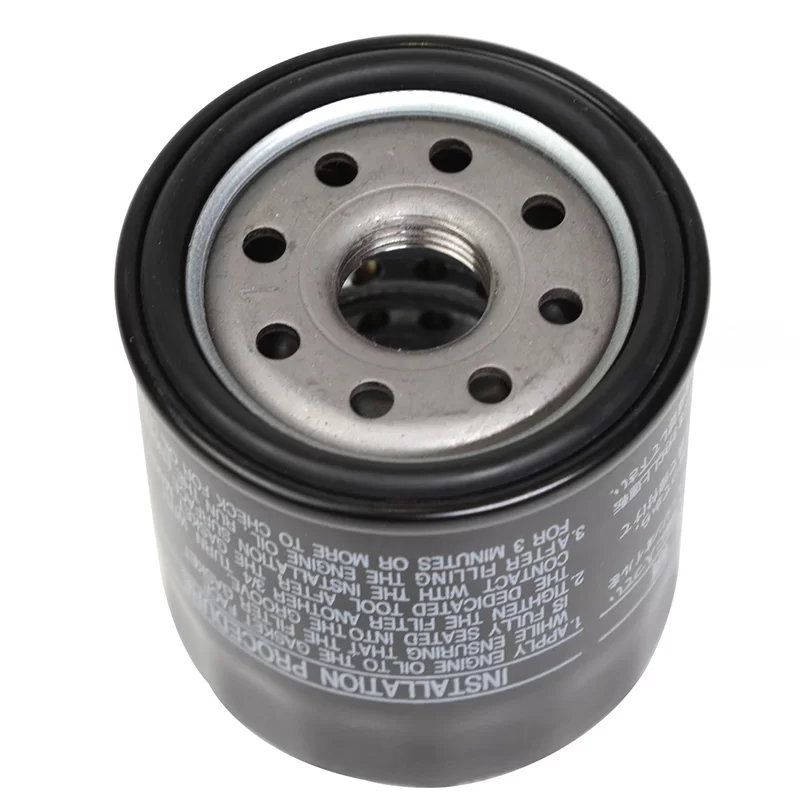

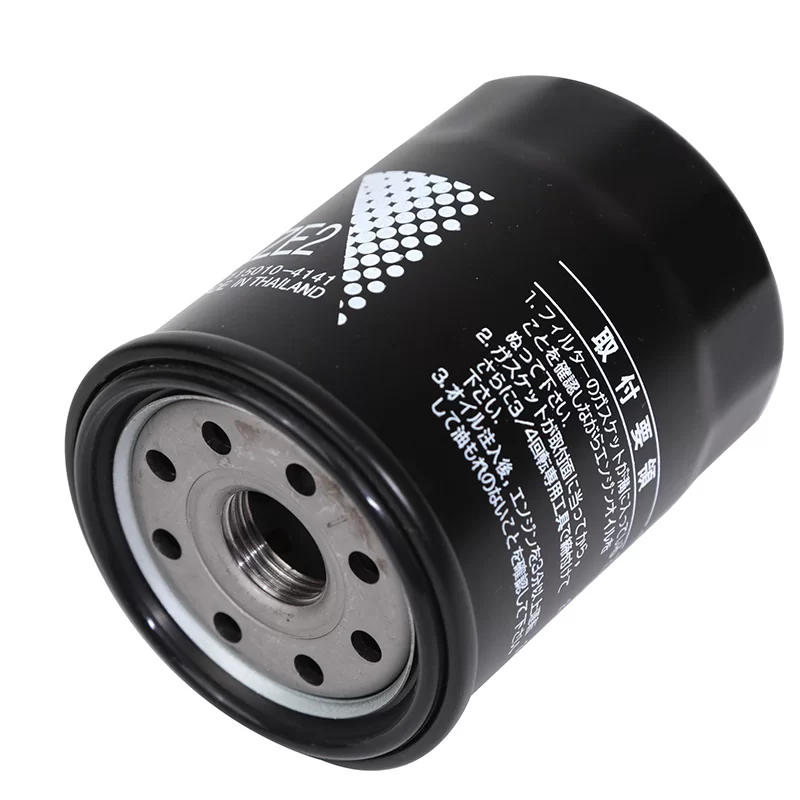
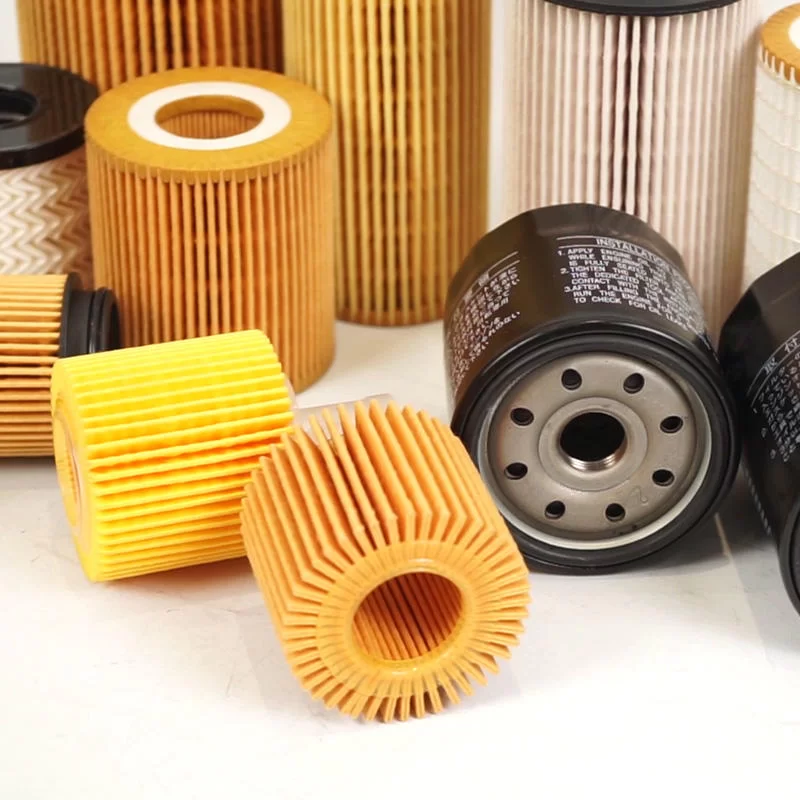
The Portuguese automotive sector is currently characterized by a high density of aging diesel fleets alongside a rapid surge in hybrid vehicle adoption. In regions like Porto and Lisbon, stop-and-go traffic increases the thermal stress on engines, making the efficiency of an oil filter automotive critical for preventing sludge build-up and ensuring consistent lubrication.
Environmental factors in Portugal, particularly the salt-laden air in coastal areas and high summer temperatures, accelerate the degradation of engine lubricants. This creates a strong local demand for premium filtration media that can maintain structural integrity under extreme temperature fluctuations, ensuring that pollutants are trapped effectively before they cause internal wear.
Furthermore, the strict adherence to Euro 6 emission standards across Portugal has pushed local workshops to migrate toward high-precision components. There is a noticeable shift from generic replacements to OEM-grade specifications, where the quality of the engine oil filter element determines the vehicle's ability to meet environmental regulations and pass periodic inspections.