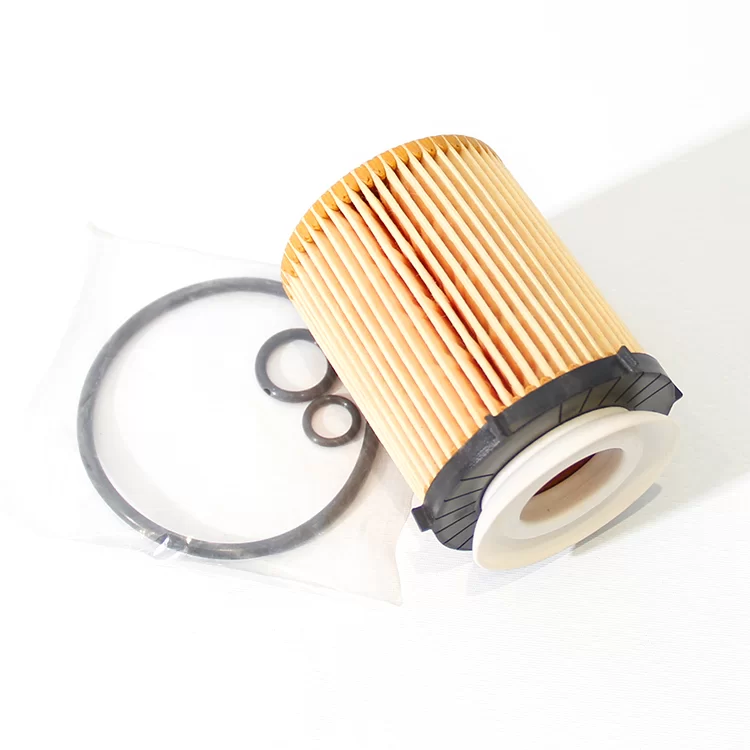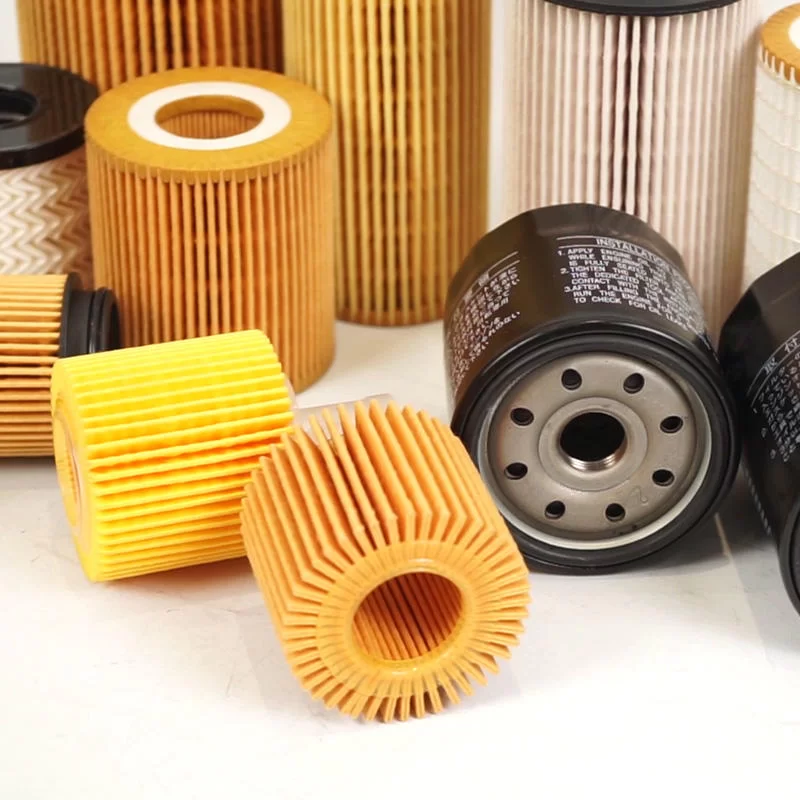

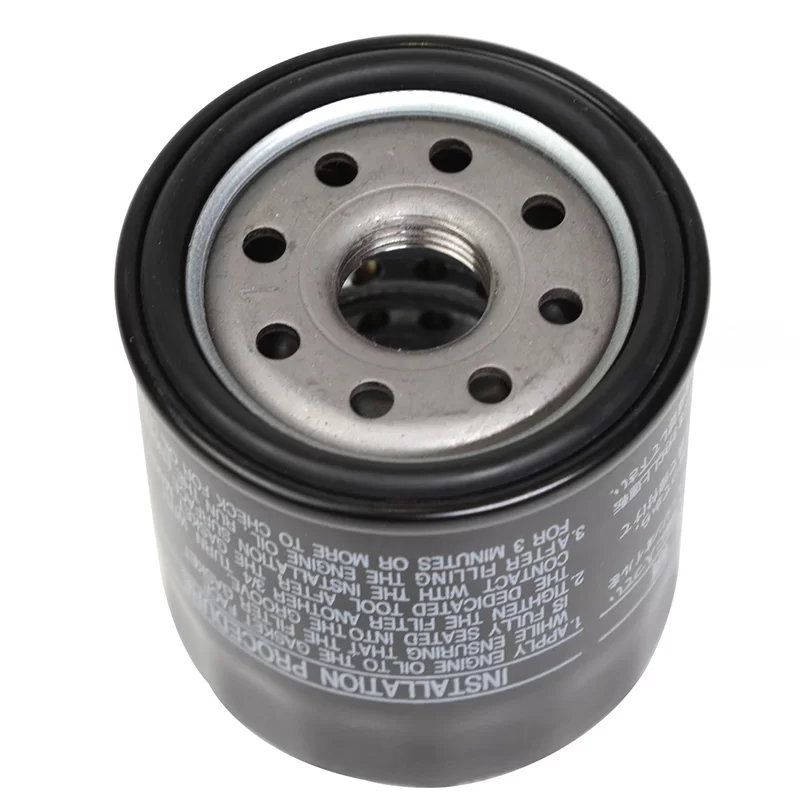
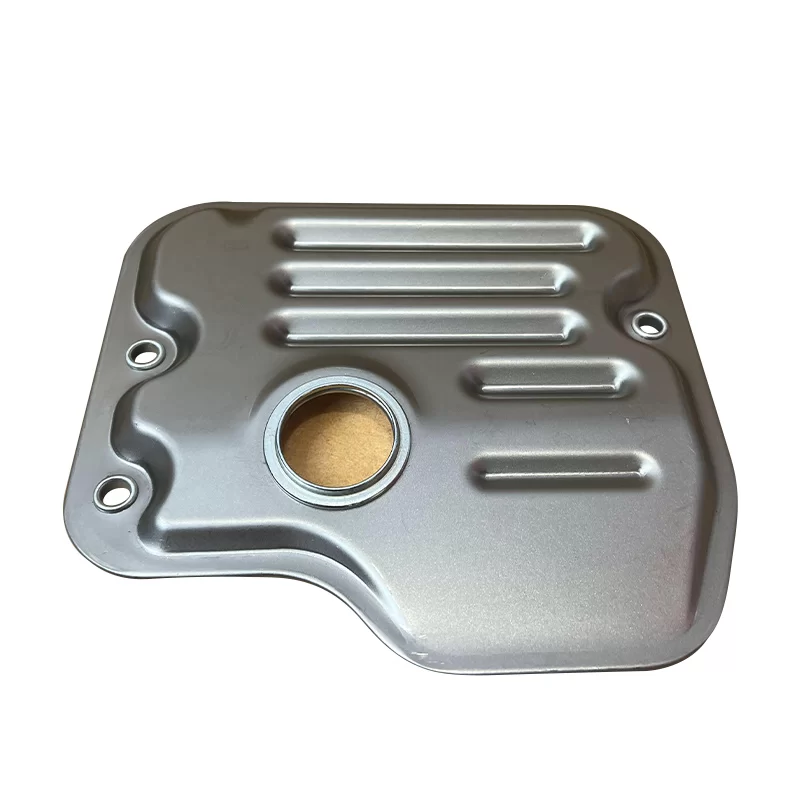
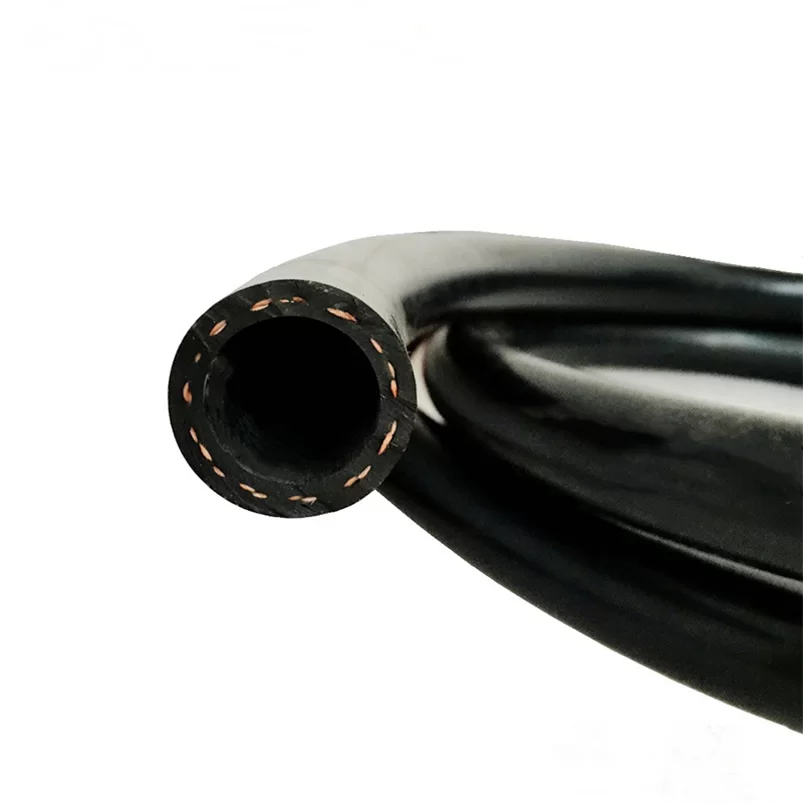
oil filters

High-Performance car engine oil filter Solutions for Sweden

Engineering precision filtration to withstand Nordic extremes and ensure engine longevity for the Swedish automotive market.

The State of automotive oil filter Demand in Sweden

Analyzing the impact of Nordic climates on lubrication and filtration requirements.

In Sweden, the automotive sector faces unique challenges due to extreme seasonal temperature fluctuations. During harsh winters, oil viscosity increases, placing immense pressure on the engin oil filter to allow sufficient flow during cold starts while maintaining filtration efficiency.

The Swedish market is characterized by a high penetration of premium European vehicles and a rapid transition toward sustainable mobility. This shift requires an oil filter automotive standard that supports longer service intervals and reduces environmental waste, aligning with Sweden's strict ecological regulations.

Furthermore, the prevalence of long-distance commuting across diverse terrains—from urban Stockholm to the rural North—demands a robust engine oil filter element that can trap micron-sized particles effectively over extended periods of high-stress operation.
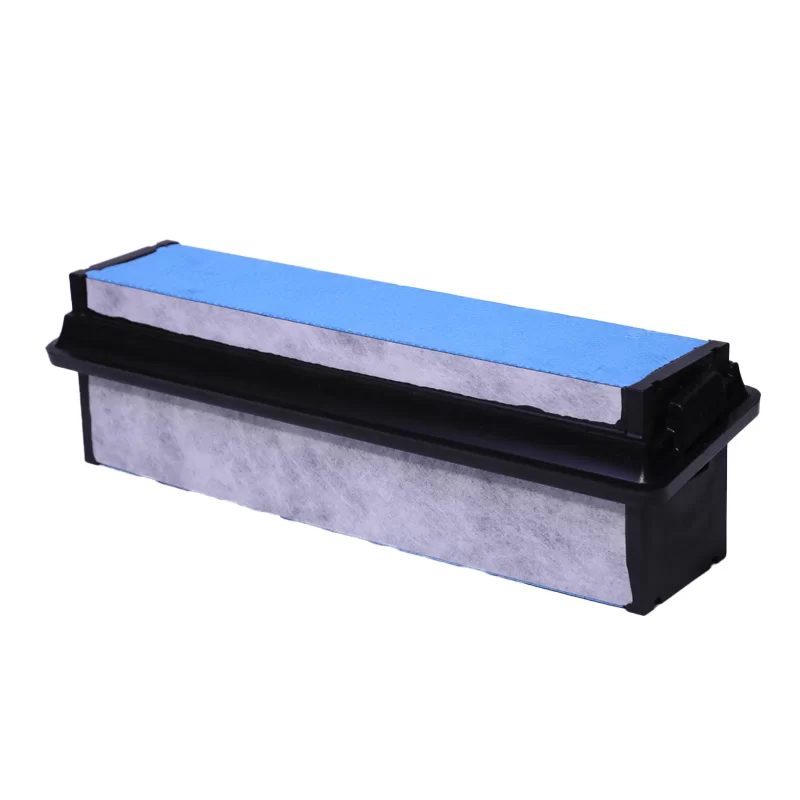
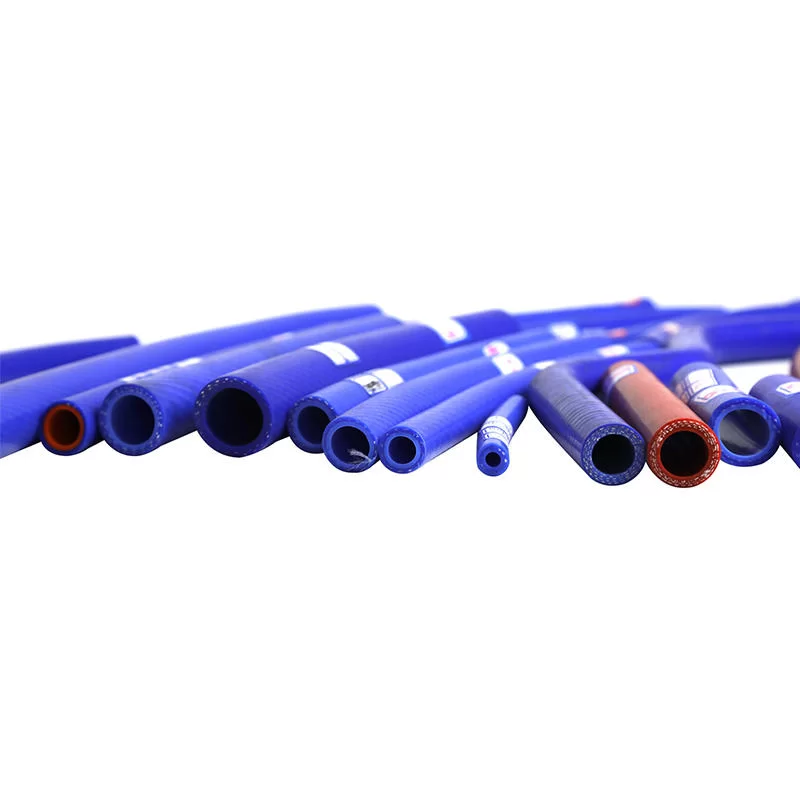
Evolution of Filtration Technology in Sweden

From traditional cellulose to advanced synthetic composite media.

Market Development History

In the early 2000s, the Swedish market relied heavily on standard cellulose-based filtration. These filters provided basic protection but struggled with oil degradation during the extreme freeze-thaw cycles typical of the Scandinavian region.

Between 2010 and 2020, there was a significant shift toward synthetic blend media. The introduction of higher-grade automotive oil filter technologies allowed for better durability and higher dirt-holding capacity, meeting the requirements of modern turbocharged engines.

By 2023, the focus transitioned to "Smart Filtration," incorporating high-efficiency glass fiber elements. This evolution ensures that the engine oil filter element can operate with lower pressure drops, optimizing fuel efficiency in line with EU emission standards.

Future Development Trends

Nano-Fiber Integration

Integrating nano-scale fibers to capture sub-micron particles, significantly reducing engine wear in high-performance Swedish vehicles.

Eco-Friendly Biodegradable Materials

Developing filter housings and media from sustainable materials to reduce the carbon footprint of automotive maintenance in Sweden.

Adaptive Filtration Systems

The rise of sensors within the filtration unit to provide real-time oil quality data, moving from scheduled to condition-based replacement.

Industry Trends and Future Outlook for Sweden

Strategic projections for the Swedish automotive filtration landscape.

Sustainable Material Sourcing
Shifting toward recycled alloys and bio-based resins for filter construction to meet Swedish "Green Deal" goals.
Hybrid-Optimized Filtration
Designing filters specifically for hybrid engines that face frequent start-stop cycles, requiring faster contaminant capture.
Enhanced Cold-Flow Logic
Improving bypass valve precision to ensure lubrication is never interrupted during Swedish winter troughs.
Digital Integration (IoT)
Integration with vehicle telemetry to signal replacement based on actual filter saturation levels.

Industry Outlook

Based on search trends and regulatory movements in the EU, the Swedish market will likely see a 15% increase in demand for high-efficiency synthetic filters as internal combustion engines are refined for extreme efficiency before the total transition to EV.

The focus will shift from mere "replacement" to "optimization," where the oil filtration system is viewed as a critical component of the vehicle's overall energy efficiency and environmental compliance profile.

Localized Application Scenarios in Sweden

Real-world implementation of advanced filtration in diverse Swedish environments.

1. Arctic Logistics and Heavy Transport

In the far north of Sweden, heavy-duty trucks operating in sub-zero temperatures utilize our reinforced engine oil filter element to prevent sludge buildup and ensure seamless oil flow.

2. Urban Commuting in Stockholm

Passenger cars facing heavy stop-and-go traffic in metropolitan areas benefit from high-capacity filters that handle the increased soot and carbon deposits common in short-trip driving.

3. Forestry and Industrial Machinery

Sweden's vast forestry sector employs heavy machinery that operates in dusty, rugged terrain. Our ruggedized filters provide superior protection against external contaminants.

4. Luxury Fleet Maintenance

High-end vehicle fleets in Gothenburg utilize premium synthetic filtration to maintain strict manufacturer warranty standards and optimize engine performance.

5. Electric-Hybrid Transition Vehicles

Modern hybrids in Sweden require specialized filtration to manage the oil dilution that occurs during infrequent combustion cycles, extending the life of the lubrication system.

Brand Story

Global Development Journey of Hebei Congben Auto Parts Co., Ltd.

Foundation and Precision Focus

Established with a vision to solve the most critical failures in engine lubrication, we focused on the mastery of micro-filtration materials from day one.

Technological Breakthroughs

Developed proprietary synthetic media that outperformed traditional cellulose, significantly reducing the failure rate of oil filtration in extreme climates.

Global Expansion

Expanded our footprint into the European market, specifically adapting our product lines to meet the rigorous quality standards of Sweden and Germany.

Commitment to Sustainability

Launched a series of eco-friendly filtration solutions, focusing on reducing waste and increasing the recyclability of automotive components.

Future Vision: The Intelligence Era

Investing in R&D for the next generation of smart filters, ensuring that every engine in the world runs cleaner and longer.

Sweden Automotive Filtration FAQ

Expert answers to common questions regarding oil filtration in cold climates.

How does the cold Swedish winter affect the performance of an automotive oil filter?

Extreme cold increases oil viscosity, which can restrict flow. A high-quality filter with a precise bypass valve ensures that the engine receives lubrication even when the oil is thick, preventing starvation during cold starts.

What is the benefit of using a synthetic engine oil filter element over cellulose?

Synthetic elements offer higher thermal stability, better resistance to degradation, and a higher dirt-holding capacity, which is essential for the longer service intervals preferred by Swedish vehicle owners.

Can a low-quality car engine oil filter cause premature engine wear in hybrid vehicles?

Yes. Hybrid engines experience more frequent temperature cycles. A low-quality filter may not capture fine particulates efficiently during these transitions, leading to increased friction and wear.

How often should an oil filter automotive be replaced in Nordic driving conditions?

While manufacturers provide guidelines, the harsh Swedish climate and potential for road salt and grit often justify replacing the filter at every oil change to ensure maximum engine protection.

Does a high-efficiency engin oil filter improve fuel economy?

Indirectly, yes. By maintaining cleaner oil and reducing the internal friction of the engine through superior contaminant removal, the engine operates more efficiently, contributing to better fuel economy.

Are your filters compliant with EU environmental regulations for the Swedish market?

Absolutely. All our products are manufactured to exceed EU standards for materials and waste reduction, ensuring they are compatible with Sweden's strict environmental laws.

Get Expert Filtration Advice

Partner with a leader in automotive filtration to optimize your vehicle performance in Sweden.

Contact Us Now

If you are interested in our products, you can choose to leave your information here, and we will be in touch with you shortly.