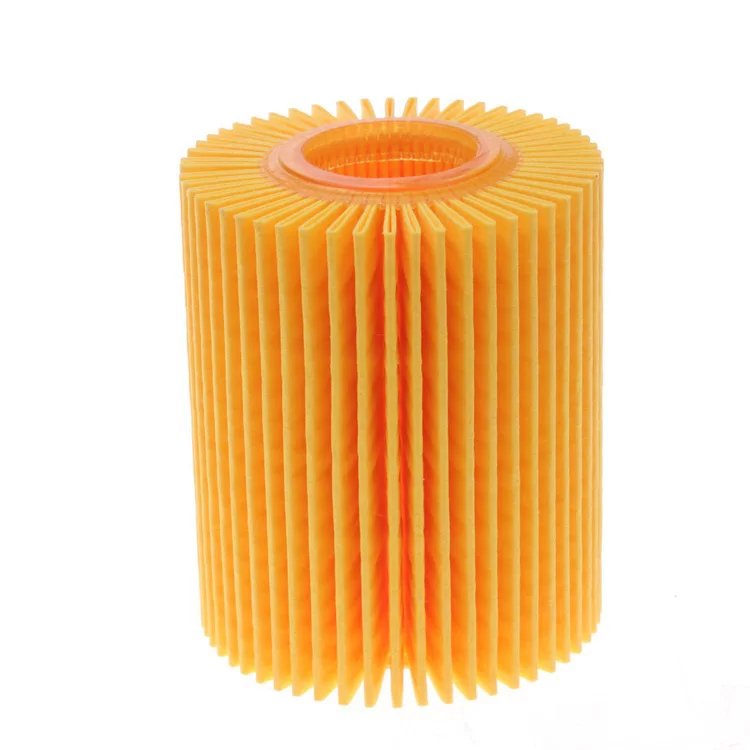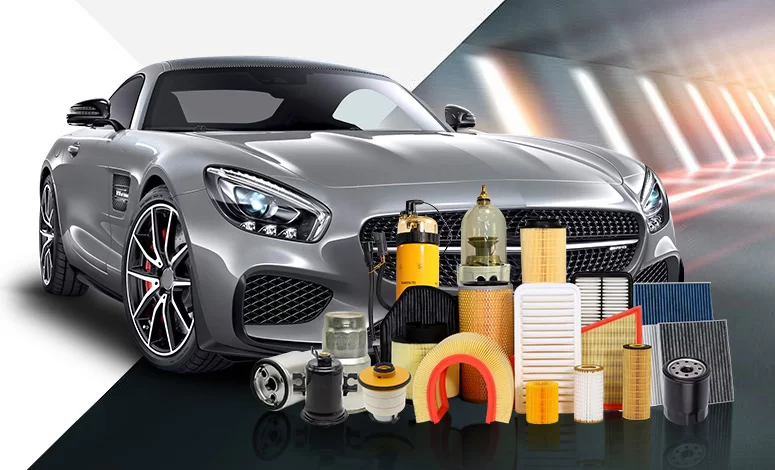

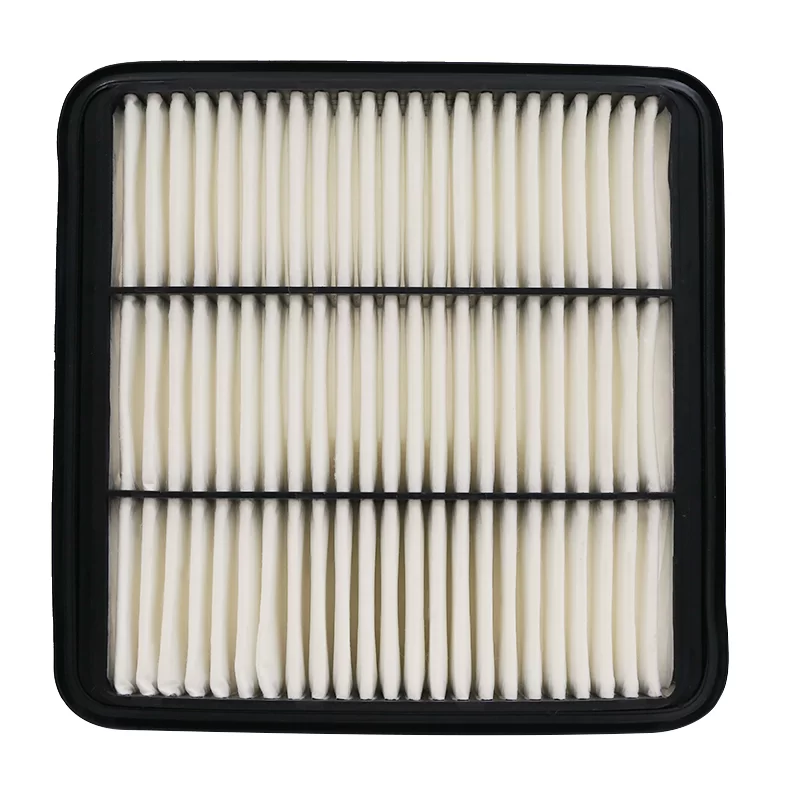
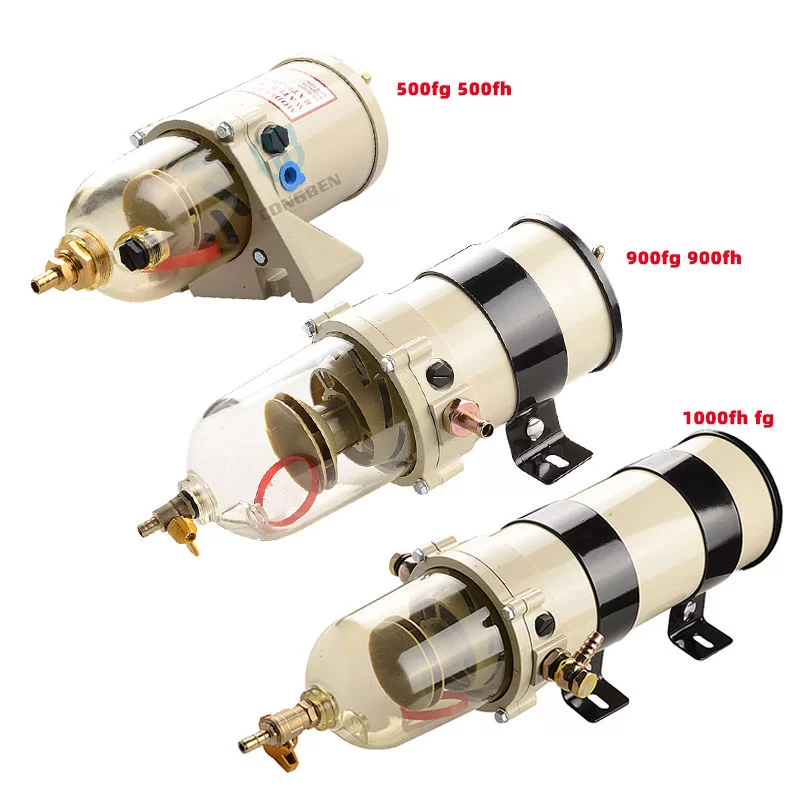
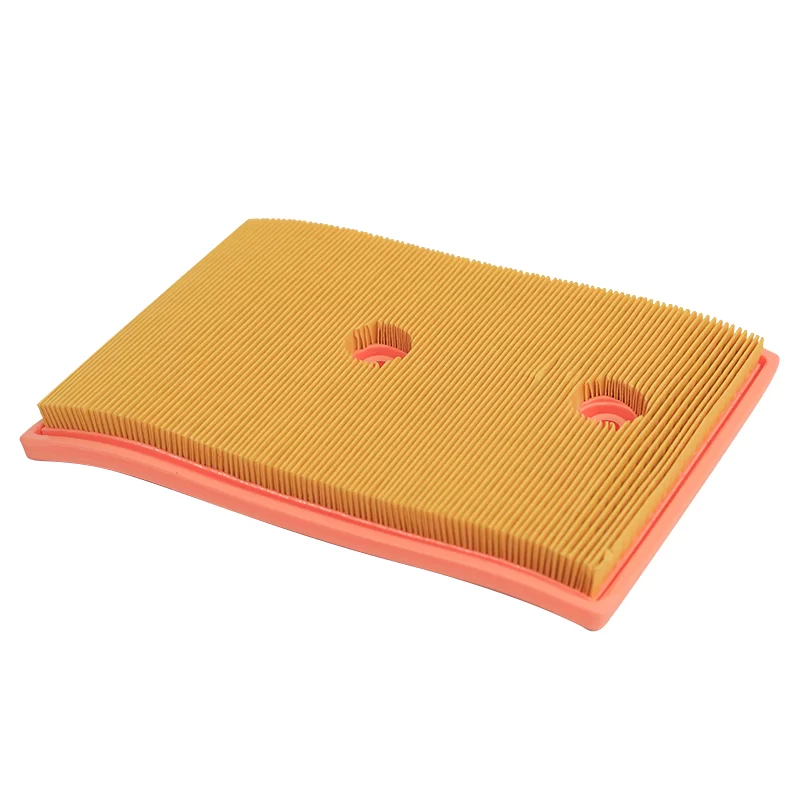
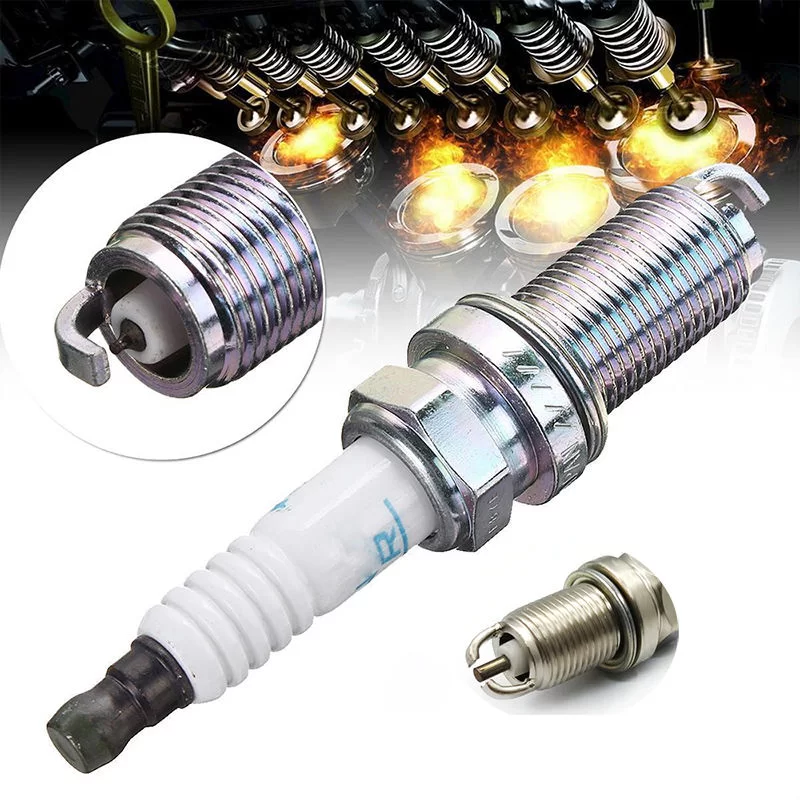
oil filters

High-Performance car engine oil filter Solutions for the US Market

Engineering precision lubrication protection to meet the rigorous demands of North American road conditions and engine specifications.

High-Performance car engine oil filter Solutions for the US Market

Providing advanced filtration technology for US automotive fleets, ensuring engine longevity through superior contaminant removal and high-flow efficiency.

Current State of US automotive oil filter Market

Analyzing the operational challenges of engine lubrication in the United States.

The United States automotive landscape is characterized by extreme climatic diversity, from the frozen winters of the Midwest to the scorching heat of the Southwest. This volatility places immense stress on every oil filter automotive system, requiring media that can maintain structural integrity across a wide temperature spectrum without compromising filtration efficiency.

Economic shifts toward extended oil drain intervals (up to 10,000 miles or more) have pushed the demand for higher-capacity filters. Modern US consumers now prioritize long-life components that can handle higher soot and debris loads, leading to a surge in the adoption of advanced synthetic blends in the engine oil filter element design to prevent premature clogging.

Furthermore, the prevalence of heavy-duty pickup trucks and long-haul logistics in the US means that the market is split between passenger vehicle efficiency and heavy-duty durability. This dual demand requires manufacturers to innovate in bypass valve precision to ensure constant lubrication even under the high-pressure environments typical of American highway towing and hauling.
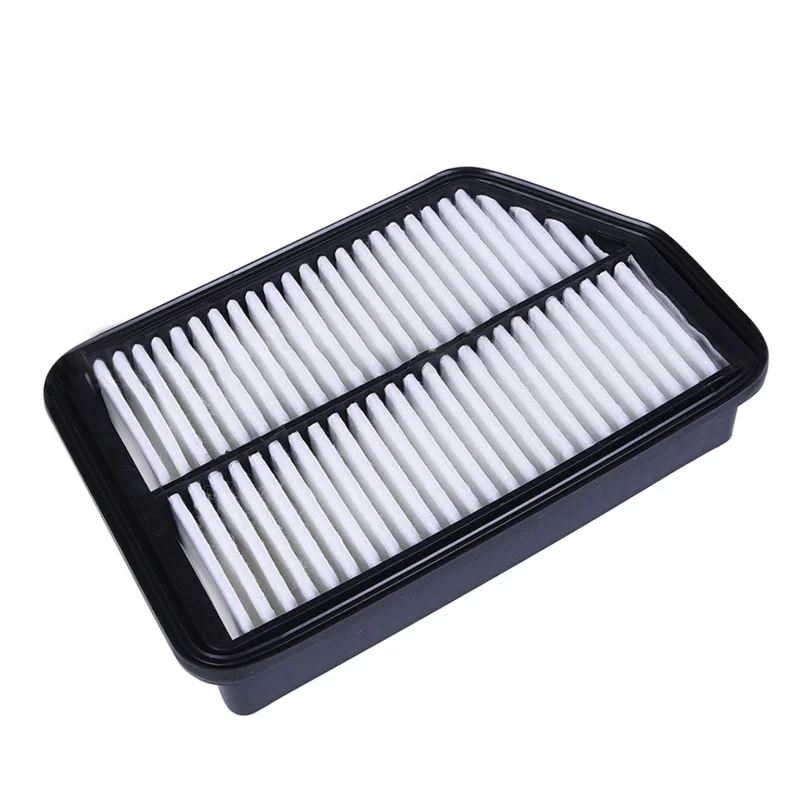
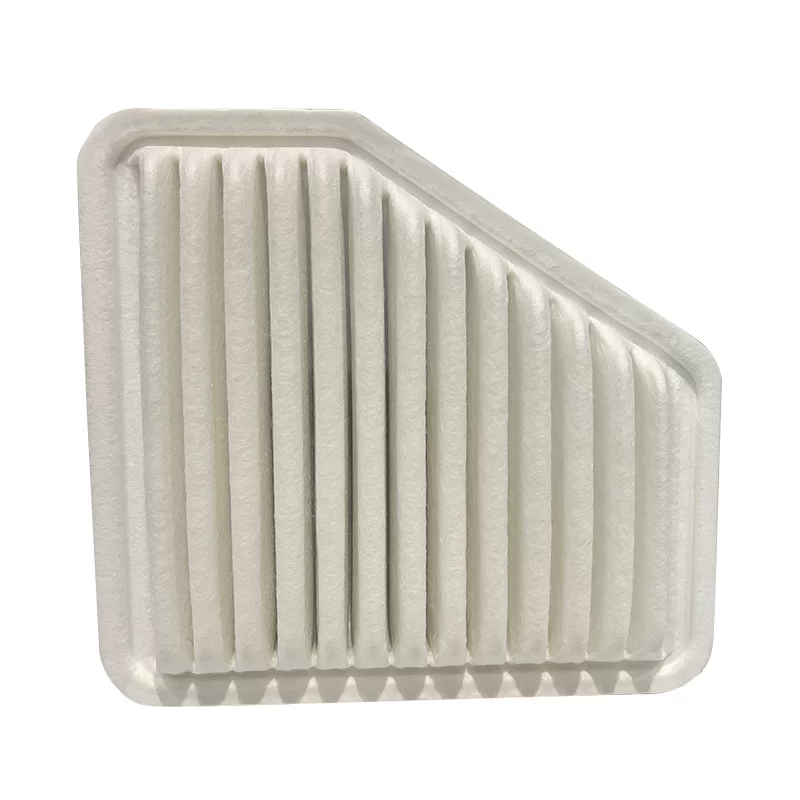
Evolution of Lubrication Filtration Technology

From basic cellulose to multi-layered synthetic composites.

Market Development History

In the early decades of US automotive manufacturing, the standard was basic cellulose-based paper filters. These provided primary protection but suffered from rapid degradation and limited capacity, often requiring changes every 3,000 miles to avoid engine wear.

Between the 1990s and 2010s, the industry transitioned toward synthetic blend media. The introduction of the high-efficiency engin oil filter allowed for better particle capture (micronic filtration) and the ability to withstand the higher pressures of turbocharged engines becoming common in the US market.

From 2015 to the present, the focus has shifted toward "Smart Filtration" and extreme durability. The integration of nano-fiber technology has allowed for a drastic increase in the surface area of the filter media without increasing the physical size of the canister.

Future Development Trends

Eco-Friendly Biodegradable Media

Driven by US EPA regulations, the next 3 years will see a move toward sustainable, recyclable filter materials that maintain industrial-grade filtration efficiency.

Integration with Telematics

Future systems will likely include sensors within the filter housing to monitor pressure drops in real-time, notifying the driver via onboard diagnostics when the filter is actually full.

Hybrid-Engine Compatibility

As the US shifts toward hybrid powertrains, filters are being redesigned to handle the unique oil dilution and temperature cycles associated with frequent engine start-stops.

Industry Trends and Future Outlook

Strategic trajectories for the North American automotive filtration sector.

Ultra-Low Micron Rating
Shift towards sub-10 micron filtration to protect high-precision modern engine tolerances.
Extended Service Life
Developing media that supports 15k+ mile intervals without losing efficiency.
Synthetic Media Dominance
Replacing organic fibers with glass and polymer blends for superior heat resistance.
Precision Valve Control
Optimizing anti-drain back valves to prevent dry starts in cold US climates.

Industry Outlook

According to Google Search trends in the US, there is a growing consumer interest in "high-mileage engine protection." This indicates a market shift where vehicle owners are keeping cars longer, increasing the demand for premium-grade filtration that can extend the life of aging engines.

The intersection of sustainability and performance will be the primary driver of innovation. We expect a move toward "modular" filtration systems that allow for easier replacement of the internal element, reducing the waste of metal canisters in the North American environment.

Localized Application Scenarios in the US

Real-world deployment of our filtration solutions across diverse American environments.

1. Heavy-Duty Logistics in the Midwest

For long-haul freight trucks traversing the Midwest, our filters are designed to handle high-volume oil flow and extreme soot loads, ensuring that engine wear is minimized during thousands of miles of continuous operation.

2. Extreme Cold Starts in Alaska & Canada Border

Our specialized anti-drain back valves prevent oil from draining into the sump, ensuring immediate lubrication upon ignition in sub-zero temperatures, a critical requirement for Northern US states.

3. High-Heat Desert Driving in Arizona & Nevada

In the extreme heat of the Southwest, oil viscosity drops and thermal degradation accelerates. Our synthetic media maintains its shape and filtration efficiency even under intense thermal stress.

4. Stop-and-Go Urban Commuting in NYC & LA

Urban driving creates frequent idling and low-temperature cycles. Our filters are optimized to capture the micro-contaminants that accumulate during short-trip cycles and frequent idling.

5. Off-Road and Construction in Texas & Florida

For construction equipment operating in dusty, sandy environments, our reinforced housings and high-capacity elements provide a robust barrier against external contaminants entering the engine loop.

Brand Story

Global Development History of Hebei Congben Auto Parts Co., Ltd.

Founding Excellence

Started with a mission to solve the problem of premature engine wear through superior filtration, focusing on the fundamental physics of fluid dynamics.

Technological Breakthrough

Invested in advanced synthetic media research, breaking away from traditional cellulose to offer higher efficiency and longer service intervals.

Global Expansion

Entered the North American market, tailoring our product line to meet the strict SAE standards and the specific needs of US vehicle owners.

Quality Standardization

Achieved international certifications, ensuring every filter produced meets the exact tolerances required by modern automotive OEMs.

Sustainable Future

Currently leading the transition toward green manufacturing, reducing the carbon footprint of our production process for a cleaner planet.

US Automotive Filtration FAQ

Expert answers to the most common questions regarding engine oil filtration.

How often should I replace my car engine oil filter in the US?

Depending on your oil type, we recommend replacing it every 5,000 to 10,000 miles. For those in extreme climates or doing heavy towing, more frequent changes are advised to maintain engine health.

What is the difference between a standard and a high-efficiency engine oil filter element?

High-efficiency elements use synthetic fibers to capture smaller particles (lower micron rating) and offer a higher dirt-holding capacity compared to standard cellulose filters.

Can a poor quality oil filter automotive lead to engine failure?

Yes. A low-quality filter can collapse or have a faulty bypass valve, allowing unfiltered oil or contaminants to circulate, which leads to rapid bearing wear and potential engine seizure.

Are synthetic oil filters compatible with conventional oil?

Absolutely. Synthetic filters are compatible with all oil types and generally provide better protection regardless of the lubricant used.

Why is the anti-drain back valve important for US winter driving?

It prevents oil from flowing back into the pan when the engine is off, ensuring oil is immediately available to the engine parts upon startup in cold weather.

How do I choose the right engin oil filter for my specific vehicle model?

Refer to your vehicle's owner manual for the OEM part number or use a compatibility chart to match your engine's make, model, and year with our professional filter range.

Get Professional Filtration Support

Looking for bulk supply or technical specifications for the United States market? Our engineers are ready to help you optimize your fleet's performance.

Contact Us Now

If you are interested in our products, you can choose to leave your information here, and we will be in touch with you shortly.