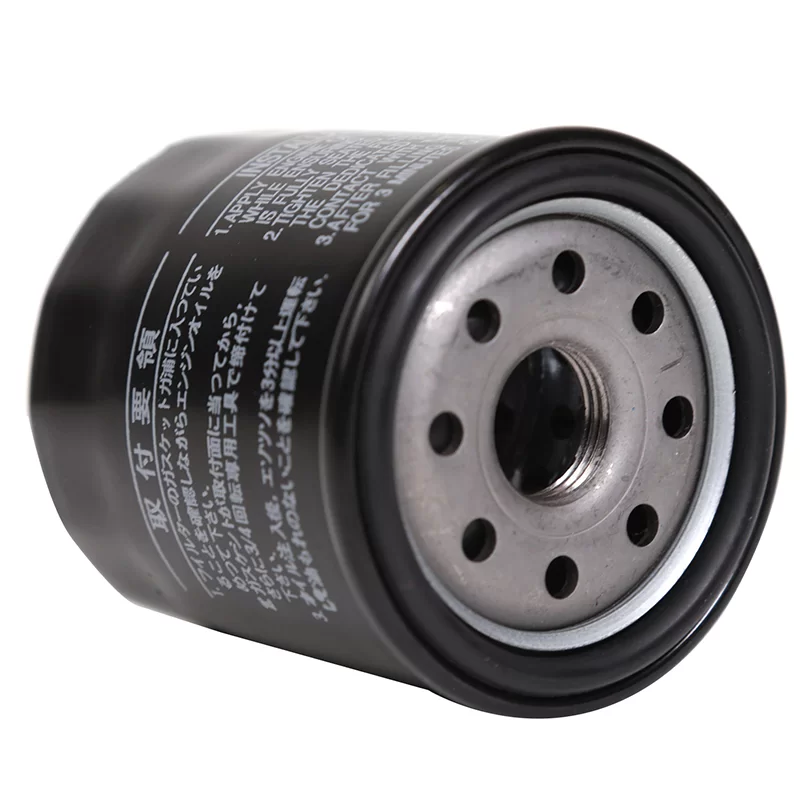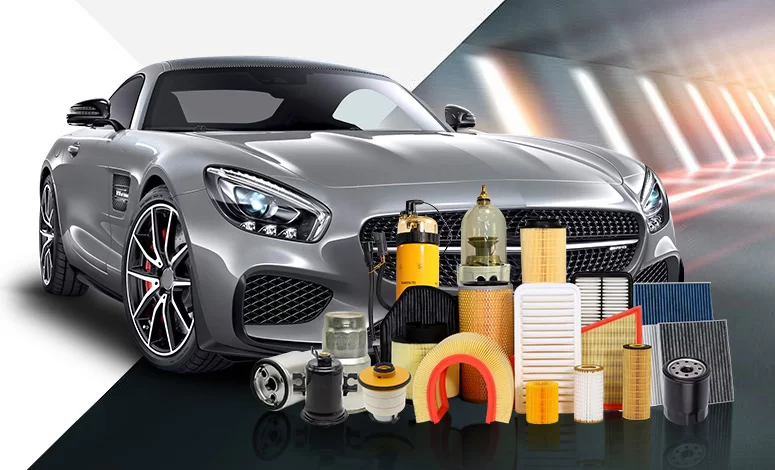

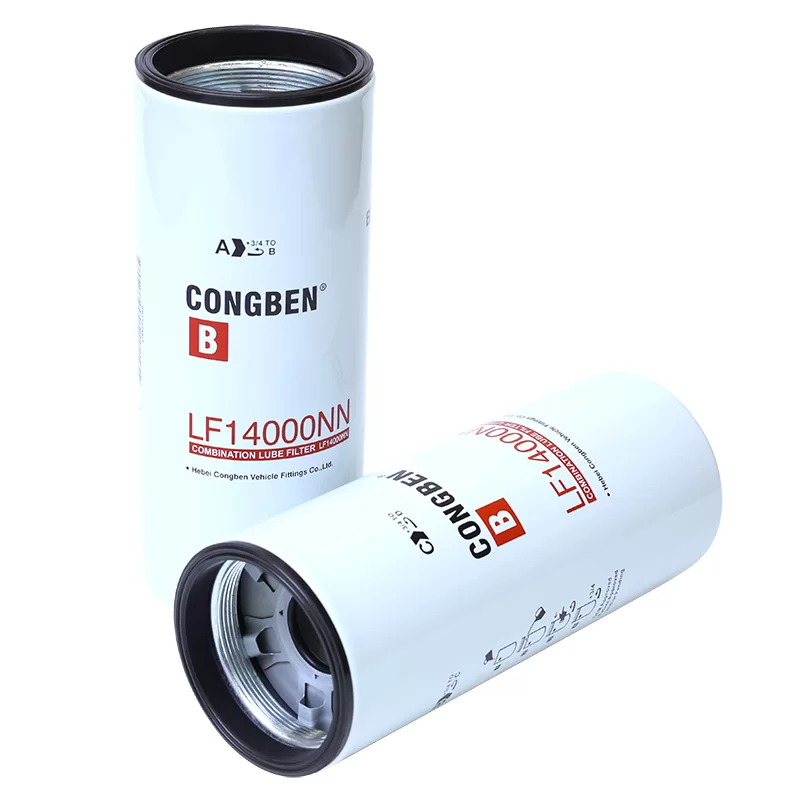
oil filters

High-Performance car engine oil filter Solutions for Turkey's Automotive Market

Engineering precision filtration to withstand Turkey's diverse terrains and demanding engine cycles, ensuring maximum longevity and efficiency.

High-Performance car engine oil filter Solutions for Turkey's Automotive Market

Providing Turkey's automotive sector with industrial-grade filtration technology that reduces friction and prevents premature engine wear in high-load environments.

Market Landscape of Automotive Oil Filter in Turkey

Analyzing the intersection of geography and filtration demand in the Turkish automotive hub.

Turkey serves as a critical bridge between European and Asian automotive standards. The local market for the oil filter automotive sector is characterized by a massive fleet of mixed-age vehicles, where high-mileage diesel engines are prevalent, requiring filtration systems capable of handling heavy soot loads.

Geographically, the drastic temperature variations between the Mediterranean coast and the Anatolian plateau place extreme thermal stress on engine oils. This necessitates a robust engine oil filter element that can maintain structural integrity under rapid heating and cooling cycles.

Furthermore, Turkey's strategic position as a manufacturing hub for global OEMs means there is a surging demand for aftermarket filters that match original equipment specifications while offering better cost-efficiency for local transport fleets.
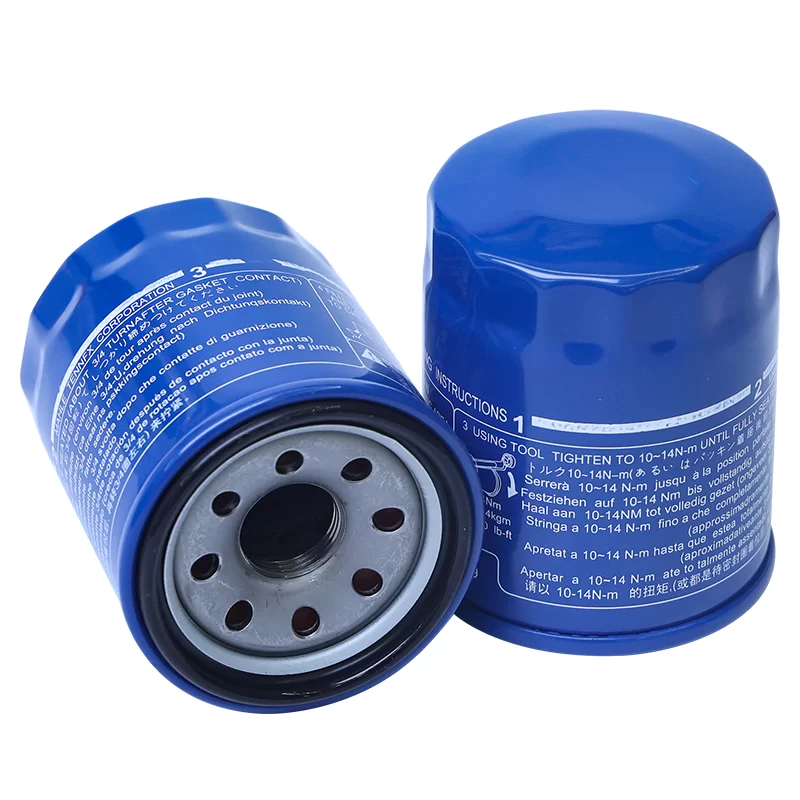
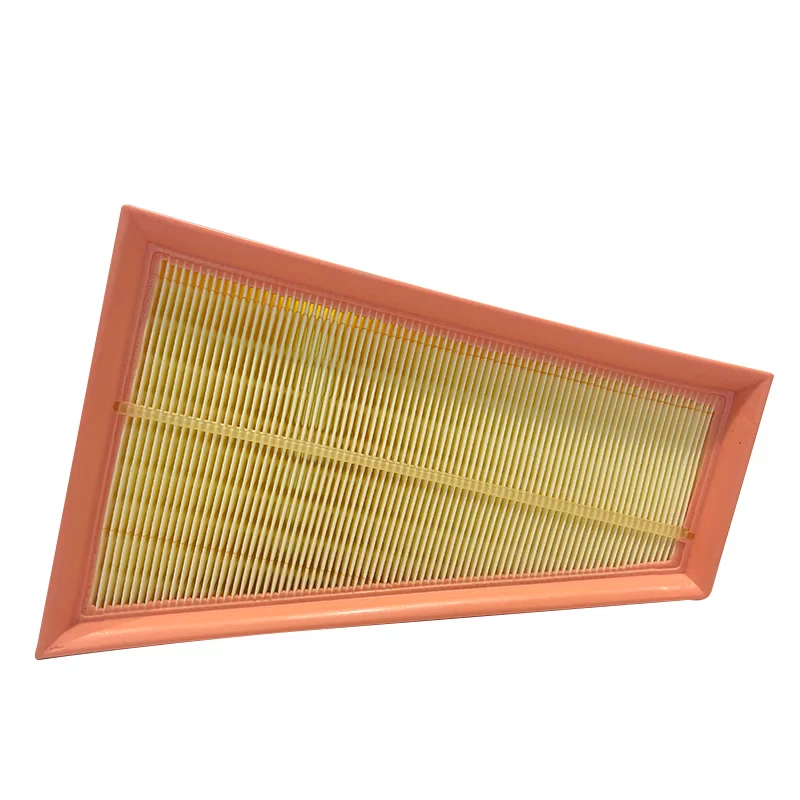
Evolution of Filtration Technology in Turkey

From basic sediment traps to advanced synthetic media.

Market Development History

In the late 1990s and early 2000s, the Turkish market relied heavily on traditional cellulose-based filters. These early iterations provided basic protection but struggled with the high-viscosity oils used in Turkey's extensive commercial trucking sector.

Between 2010 and 2020, the industry shifted toward blended synthetic media. The introduction of the high-efficiency engin oil filter allowed for longer service intervals, aligning with the modernization of Turkey's urban transit systems in Istanbul and Ankara.

Today, the focus has evolved into "smart filtration," where precision-engineered bypass valves and nano-fiber layers ensure that oil flow remains constant even when the filter is partially clogged, protecting engines during extreme stop-and-go traffic.

Future Development Trends

Eco-Friendly Biodegradable Media

With EU environmental regulations influencing Turkish manufacturing, we see a move toward recyclable filter housings and biodegradable filtration media to reduce landfill waste.

Nano-Fiber Integration

The next 3 years will see a surge in nano-fiber technology, allowing for smaller filter sizes with significantly higher dirt-holding capacities.

Hybrid-Engine Compatibility

As Turkey expands its EV and Hybrid infrastructure, filtration systems are being redesigned to handle the unique lubrication needs of hybrid combustion engines.

Industry Trends and Future Outlook

Strategic forecasting for the Turkish automotive filtration sector.

Ultra-Low Micron Rating
Moving toward 1-micron absolute filtration to protect high-precision turbochargers common in modern Turkish diesel fleets.
Extended Drain Intervals
Developing synthetic media that allows Turkey's commercial operators to extend oil change intervals without risking engine wear.
Anti-Drain Back Valves
Implementing advanced silicone valves to prevent dry starts in Turkey's cold highland winters.
OEM-Plus Standardization
Creating a new standard of "Better than OEM" filters for the competitive Turkish aftermarket.

Industry Outlook

Based on Google Search trends within the Asia-Turkey region, there is a growing volume of queries regarding "fuel efficiency" and "engine longevity." This indicates a shift in consumer behavior toward preventative maintenance, increasing the demand for high-tier filtration solutions.

The trajectory suggests that Turkey will move from being a mere consumer of automotive parts to a sophisticated hub for specialized filtration, where high-performance materials and precise engineering are the primary competitive advantages.

Localized Application Scenarios in Turkey

Real-world performance in Turkey's most demanding environments.

1. Long-Haul Logistics in Central Anatolia

Heavy-duty trucks crossing the Anatolian plateau face constant dust exposure. Our filters provide maximum particle capture to prevent engine abrasion during cross-country transit.

2. Istanbul Urban Stop-and-Go Traffic

Extreme idling in Istanbul's traffic leads to oil degradation. Our high-flow filters ensure continuous lubrication even at low RPMs, preventing sludge buildup.

3. Aegean Coast Tourism Shuttles

High-frequency short trips during the summer peak cause moisture accumulation in oil. Our specialized media effectively manages emulsion and maintains purity.

4. Black Sea Mountainous Terrain

Steep inclines and heavy loads increase oil pressure. Our reinforced housings prevent leakage and structural failure under high-pressure conditions.

5. Industrial Manufacturing Fleets in Kocaeli

Continuous 24/7 operation of delivery fleets requires rapid-change filter elements that maintain 100% efficiency from the first kilometer.

Brand Story

Global Development Journey of Hebei Congben Auto Parts Co., Ltd.

Foundational Precision

Started with a mission to solve the core pain point of premature engine wear through superior filtration media research.

Technical Breakthroughs

Developed proprietary synthetic blending processes that increased dirt-holding capacity by 40% over industry standards.

Global Expansion

Expanded our footprint into the Asia-Turkey market, adapting our products to meet rigorous European and Asian standards.

Quality Certification

Achieved international ISO and IATF certifications, ensuring every filter meets the highest automotive safety requirements.

Sustainable Future

Now leading the transition toward green manufacturing, creating filtration solutions that protect both the engine and the planet.

Common Questions in Turkey's Automotive Market

Expert answers to the most frequent filtration concerns.

How often should I replace a car engine oil filter in Turkey's dusty regions?

In dusty areas like Central Anatolia, we recommend replacing the filter every 7,000 to 10,000 km to prevent particle saturation and maintain optimal oil flow.

What is the advantage of a synthetic engine oil filter element over paper?

Synthetic elements offer higher filtration efficiency and greater durability, especially under the high-temperature conditions common in Turkish summers.

Can a low-quality engin oil filter cause engine failure in diesel vehicles?

Yes, inadequate filtration can allow soot and metal shavings to circulate, leading to rapid wear of the crankshaft and cylinder walls in diesel engines.

Do automotive oil filter standards differ between European and Asian models in Turkey?

While basic principles are the same, threading and bypass valve pressures differ. We provide model-specific filters to ensure a perfect seal and correct pressure.

How does an oil filter automotive system handle extreme cold in Eastern Turkey?

Our filters feature high-grade anti-drain back valves that keep oil in the filter, ensuring immediate lubrication upon startup in freezing temperatures.

Are these car engine oil filter products compatible with synthetic oils?

Absolutely. Our filters are specifically engineered to complement the properties of full synthetic oils, enhancing the overall lifespan of the lubrication system.

Ready to Upgrade Your Filtration?

Contact our engineering team today for customized automotive solutions tailored for the Turkey market.

Contact Us Now

If you are interested in our products, you can choose to leave your information here, and we will be in touch with you shortly.