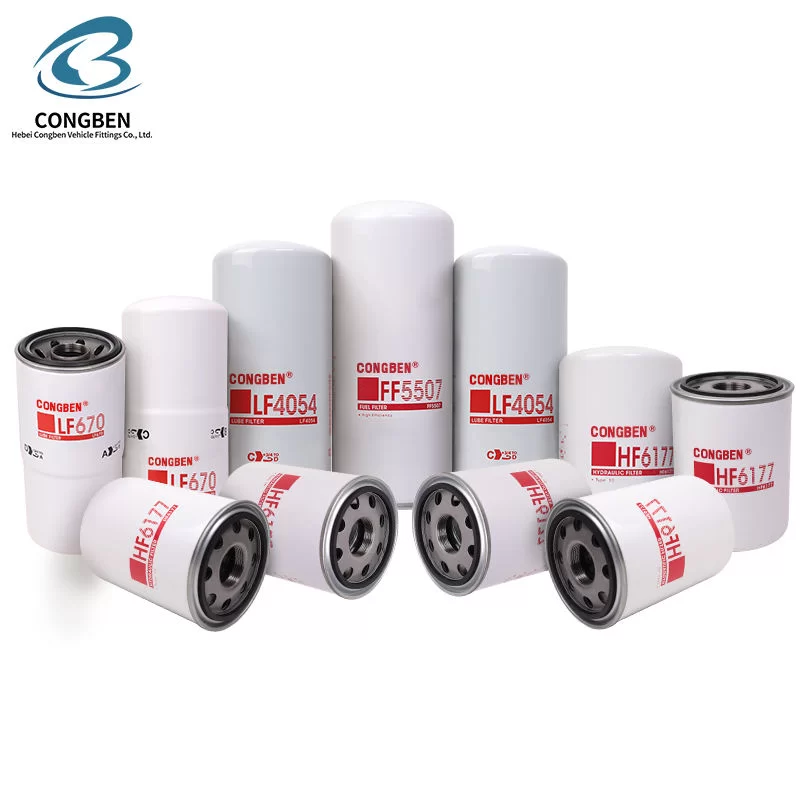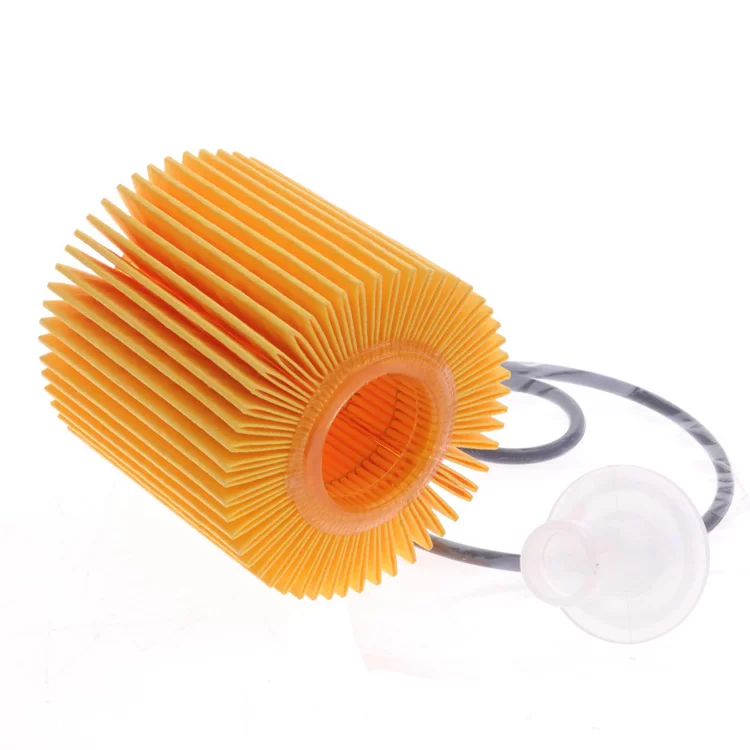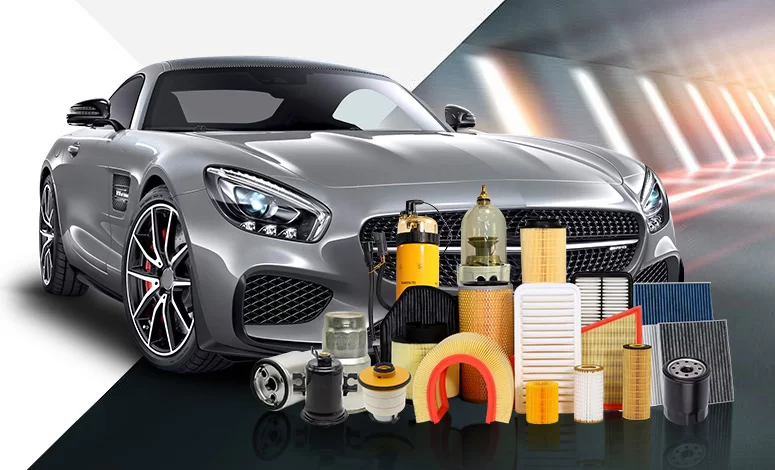

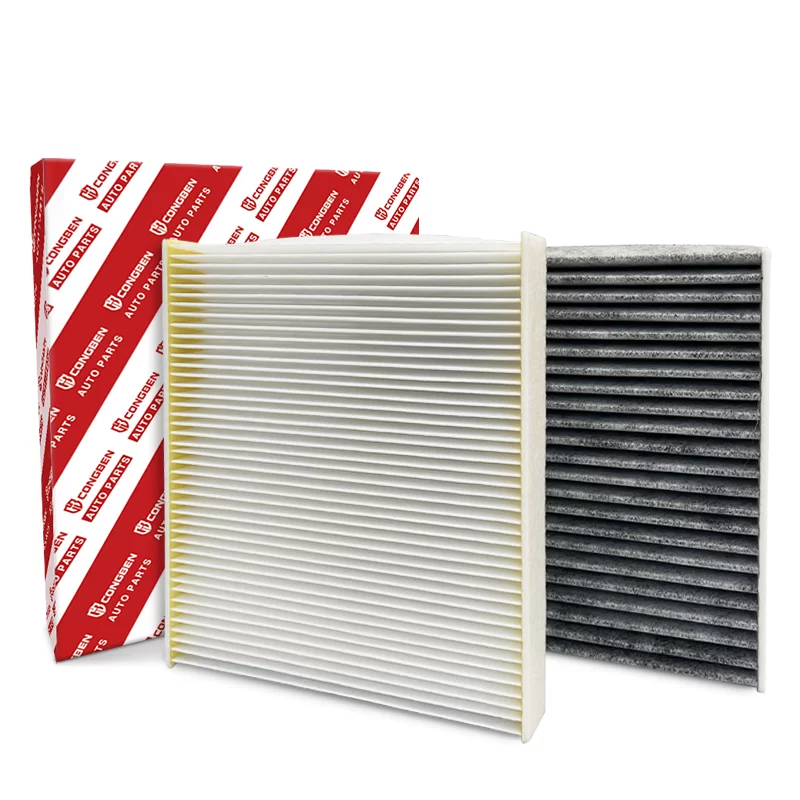
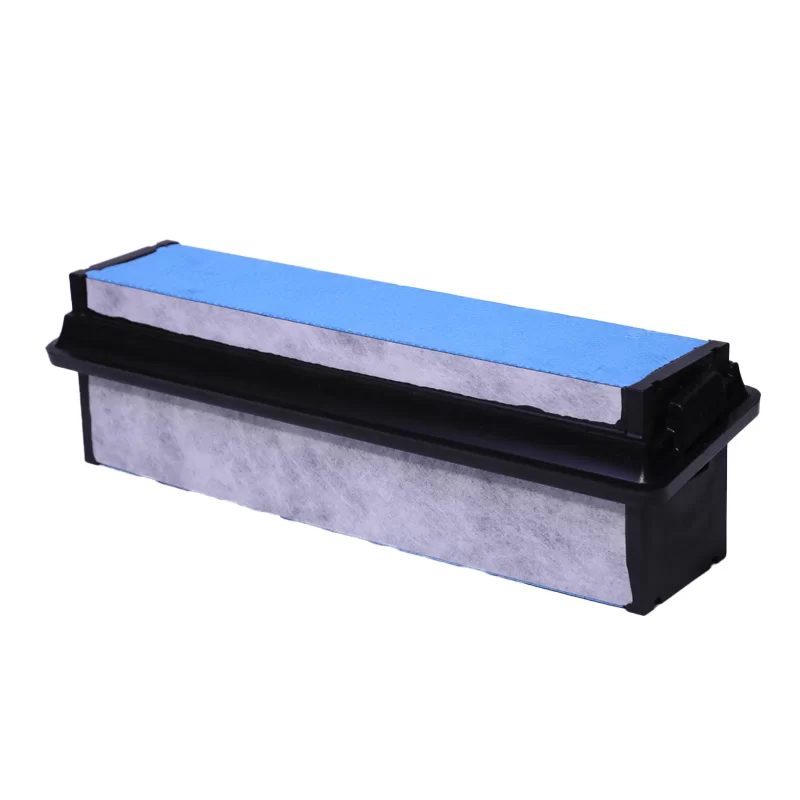
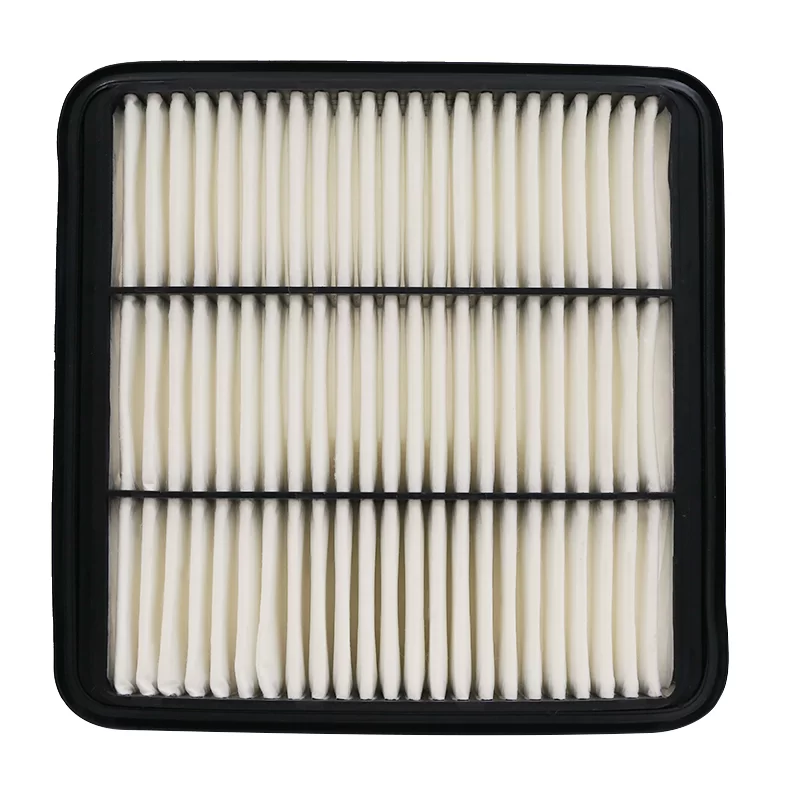
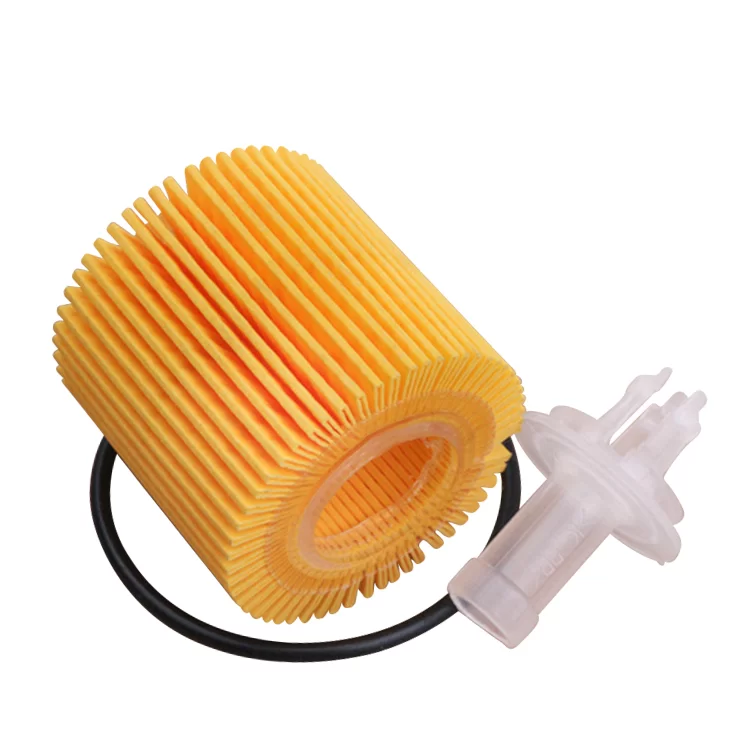
oil filters

High-Precision engine oil filter element Solutions for the Japanese Automotive Market

Engineering excellence for Japan's rigorous automotive standards, ensuring peak engine performance and longevity through advanced filtration technology.

High-Precision engine oil filter element Solutions for the Japanese Automotive Market

Providing world-class filtration components tailored for the sophisticated needs of Japanese OEMs and aftermarket service centers, focusing on durability and micron-level precision.

Current Landscape of the Automotive Oil Filter Market in Japan

Analyzing the intersection of Japanese precision engineering and strict environmental regulations.

The Japanese automotive market is characterized by an extreme commitment to "Kaizen" (continuous improvement). In the sector of oil filter automotive components, this manifests as a demand for near-zero defect rates. The humid subtropical climate and urban stop-and-go traffic in cities like Tokyo and Osaka place significant thermal stress on engine lubricants, requiring filters with exceptional heat resistance.

Furthermore, Japan's stringent emissions standards and the prevalence of hybrid powertrains have shifted the requirement toward filters that can maintain stability during longer oil drain intervals. The market is currently transitioning from standard cellulose media to advanced synthetic blends to accommodate the high-performance synthetic oils common in the region.

Logistically, the Japanese supply chain emphasizes Just-In-Time (JIT) delivery and tight integration between the filter manufacturer and the vehicle assembly plant. This necessitates a high level of reliability and consistency in the production of every car engine oil filter to avoid costly line stoppages.
Evolution and Trajectory of Filtration Technology

From basic sediment trapping to intelligent molecular filtration.

Market Development History

In the 1980s and 90s, the focus was primarily on basic particle removal using thick cellulose media. The primary goal was preventing catastrophic engine failure in early Japanese fuel-injection engines.

Between 2000 and 2015, the industry saw a shift toward "Efficiency vs. Capacity." The introduction of pleated synthetic fibers allowed for a higher surface area within the same canister size, significantly improving the dirt-holding capacity of the engin oil filter.

From 2016 to the present, the integration of bypass valve optimization and high-flow glass fiber media has become the standard, supporting the high-RPM requirements of modern turbocharged Japanese engines.

Future Development Trends

Nanofiber Coating Integration

The next 3 years will see a surge in nanofiber-coated media, reducing the pore size to capture sub-micron contaminants without increasing pressure drop.

Sustainable Bio-Polymer Housings

Driven by Japan's "Green Growth Strategy," we anticipate a shift toward recyclable or biodegradable materials for the outer shells of filtration units.

Smart Monitoring Sensors

Integration of pressure-differential sensors within the filter assembly to provide real-time "remaining life" data to the vehicle's ECU.

Industry Trends and Future Outlook

Navigating the shift toward electrification and ultra-high efficiency.

Hybrid-Specific Filtration
Optimizing oil flow for engines that frequently start and stop, preventing sludge buildup during cold starts.
Ultra-Low Friction Media
Reducing internal flow resistance to improve overall fuel economy and meet CAFE standards in Japan.
Extended Service Life
Developing media that sustains 20,000km+ intervals without compromising filtration efficiency.
EV Thermal Management
Adapting filtration technology for electric vehicle coolant and lubrication loops.

Industry Outlook

Google search trends in the Asia-Pacific region indicate a growing interest in "long-life synthetic filters" and "eco-friendly automotive parts." This suggests that Japanese consumers are increasingly prioritizing sustainability and reduced maintenance frequency.

Over the next 5 years, the industry will pivot from being a purely mechanical commodity to a performance-enhancing component. Manufacturers who can prove their filtration efficiency through data-driven certification will dominate the Japanese high-end aftermarket.

Localized Application Scenarios in Japan

Practical implementations across diverse Japanese driving conditions.

01. Urban Commuting in Tokyo Metro Area

Application of high-capacity filters designed for frequent idling and short-trip cycles, preventing the accumulation of carbon deposits and urban particulates.

02. High-Performance Tuning for JDM Vehicles

Utilizing ultra-low restriction synthetic filters for modified Japanese Domestic Market (JDM) cars that operate at higher RPMs and require maximum oil flow.

03. Heavy-Duty Logistics in Nagoya Industrial Zone

Implementation of reinforced filter elements for commercial trucks and vans moving industrial goods, focusing on maximum contaminant holding capacity.

04. Cold-Weather Performance in Hokkaido

Specialized filters with optimized bypass valves to ensure oil circulation in sub-zero temperatures, preventing engine wear during winter starts.

05. Luxury Sedan Maintenance (Kanto Region)

Premium filtration solutions for high-displacement luxury vehicles, focusing on absolute particle removal to maintain engine silence and smoothness.

Brand Story

Global Development Journey of Hebei Congben Auto Parts Co., Ltd.

Foundational Excellence

Established with a mission to bridge the gap between industrial filtration capacity and automotive precision, focusing on raw material purity.

Technical Breakthrough

Developed proprietary synthetic blend media that matched the efficiency of global leaders while reducing production waste.

Strategic Global Expansion

Expanded operations to serve the Asia-Pacific market, specifically tailoring product lines to meet Japanese JIS standards.

Quality Certification Milestone

Achieved international quality certifications, ensuring every filter element produced meets strict global OEM requirements.

Future Vision: Green Filtration

Leading the transition toward sustainable manufacturing and smart-filtration systems for the next generation of mobility.

Comprehensive Filtration Portfolio for the Japanese Market

A full spectrum of solutions from economy replacements to high-performance racing elements.

Japan Market Frequently Asked Questions

Expert answers regarding automotive filtration in Japan.

How often should I replace a car engine oil filter in Tokyo's stop-and-go traffic?

Due to higher engine stress in urban environments, we recommend replacing the filter every 5,000 to 7,500 km, or every 6 months, whichever comes first.

What is the difference between a standard and a high-efficiency engine oil filter element?

High-efficiency elements use synthetic glass fiber media rather than just cellulose, allowing them to capture smaller particles (down to 20 microns) without restricting oil flow.

Are your oil filter automotive products compatible with Japanese hybrid vehicles?

Yes, our products are specifically engineered to handle the unique thermal cycles of hybrid engines, ensuring lubrication is maintained during frequent engine restarts.

Do you provide bulk supply of engin oil filter units for Japanese fleet operators?

Yes, we offer scaled manufacturing and logistics solutions specifically for fleet management companies throughout Japan to ensure consistent maintenance schedules.

Can a low-quality automotive oil filter cause engine failure in high-performance JDM cars?

Absolutely. Low-quality filters can collapse under high pressure or fail to filter micron-sized metallic debris, leading to rapid wear of cylinder walls and bearings.

How do I verify the filtration efficiency of a car engine oil filter?

Look for certification based on ISO 4548-12 or similar standards, which measure the Beta Ratio (the efficiency of the filter in removing a specific particle size).

Partner With Our Filtration Experts

Looking for high-precision automotive components for your business in Japan? Our engineering team is ready to assist you with customized solutions.

Contact Us Now

If you are interested in our products, you can choose to leave your information here, and we will be in touch with you shortly.