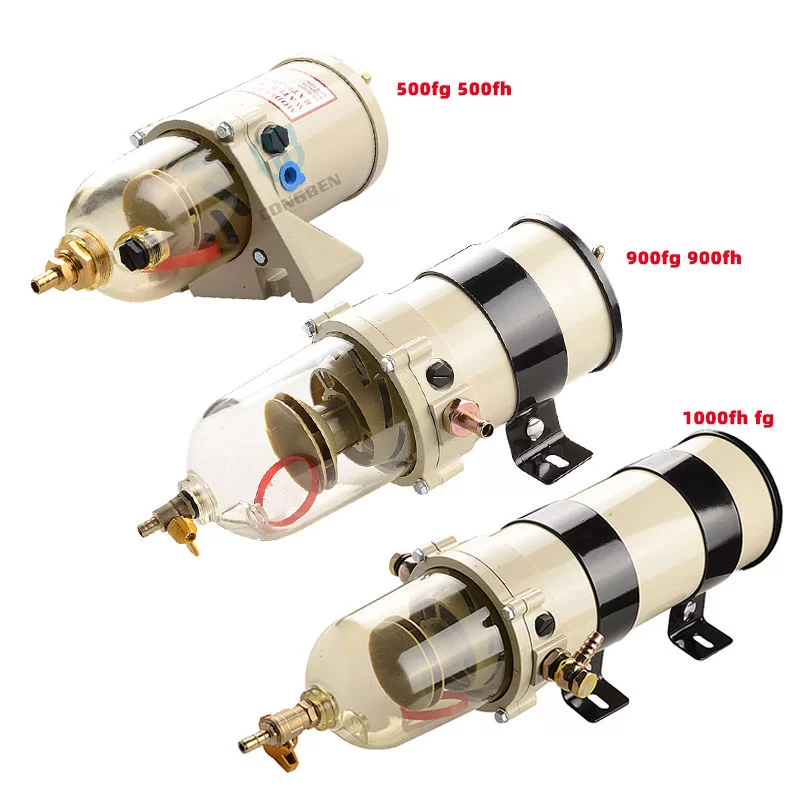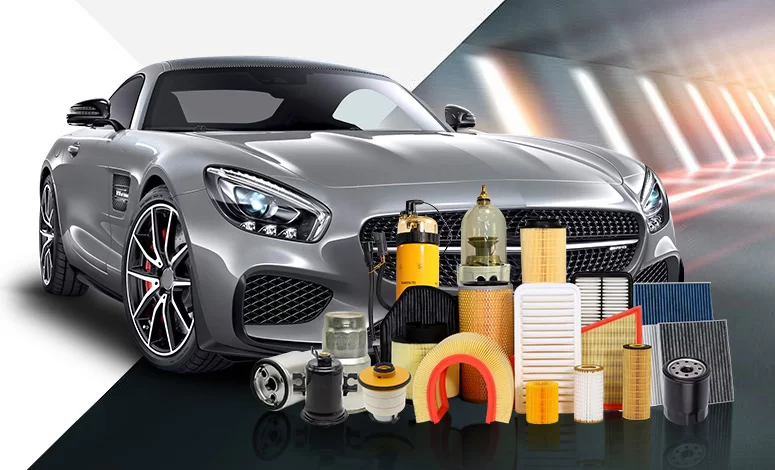

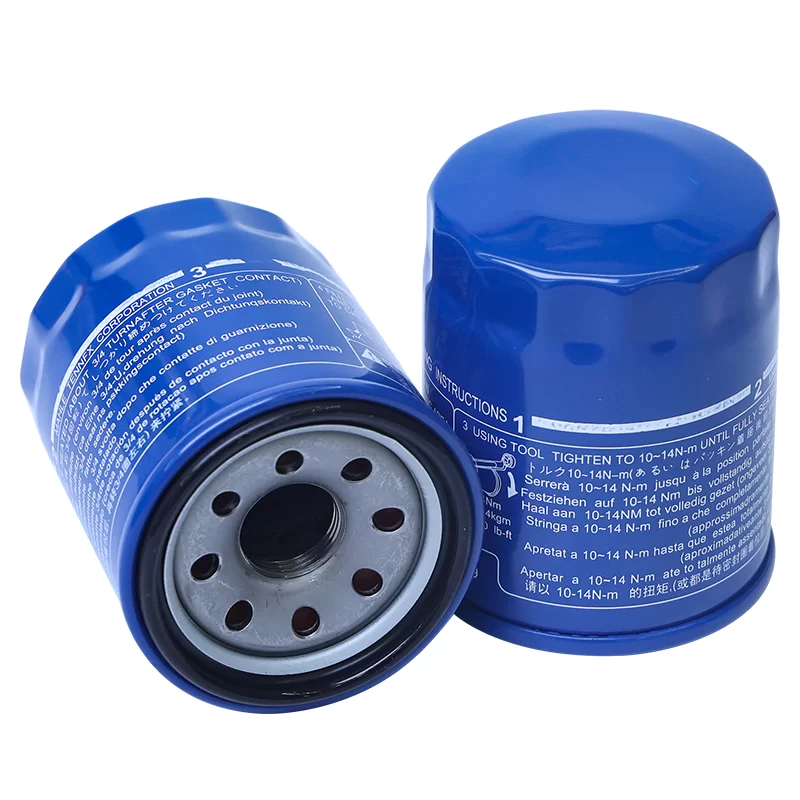
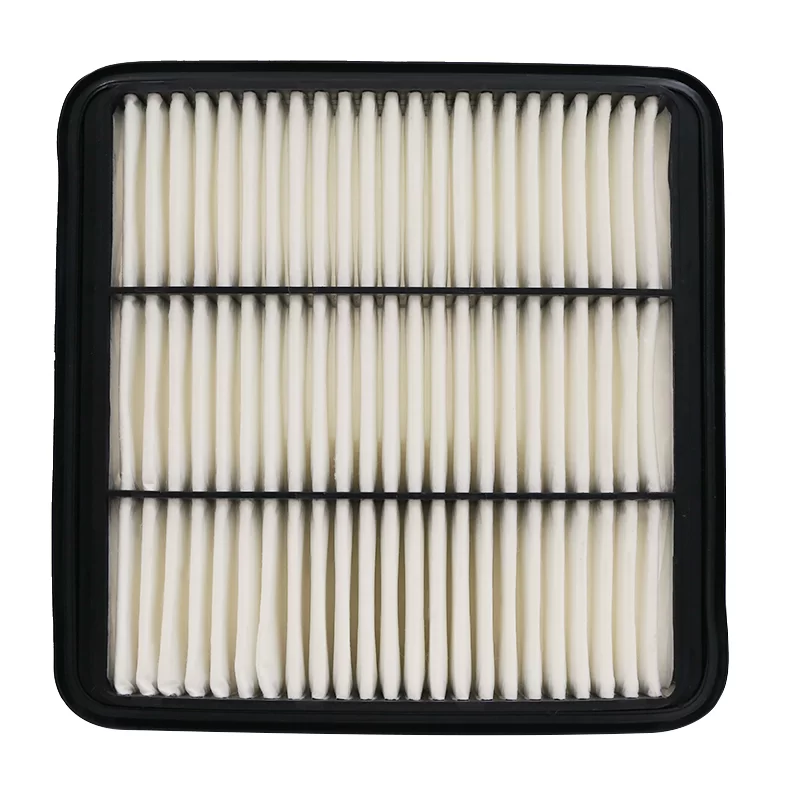
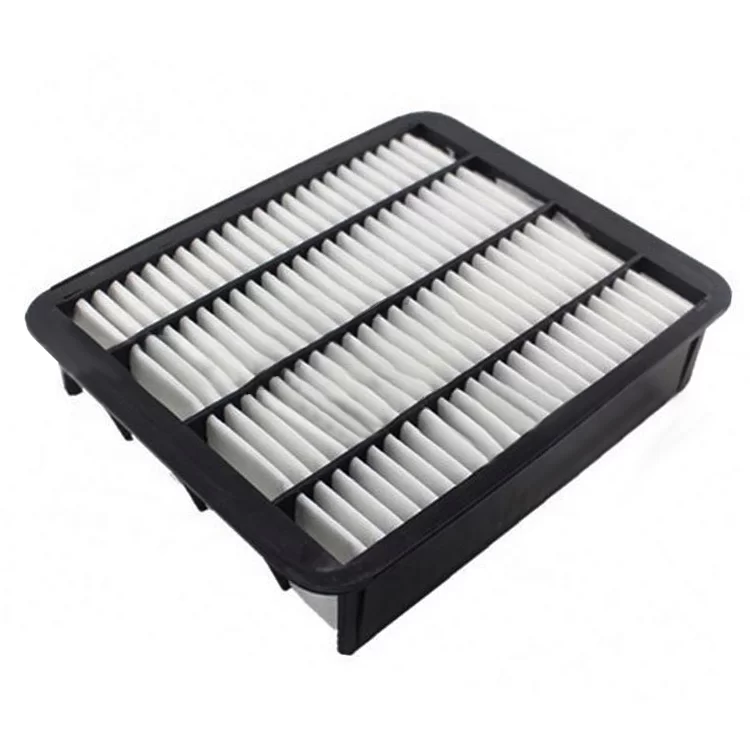
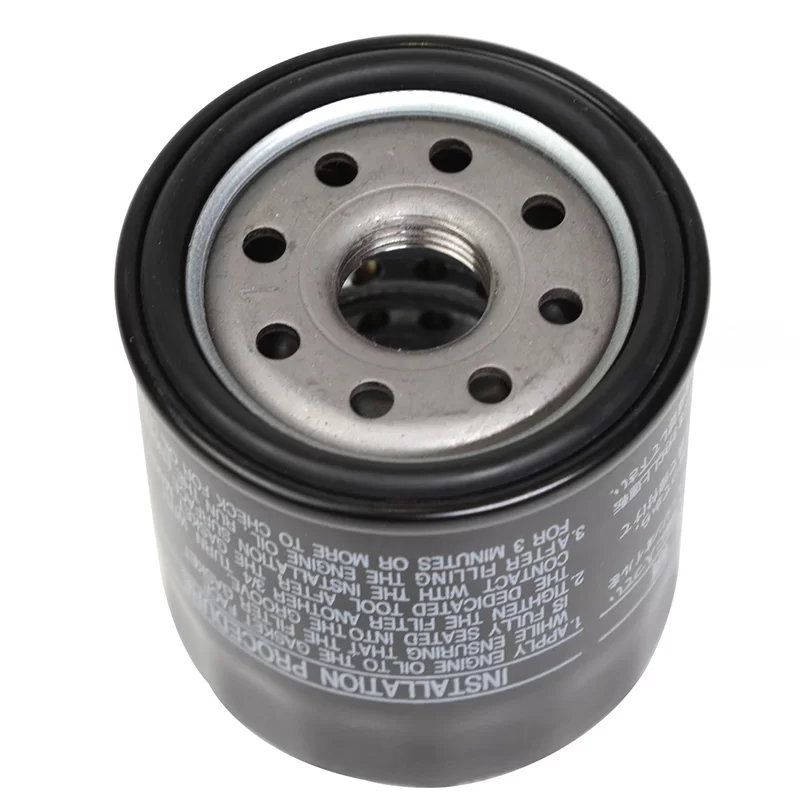
oil filters

Premium car engine oil filter Solutions for Cambodia's Automotive Market

High-performance filtration systems engineered to withstand Cambodia's tropical climate and demanding road conditions, ensuring engine longevity and peak efficiency.

Current Market Landscape of automotive oil filter in Cambodia

Analyzing the impact of environmental factors on engine maintenance in the Kingdom of Cambodia.

Cambodia's automotive sector is characterized by a diverse fleet of vehicles operating in a tropical monsoon climate. The high humidity and seasonal heavy rains, combined with significant dust levels during the dry season, place immense pressure on the oil filter automotive systems, leading to faster contaminant buildup.

Currently, the market sees a high prevalence of imported second-hand vehicles and a growing number of new Asian-manufactured cars. This diversity requires a versatile range of filtration options, as many local workshops struggle with inconsistent quality from generic aftermarket parts that cannot handle the extreme heat of Southeast Asia.

The lack of standardized maintenance schedules in some regional provinces has increased the demand for high-durability engin oil filter components that can extend service intervals without compromising the internal lubrication of the engine.
Evolution and Technical Trajectory of Filtration

From basic mechanical screens to advanced synthetic media filtration.

Market Development History

In the early 2000s, the Cambodian market relied heavily on basic cellulose-based filters. These traditional components offered minimal filtration efficiency, often allowing microscopic particulates to circulate, which shortened engine life in the dusty environments of rural Cambodia.

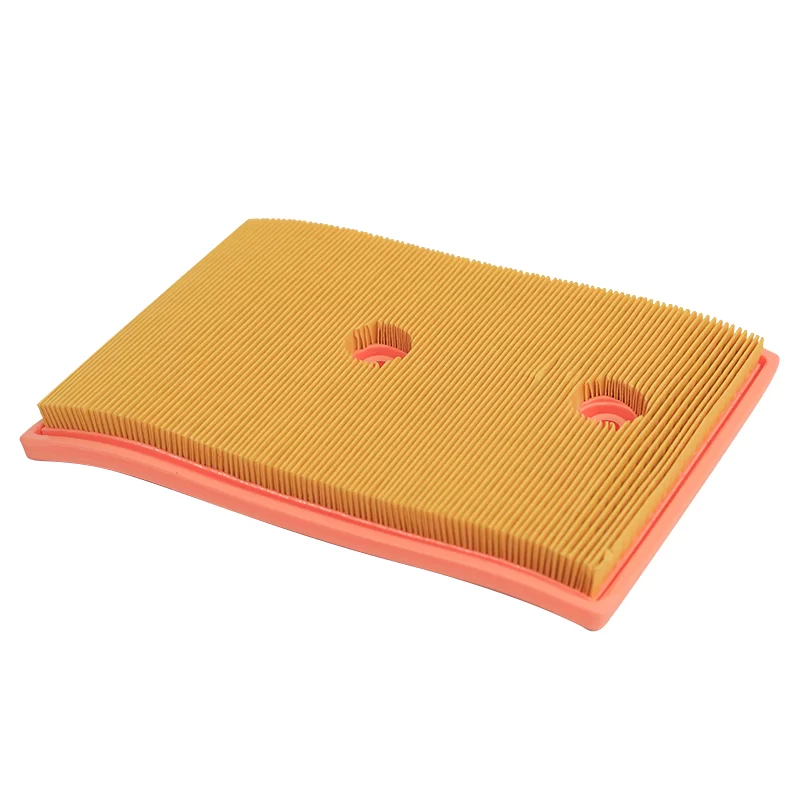
Between 2010 and 2020, there was a transition toward hybrid synthetic blends. The introduction of a more refined engine oil filter element allowed for better contaminant trapping and higher flow rates, catering to the newer generation of fuel-injected engines entering the market.

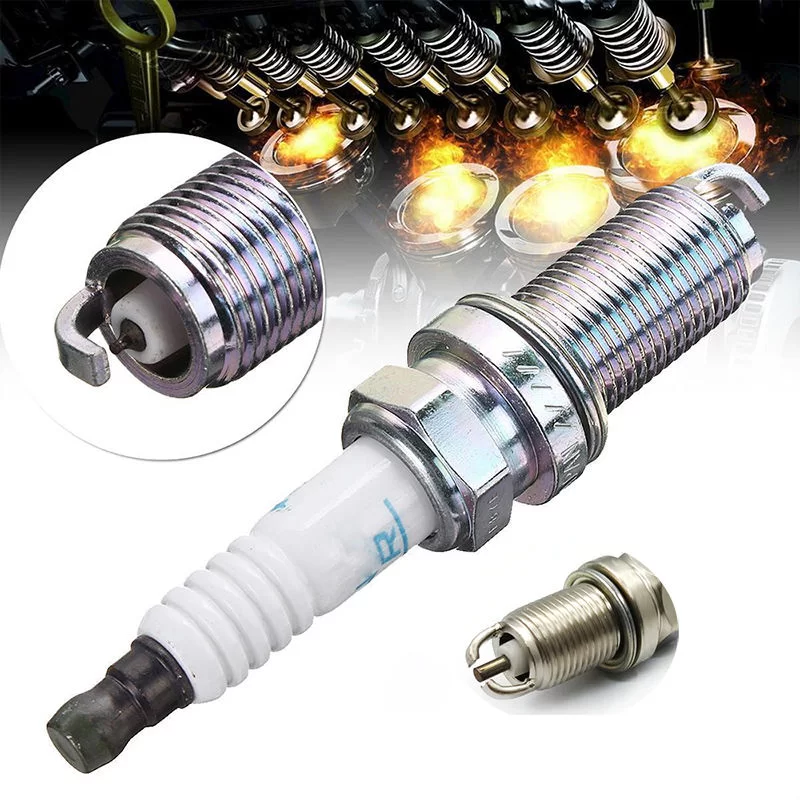
Today, the industry has evolved into the era of precision engineering. Modern filters now utilize multi-layer synthetic fibers and high-grade anti-drainback valves, ensuring that oil pressure is maintained immediately upon startup, even in extreme Cambodian heat.

Future Development Trends

Nano-Fiber Integration

The next 3 years will see the integration of nano-fiber technology to capture sub-micron particles, drastically reducing engine friction.

Eco-Friendly Biodegradable Materials

Following global green trends, there is a shift toward sustainable filter housings and biodegradable media to reduce the environmental footprint in Asia.

Smart Sensor Compatibility

Integration with vehicle telematics to provide real-time alerts on filter saturation levels, moving from scheduled to condition-based maintenance.

Industry Outlook and Strategic Forecasting

Predicting the shift in filtration demands based on Google Search trends and regional economic growth.

High-Efficiency Synthetic Media
Increasing demand for synthetic materials that provide 99% filtration efficiency for modern GDI engines.
Thermal Stability Enhancement
Development of housings and seals that resist degradation in Cambodia's 40°C+ peak temperatures.
Extended Service Intervals
Engineering filters that maintain performance for longer periods, reducing oil waste in urban areas.
Hybrid Vehicle Compatibility
Optimizing oil flow for hybrid engines that experience frequent start-stop cycles in Phnom Penh traffic.

Industry Outlook

Based on current search data and the economic trajectory of Cambodia, the demand for high-performance filtration is expected to grow by 6% annually. As consumers move from basic utility vehicles to premium SUVs and hybrids, the technical requirement for an engine oil filter element that can handle synthetic oils will become the standard.

Furthermore, the push toward stricter emission standards in Southeast Asia will compel vehicle owners to adopt superior filtration systems to maintain fuel efficiency and reduce carbon output, ensuring the industry pivots toward high-precision manufacturing.

Localized Application Scenarios in Cambodia

Real-world use cases for our filtration solutions in different Cambodian environments.

01. Phnom Penh Urban Commuting

Vehicles facing extreme stop-and-go traffic and idling in high temperatures require filters that prevent oil stagnation and maintain consistent flow to prevent engine overheating.

02. Siem Reap Tourism Transport

Tuk-tuks and tour vans operating long hours under heavy loads need durable filtration to handle the constant accumulation of fine road dust from unpaved tourist paths.

03. Sihanoukville Logistics & Port Haulage

Heavy-duty trucks transporting goods from the port face salty air and high humidity; our corrosion-resistant housings prevent leaks and structural failure.

04. Rural Agricultural Transport

Pick-ups and tractors in rural provinces operate in highly dusty environments where standard filters clog quickly; our high-capacity media extends service life.

05. Government & Corporate Fleet Management

High-end sedans used by corporate offices in the capital require OEM-grade precision to maintain manufacturer warranties and ensure smooth, quiet operation.

Brand Story

Global Development Journey of Hebei Congben Automotive Parts Co., Ltd.

Industrial Foundations

Established with a vision to solve the problem of premature engine wear, we began by perfecting the basic structure of the automotive filter.

Technological Breakthrough

We invested heavily in synthetic fiber research, developing a proprietary blend that outperformed traditional cellulose in extreme heat conditions.

Global Expansion

Expanding our reach into the Southeast Asian market, specifically targeting the unique needs of Cambodia and neighboring nations.

Quality Standardization

Achieving international certifications and implementing a zero-defect quality control system for every single filter unit produced.

Future Vision

Committing to the development of intelligent, eco-friendly filtration systems that support the global transition to sustainable mobility.

Frequently Asked Questions in Cambodia

Expert answers to common concerns regarding automotive filtration and engine health.

How often should I replace my car engine oil filter in Phnom Penh traffic?

Due to heavy traffic and high dust levels in Phnom Penh, we recommend replacing your filter every 5,000 to 7,500 kilometers to ensure maximum engine protection.

Can a low-quality oil filter automotive cause engine failure in tropical climates?

Yes, poor quality filters can collapse under pressure or fail to trap fine particulates, leading to increased friction and potential engine seizure in high heat.

What is the advantage of a synthetic engine oil filter element over paper ones?

Synthetic elements provide superior filtration efficiency, better heat resistance, and a longer service life, making them ideal for Cambodia's harsh environment.

Do I need a specific automotive oil filter for diesel trucks in Sihanoukville?

Absolutely. Diesel engines produce more soot; therefore, they require filters with higher dirt-holding capacity and robust construction to prevent leaks.

How can I identify a genuine engin oil filter from a counterfeit one?

Check for precise welding on the housing, high-quality gasket materials, and consistent branding/batch numbers on the packaging.

Will using a premium oil filter improve my vehicle's fuel efficiency?

Yes, by maintaining cleaner oil, the engine operates with less internal resistance, which can lead to a marginal but noticeable improvement in fuel economy.

Get Expert Filtration Advice

Looking for the best filtration solutions for your fleet or workshop in Cambodia? Our technical team is ready to assist you.

Contact Us Now

If you are interested in our products, you can choose to leave your information here, and we will be in touch with you shortly.