

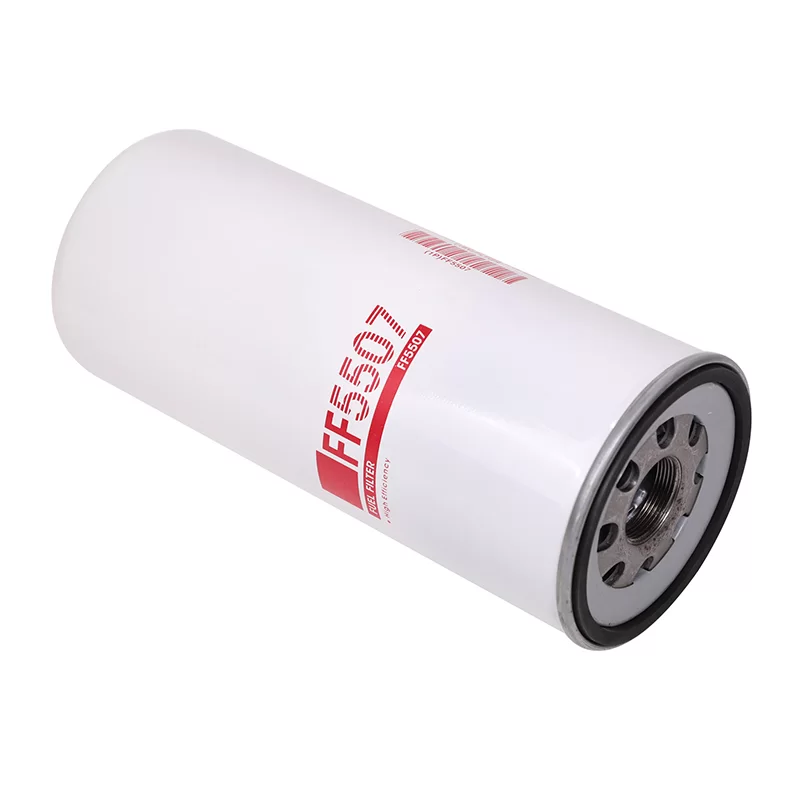
oil filters

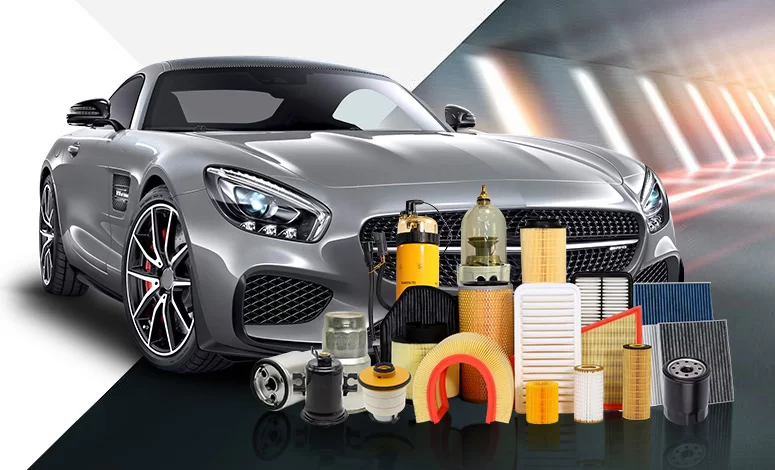
Premium car engine oil filter Solutions for Kenya Market

Engineered for extreme durability to withstand Kenya's diverse terrains and dusty environments, ensuring maximum engine longevity.

Premium car engine oil filter Solutions for Kenya Market

Providing high-efficiency filtration systems specifically optimized for the automotive fleet in Kenya, from Nairobi's urban traffic to the rugged roads of the Rift Valley.

The Current State of automotive oil filter Demand in Kenya

Analyzing the impact of local environmental factors on engine filtration requirements.

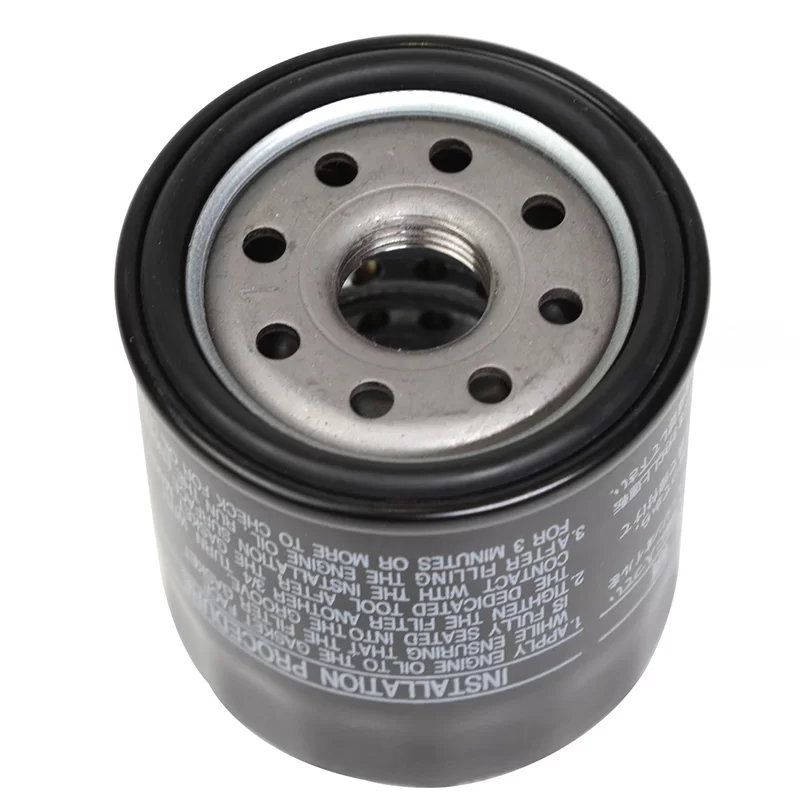
In Kenya, the automotive sector faces unique challenges due to high ambient dust levels and varying road conditions. The heavy reliance on second-hand imported vehicles means that the demand for a reliable oil filter automotive is critical to prevent premature engine wear caused by particulate contamination.

Economic growth in Nairobi and Mombasa has led to an increase in commercial logistics, where heavy-duty trucks operate under extreme loads. This creates a consistent need for high-capacity filtration that can handle larger volumes of oil while maintaining strict purity standards to avoid costly downtime.

Furthermore, the fluctuation in fuel quality across different regions in Kenya often leads to faster oil degradation. Consequently, the adoption of a high-quality engin oil filter has become a priority for fleet managers looking to extend service intervals and reduce operational costs.
Evolution of Filtration Technology in Kenya

From basic sediment traps to advanced synthetic media filtration.

Market Development History

Between 2000 and 2010, the Kenyan market was dominated by basic metal-mesh filters. These early iterations provided rudimentary protection but often struggled with the fine silica dust prevalent in the Kenyan highlands, leading to frequent engine sludge buildup.

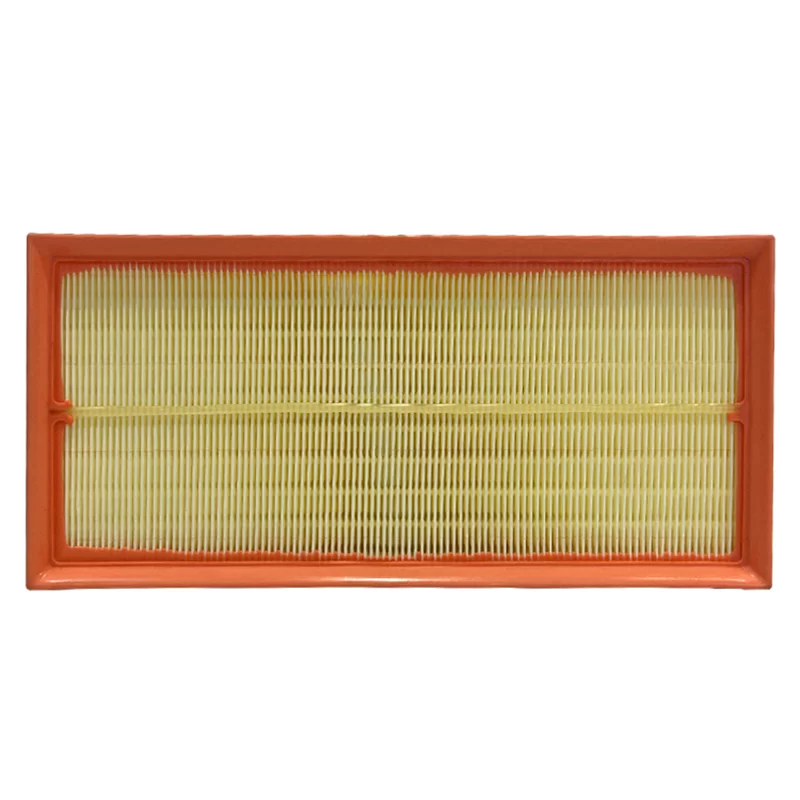
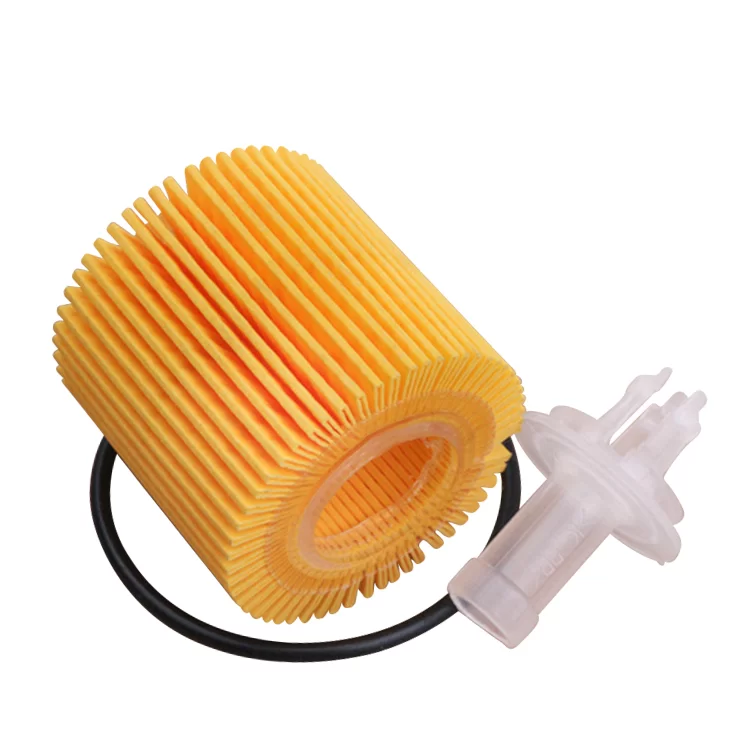
From 2011 to 2020, there was a significant shift toward cellulose-based pleated media. The introduction of the modern engine oil filter element allowed for a larger surface area and better trapping efficiency, matching the arrival of newer European and Japanese vehicle models in the region.

Since 2021, the trend has moved toward synthetic blend media and high-efficiency bypass valves. This evolution ensures that oil flow remains constant even when the filter is heavily loaded, which is essential for vehicles operating in the extreme heat of Northern Kenya.

Future Development Trends

Eco-Friendly Biodegradable Media

Increasing environmental regulations in East Africa are driving the shift toward recyclable and biodegradable filter materials to reduce the ecological footprint of automotive maintenance.

Smart Sensor Integration

The integration of pressure sensors within the filter housing to provide real-time alerts on filter saturation, moving from scheduled maintenance to condition-based maintenance.

Nano-Fiber Filtration

Adoption of nano-fiber technology to capture sub-micron particles, which is essential for the newer high-precision turbocharged engines becoming popular in Kenyan cities.

Industry Trends and Future Outlook for Kenya

Projecting the trajectory of automotive filtration based on regional growth and tech adoption.

Synthetic Media Dominance
Transitioning from paper to synthetic fibers to handle the abrasive dust of the Kenyan savannah.
Extended Service Intervals
Developing filters that last 15,000km+ to suit the long-distance haulage between Mombasa and Nairobi.
Hybrid Engine Support
Specialized filtration for the emerging hybrid and electric-assist vehicles entering the Kenyan market.
Anti-Corrosion Coating
Enhanced shell coatings to prevent rust in the humid coastal climate of Mombasa.

Industry Outlook

Based on search trend data for East Africa, there is a growing interest in "heavy duty oil filters" and "long life engine protection," indicating a shift in consumer behavior toward preventative maintenance rather than reactive repair.

We predict that over the next 3-5 years, the Kenyan market will move toward a standardized certification for filtration efficiency, reducing the prevalence of low-quality counterfeits and increasing the market share of premium, engineered solutions.

Localized Application Scenarios in Kenya

How our filtration technology solves real-world challenges across different Kenyan regions.

1. Nairobi Urban Commuting

For vehicles trapped in Nairobi's stop-and-go traffic, where engines run hot and idle frequently, our filters ensure that oil viscosity is maintained by removing micro-sludge effectively.

2. Rift Valley Long-Haul Transport

Trucks transporting goods across the Rift Valley face extreme altitude and temperature changes. Our high-capacity elements provide stable pressure and filtration across these gradients.

3. Mombasa Coastal Humidity

In the humid salt-air environment of Mombasa, our corrosion-resistant outer shells prevent filter housing degradation and oil leakage.

4. Northern Kenya Dusty Terrain

For off-road vehicles in Turkana or Marsabit, where fine dust is omnipresent, our reinforced media prevents particulate bypass into the engine core.

5. Agricultural Machinery in Central Highlands

Tractors and machinery working in the tea and coffee plantations require robust filtration to handle intermittent duty cycles and high-load operations.

Brand Story

Global Development Journey of Hebei Congben Auto Parts Co., Ltd.

Founding Vision

Established with the goal of bridging the gap between industrial-grade filtration and consumer automotive needs, focusing on durability.

Technological Breakthrough

Developing proprietary synthetic media that increased filtration efficiency by 30% compared to standard cellulose filters.

Global Expansion

Expanding our footprint into the African market, specifically tailoring products for the challenging terrains of East Africa.

Quality Certification

Achieving international ISO standards to ensure every filter produced meets global safety and performance benchmarks.

Future Commitment

Dedicated to solving the pain point of premature engine failure in developing markets through affordable, high-performance filtration.

Kenya Automotive Filtration FAQ

Answers to the most common questions from Kenyan vehicle owners and fleet managers.

How often should I replace my car engine oil filter in dusty regions like Turkana?

In high-dust environments, we recommend reducing your interval by 20-30%. Replacing your filter every 5,000 to 7,500 km is ideal to prevent oil starvation.

Can a high-quality engine oil filter element improve fuel efficiency?

Yes, by maintaining clean oil, the engine experiences less internal friction, which optimizes combustion and can lead to a slight improvement in fuel economy.

What is the difference between a standard oil filter automotive and a synthetic one?

Synthetic filters use man-made fibers that are more durable and have smaller pores, capturing more contaminants than traditional cellulose paper filters.

Are these automotive oil filters compatible with Japanese imported cars in Kenya?

Absolutely. We manufacture filters based on OEM specifications for Toyota, Nissan, and Honda, which are the most popular brands in the Kenyan market.

How do I spot a counterfeit engin oil filter in the local market?

Check for inconsistent printing on the canister, a lack of a proper seal/gasket, and an unusually light weight compared to genuine high-density filters.

Do I need to change the filter every time I change the oil?

Yes, especially in Kenya's environment. Putting new oil through a dirty filter immediately contaminates the fresh oil and reduces its effectiveness.

Get Expert Filtration Advice

Optimize your fleet's performance with the best filtration technology available in Kenya.

Contact Us Now

If you are interested in our products, you can choose to leave your information here, and we will be in touch with you shortly.