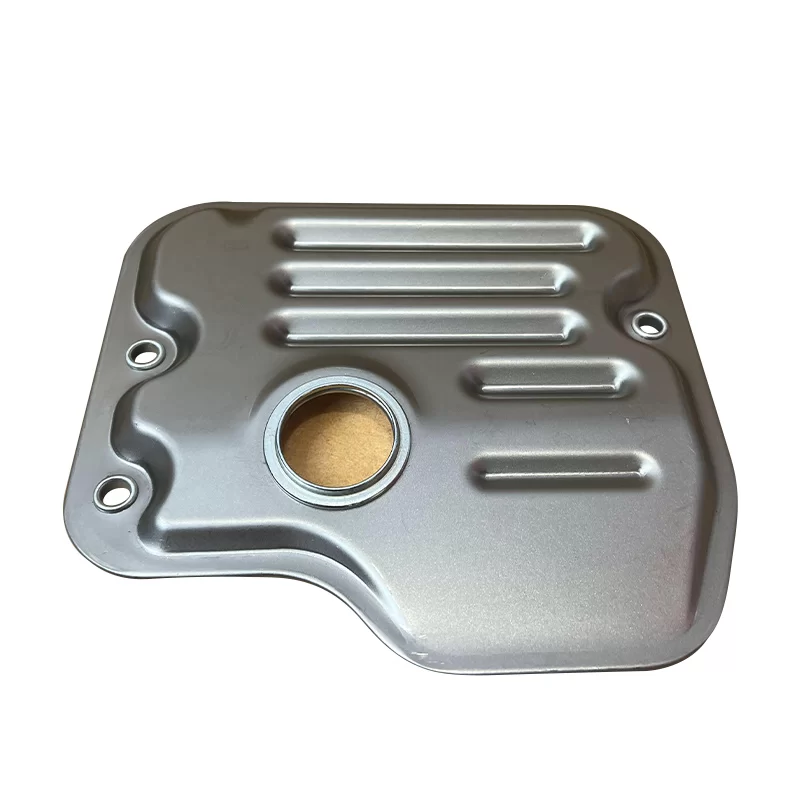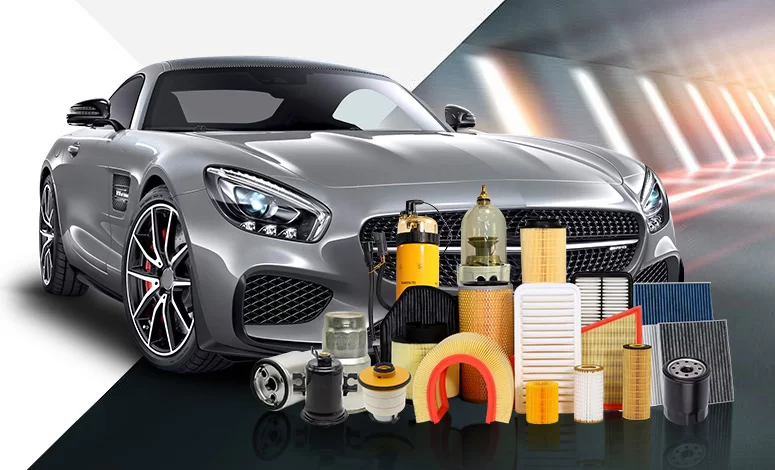

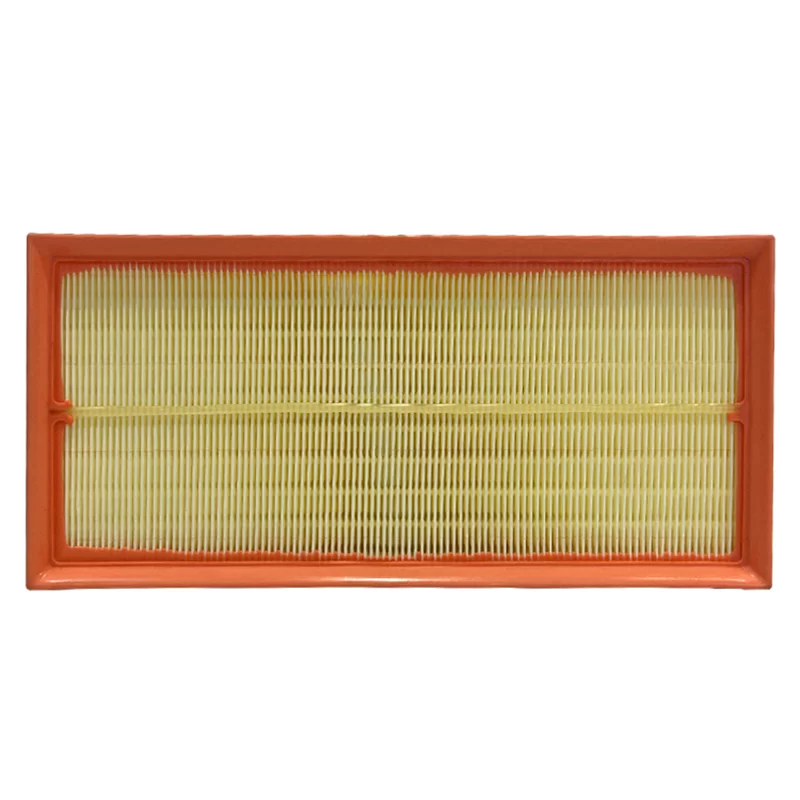
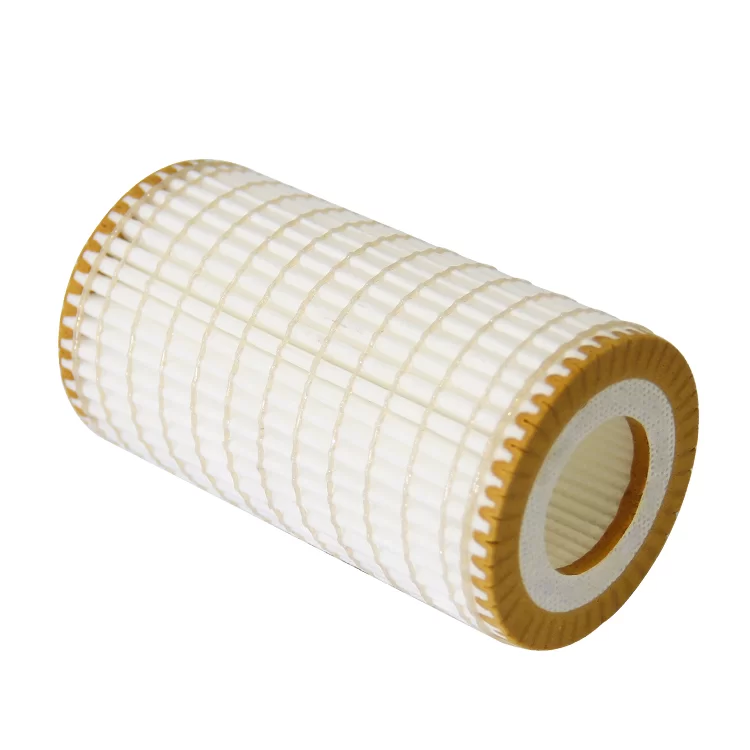
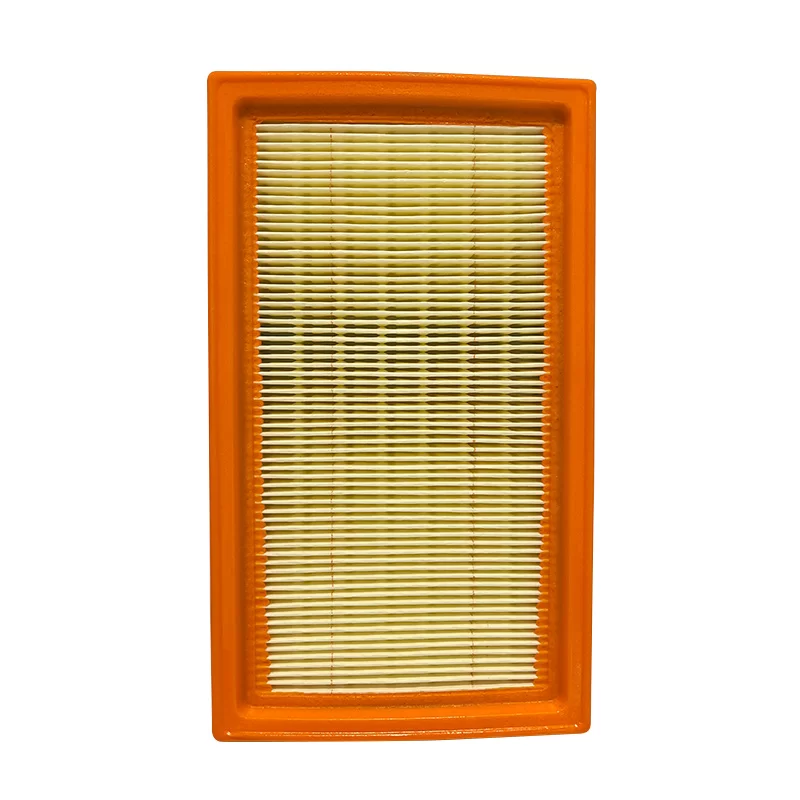
oil filters

Premium car engine oil filter Solutions for New Zealand's Automotive Market

High-performance filtration systems engineered to withstand New Zealand's diverse terrain and climate, ensuring maximum engine longevity.

Premium car engine oil filter Solutions for New Zealand's Automotive Market

Providing the most reliable filtration technology to protect engines against the unique environmental challenges of the Oceania region, from coastal humidity to alpine cold.

The State of Automotive Oil Filter Demand in New Zealand

Analyzing the impact of New Zealand's unique geography on vehicle maintenance requirements.

In New Zealand, the automotive landscape is characterized by a high proportion of 4WDs and utility vehicles used for agriculture and rugged tourism. This creates a specific demand for a heavy-duty oil filter automotive standard that can handle high particulate loads from rural dust and salt-laden coastal air.

The geographic diversity, ranging from the humid subtropical North Island to the colder, alpine regions of the South Island, necessitates oil filters that maintain structural integrity and flow efficiency across extreme temperature gradients, preventing premature engine wear during cold starts in Otago or Canterbury.

Furthermore, New Zealand's strict environmental regulations and the shift toward sustainable transport are pushing the market toward longer-life filtration elements. This has led to an increase in the adoption of high-efficiency synthetic media in the local engin oil filter sector to reduce waste and improve oil drainage efficiency.
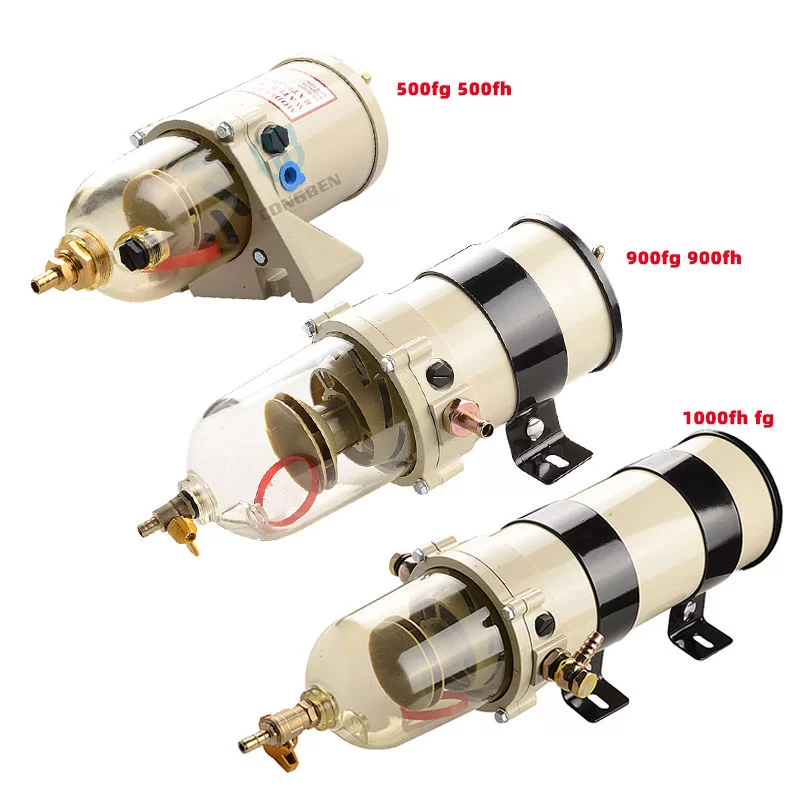
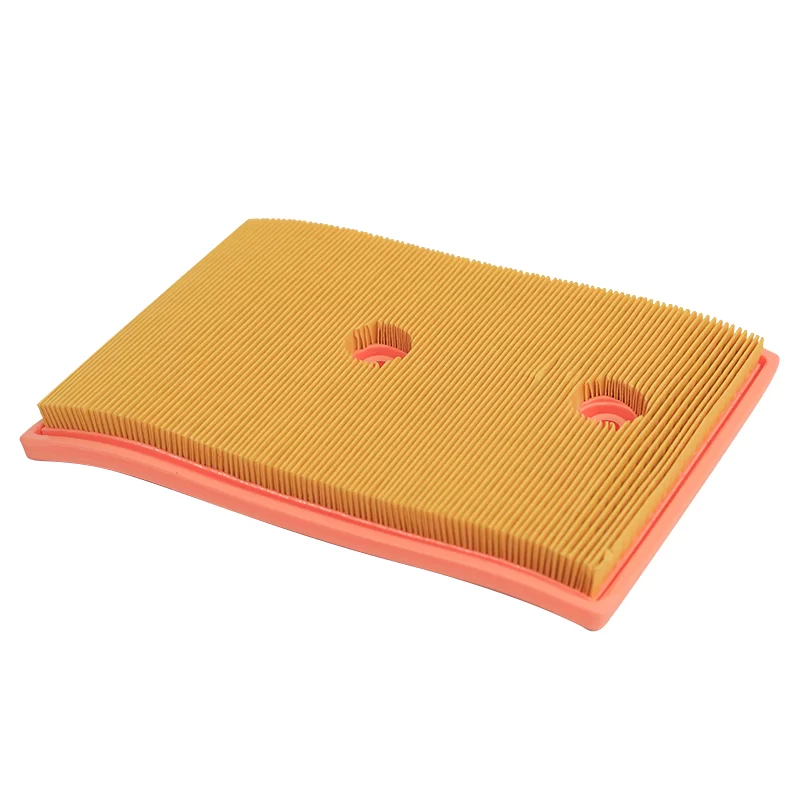
Evolution of Filtration: From Basic Screens to Advanced Elements

Tracing the technical trajectory of engine protection in the Oceania region.

Market Development History

During the late 20th century, the New Zealand market relied heavily on basic cellulose-based filters. These provided standard protection but struggled with the high-sulfur fuels and varied driving conditions of the 1980s, often requiring frequent replacement intervals.

By the early 2000s, a technical shift occurred with the introduction of the precision-engineered engine oil filter element. The transition from traditional paper to synthetic blends allowed for better contaminant capture and higher flow rates, aligning with the arrival of more complex European and Japanese engine architectures in the region.

In the last decade, the focus has shifted toward "intelligent" filtration. The integration of bypass valves and high-stability gaskets has become standard to prevent engine starvation during the extreme temperature shifts common in New Zealand's mountainous regions.

Future Development Trends

Nano-Fiber Filtration Media

The adoption of nano-fiber technology will significantly increase the trapping efficiency of microscopic particles, extending the life of modern turbocharged engines common in New Zealand's urban centers.

Biodegradable Filter Housing

Driven by NZ's "Clean Green" image, there is a growing trend toward using recyclable or bio-composite materials for the external shell of the oil filter to reduce landfill impact.

Smart Sensor Integration

Future trends suggest the integration of pressure sensors within the filter housing to provide real-time degradation data to the vehicle's ECU, moving from scheduled to condition-based maintenance.

Industry Outlook and Technological Forecast

Projecting the next 3-5 years of automotive filtration based on Google search trends and OEM shifts.

Hybrid-Ready Filtration
Optimizing filters for hybrid engines that experience frequent stop-start cycles and temperature fluctuations.
Ultra-Low Micron Rating
Increasing demand for filtration capable of capturing particles below 10 microns to support high-precision engine tolerances.
Sustainable Materials
Transitioning toward metal-free or recycled steel housings to align with NZ's zero-carbon goals.
Extended Drain Intervals
Developing elements that support 20,000km+ intervals without compromising filtration efficiency.

Industry Outlook

Google Search trends in Oceania indicate a rising interest in "long-life oil filters" and "eco-friendly car parts," suggesting that the New Zealand consumer is moving toward value-driven, sustainable maintenance. The industry will likely see a consolidation of brands that can prove E-E-A-T (Experience, Expertise, Authoritativeness, and Trustworthiness) through certified performance data.

Moreover, as the fleet transition to EVs continues, the focus for the internal combustion engine (ICE) market will shift toward "premium preservation." This means that the remaining ICE vehicles will require higher-grade filtration to extend their operational life, creating a lucrative niche for ultra-premium automotive oil filter products.

Localized Application Scenarios in New Zealand

Tailored filtration solutions for the unique driving conditions of the Land of the Long White Cloud.

01. Agricultural Machinery in Waikato

Heavy-duty tractors and harvesters operating in the rich soils of Waikato require filters with high dust-holding capacity to prevent abrasive wear during peak harvest seasons.

02. Coastal Commuting in Auckland

Vehicles facing constant salt spray and stop-and-go traffic in Auckland benefit from corrosion-resistant housings and high-flow media to manage urban heat.

03. Alpine Transport in Queenstown

Taxis and tour buses navigating the Southern Alps require oil filters with superior cold-start flow properties to ensure lubrication reaches critical engine components instantly at -5°C.

04. Off-Road Exploration in the Coromandel

4WD vehicles used for rugged exploration need vibration-resistant seals and high-pressure stability to ensure the oil filter automotive doesn't leak under extreme chassis stress.

05. Long-Haul Logistics in the North Island

Freight trucks running the State Highway 1 corridor require extended-life elements that minimize downtime and maximize oil purity over thousands of kilometers.

Brand Story

Global Development History of Hebei Congben Automotive Parts Co., Ltd.

Foundation and Precision

Established with a commitment to engineering excellence, we began by solving the core problem of premature engine wear through high-precision filtration materials.

Technological Breakthroughs

We pioneered the use of advanced synthetic blends in the engine oil filter element, significantly increasing contaminant capture rates.

Global Quality Certification

By adhering to strict international standards, we expanded our footprint, ensuring every product meets the rigorous demands of global automotive OEMs.

Strategic Expansion to Oceania

Recognizing the unique needs of the New Zealand market, we localized our product specifications to handle high-dust and variable-temperature environments.

Future-Proofing Mobility

Today, we focus on sustainable filtration and smart technology, aiming to be the leading partner for engine protection worldwide.

New Zealand Automotive Filtration FAQ

Answers to common questions regarding engine oil filtration in the local context.

How often should I replace my car engine oil filter in New Zealand's rural areas?

For vehicles operating in dusty rural areas like the Waikato or Canterbury plains, we recommend replacing the filter every 7,500 to 10,000 km to prevent particulate buildup from restricting oil flow.

Can a high-quality engine oil filter element improve fuel efficiency?

Yes, by maintaining optimal oil purity and reducing friction within the engine, a premium filter helps the engine operate more efficiently, which can lead to marginal improvements in fuel economy.

What is the best automotive oil filter for cold starts in the South Island?

Look for filters with high-quality anti-drainback valves. These prevent oil from draining out of the filter when the engine is off, ensuring immediate lubrication during freezing winter mornings.

How do I know if my engin oil filter is clogged?

Common signs include a drop in oil pressure warnings on your dashboard, increased engine noise (knocking), or a noticeable increase in oil consumption.

Are synthetic oil filters better than traditional ones for NZ drivers?

Absolutely. Synthetic media provides superior filtration efficiency and durability, making them ideal for the varied terrain and longer service intervals desired by New Zealand motorists.

Does an oil filter automotive standard differ between petrol and diesel engines?

Yes, diesel engines typically produce more soot and operate under higher pressures, requiring filters with larger capacity and more robust construction compared to petrol engine filters.

Secure Your Engine's Future Today

Get expert consultation on the best filtration solutions for your fleet in New Zealand.

Contact Us Now

If you are interested in our products, you can choose to leave your information here, and we will be in touch with you shortly.