
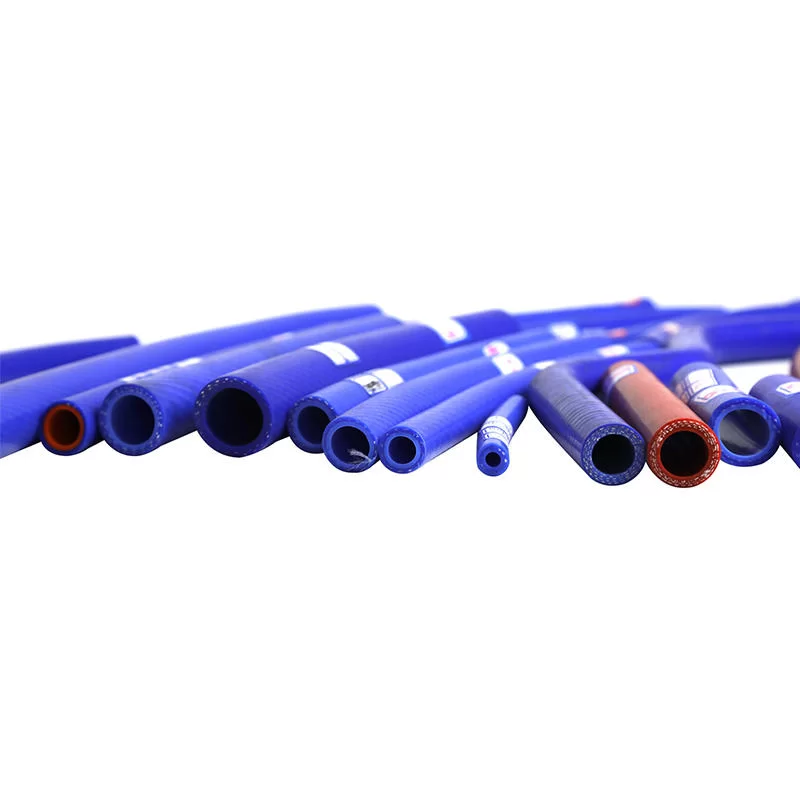
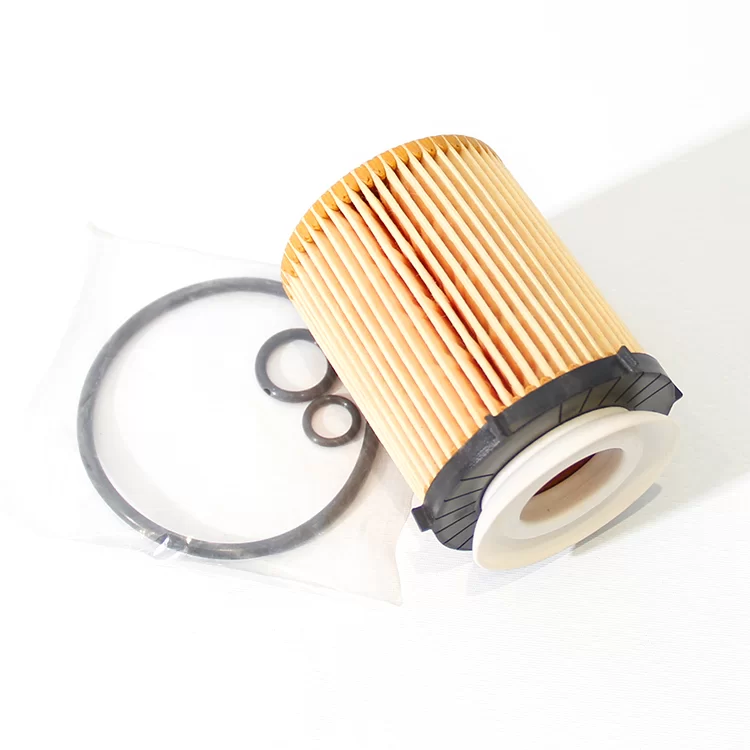
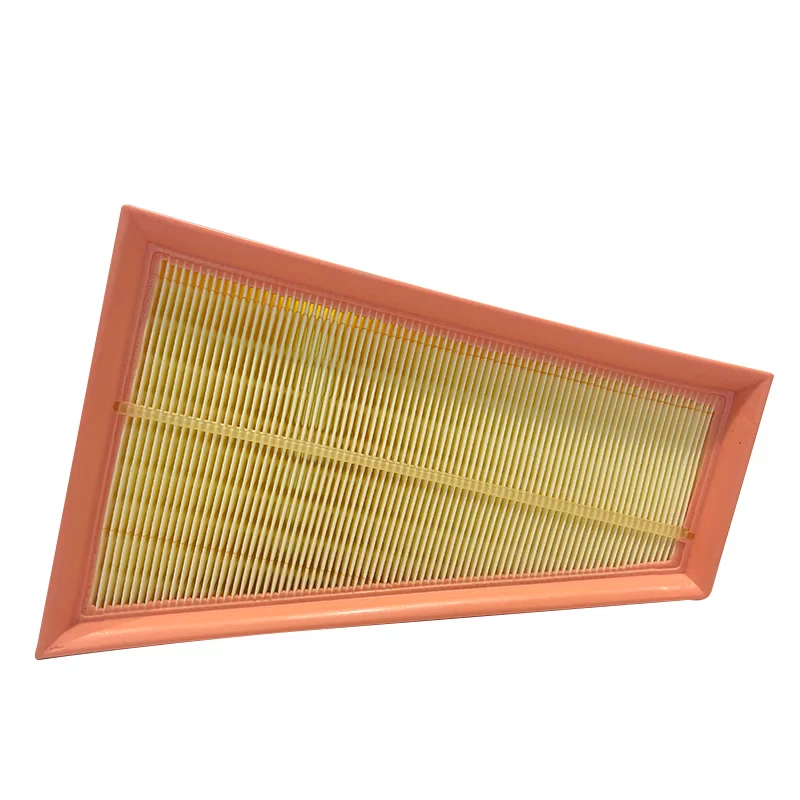
oil filters

Premium car engine oil filter Solutions for South Africa

Engineered for endurance in extreme terrains, ensuring peak performance for the South African automotive fleet.

South African Market Dynamics for automotive oil filter

Analyzing the impact of regional climate and dust levels on engine longevity.

South Africa's automotive landscape is characterized by diverse environments, from the humid coastal regions of Durban to the arid, dust-heavy interior of the Karoo. These conditions accelerate the contamination of engine lubricants, making a high-quality oil filter automotive an absolute necessity for preventing premature engine wear.

The economy relies heavily on heavy-duty transport and mining logistics, where vehicles operate in high-load scenarios for extended periods. In these environments, the filtration efficiency of the engine oil filter element is critical to managing carbon deposits and metallic debris common in diesel-heavy fleets.

Furthermore, the rise of second-hand vehicle imports has created a fragmented market for spare parts. This has increased the demand for standardized, high-performance filtration that can bridge the gap between various manufacturer specifications across the region.
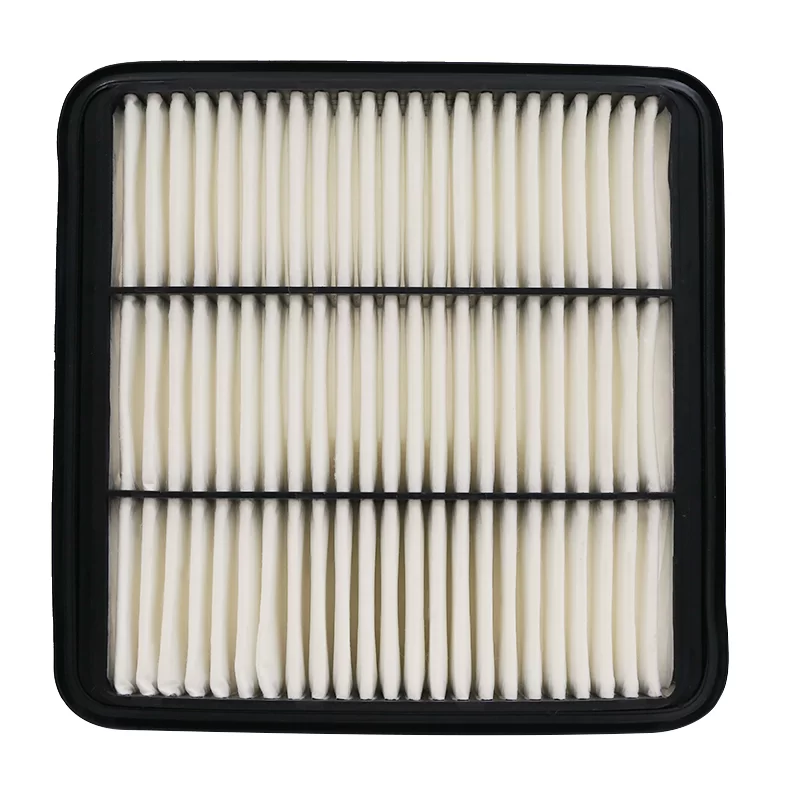
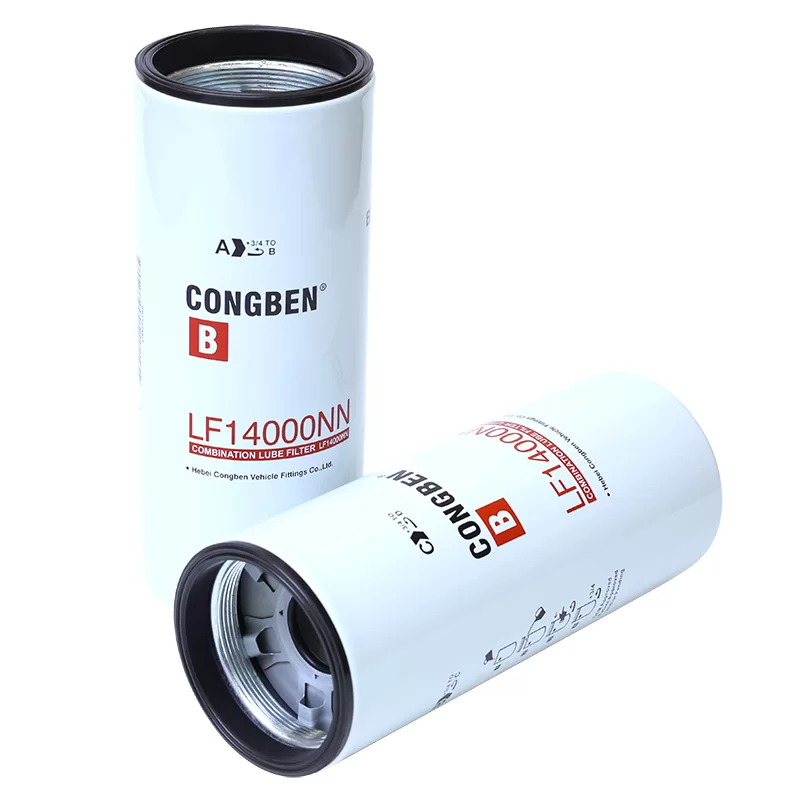
Evolution of engin oil filter Technology

From basic sediment traps to precision synthetic media.

Market Development History

In the early 2000s, the South African market was dominated by basic cellulose-based filters. These provided fundamental protection but struggled with the high thermal stress and particulate loads found in local industrial applications.

Between 2010 and 2020, the industry shifted toward composite media. The introduction of synthetic blends allowed the engine oil filter element to capture smaller microns of contaminants without restricting oil flow, aligning with the arrival of more advanced Euro-spec engines in the region.

Currently, the market is transitioning toward "Long-Life" filtration. Modern solutions now focus on high-capacity pleated designs that can withstand the extended oil drain intervals required by modern logistics fleets operating across the Gauteng-KwaZulu-Natal corridor.

Future Development Trends

Nanofiber Filtration Integration

Integration of nanofiber layers to capture sub-micron particles, significantly reducing friction in high-performance engines.

Eco-Friendly Biodegradable Media

Moving away from plastic-heavy housings toward recyclable and biodegradable filtration materials to meet South Africa's growing green energy goals.

Smart-Sensing Filter Housings

The development of filters with embedded sensors that alert drivers via OBD-II when the filtration efficiency drops below a critical threshold.

Future Outlook for Automotive Filtration

Strategic forecasting for the South African automotive components sector.

Extreme Dust Resilience
Adapting media density to combat the unique silica-rich dust of the South African plateau.
Hybrid Powertrain Compatibility
Optimizing oil flow for hybrid engines that experience frequent start-stop cycles.
High-Temperature Stability
Developing seals and media that resist degradation under 40°C+ ambient temperatures.
Supply Chain Digitalization
Implementing QR-based traceability to eliminate counterfeit filters in the local market.

Industry Outlook

The demand for precision-engineered filtration in South Africa is expected to grow as fleet operators prioritize Total Cost of Ownership (TCO) over initial part costs. By investing in superior filtration, operators reduce engine overhaul frequency.

We anticipate a strong surge in the adoption of synthetic-media filters as the regional vehicle parc modernizes, requiring tighter tolerance for oil purity to protect turbochargers and variable valve timing systems.

Localized Application Scenarios in South Africa

Tailored filtration solutions for regional operational challenges.

01. Mining Haulage in Limpopo

Heavy-duty trucks operating in open-cast mines encounter extreme particulate matter. Our reinforced filter elements prevent oil saturation, ensuring consistent lubrication for 24/7 operations.

02. Long-Haul Logistics on the N3 Corridor

For trucks transporting goods between Durban and Johannesburg, high-capacity filters reduce the frequency of maintenance stops, maximizing uptime for logistics providers.

03. Urban Taxi Fleets in Johannesburg

Stop-and-go traffic leads to oil dilution and soot buildup. Specialized city-grade filters effectively remove these contaminants to extend engine life in high-cycle environments.

04. Agricultural Machinery in the Free State

Tractors and harvesters working in dusty fields require filtration that can handle massive influxes of organic debris without triggering bypass valves prematurely.

05. Coastal Delivery Vans in Cape Town

Salt-laden air and high humidity can affect component corrosion. Our coated filter housings provide additional protection against the corrosive maritime atmosphere.

Brand Story

Global Development Journey of Hebei Congben Auto Parts Co., Ltd.

Foundational Excellence

Established with a vision to redefine purity in automotive lubrication, focusing on precision manufacturing of high-grade filter elements.

Technological Breakthrough

Invested in advanced synthetic fiber technology, enabling us to produce filters that outperform standard OEM specifications in contaminant capture.

Global Market Expansion

Strategically entered the African market, tailoring our product line to withstand the harsh climatic conditions of regions like South Africa.

Quality Standardization

Achieved international certifications, ensuring every unit shipped meets the most stringent global standards for automotive safety and efficiency.

Sustainable Future

Committing to green manufacturing processes to provide the world with eco-efficient filtration solutions for the next generation of mobility.

South Africa Automotive Filtration FAQ

Expert answers to common regional technical queries.

How often should I replace a car engine oil filter in dusty South African conditions?

In high-dust areas like the Northern Cape, we recommend replacing the filter every 5,000 to 7,500 km, or at every oil change, to prevent premature clogging.

Can a low-quality oil filter automotive cause engine failure in heavy-duty trucks?

Yes, substandard filters can collapse or allow contaminants to bypass the media, leading to accelerated wear on bearings and turbocharger failure.

What is the advantage of a synthetic engine oil filter element over cellulose?

Synthetic elements offer higher filtration efficiency, better thermal stability, and a longer service life, making them ideal for the heat of South African summers.

Do engin oil filter specifications differ for diesel and petrol engines in local fleets?

Yes, diesel filters are designed to handle higher soot loads and larger particulates compared to petrol filters, which focus more on fine metallic debris.

How do I identify a genuine automotive oil filter to avoid counterfeits?

Check for precise weld quality, consistent paint finish, and verified holographic security labels provided by the authorized distributor.

Does the oil filter affect fuel efficiency in urban driving environments?

A clogged filter increases engine friction and oil pressure resistance, which can lead to a slight decrease in overall fuel economy.

Get Expert Filtration Advice Today

Our technical team is ready to optimize your fleet's performance across South Africa.

Contact Us Now

If you are interested in our products, you can choose to leave your information here, and we will be in touch with you shortly.