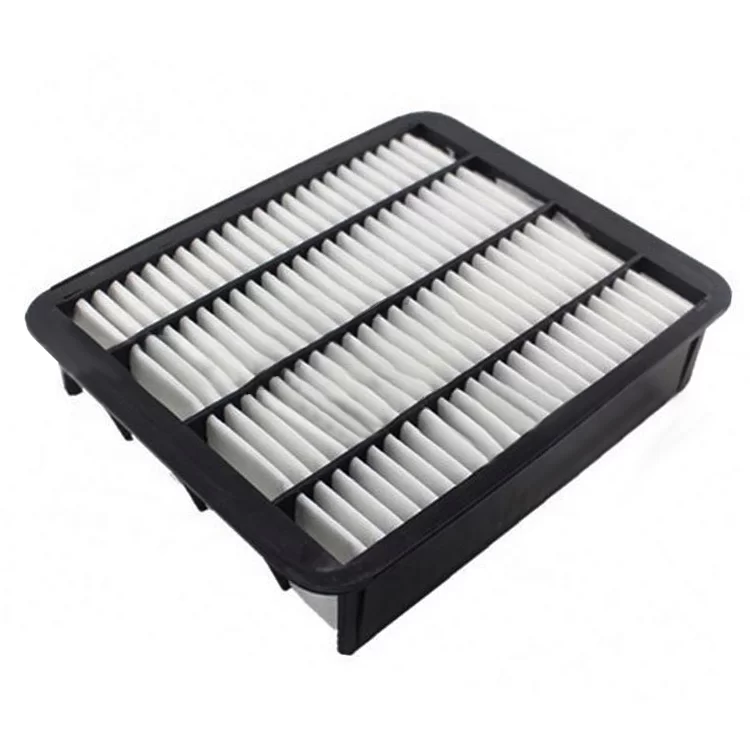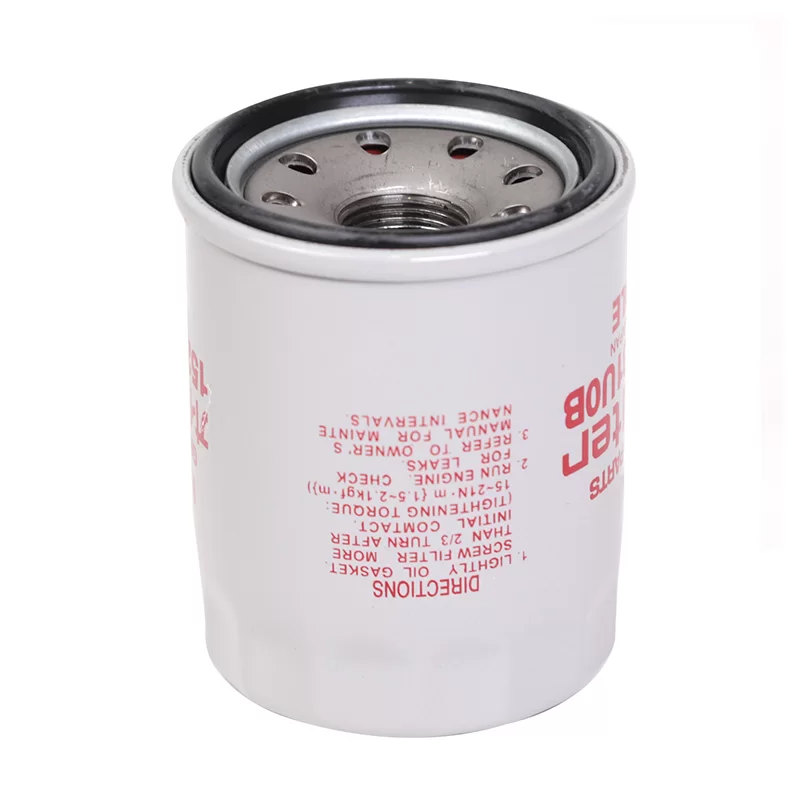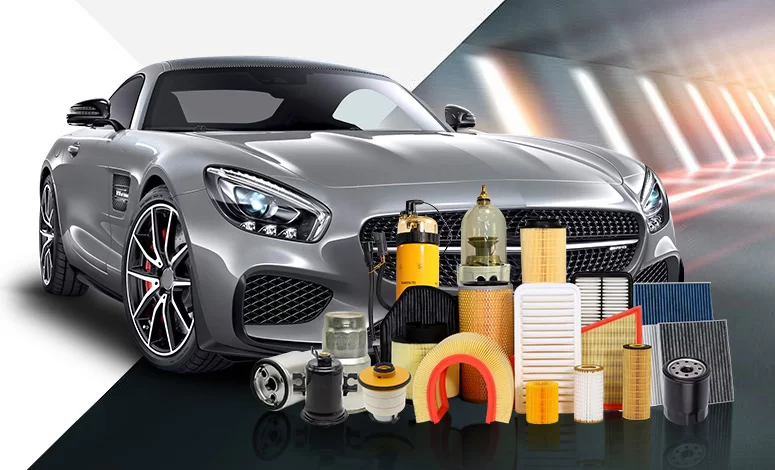

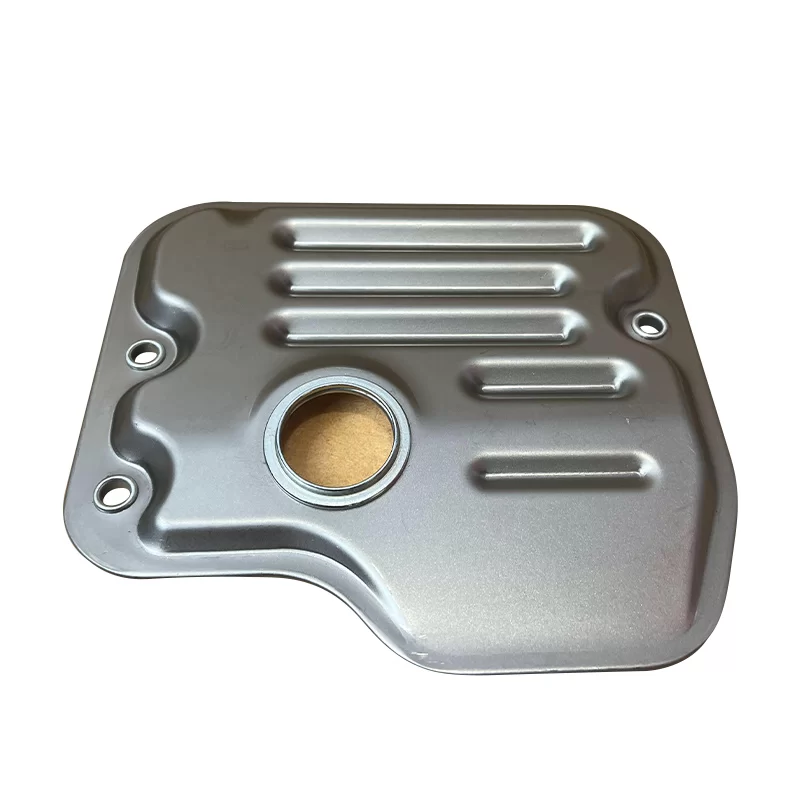
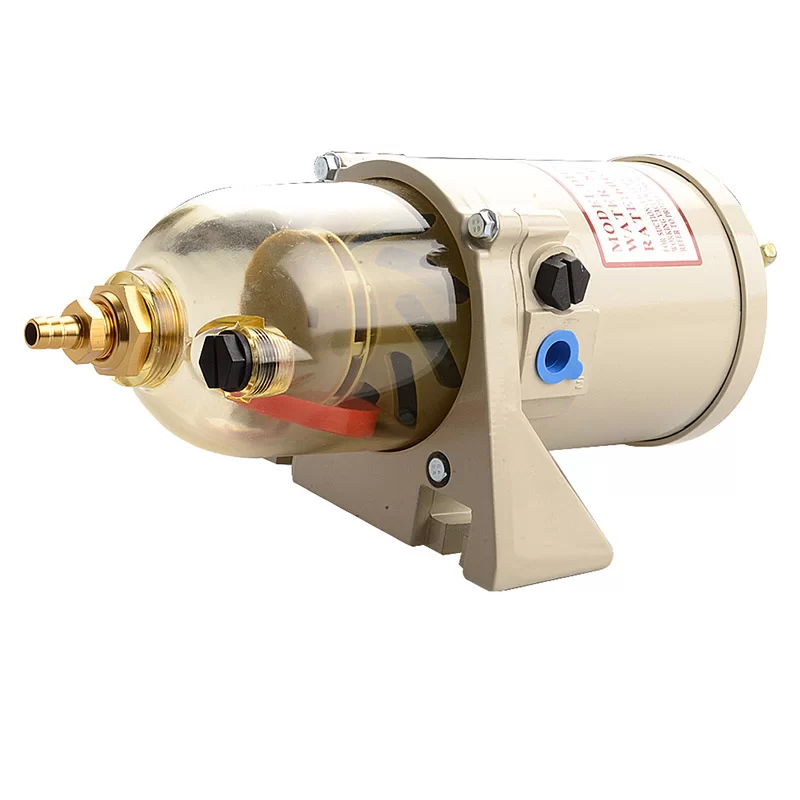
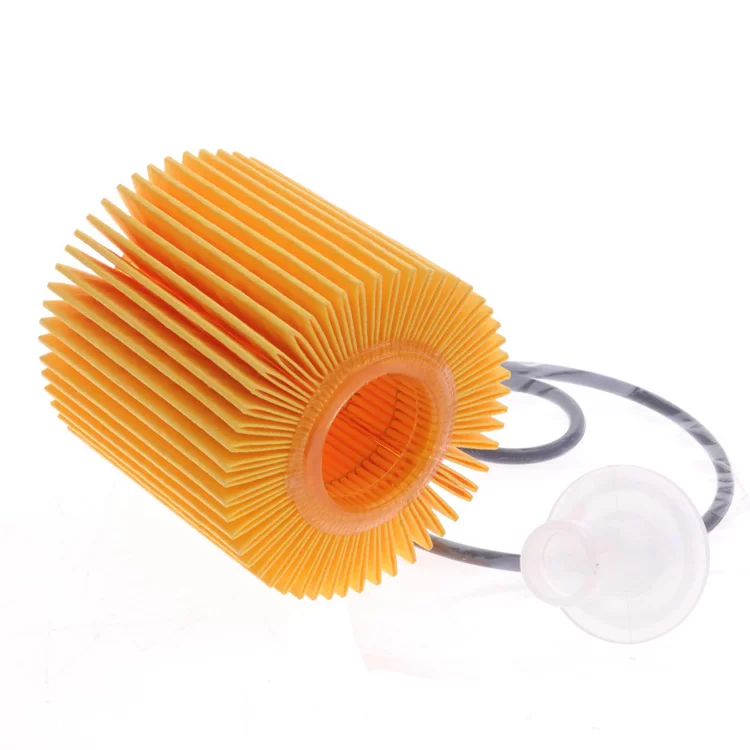
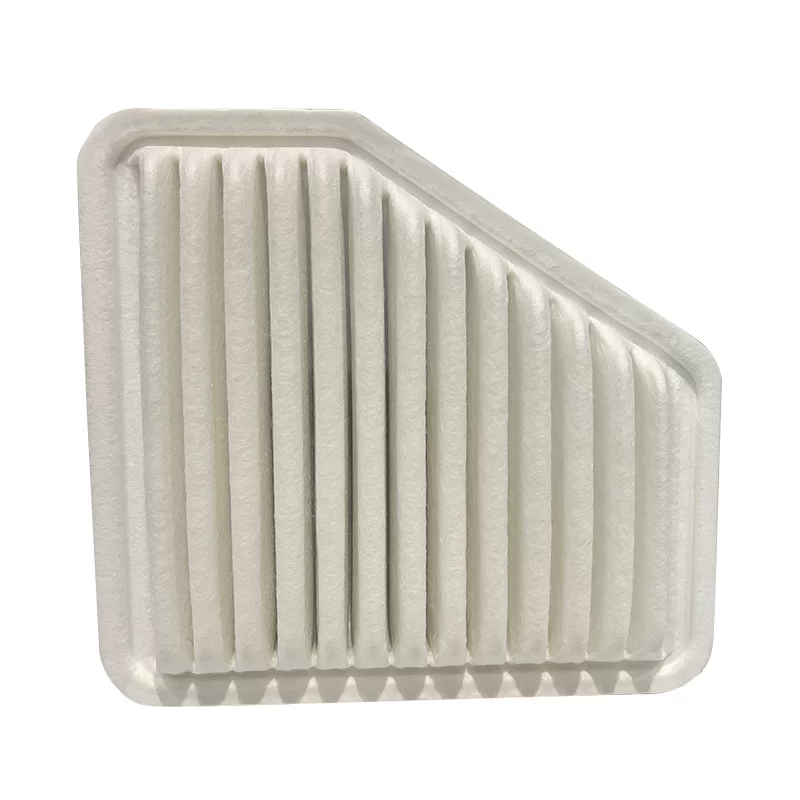
oil filters

Premium car engine oil filter Solutions for South Korea

Engineering high-performance filtration systems tailored for the rigorous demands of the South Korean automotive industry and climate.

Premium car engine oil filter Solutions for South Korea

Providing advanced filtration technology to ensure engine longevity and optimal performance for vehicles operating in South Korea's dynamic urban and mountainous terrains.

The State of automotive oil filter Demand in South Korea

Analyzing the intersection of high-tech vehicle manufacturing and environmental demands.

South Korea represents one of the most sophisticated automotive markets globally, characterized by a high density of luxury vehicles and a rapid transition toward eco-friendly mobility. The demand for a high-quality automotive oil filter is driven by the presence of domestic giants like Hyundai and Kia, which set stringent standards for component durability and efficiency.

The local climate, featuring cold winters and humid summers, places extreme stress on engine lubricants. This thermal cycling necessitates an oil filter automotive grade that can maintain structural integrity under pressure while ensuring consistent oil flow to prevent engine wear during cold starts in Seoul and Gangwon provinces.

Furthermore, the South Korean government's aggressive emission regulations have pushed the industry toward ultra-fine filtration. The focus has shifted from simple debris removal to chemical-grade purity, requiring advanced materials in every engine oil filter element to reduce carbon footprints and extend service intervals.
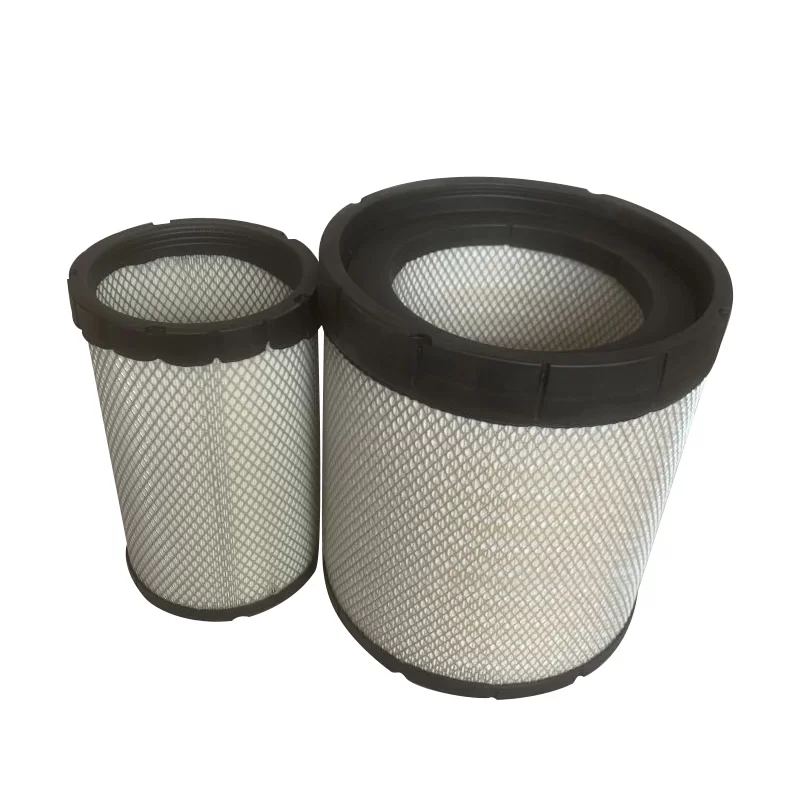
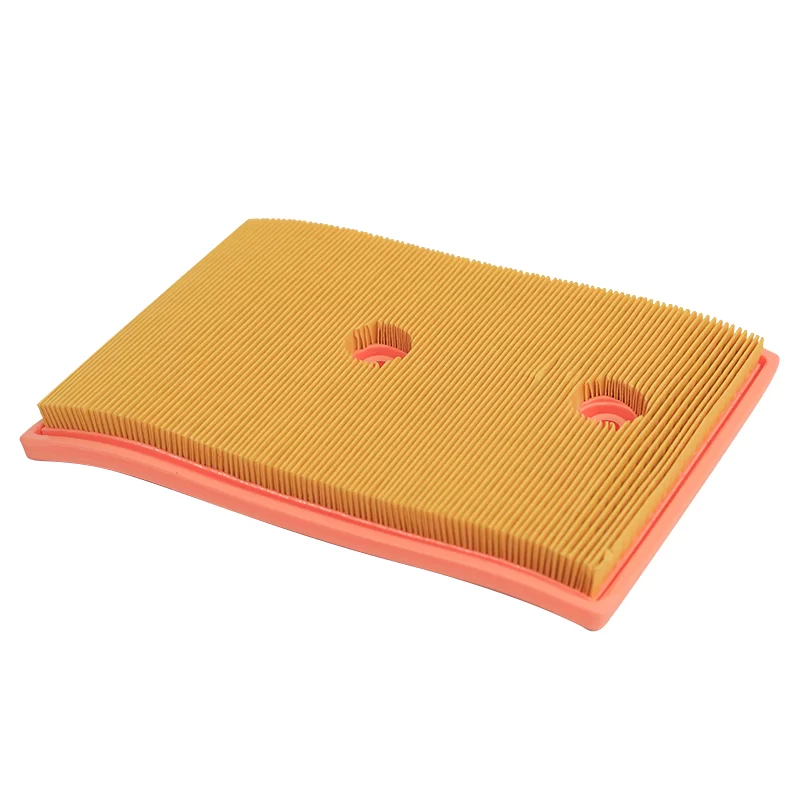
Evolution and Trajectory of Filtration Technology

From basic mechanical strainers to intelligent synthetic filtration systems.

Market Development History

In the 1980s and 90s, the South Korean market relied heavily on basic cellulose-based filters. These traditional components provided fundamental protection but struggled with the higher pressures of emerging turbocharged engines.

By the mid-2000s, a technological shift occurred with the introduction of synthetic blends. This era saw the rise of the high-efficiency engin oil filter which integrated glass fiber media, significantly increasing the dirt-holding capacity and reducing oil bypass.

From 2015 to the present, the focus has transitioned to "Precision Filtration." Modern systems now utilize nano-fiber technology and multi-layer composites, ensuring that particles as small as 1 micron are captured to meet the tolerances of modern GDI (Gasoline Direct Injection) engines.

Future Development Trends

Sustainable Bio-Materials

Integration of biodegradable filter media to reduce the environmental impact of automotive waste in accordance with Korea's "Green New Deal."

Hybrid-Engine Optimization

Development of specialized filters for HEV and PHEV vehicles that manage the frequent stop-start cycles and unique oil dilution issues.

Smart Sensor Integration

Moving toward "Active Filtration" where sensors communicate filter saturation levels directly to the vehicle's ECU for real-time maintenance alerts.

Industry Outlook & Future Prospects

Strategic directions for the next 3-5 years based on South Korean search trends and OEM shifts.

Nano-Fiber Efficiency
Shift toward sub-micron filtration to protect high-precision engine components.
Extended Life Cycles
Developing filters that match the 15,000km+ intervals of long-life synthetic oils.
EV Fluid Adaptation
Adapting filtration for cooling oils and lubricants used in high-power electric drivetrains.
Carbon-Neutral Mfg
Implementation of zero-waste manufacturing processes to meet ESG goals in Korea.

Industry Outlook

Google search trends in South Korea indicate a rising interest in "premium maintenance" and "engine longevity." As consumers shift from owning many cars to maintaining a single high-value vehicle, the demand for OE-grade (Original Equipment) replacement filters is surging.

The market will likely consolidate around suppliers who can prove E-E-A-T (Experience, Expertise, Authoritativeness, and Trustworthiness) through international certifications and a proven track record of reducing engine friction and wear in high-stress urban environments.

Local Application Scenarios in South Korea

Real-world utility of advanced filtration across diverse Korean driving conditions.

1. Seoul Metropolitan Stop-and-Go Traffic

In the heavy congestion of Seoul, engines experience frequent idling and low-speed operation. Our filters prevent the accumulation of sludge caused by incomplete combustion during short trips.

2. Gangwon mountainous Terrain Operations

High-altitude driving and steep inclines increase engine load and oil temperature. High-pressure rated filters ensure no oil bypass occurs during extreme climbs.

3. Coastal Humidity in Busan and Incheon

High salinity and humidity in coastal cities can accelerate oil degradation. Our moisture-resistant filter elements maintain purity in humid maritime environments.

4. K-Taxi High-Mileage Fleets

For commercial vehicles covering 100,000km+ annually, our extended-life filtration reduces downtime and maintenance costs for fleet operators.

5. Premium Luxury Sedans in Gangnam

For high-performance luxury engines, we provide ultra-fine filtration that maintains the strict tolerances required for smooth, quiet, and powerful operation.

Brand Story

Global Development History of Hebei Congben Automotive Parts Co., Ltd.

Foundational Excellence

Established with a mission to solve the critical pain point of premature engine wear caused by inferior filtration media in industrial automotive parts.

Technological Breakthrough

Invested in R&D to pioneer synthetic glass fiber blends, moving beyond traditional paper filters to offer higher efficiency and longer service life.

Quality Standardization

Achieved international ISO certifications, ensuring every component meets the rigorous safety and performance standards of the global automotive market.

Global Market Expansion

Expanded footprints into Asia, specifically tailoring products for the high-tech requirements of South Korea and Japan's automotive sectors.

The Future of Filtration

Now leading the shift toward sustainable and smart filtration, combining environmental responsibility with unmatched engine protection.

Common Questions for South Korean Customers

Expert answers regarding oil filter maintenance and selection in Asia.

How often should I replace my car engine oil filter in Seoul's traffic?

Due to severe stop-and-go traffic in Seoul, we recommend replacing the filter every 7,000 to 10,000 km to prevent sludge build-up and maintain engine efficiency.

Is a synthetic engine oil filter element better for Korean winters?

Yes, synthetic elements offer better structural stability and flow rates in cold temperatures, reducing wear during cold starts in winter.

Do your automotive oil filter products fit Hyundai and Kia models?

Absolutely. Our product line is engineered to meet or exceed the OEM specifications for most popular Hyundai and Kia engine configurations sold in South Korea.

What is the difference between a standard and a high-efficiency oil filter automotive grade?

High-efficiency grades use multi-layer synthetic media to capture smaller particles (sub-10 microns) compared to standard cellulose filters, offering superior protection.

Can using a premium engin oil filter improve fuel economy?

Yes, by maintaining cleaner oil and reducing internal engine friction, a premium filter helps the engine operate at peak efficiency, leading to better fuel economy.

How can I identify a genuine high-quality filter element for my vehicle?

Check for precise fitment, high-quality sealing gaskets, and certification marks. Genuine premium filters have a consistent pleat structure in the filter media.

Get Expert Filtration Advice

Contact our technical team today for customized automotive filtration solutions tailored for South Korea.

Contact Us Now

If you are interested in our products, you can choose to leave your information here, and we will be in touch with you shortly.