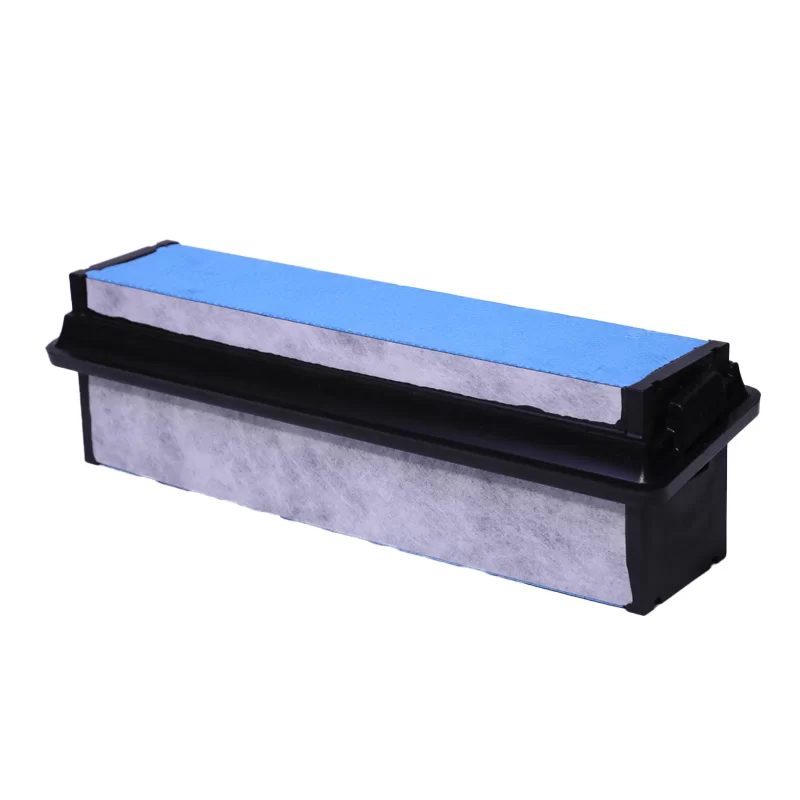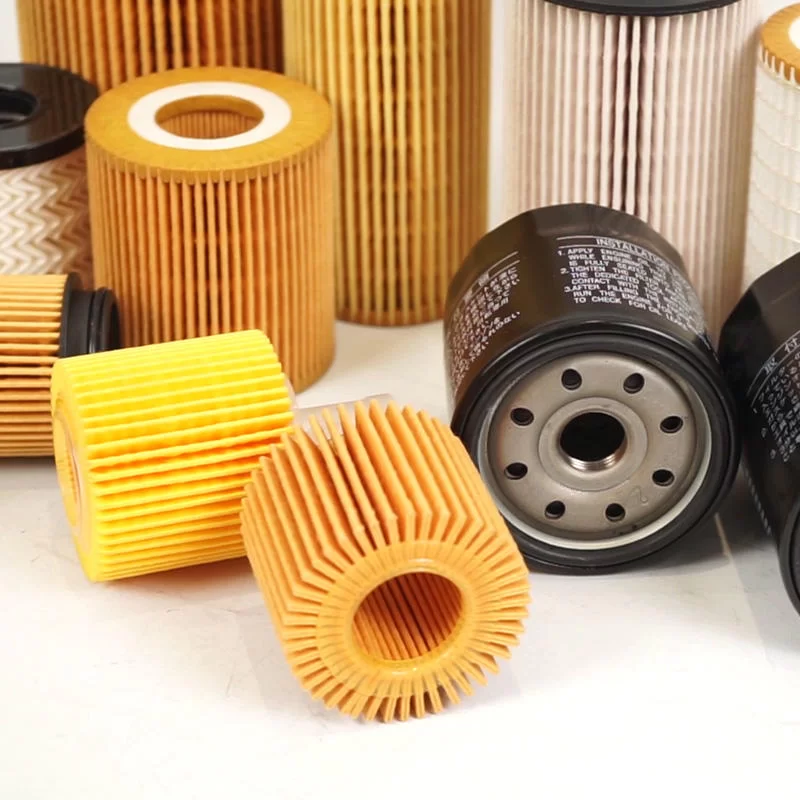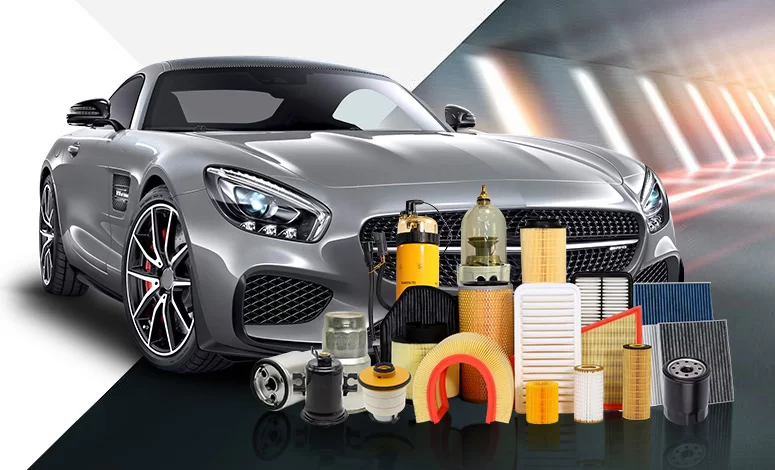

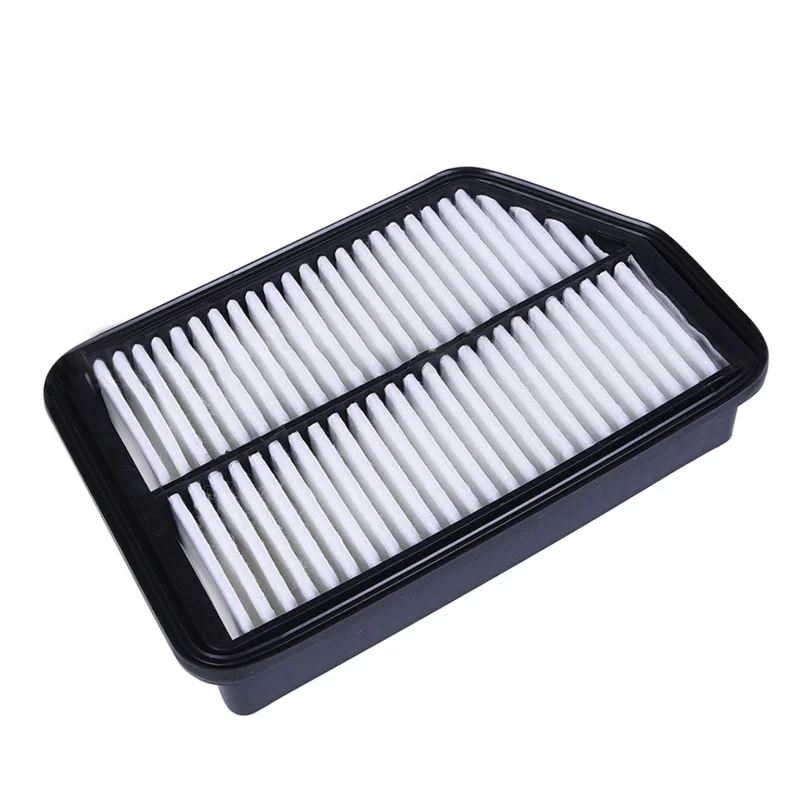
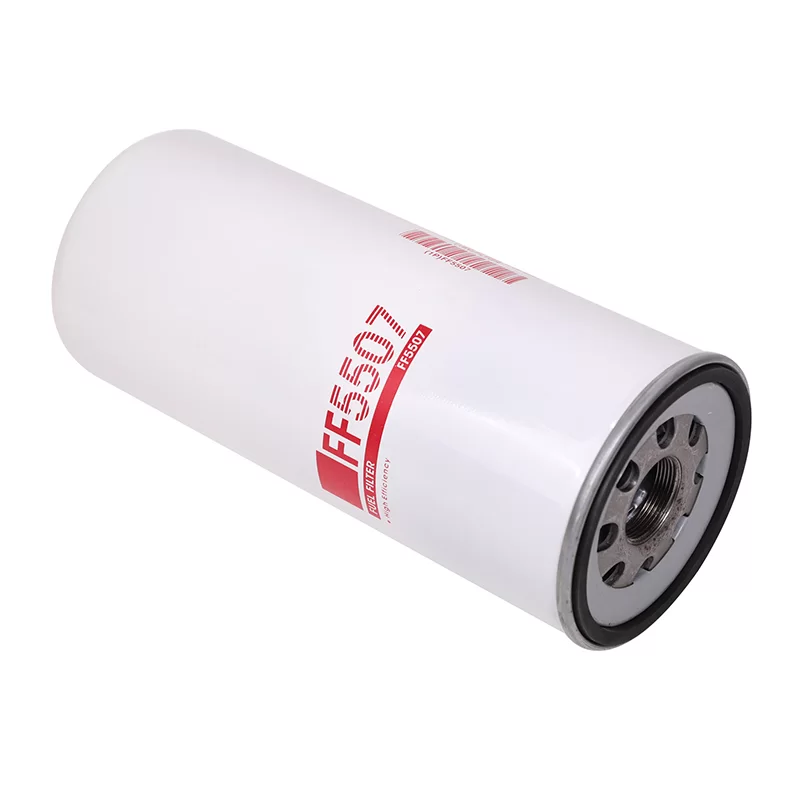
oil filters

Premium car engine oil filter Solutions for Tanzania

Engineered for extreme durability to withstand the dust and heat of East African roads, ensuring maximum engine longevity.

Current State of Automotive Oil Filter Demand in Tanzania

Analyzing the intersection of climate, geography, and automotive maintenance in the Tanzanian market.

Tanzania's automotive landscape is characterized by a diverse mix of urban traffic in Dar es Salaam and heavy-duty transit across rural terrains. The prevalence of dust and high ambient temperatures accelerates the degradation of lubricant quality, making the use of a high-quality automotive oil filter essential for preventing premature engine wear.

Currently, the market sees a high volume of imported used vehicles, which often require more frequent maintenance intervals. This creates a sustained demand for reliable oil filter automotive components that can handle higher contaminant loads without compromising oil flow.

Furthermore, the growth of the logistics sector in Tanzania has increased the reliance on commercial fleets. These vehicles operate under grueling conditions, necessitating a shift from generic parts to precision-engineered filters that offer superior filtration efficiency and thermal stability.
Evolution and Technical Trajectory of Filtration in Tanzania

From basic mechanical straining to advanced synthetic composite filtration.

Market Development History

In the early 2000s, the Tanzanian market relied heavily on basic cellulose-based filters. These provided fundamental protection but struggled with the high-viscosity oils and extreme dust levels typical of the region's unpaved roads.

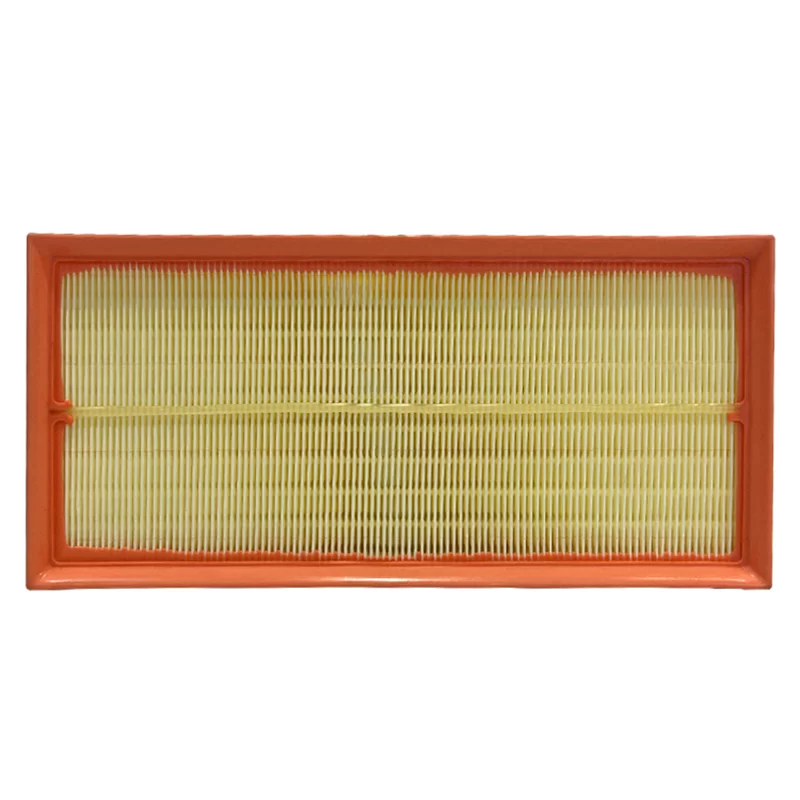
Between 2010 and 2020, there was a significant transition toward the adoption of the engine oil filter element made from blended synthetic fibers. This shift allowed for higher dirt-holding capacity and better flow rates, reducing the frequency of engine stalls in remote areas.

Today, the industry has entered a phase of precision manufacturing, where filters are designed with specific micron ratings to protect modern turbocharged engines that are becoming more common in Tanzanian cities.

Future Development Trends

Eco-Friendly Biodegradable Media

Driven by global sustainability goals, there is a growing interest in filters using biodegradable materials that do not compromise the filtration efficiency required for African climates.

Nano-Fiber Filtration Technology

The integration of nano-fibers into the filter media will allow for the capture of smaller particles, significantly extending the life of high-value engine components.

Smart Monitoring Integration

Future trends suggest a move toward sensors integrated with the engin oil filter to provide real-time alerts on filter saturation, reducing unplanned downtime for transport fleets.

Future Outlook for Tanzanian Automotive Filtration

Strategic forecasting based on emerging technology and search trends.

Increased Filtration Efficiency
Shift toward sub-micron filtration to accommodate tighter engine tolerances in new vehicle imports.
Extended Service Intervals
Developing high-capacity media that reduces the frequency of changes without risking engine damage.
Heat-Resistant Housing
Enhanced casing materials to prevent deformation under the intense heat of the East African sun.
Customized Fleet Kits
Tailored filtration bundles for the specific engine types used in Tanzanian mining and agriculture.

Industry Outlook

Over the next 3-5 years, Google search trends indicate an increase in "long-life engine parts" and "high-efficiency filters" within the East African region. This reflects a shift in consumer behavior from reactive repairs to proactive maintenance.

Consequently, the industry will move toward "Precision Filtration," where the focus is not just on removing debris, but on optimizing oil chemistry and flow dynamics to maximize engine efficiency in tropical climates.

Localized Application Scenarios in Tanzania

Real-world deployment of high-performance filtration in diverse Tanzanian environments.

1. Dar es Salaam Urban Transit

In the stop-and-go traffic of Dar es Salaam, engines experience frequent heat cycles. Our filters prevent sludge buildup during low-speed idling, ensuring consistent oil pressure.

2. Arusha Safari Tourism Fleets

4x4 vehicles traversing dusty safari tracks require extreme contaminant capture. Our heavy-duty filters prevent abrasive dust from entering the engine lubrication system.

3. Dodoma Government Logistics

Long-distance transit across the central plateau demands filters with high dirt-holding capacity to reduce the frequency of maintenance stops during official travel.

4. Coastal Fishing Vessel Engines

Marine engines operating in humid, salty coastal air are prone to corrosion. Our filters use specialized anti-corrosive coatings to protect the engine block.

5. Mwanza Agricultural Machinery

Tractors and harvesters in the Lake Victoria region operate in muddy and dusty conditions. Our reinforced filter elements resist collapse under high pressure.

Brand Story

Global Development History of Hebei Congben Auto Parts Co., Ltd.

Foundation and Vision

Established with a mission to solve the most critical filtration failures in heavy-duty engines, focusing on durability and precision.

Technical Innovation

Developed proprietary synthetic blending techniques to create filter media that outperforms standard cellulose in extreme climates.

Global Expansion

Expanded operations to Africa, adapting product specifications to meet the unique challenges of East African road conditions.

Quality Certification

Achieved international quality standards, ensuring every unit delivered provides OEM-level protection for global customers.

Future Commitment

Committed to leading the transition toward sustainable filtration and smart engine protection systems worldwide.

Common Questions About Automotive Filtration in Tanzania

Expert answers to the most frequent concerns from local fleet managers and vehicle owners.

How often should I replace my car engine oil filter in Tanzania?

Due to high dust levels in regions like Dodoma, we recommend replacing your filter every 5,000 to 7,500 km, or more frequently if operating in extreme off-road conditions.

Can a low-quality oil filter automotive part damage my engine?

Yes, poor quality filters can collapse or allow contaminants to bypass the media, leading to accelerated wear of cylinder walls and bearings.

What is the advantage of a synthetic engine oil filter element?

Synthetic elements offer superior thermal stability and a higher dirt-holding capacity, which is crucial for vehicles operating in the heat of Dar es Salaam.

How do I choose the right automotive oil filter for my commercial fleet?

Consider the micron rating and the material of the filter media. For heavy-duty Tanzanian transit, choose reinforced media with high flow efficiency.

Does the engin oil filter affect fuel efficiency?

Indirectly, yes. A clogged filter increases engine strain and reduces lubrication efficiency, which can lead to higher fuel consumption over time.

Are these filters compatible with both diesel and petrol engines?

We provide specific designs for both. Diesel engines require higher filtration precision due to the nature of diesel particulates.

Get Expert Filtration Advice

Partner with the leading provider of automotive filtration systems to optimize your vehicle performance in Tanzania.

Contact Us Now

If you are interested in our products, you can choose to leave your information here, and we will be in touch with you shortly.