
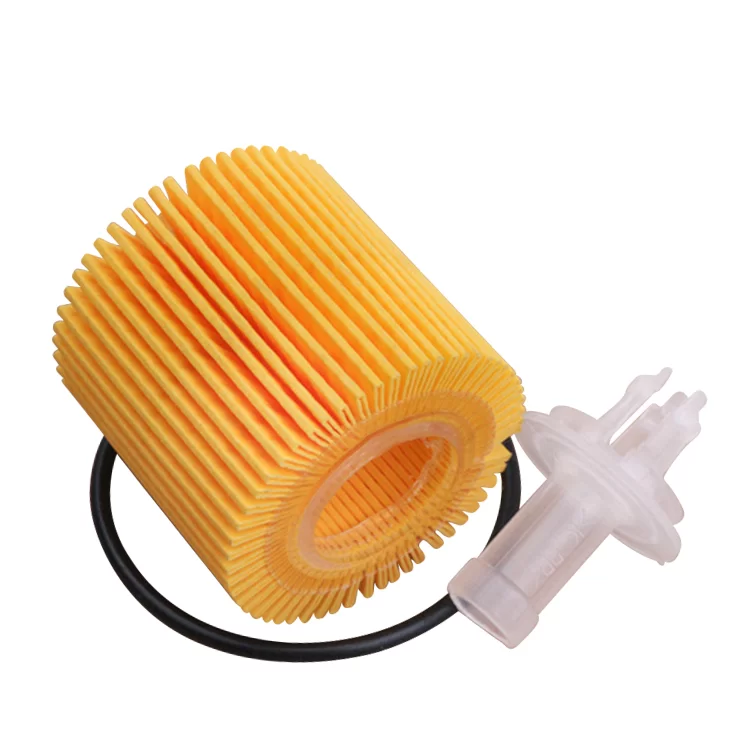
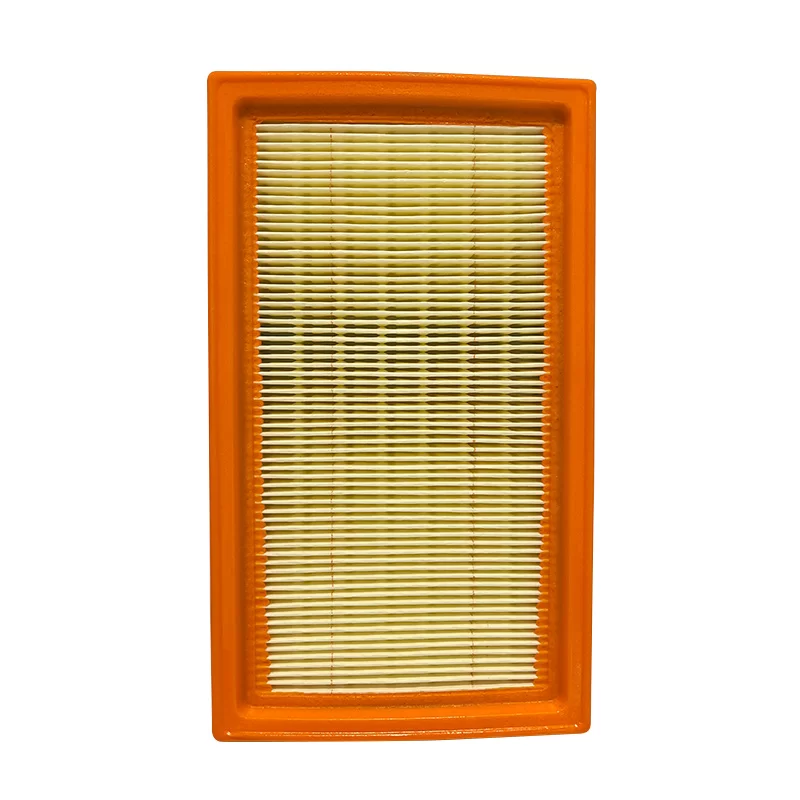
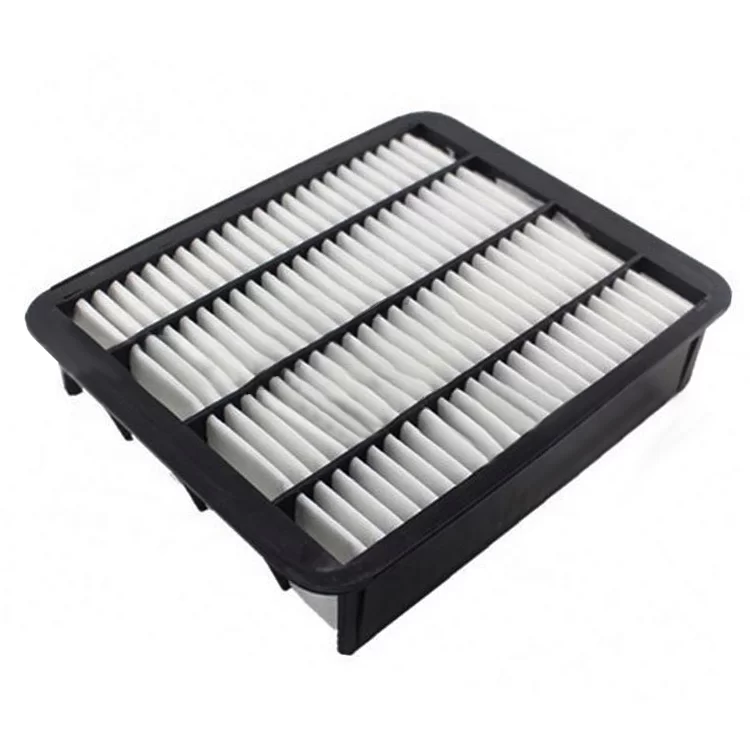
oil filters

Premium car engine oil filter Solutions for the Polish Automotive Market

Engineered for durability and precision to meet the rigorous demands of Poland's diverse fleet and industrial transport sectors.

Current Landscape of Automotive Oil Filter Demand in Poland

Analyzing the intersection of Poland's climatic challenges and automotive maintenance needs.

Poland's automotive sector is characterized by a high volume of diesel-powered commercial vehicles and a growing passenger car market. Due to the country's temperate climate with significant seasonal temperature swings—cold winters and warm summers—the viscosity of engine oil fluctuates, placing immense pressure on the oil filter automotive systems to maintain consistent flow and purity.

Economically, Poland serves as a major logistics hub for Europe. This leads to a high turnover of long-haul trucks and delivery vans that operate under heavy loads. Consequently, there is a surging demand for heavy-duty filtration components that can handle higher contaminant loads without bypassing, ensuring that the engine remains protected during long-distance transit across the Polish plains.

Furthermore, the tightening of EU emission standards (Euro 6 and beyond) has forced Polish vehicle owners to transition toward more sophisticated synthetic oils. This shift requires a high-performance engine oil filter element capable of filtering micron-sized particles that could otherwise damage sensitive modern engine tolerances.
Evolution and Technical Trajectory of Filtration in Poland

From basic mechanical screens to advanced synthetic media technology.

Market Development History

In the late 20th century, the Polish market relied heavily on traditional cellulose-based filters. These were sufficient for older, less precise engines but lacked the efficiency required as automotive engineering evolved toward higher pressures and tighter clearances.

Between 2005 and 2015, there was a significant shift toward composite media. The introduction of synthetic blends allowed the engin oil filter to capture smaller particles while maintaining a higher flow rate, reducing the frequency of replacements for the growing fleet of European-brand cars in Poland.

From 2016 to the present, the focus has moved toward "intelligent" filtration. The integration of precision-engineered bypass valves and high-grade anti-drain-back valves has become standard to prevent dry starts during harsh Polish winters, ensuring immediate lubrication upon ignition.

Future Development Trends

Nanofiber Media Integration

The next 3 years will see a surge in nanofiber technology, allowing filters to capture particles as small as 1 micron without increasing pressure drop, aligning with Google search trends for "ultra-low emission" vehicle maintenance.

Biodegradable Materials

Driven by EU Green Deal mandates, there is a transition toward sustainable, biodegradable filter housings and media to reduce the environmental impact of automotive waste in Poland.

Smart Sensor Integration

We anticipate the rise of "connected filters" that use sensors to communicate the actual saturation level of the filter element to the vehicle's ECU, moving from fixed-interval changes to condition-based maintenance.

Industry Outlook: The Future of Polish Engine Filtration

Strategic directions for the next 5 years of automotive component manufacturing.

Hybrid-Engine Compatibility
Developing filters that handle the frequent start-stop cycles and varying oil temperatures typical of hybrid vehicles in urban centers like Warsaw and Krakow.
Extreme Temperature Resilience
Optimizing seal materials and media stability to withstand the thermal shock of Polish winters, preventing leakage and maintaining filtration efficiency.
Extended-Life Media
Engineering filters with higher dirt-holding capacities to support extended oil change intervals, reducing waste and maintenance costs for fleet operators.
Circular Economy Integration
Implementing closed-loop recycling for filter metals and plastics, aligned with Poland's growing industrial sustainability goals.

Industry Outlook

The Polish market is shifting from a "lowest-cost" procurement model to a "Total Cost of Ownership" (TCO) approach. This means that high-quality filters that prevent expensive engine failures are becoming more competitive than cheap, low-efficiency alternatives.

As Poland continues to integrate deeper into the European automotive supply chain, the demand for certified, ISO-compliant filtration components will grow, favoring manufacturers who can provide documented filtration efficiency and durability data.

Localized Application Scenarios in Poland

How our filtration technology solves real-world problems across different Polish regions.

1. Long-Haul Logistics in Central Poland

For transport companies operating out of Łódź, our heavy-duty filters ensure that high-mileage diesel engines remain free of contaminants during 24/7 operation, extending the life of the automotive oil filter system.

2. Urban Commuting in Warsaw and Krakow

Combating the "stop-and-go" traffic and smog-heavy environments of major cities, our filters are designed to handle the increased soot and carbon buildup typical of urban driving.

3. Agricultural Machinery in Rural Masovia

In the agricultural heartlands, machinery faces extreme dust and debris. Our reinforced filter housings prevent structural failure under harsh field conditions.

4. Winter Operations in the Tatra Mountains

For vehicles operating in the southern highlands, our anti-drain-back valves prevent oil starvation during sub-zero morning starts, protecting the engine from wear.

5. Industrial Fleet Maintenance in Silesia

In the industrial hub of Upper Silesia, we provide high-volume, standardized filter elements that allow large corporate fleets to maintain consistent maintenance schedules across thousands of vehicles.

Brand Story

Global Development Journey of Hebei Congben Auto Parts Co., Ltd.

Founding Vision

Established with a commitment to precision, we started by addressing the critical failure points in engine lubrication systems, aiming to eliminate premature engine wear.

Technical Breakthroughs

We invested heavily in R&D to develop proprietary composite media that outperformed traditional cellulose, setting new standards for filtration efficiency.

Global Expansion

Expanding beyond domestic borders, we tailored our product lines to meet the specific climatic and regulatory requirements of the European market, including Poland.

Quality Certification

Achieving international quality certifications, we ensured that every component meets the strictest global automotive standards for safety and performance.

Sustainable Future

Today, we focus on green manufacturing, creating filters that protect not only the engine but also the environment for future generations.

Common Questions about Automotive Filtration in Poland

Expert answers to the most frequent technical queries from our Polish partners.

How does the Polish winter affect the performance of a car engine oil filter?

Cold temperatures increase oil viscosity. A high-quality filter with a precision bypass valve ensures that oil can still reach critical engine components even when the oil is thick, preventing dry starts.

What is the difference between a standard oil filter and a high-efficiency engine oil filter element?

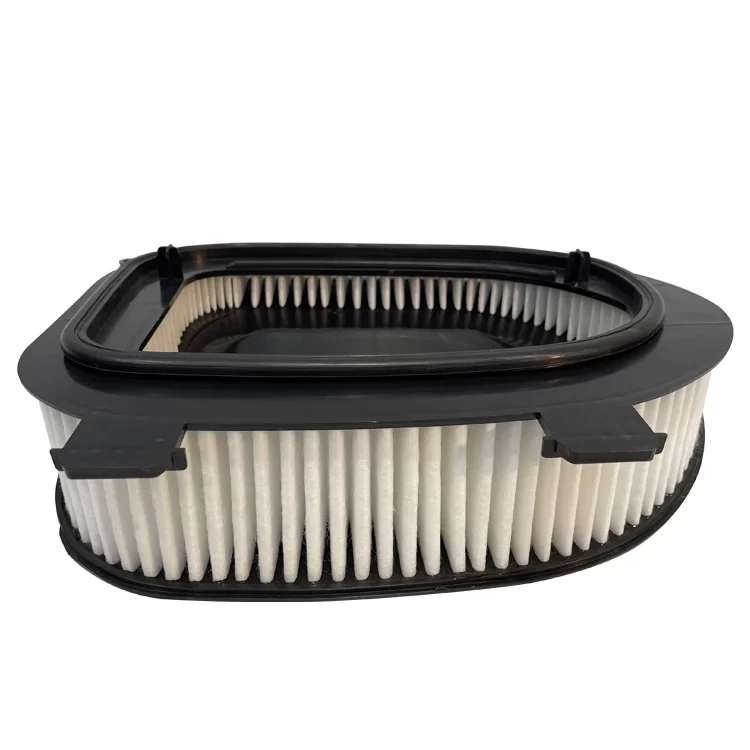
A standard filter uses basic cellulose, while an engine oil filter element often uses synthetic blends or nanofiber media to capture significantly smaller particles, which is essential for modern high-pressure engines.

Can using a low-quality automotive oil filter increase fuel consumption?

Yes. If a filter clogs quickly or has poor flow characteristics, it can increase internal engine friction and force the bypass valve to open, allowing unfiltered oil to circulate, which degrades engine efficiency over time.

How often should a car engine oil filter be replaced in Polish urban conditions?

Due to high soot levels in cities like Warsaw, we recommend replacing the filter at every oil change or slightly more frequently if the vehicle is primarily used for short-distance urban trips.

Are your filters compatible with the synthetic oils commonly used in Europe?

Absolutely. Our filtration media is specifically chemically tested to be compatible with low-SAPS synthetic oils, ensuring no material degradation and optimal filtration across all temperature ranges.

Why is the anti-drain-back valve critical for vehicles in Poland?

The anti-drain-back valve prevents oil from draining out of the filter when the engine is off. In cold climates, this keeps oil at the top of the engine, ensuring immediate lubrication upon startup.

Partner with Poland's Leading Filtration Experts

Ready to upgrade your fleet's performance? Contact our specialists today for customized solutions delivered across Poland.

Contact Us Now

If you are interested in our products, you can choose to leave your information here, and we will be in touch with you shortly.