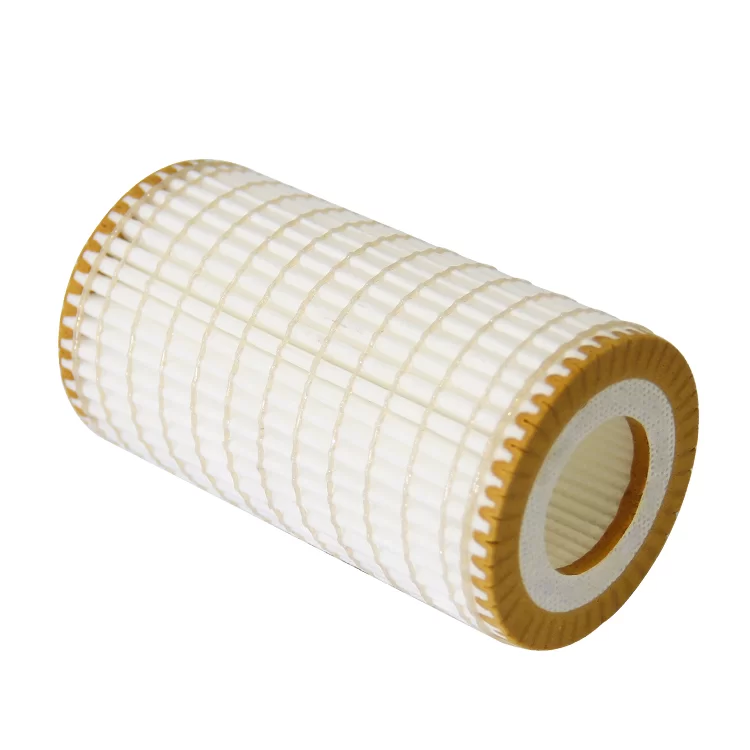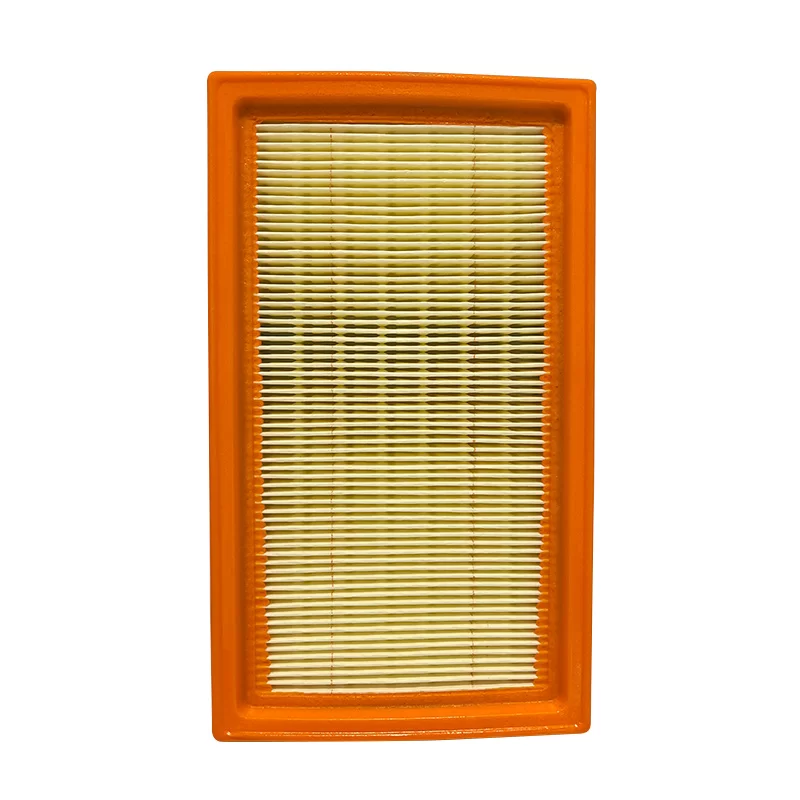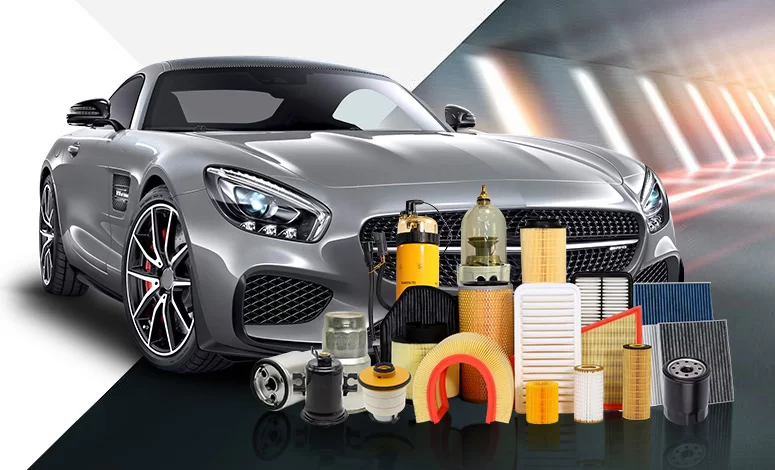

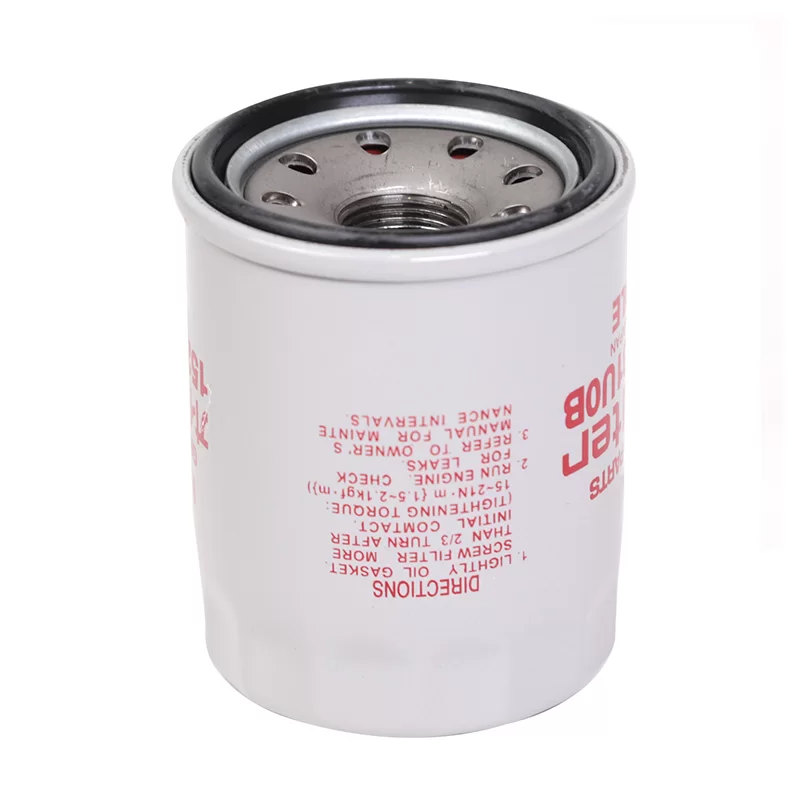
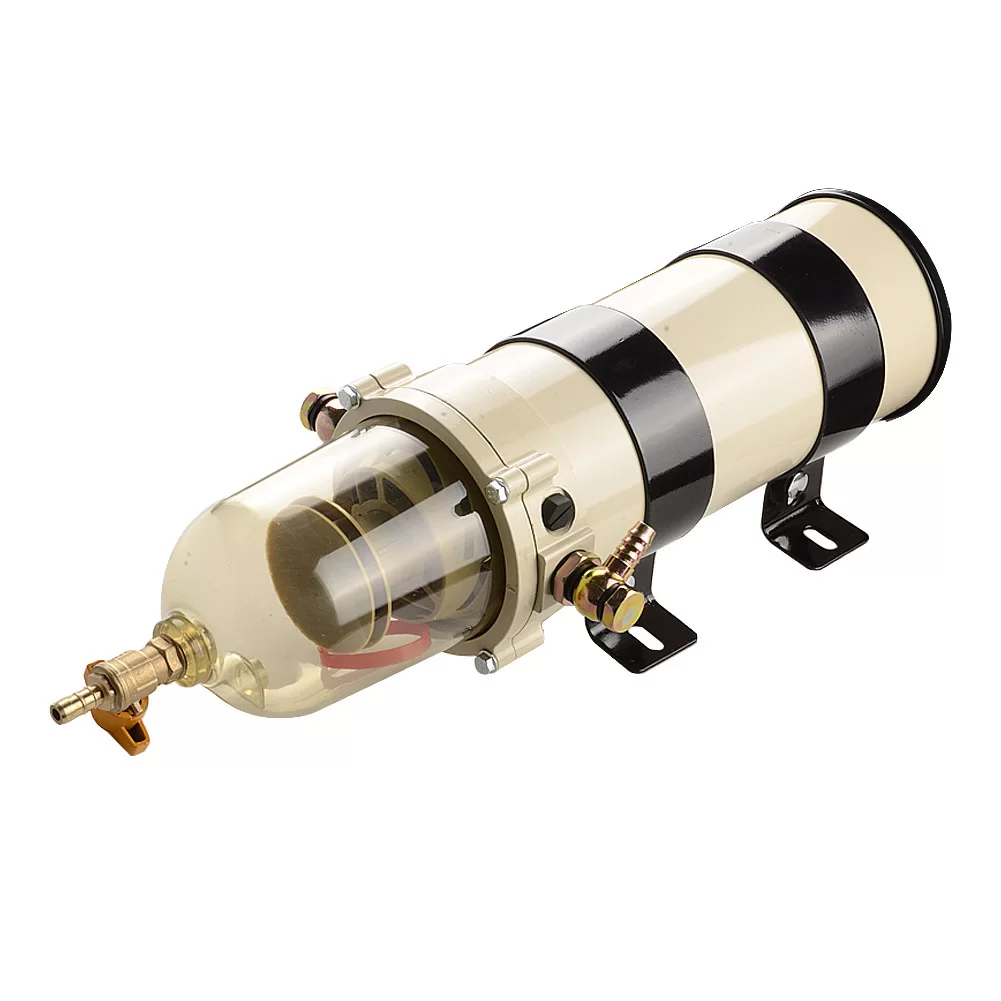
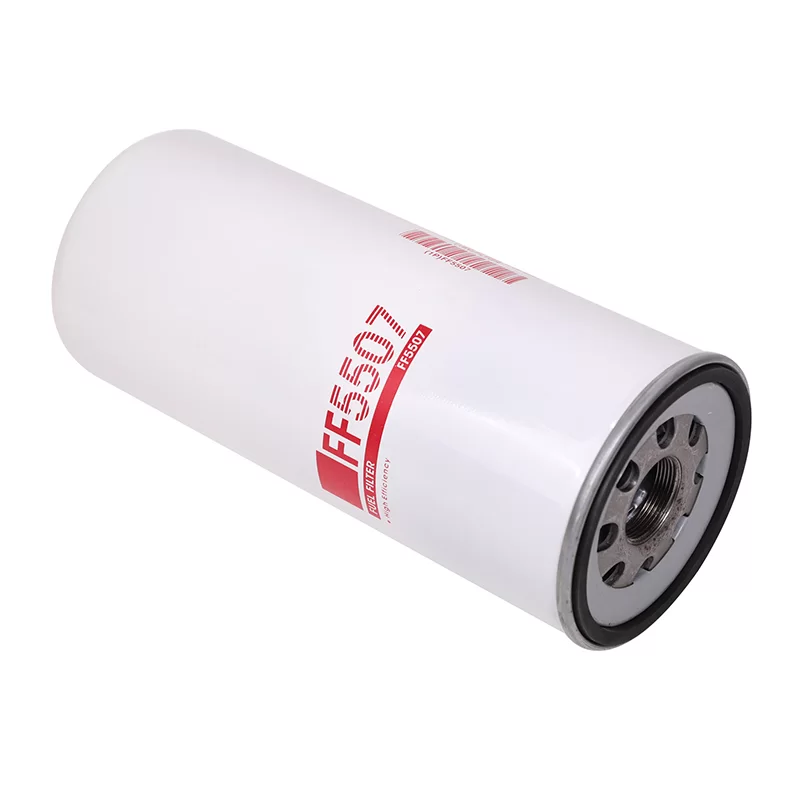
oil filters

Premium Engine Oil Filter Element Solutions for France Automotive Market

High-precision filtration engineered for French automotive standards, ensuring engine longevity and peak performance across diverse European terrains.

Premium Engine Oil Filter Element Solutions for France Automotive Market

Providing industry-leading engine oil filter element technology designed to meet the rigorous emission and durability requirements of the French automotive sector.

Current Landscape of Oil Filtration in France

Analyzing the intersection of French environmental regulations and automotive maintenance.

France represents one of the most sophisticated automotive markets in Europe, characterized by a strong preference for compact, fuel-efficient vehicles and a rapidly growing fleet of hybrids. The demand for a high-quality automotive oil filter is driven by the strict Euro 6 emission standards and the specific driving patterns of urban centers like Paris and Lyon, where stop-and-go traffic increases engine sludge accumulation.

The French climate, varying from the maritime influence in Brittany to the continental extremes in the East, necessitates a car engine oil filter that can maintain structural integrity under fluctuating temperatures. This environmental variability puts immense pressure on oil viscosity and filtration efficiency, making premium filtration essential for preventing premature engine wear.

Furthermore, the economic shift toward "circular economy" practices in France has led to an increased focus on long-life filtration components. Modern French workshops are increasingly specifying an oil filter automotive that reduces waste through extended service intervals without compromising the safety of the internal combustion engine.
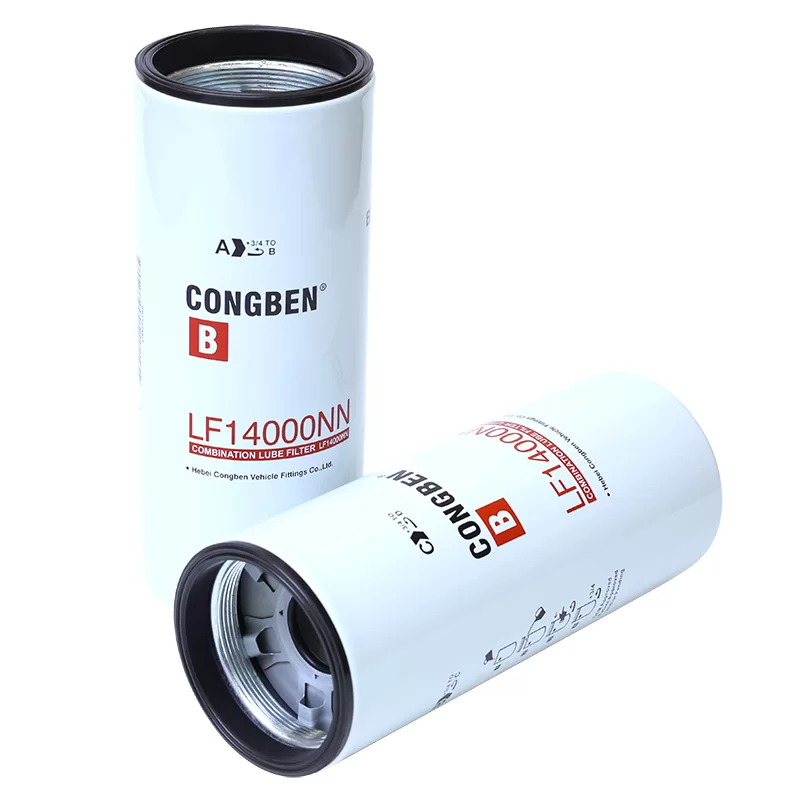
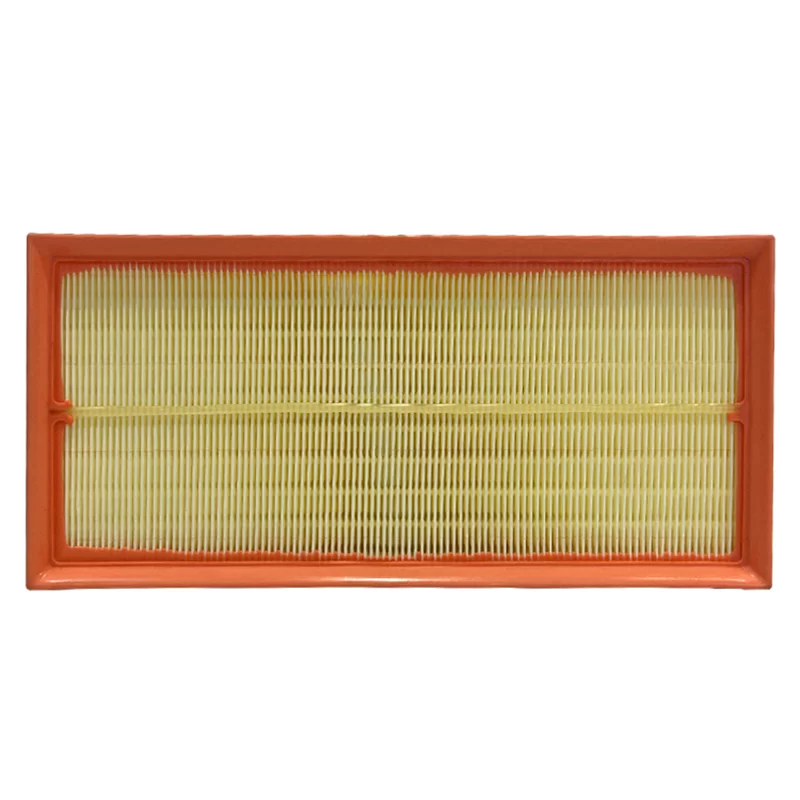
Evolution and Technical Trajectory of Oil Filtration

From basic sediment traps to advanced synthetic nano-filtration.

Market Development History

In the early 20th century, French automotive filtration relied on basic coarse mesh screens. By the 1970s, the industry transitioned to cellulose-based pleated media, which provided better surface area but lacked the precision needed for higher-compression engines.

The 1990s saw the introduction of synthetic blends and bypass valve optimizations. This era marked the shift toward the modern engin oil filter, focusing on microns-level filtration to protect the emerging turbocharging technologies prevalent in French diesel engines.

From 2010 to the present, the focus has shifted toward "intelligent filtration" and extreme efficiency. The integration of high-capacity synthetic fibers has allowed filters to handle higher contaminant loads while maintaining low pressure drops, aligning with France's push for sustainability.

Future Development Trends

Nano-Fiber Integration

The next 3 years will see a surge in nano-fiber layers that can capture sub-micron particles, significantly extending the life of precision engine components.

Bio-Degradable Filter Media

To comply with EU Green Deal targets, the industry is moving toward biodegradable organic polymers that maintain the filtration efficiency of traditional synthetics.

Sensor-Integrated Filtration

Integration of pressure sensors within the filter housing to provide real-time "filter health" data to the vehicle's ECU, enabling predictive maintenance.

Industry Outlook and Strategic Projections

Predicting the shift in filtration demand based on Google search trends and EU regulations.

Sustainability Shift
Increasing search volume for eco-friendly filter materials in the French market to reduce landfill waste.
Hybridization Support
Adapting filtration for hybrid engines that face frequent start-stop cycles and higher cold-start oxidation.
Precision Engineering
Growth in demand for OEM-spec filters that mirror the tight tolerances of modern French luxury vehicles.
Digital Supply Chain
Moving toward Just-in-Time (JIT) delivery models for French distribution centers to reduce inventory overhead.

Industry Outlook

Over the next five years, the French automotive filtration market will pivot toward "Extreme Efficiency." As engines become smaller and more highly stressed, the tolerance for oil contaminants decreases, making the role of the filter more critical than ever.

Google search trends indicate a rising interest in "long-life oil filters" and "eco-friendly automotive parts" within France. This suggests that the market is moving away from cheap, disposable options toward high-value, high-durability components that reduce the overall carbon footprint of vehicle maintenance.

Localized Application Scenarios in France

Tailored filtration solutions for the diverse driving environments of the French Republic.

01. Paris Urban Stop-and-Go Traffic

Vehicles operating in the dense traffic of Paris face frequent idling and cold starts. Our high-capacity filters are designed to trap the increased carbon deposits and sludge generated in these conditions, preventing oil gallery clogging.

02. Alpine Region High-Altitude Driving

In the French Alps, engines operate under extreme loads and varying atmospheric pressures. We provide reinforced filter housings that prevent collapse and ensure consistent oil flow during steep ascents.

03. Mediterranean Coastal Humidity

Coastal areas like Marseille deal with high salinity and humidity. Our anti-corrosive outer coatings for filter canisters prevent rust and leakage, ensuring the integrity of the oil system in maritime climates.

04. French Logistics & Heavy-Duty Transport

For the vast logistics networks connecting Lyon and Lille, our heavy-duty filtration elements provide the necessary surface area to handle long-haul idling and high-mileage intervals.

05. Classic Car Restoration in Loire Valley

France has a rich heritage of vintage automobiles. We offer specialized, precision-fit elements for classic engines that require traditional filtration patterns but modern synthetic efficiency.

Brand Story

Global Development History of Hebei Congben Auto Parts Co., Ltd.

The Foundation of Precision

Started with a commitment to solve the core pain point of premature engine wear, we focused on mastering the micron-level precision of filter media.

Technological Breakthroughs

Invested in synthetic fiber research to transition from traditional cellulose to high-efficiency composite materials, increasing contaminant holding capacity.

European Market Entry

Expanded our footprint into the EU, adapting our production lines to meet the stringent ISO and Euro-standard certifications required for the French market.

Global Supply Integration

Developed a robust logistics network that allows us to deliver OEM-quality components to distributors across France with unmatched speed and reliability.

Vision for the Future

Continuing to innovate in biodegradable and smart filtration to lead the transition toward sustainable automotive maintenance worldwide.

Common Questions About Automotive Oil Filtration in France

Expert answers to the most frequent technical queries from our French partners.

How often should I replace a car engine oil filter in urban French driving conditions?

Due to frequent stop-and-go traffic in cities like Paris, we recommend replacing your filter every 10,000 to 15,000 km to prevent sludge buildup and ensure optimal oil flow.

Can a high-quality engine oil filter element extend the life of my turbocharger?

Yes. Turbochargers require extremely clean oil for lubrication at high speeds. A premium element removes sub-micron particles that would otherwise cause abrasive wear on the turbo bearings.

What is the difference between an OEM and an aftermarket oil filter automotive?

While some aftermarket filters are basic, our professional-grade automotive oil filters meet or exceed OEM specifications in filtration efficiency, burst pressure, and seal durability.

Are synthetic oil filters better for French winter temperatures?

Absolutely. Synthetic media provides better structural stability and more consistent flow rates during cold starts in regions like the Alps or Jura, reducing engine stress.

How do I know if my engin oil filter is clogged?

Common signs include a drop in oil pressure, an illuminated oil warning light on the dashboard, or increased engine noise due to insufficient lubrication.

Do modern hybrid cars in France still require an automotive oil filter?

Yes, the internal combustion engine in a hybrid still requires lubrication. In fact, specialized filtration is even more important due to the frequent cycling of the engine on and off.

Ready to Upgrade Your Filtration Standards?

Connect with our technical team today for high-performance automotive solutions tailored for France.

Contact Us Now

If you are interested in our products, you can choose to leave your information here, and we will be in touch with you shortly.