
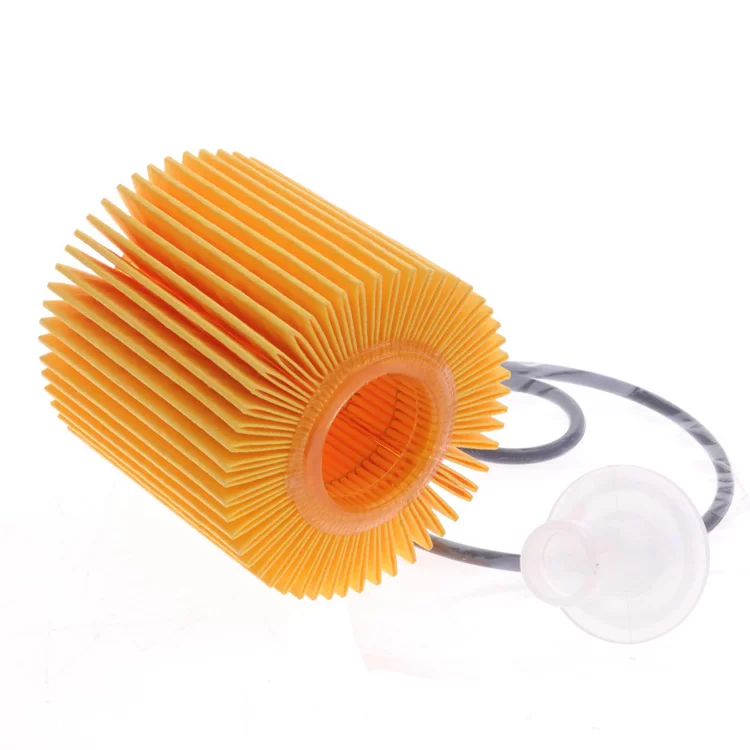
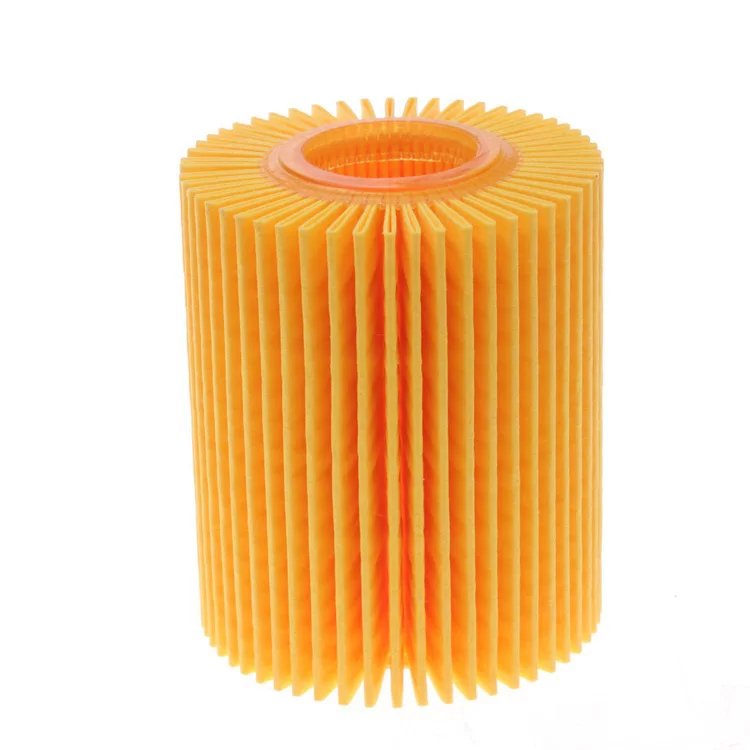
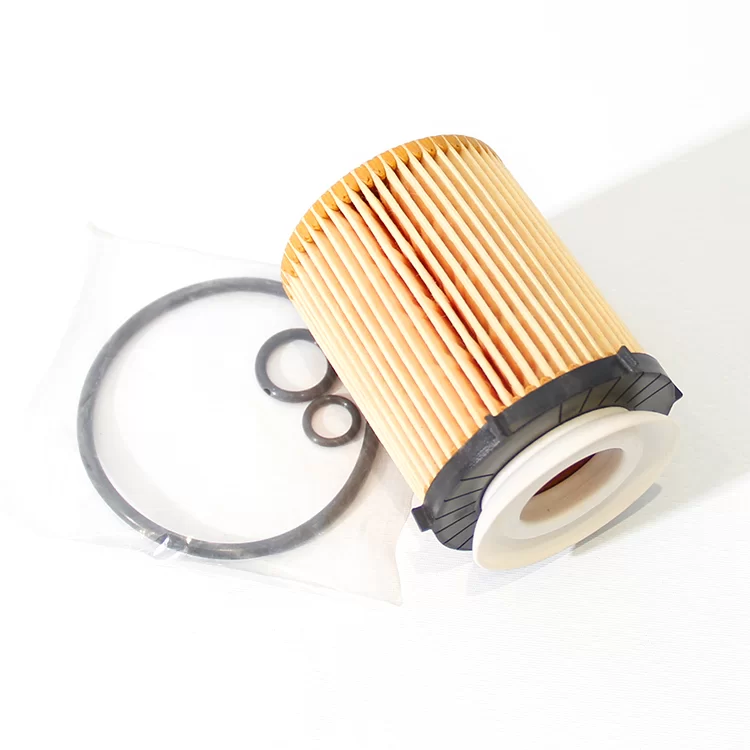
oil filters

Premium Engine Oil Filter Element Solutions for Iran's Automotive Market

High-performance filtration engineered to withstand extreme desert climates and heavy-duty engine demands across Asia - Iran.

Premium Engine Oil Filter Element Solutions for Iran's Automotive Market

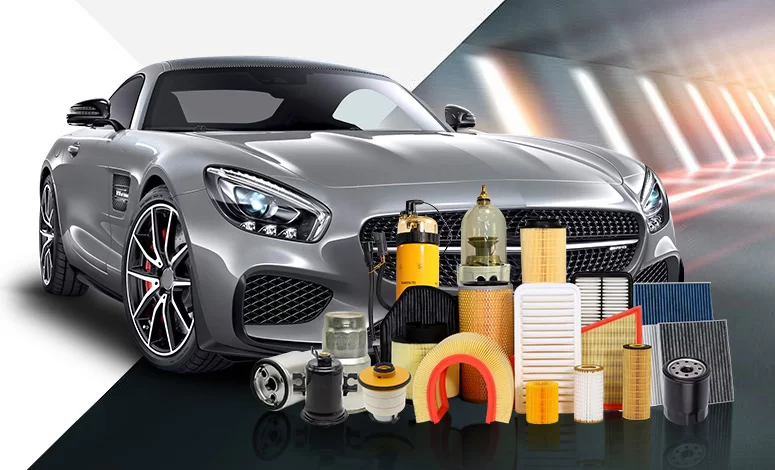
Specialized filtration systems designed to optimize engine longevity by utilizing high-efficiency engine oil filter element technology tailored for the Iranian automotive sector.

Current State of Automotive Filtration in Asia - Iran

Analyzing the impact of environmental stressors on engine lubrication systems.

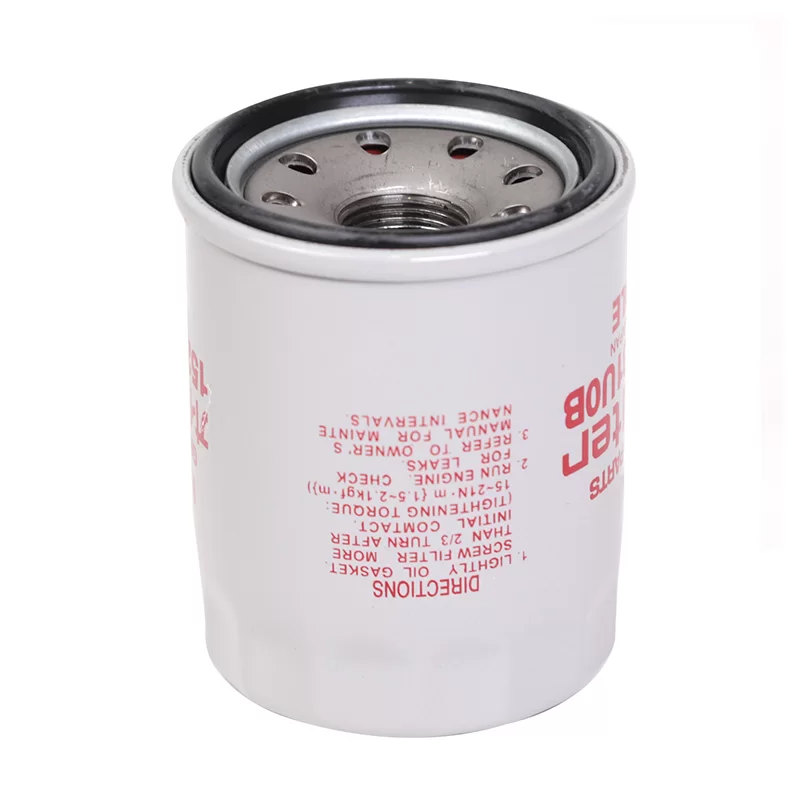
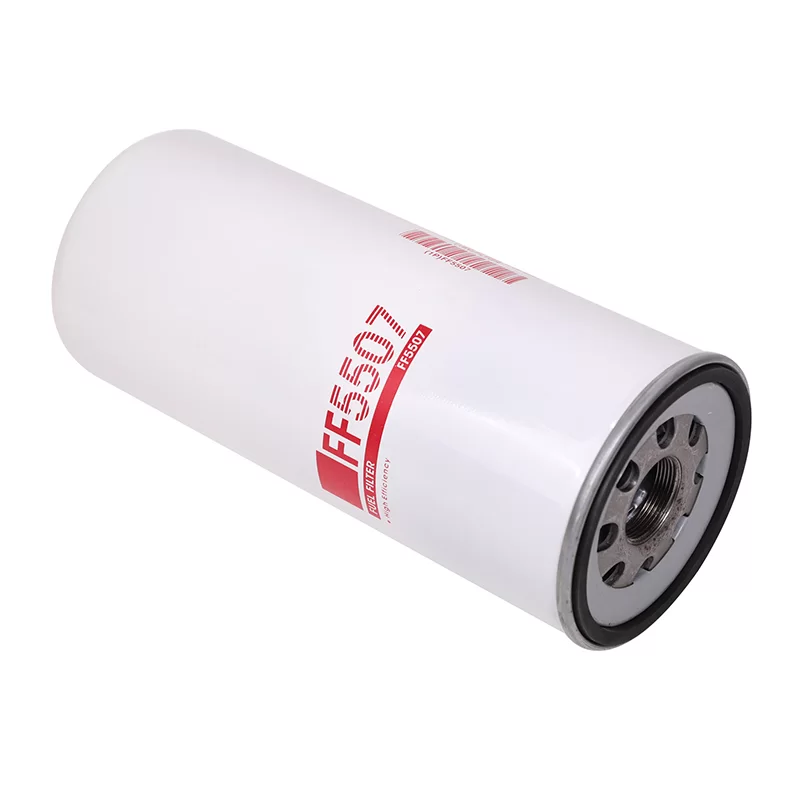
The automotive landscape in Iran is characterized by extreme temperature fluctuations and high dust concentration, particularly in central plateau regions. These conditions accelerate the clogging of any automotive oil filter, necessitating filtration media with higher dirt-holding capacity and superior thermal stability to prevent oil bypass.

Economically, the market sees a diverse mix of older European-designed fleets and newer Asian imports. This diversity creates a complex demand for various oil filter automotive specifications, where reliability is prioritized over cost to avoid frequent and expensive engine overhauls in remote areas.

Currently, there is a shift toward higher-grade synthetic oils in urban centers like Tehran, which requires a corresponding upgrade in the car engine oil filter to ensure that the synthetic additives are not filtered out while micron-sized contaminants are effectively trapped.
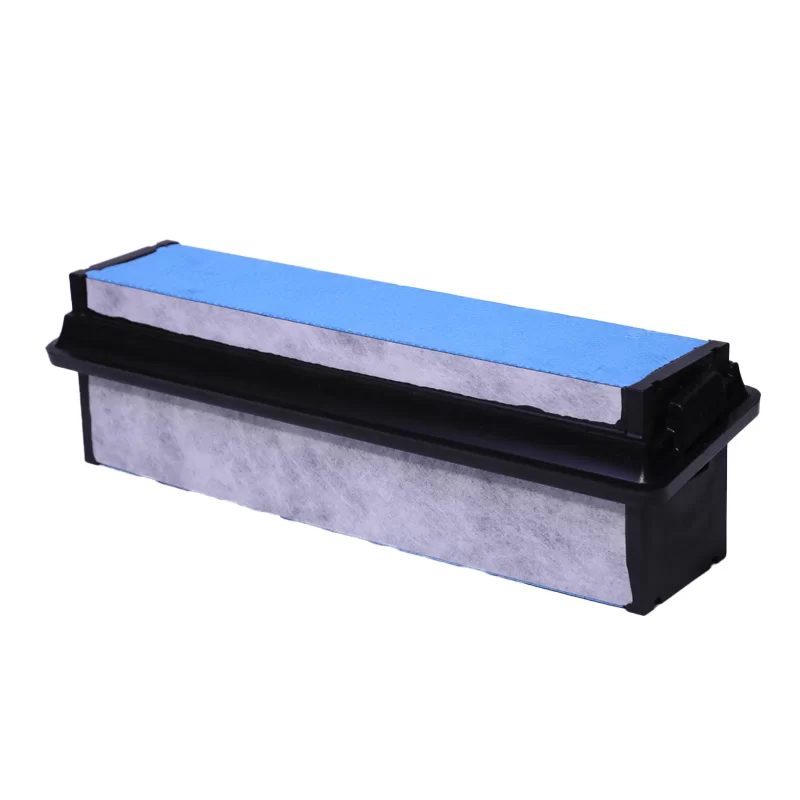
Evolution and Technical Trajectory of Oil Filtration

From basic sediment traps to precision micro-filtration.

Market Development History

In the late 20th century, the Iranian market relied heavily on traditional cellulose-based filters. These were sufficient for low-RPM engines but struggled with the high-viscosity oils used in heavy transport across the Zagros mountains.

Around 2010, the introduction of blended synthetic media marked a significant shift. The industry moved toward the adoption of the engin oil filter designs that incorporated glass fiber and synthetic polymers to handle higher pressure and temperature cycles.

By 2020, the focus evolved into "Precision Filtration," where the internal architecture of the filter element was optimized for flow dynamics, reducing the pressure drop and ensuring consistent lubrication even during cold starts in northern provinces.

Future Development Trends

Nano-Fiber Integration

The next phase involves the integration of nano-fiber layers to capture sub-micron particles, drastically reducing wear on cylinder walls.

Eco-Friendly Biodegradable Media

Driven by global standards, there is a growing trend toward sustainable filtration materials that maintain high efficiency without environmental toxicity.

Smart Sensing Filters

Integration of pressure sensors within the filter housing to provide real-time telemetry on filter saturation levels via OBD-II systems.

Industry Outlook and Future Forecasting

Strategic predictions for the Iranian automotive components sector.

High-Temperature Resilience
Development of heat-resistant polymers to withstand 50°C+ ambient desert temperatures without deformation.
Extended Service Intervals
Engineering media with larger pore structures that trap more debris without restricting oil flow.
Hybrid Engine Compatibility
Designing filters for hybrid powertrains that experience frequent stop-start lubrication cycles.
Anti-Corrosive Coatings
Applying advanced zinc-nickel coatings to filter shells to prevent oxidation in salty coastal air.

Industry Outlook

Based on Google search trends for "heavy duty automotive parts Iran," there is a marked increase in demand for industrial-grade filtration in commercial fleets. This suggests a shift toward preventative maintenance over reactive repairs.

Over the next 3-5 years, we expect a consolidation of the market where high-efficiency, certified components will displace generic alternatives as the average vehicle age in Iran increases, making engine protection critical.

Localized Application Scenarios in Iran

Tailored filtration solutions for real-world Iranian driving conditions.

1. Central Desert Logistics Fleets

For trucks traversing the Dasht-e Kavir, filters must handle extreme heat and fine silica dust. Our high-capacity media prevents premature bypass during long-haul trips.

2. Tehran Urban Stop-and-Go Traffic

Combatting "sludge" build-up caused by frequent idling in heavy traffic. Our precision filtration ensures oil purity despite low average speeds.

3. Northern Caspian Coastal Transport

Addressing high humidity and salt-air corrosion. Reinforced shell coatings protect the filter integrity against oxidation in humid environments.

4. Zagros Mountain Heavy Duty Climbing

High-load engine operation requires filters that can withstand massive pressure spikes without collapsing the internal element.

5. Industrial Mining Equipment in Kerman

Extreme particulate environments require the highest grade of filtration to protect expensive heavy-duty diesel engines from abrasive wear.

Brand Story

Global Development Process of Hebei Congben Auto Parts Co., Ltd.

Founding Excellence

Established with a vision to solve the critical pain point of premature engine wear in emerging markets through superior filtration materials.

Technical Breakthrough

Developed proprietary synthetic blending techniques that increased filtration efficiency by 30% compared to standard cellulose filters.

Global Expansion

Expanded reach into the Middle East and Asia, tailoring product lines to handle the most aggressive environmental conditions on earth.

Quality Certification

Achieved international ISO certifications, ensuring every component meets rigorous global automotive safety and performance standards.

Future Vision

Committed to pioneering the next generation of intelligent filtration to support the global transition toward sustainable mobility.

Common Questions Regarding Automotive Filtration in Iran

Expert answers to the most frequent technical queries from the region.

How does dust in Iran affect the life of a car engine oil filter?

High dust levels lead to faster saturation of the filter media, which can trigger the bypass valve and allow unfiltered oil to circulate, increasing engine wear. We recommend shorter intervals in dusty regions.

What is the best engine oil filter element for high-temperature climates?

Synthetic blend or full synthetic elements are best as they maintain structural integrity at high temperatures, preventing the media from collapsing or leaking.

Can a low-quality oil filter automotive cause engine failure in heavy trucks?

Yes, poor quality filters can either restrict oil flow too much or fail to trap metal shavings, leading to catastrophic bearing failure in high-load diesel engines.

How often should I replace my automotive oil filter in urban Tehran?

Due to heavy stop-and-go traffic and pollution, we recommend replacing the filter every 5,000 to 7,500 km to ensure optimal lubrication.

Is the engin oil filter compatible with synthetic oils?

Our filters are specifically designed to be compatible with both mineral and synthetic oils, ensuring the filtration micron rating remains consistent regardless of oil type.

What are the signs that a car engine oil filter is clogged?

Common signs include a drop in oil pressure warnings, increased engine noise (clattering), and a noticeable decrease in fuel efficiency due to increased internal friction.

Get Expert Filtration Advice

Our technical team is ready to provide customized filtration strategies for your business in Iran.

Contact Us Now

If you are interested in our products, you can choose to leave your information here, and we will be in touch with you shortly.