
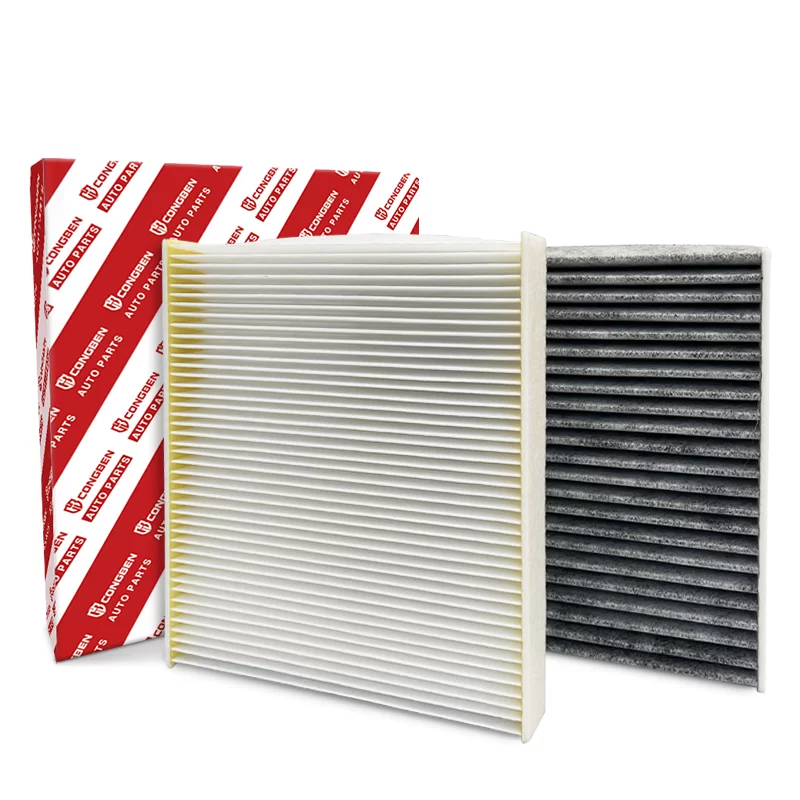
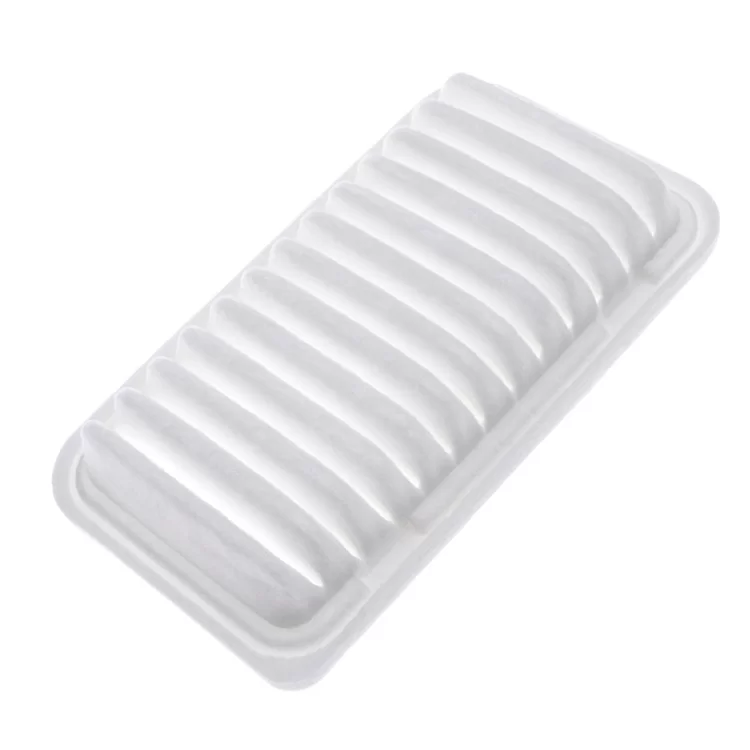
oil filters

Premium Engine Oil Filter Element Solutions for Vietnam Market

Optimizing engine longevity and performance across Vietnam's diverse automotive landscape with high-precision filtration technology.

Current State of Oil Filtration in Vietnam

Addressing the unique environmental challenges of the Southeast Asian automotive sector.

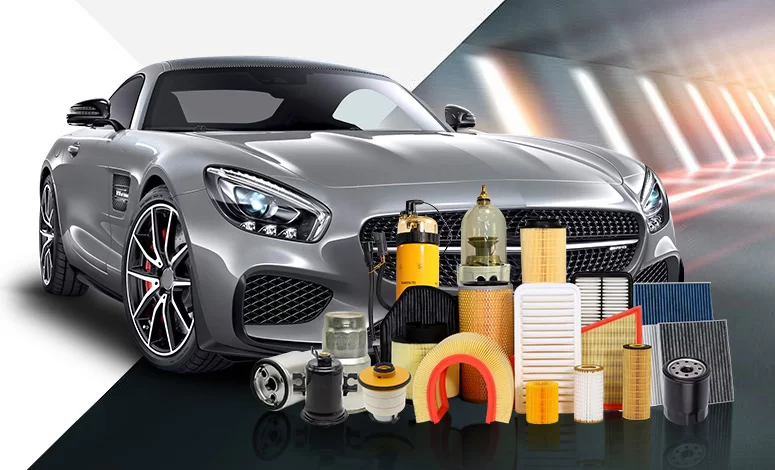
The automotive landscape in Vietnam is characterized by a high density of motorcycles and a rapidly growing passenger car market. Due to the tropical monsoon climate, high humidity and extreme heat accelerate the degradation of lubricants, making a high-quality automotive oil filter essential for preventing engine sludge.

Urban centers like Hanoi and Ho Chi Minh City experience significant "stop-and-go" traffic, which increases the frequency of idling. This operational pattern leads to higher carbon deposits, placing immense pressure on the oil filter automotive to maintain purity and ensure consistent oil flow to critical engine components.

Currently, the market is shifting from low-cost generic parts to certified high-performance filtration. Local workshops are increasingly demanding components that offer higher dirt-holding capacity and better sealing technology to combat the dusty road conditions prevalent in rural Vietnamese provinces.
Evolution and Trajectory of Filtration Technology

From basic sediment traps to advanced synthetic media filtration.

Market Development History

In the early 2000s, the Vietnamese market relied heavily on basic cellulose-based filters. These provided fundamental protection but struggled with the high thermal stress of tropical climates, often requiring frequent replacements to avoid engine wear.

Between 2010 and 2020, the introduction of blended synthetic media revolutionized the car engine oil filter segment. This shift allowed for smaller filter sizes with significantly higher efficiency, aligning with the arrival of modern European and Japanese vehicle fleets in the region.

Today, we have entered the era of precision engineering, where nanofiber technology is integrated into the filtration media. This allows for the capture of micron-sized particles that were previously undetectable, drastically extending the life of modern turbocharged engines.

Future Development Trends

Eco-Friendly Biodegradable Media

Increasing environmental regulations in Vietnam are pushing the industry toward sustainable, recyclable filter materials that reduce landfill waste without compromising efficiency.

Smart Monitoring Integration

The integration of pressure sensors into the filter housing will allow real-time monitoring of the engin oil filter status, notifying drivers exactly when a change is needed via OBD-II systems.

Ultra-Low Viscosity Compatibility

As OEMs move toward 0W-8 or 0W-12 oils for fuel efficiency, filtration media are being redesigned to ensure zero pressure drop and instantaneous lubrication upon cold starts.

Industry Trends and Future Outlook

Strategic forecasting for the next 3-5 years of automotive filtration.

Synthetic Media Dominance
Transition from cellulose to full synthetic media to handle high-temperature oxidation in Vietnam's heat.
Extended Service Intervals
Developing filters with higher dirt-holding capacity to match 15,000km+ oil change intervals.
Hybrid Vehicle Adaptation
Specialized filtration for HEV engines that face frequent start-stop cycles and oil dilution.
Precision Micron Rating
Moving towards absolute filtration ratings (Beta ratios) to protect high-precision engine tolerances.

Industry Outlook

Based on Google search trends in Vietnam, there is a surging interest in "long-life engine oil" and "performance car maintenance." This indicates a consumer shift toward preventive care rather than reactive repair, creating a massive opportunity for premium filtration products.

The future will be defined by the intersection of material science and digital monitoring. As Vietnam's automotive infrastructure modernizes, the demand for filters that can survive the harsh local environment while meeting global emission standards will grow exponentially.

Localized Application Scenarios in Vietnam

Real-world deployment of high-efficiency filtration in various Vietnamese conditions.

01. High-Density Urban Traffic (Hanoi/HCM City)

In extreme stop-and-go traffic, engines operate at low average speeds but high internal temperatures. Our filters provide maximum flow stability to ensure oil reaches the turbocharger even during idling.

02. Dusty Provincial Roadways

Vehicles operating in rural areas face high levels of airborne particulates. Our enhanced sealing gaskets prevent contaminants from bypassing the filter media, protecting the engine from abrasive wear.

03. Logistics and Delivery Fleets

Commercial vans and trucks in Vietnam run 24/7. We provide high-capacity elements that extend the time between maintenance intervals, reducing downtime for logistics companies.

04. Tropical Humidity & Flood Resistance

With Vietnam's rainy season causing frequent urban flooding, our anti-corrosive outer shells prevent rust and structural failure of the filter canister in humid environments.

05. Luxury Vehicle Performance Tuning

For the growing luxury car segment in Vietnam, we offer low-restriction filters that maximize horsepower while maintaining strict oil purity standards for high-performance engines.

Brand Story

Global Development History of Hebei Congben Automotive Parts Co., Ltd.

Foundational Excellence

Established with a vision to solve the core problem of engine contamination, we began by mastering the basics of cellulose filtration for industrial applications.

Technological Breakthrough

We invested heavily in R&D to develop synthetic blend media, allowing our filters to operate in extreme temperatures and pressures.

Global Expansion

Recognizing the need for high-quality parts in emerging markets, we expanded our logistics to serve Southeast Asia, including the challenging Vietnam market.

Quality Certification

We achieved international ISO standards, ensuring every single filter produced meets rigorous global safety and efficiency benchmarks.

Sustainable Future

Today, we focus on green manufacturing and "Smart Filtration," aiming to reduce the carbon footprint of the automotive aftermarket worldwide.

Common Questions in the Vietnam Market

Expert answers to the most frequent concerns regarding automotive oil filtration.

How often should I replace my car engine oil filter in Ho Chi Minh City traffic?

Due to extreme congestion and idling, we recommend replacing your filter every 5,000 to 7,500 km, regardless of the oil's synthetic grade, to ensure maximum protection.

Can a low-quality engine oil filter element cause engine failure in hot climates?

Yes. Low-quality elements can collapse under high heat or allow contaminants to pass through, leading to premature wear of the cylinder walls and bearings.

What is the difference between a standard oil filter automotive and a synthetic one?

Synthetic filters use glass fiber or engineered polymers instead of paper, offering superior filtration efficiency and a much longer service life in humid conditions.

Does the automotive oil filter affect fuel economy?

Indirectly, yes. A clogged filter increases the load on the oil pump and reduces lubrication efficiency, which can slightly increase fuel consumption over time.

Are these filters compatible with various car brands common in Vietnam?

Our product line is engineered to meet or exceed OEM specifications for Toyota, Honda, Hyundai, Kia, and Ford, which dominate the Vietnamese market.

How can I identify a genuine engin oil filter from a counterfeit one?

Check for precise welding on the canister, the presence of an anti-counterfeit hologram, and the specific weight of the filter, which is higher in genuine, high-density units.

Get Expert Filtration Advice

Our technical team is ready to help you optimize your automotive supply chain in Vietnam.

Contact Us Now

If you are interested in our products, you can choose to leave your information here, and we will be in touch with you shortly.