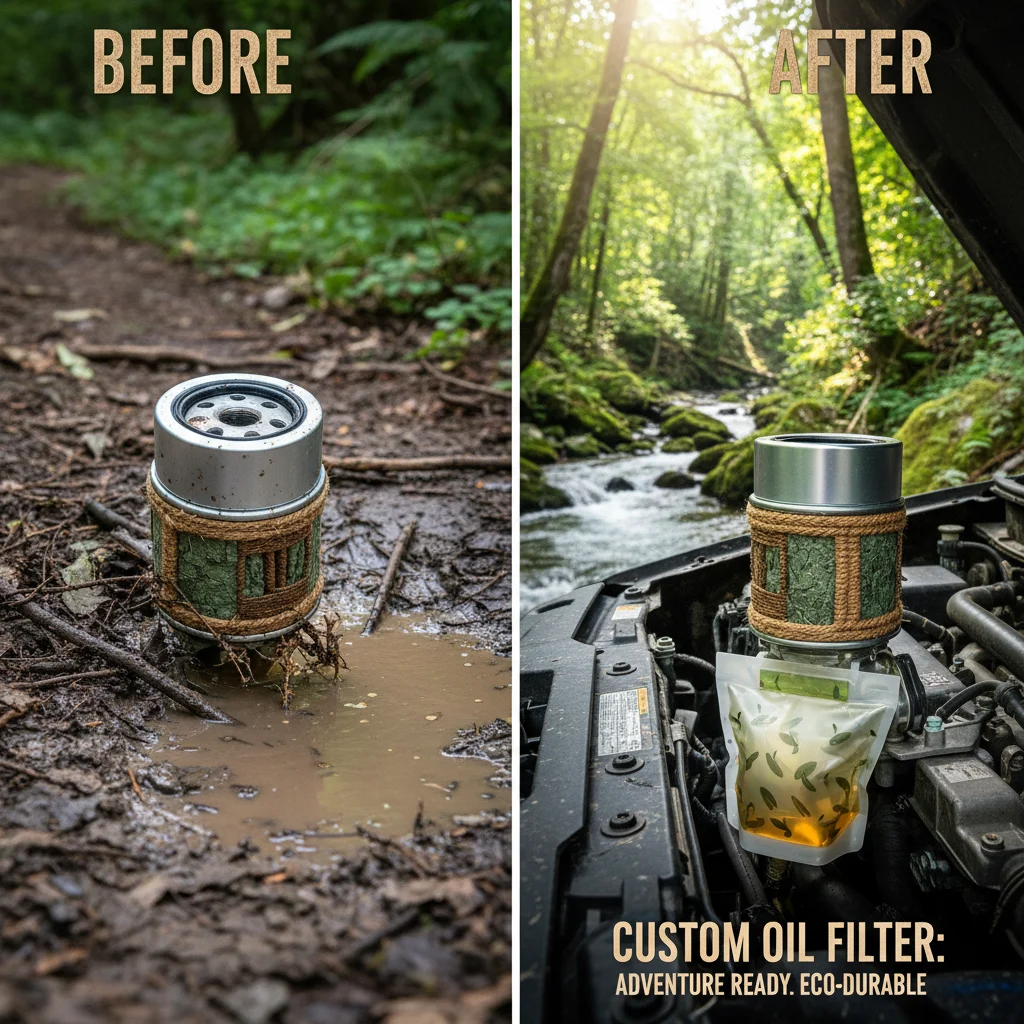
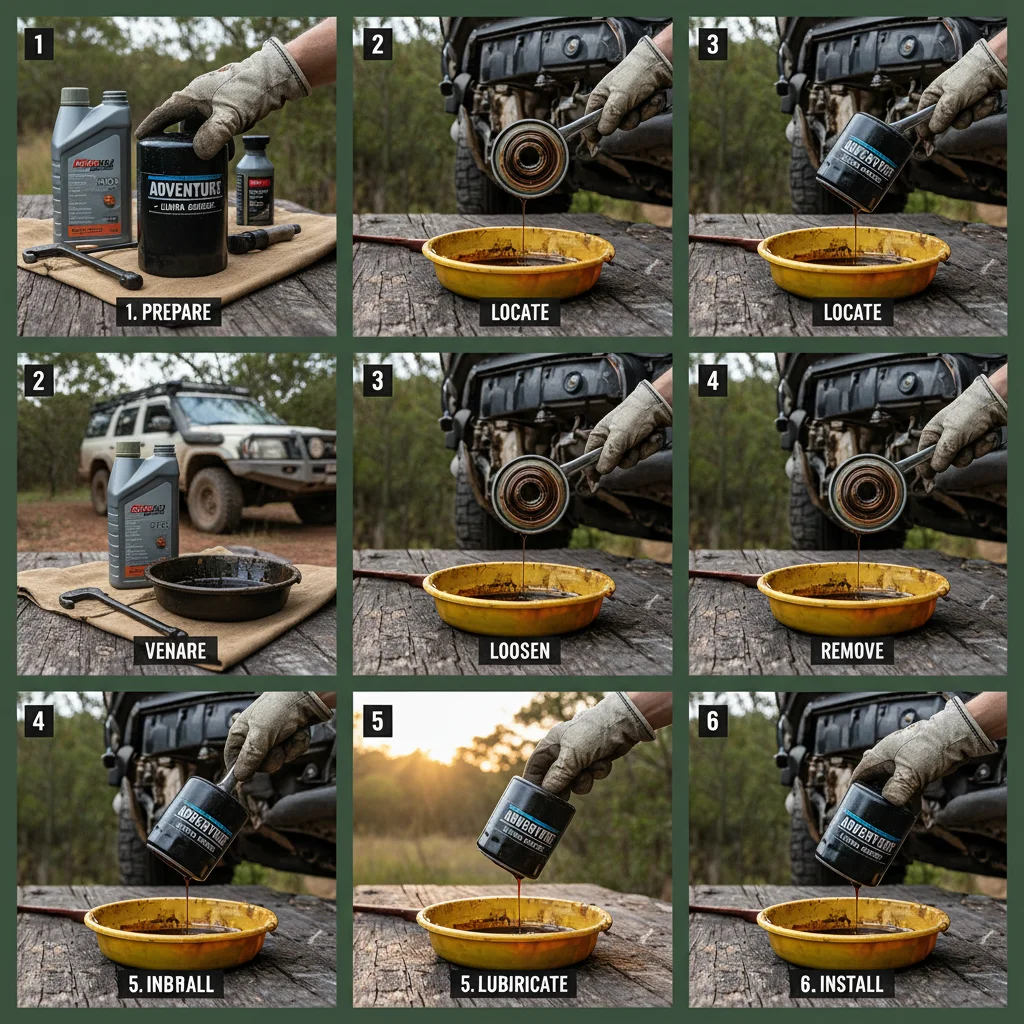
oil filters
The Vital Role of the Oil Filter Element in Engine Performance and Longevity

The Vital Role of the Oil Filter Element in Engine Performance and Longevity

Understanding the Critical Role of the Oil Filter Element

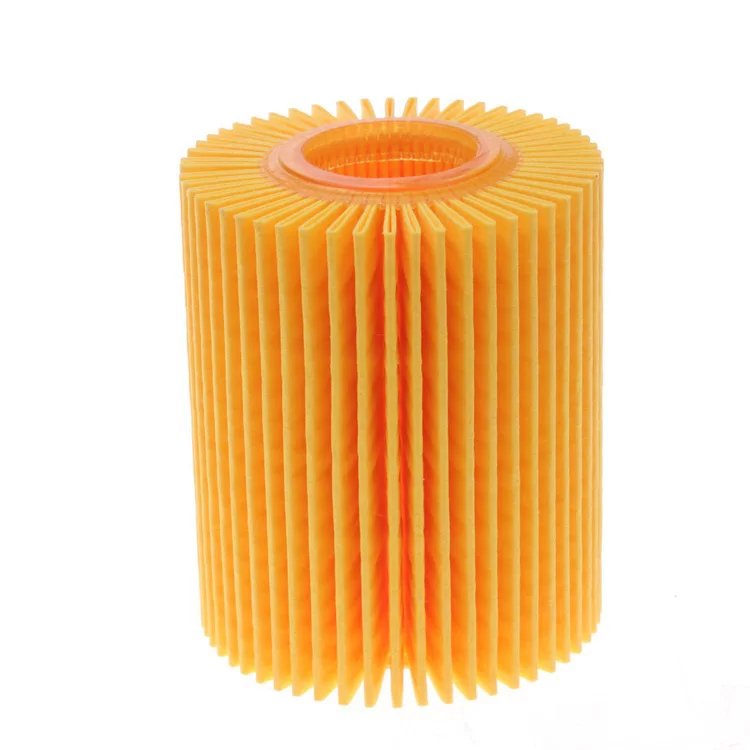
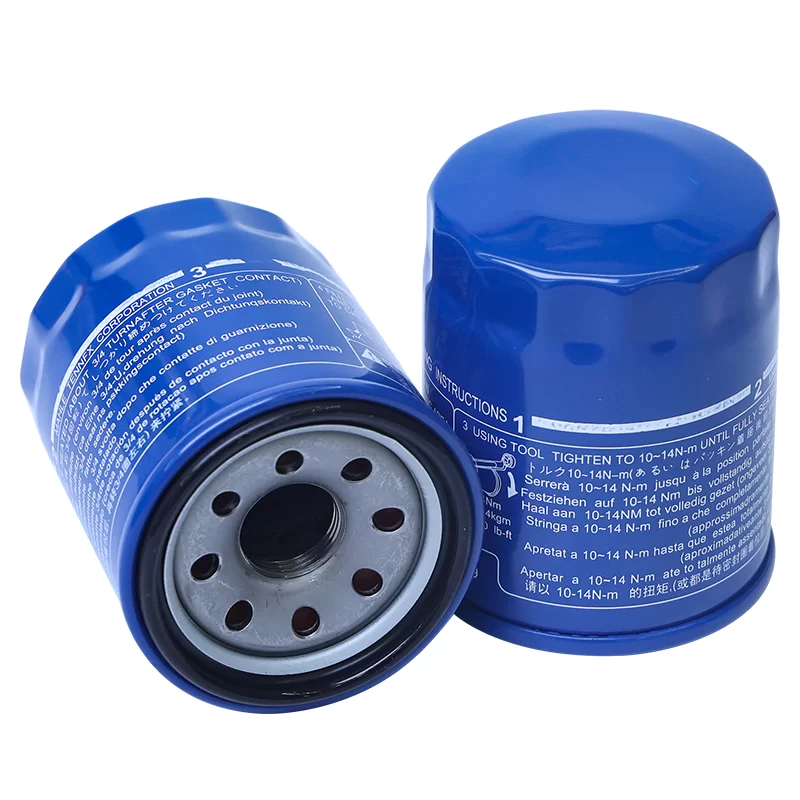
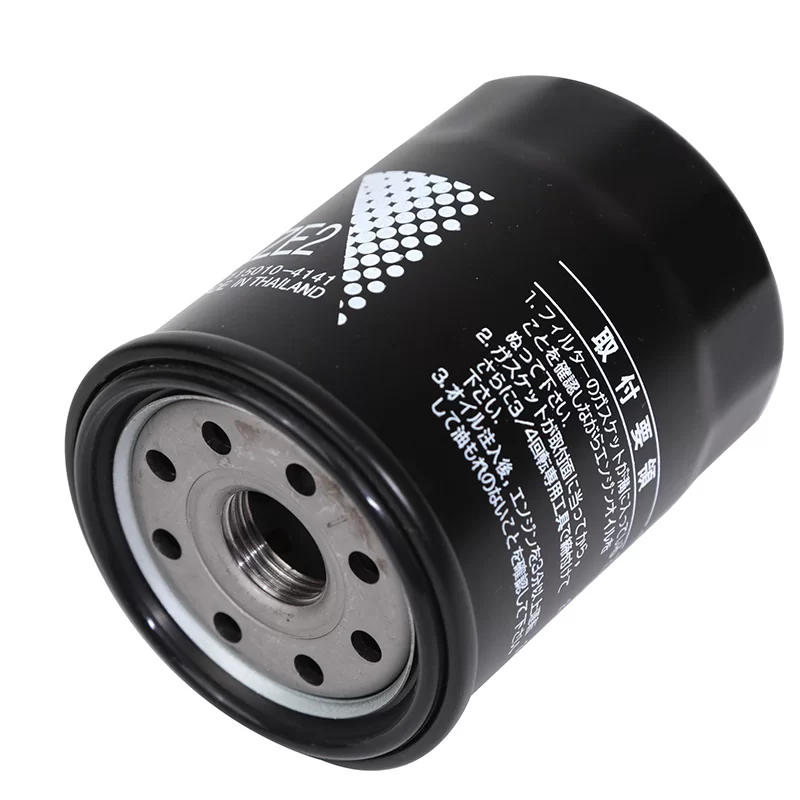
The oil filter element is a fundamental component in any internal combustion engine, acting as the first line of defense against damaging contaminants. Its primary function is to remove debris, sludge, and other particles from the engine oil, ensuring optimal performance and longevity. Choosing the right oil filter element for your application is crucial; a subpar filter can lead to reduced engine life and costly repairs. At Congben Filter, we specialize in providing high-quality oil filter elements designed for a wide range of vehicles and machinery. Understanding its importance is the first step towards proactive engine maintenance.

oil filter element

How Does an Oil Filter Element Work?

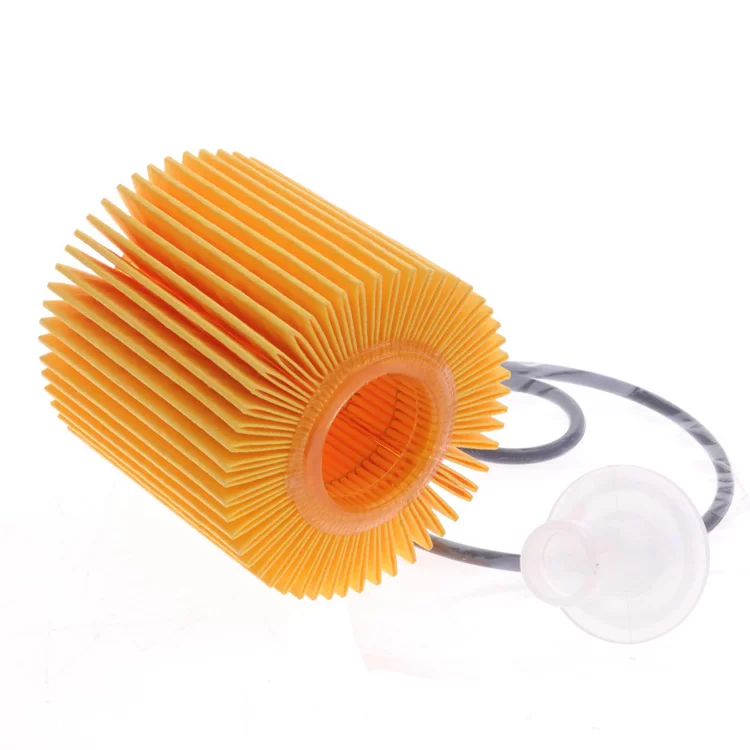
The operation of an oil filter element is relatively straightforward. Engine oil circulates through the engine, collecting contaminants as it goes. This oil then passes through the oil filter element, which contains a complex network of fibers and pleats. These materials trap particles of varying sizes, preventing them from circulating back into the engine. Different filter media – cellulose, synthetic, or blends – offer varying levels of filtration efficiency and capacity. The filter’s effectiveness depends on the micron rating, indicating the size of particles it can remove. Choosing the correct micron rating for your engine's needs is paramount.

Key Takeaway: The oil filter element isn't just a sieve; it's a sophisticated system designed to protect your engine from wear and tear caused by circulating contaminants.

Selecting the Right Oil Filter Element: Key Considerations

Choosing the right oil filter element isn’t a one-size-fits-all situation. Several factors need consideration. These include vehicle manufacturer recommendations, driving conditions, oil type, and the filter's construction. Synthetic filters generally offer superior filtration and longer service life, suitable for demanding applications and extended oil change intervals. However, for standard driving conditions, a high-quality cellulose filter may suffice. Always refer to your vehicle's owner's manual for the recommended filter specifications.

Important Factors to Consider:

• Vehicle Manufacturer Recommendations

• Driving Conditions (city, highway, off-road)

• Oil Type (conventional, synthetic, blend)

• Filter Media (cellulose, synthetic, blend)

Oil Filter Element Materials: A Comparative Analysis

Oil filter elements are constructed from various materials, each offering distinct advantages and disadvantages. Cellulose filters are the most common and affordable option, providing adequate filtration for standard applications. Synthetic filters, made from materials like microglass, offer superior filtration efficiency, higher dirt-holding capacity, and longer service intervals. Blended filters combine cellulose and synthetic fibers to balance cost and performance. The choice depends on your budget, driving habits, and engine requirements.

Material Filtration Efficiency Dirt Holding Capacity Cost
Cellulose Moderate Moderate Low
Synthetic (Microglass) High High High
Blended Good Good Medium

The Importance of Regular Oil Filter Element Replacement

Regularly replacing your oil filter element is as critical as changing your oil. A clogged filter restricts oil flow, leading to increased engine wear, reduced performance, and potentially catastrophic failure. Most manufacturers recommend replacing the oil filter with every oil change. However, in severe driving conditions – such as frequent stop-and-go traffic or dusty environments – more frequent filter changes may be necessary. Inspecting your oil filter regularly during oil changes can help identify potential issues before they escalate.

oil filter element

Why Choose Congben Filter for Your Oil Filter Element Needs?

At Congben Filter, we are committed to providing high-quality, reliable oil filter elements that meet and exceed industry standards. We offer a comprehensive range of filters suitable for various makes and models, from passenger vehicles to heavy-duty machinery. Our filters are manufactured using premium materials and rigorous quality control processes. We are dedicated to ensuring the longevity and optimal performance of your engine.

Conclusion: Protecting Your Engine Investment

Investing in a high-quality oil filter element is a proactive step towards ensuring your engine's longevity and optimal performance. At Congben Filter, we provide the reliability and quality you need to protect your investment. Don't compromise on engine health - choose Congben Filter.

Frequently Asked Questions (FAQs)

What is the typical lifespan of an oil filter element?

Generally, an oil filter element should be replaced with every oil change, which typically ranges from 3,000 to 7,500 miles, depending on driving conditions and the type of oil used. However, severe driving conditions such as frequent short trips, towing, or operating in dusty environments may require more frequent replacement – perhaps every 3,000 miles. Always consult your vehicle's owner's manual for the manufacturer’s specific recommendations. Regularly checking the filter's condition during oil changes can also help determine if replacement is needed before the recommended interval.

Can I use a cheaper, generic oil filter element?

While cheaper, generic oil filter elements may seem appealing, they often compromise on filtration efficiency and construction quality. These filters may not effectively remove harmful contaminants, potentially leading to increased engine wear and reduced performance. They may also use lower-quality materials that can break down prematurely, causing blockages and oil flow restrictions. Investing in a high-quality oil filter element from a reputable manufacturer like Congben Filter is a worthwhile investment in your engine's long-term health.

What happens if I don't replace my oil filter element regularly?

Failing to replace your oil filter element regularly can lead to several detrimental consequences. A clogged filter restricts oil flow, depriving engine components of adequate lubrication and increasing friction. This results in accelerated engine wear, reduced performance, and potentially catastrophic engine failure. Contaminants circulating through the engine can also damage critical components like bearings, pistons, and cylinder walls. Regular filter replacement is a crucial preventative maintenance measure that can save you significant repair costs in the long run.

If you are interested in our products, you can choose to leave your information here, and we will be in touch with you shortly.