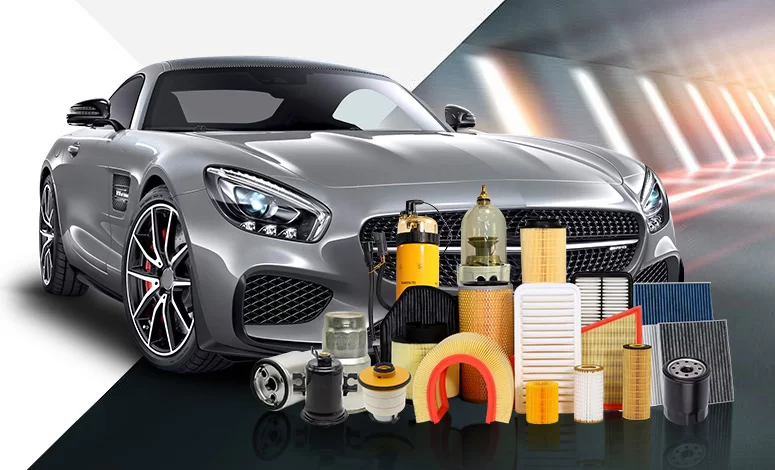
Maintaining engine health is a cornerstone of automotive longevity, and the car parts oil filter serves as the primary line of defense against internal engine wear. By trapping contaminants, metal shavings, and carbon deposits, these critical components ensure that the lubricating oil remains pure, reducing friction and preventing catastrophic mechanical failure in high-performance engines.
Globally, the demand for high-quality filtration solutions has surged as vehicle owners seek to extend the intervals between expensive engine overhauls. Understanding the nuances of oil filtration—from micron ratings to bypass valve functionality—allows fleet managers and individual drivers to optimize fuel efficiency and reduce the environmental footprint associated with premature engine replacement.
Whether you are managing a commercial fleet or maintaining a personal vehicle, the choice of a car parts oil filter directly impacts the total cost of ownership. Investing in premium filtration technology not only protects the engine's internal components but also supports the overall stability of the automotive supply chain by promoting sustainable maintenance practices.
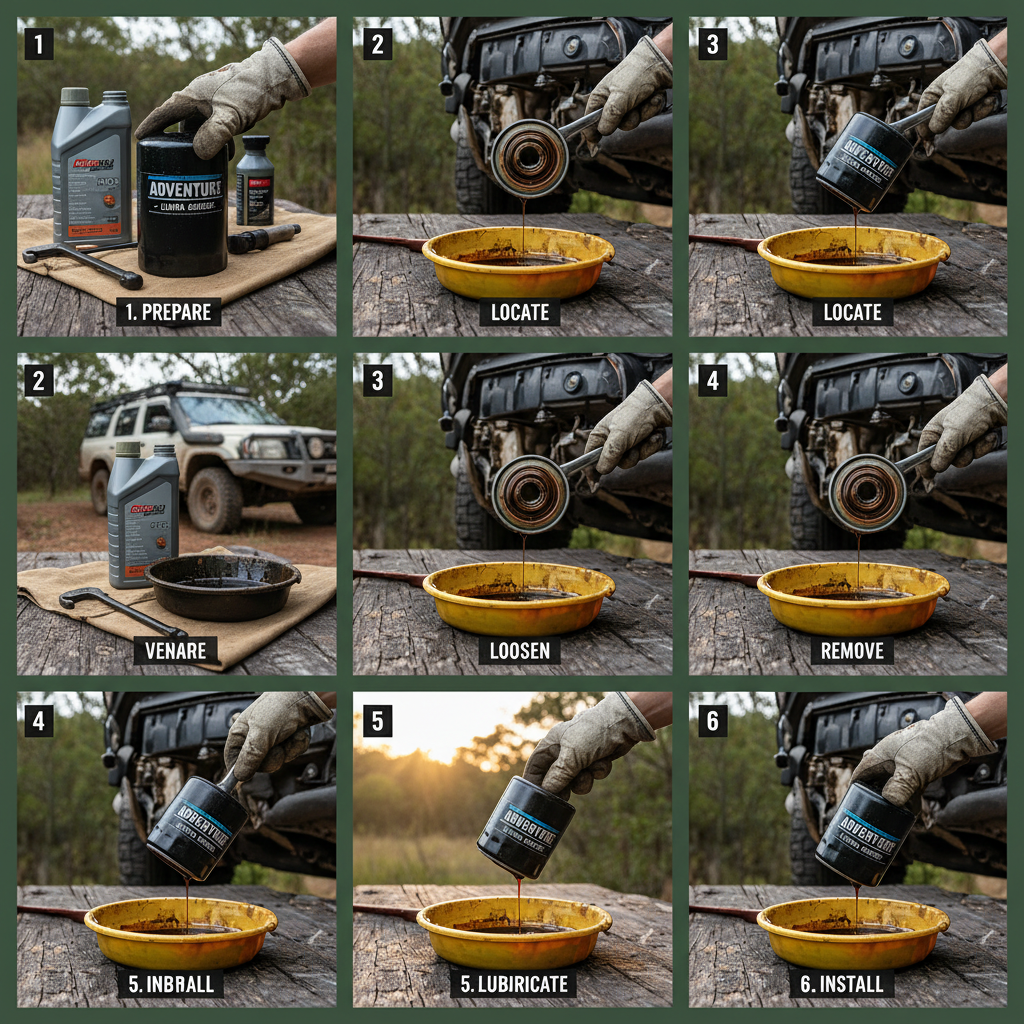
Global Industry Context of Oil Filtration
The global automotive aftermarket is currently undergoing a massive shift toward preventative maintenance, with the car parts oil filter remaining a non-negotiable component of engine care. According to industry standards aligned with ISO 9001, the precision of filtration media determines the lifespan of an engine, particularly in emerging markets where vehicle usage is high and road conditions are often harsh.
As urbanization increases in Asia and Africa, the challenge of maintaining vehicle fleets in dust-heavy environments has highlighted the critical need for superior oil filtration. The inability to effectively remove microscopic abrasives can lead to accelerated piston ring wear and oil pump failure, posing a significant economic burden on transport logistics and public transit systems worldwide.
Defining the Modern Car Parts Oil Filter
In simple technical terms, a car parts oil filter is a pressurized canister containing a filtering medium designed to remove contaminants from engine oil before it circulates through the engine's critical galleries. Its primary purpose is to ensure that only clean, lubricated oil reaches the crankshaft, camshafts, and bearings, thereby preventing the "sandpaper effect" caused by circulating debris.
Beyond simple cleaning, these components are integral to the modern industry's drive toward "Extended Drain Intervals" (EDI). By utilizing synthetic media and advanced pleating techniques, manufacturers can now produce filters that maintain high efficiency for longer periods, reducing the frequency of oil changes and decreasing the volume of waste oil produced globally.
From a humanitarian and industrial perspective, reliable oil filtration is essential for vehicles operating in remote zones, such as disaster relief convoys or mining operations. In these contexts, a failed filter can lead to a total engine seizure in an area where replacement parts are unavailable, making the reliability of the filter a matter of operational survival.
Core Components of High-Efficiency Filtration
The efficacy of a car parts oil filter relies heavily on its filtration media. Most premium filters use a blend of cellulose and synthetic fibers to create a complex web that traps particles without restricting oil flow, ensuring that the engine receives adequate lubrication even during cold starts.
Another critical element is the Anti-Drainback Valve (ADBV). This rubber seal prevents oil from draining out of the filter when the engine is off, ensuring that the car parts oil filter remains primed. This eliminates "dry starts," which are responsible for a significant percentage of early engine wear.
Lastly, the bypass valve acts as a safety mechanism. If the filter media becomes completely clogged, the bypass valve opens to allow unfiltered oil to circulate. While not ideal, this is far preferable to a total loss of oil pressure, which would lead to immediate engine failure, demonstrating the logical engineering behind the car parts oil filter.
Performance Metrics and Efficiency Ratings
Measuring the performance of a car parts oil filter involves analyzing "Beta Ratios," which define the efficiency of the media at capturing specific particle sizes. A high-efficiency filter can remove over 99% of particles larger than 20 microns, which is the threshold for most damaging engine contaminants.
When comparing different filtration methods, engineers look at the trade-off between flow rate and particle capture. A filter that is too restrictive may trigger the bypass valve prematurely, while one that is too porous may allow harmful debris to pass through.
Filtration Efficiency Comparison by Media Type
Real-World Applications Across Global Regions
In heavy industrial zones such as the mining regions of Australia or the construction sites of the Middle East, the car parts oil filter must withstand extreme temperature fluctuations and high vibration levels. In these environments, heavy-duty canisters with reinforced housings are utilized to prevent leaks and structural failure under pressure.
Conversely, in urban European cities, the focus shifts toward emissions compliance and fuel economy. High-efficiency car parts oil filter units are paired with low-viscosity synthetic oils to reduce internal drag, contributing to a lower carbon footprint and aligning with strict Euro 6 emissions standards.
Long-Term Value and Sustainability Impact
The logical value of investing in a premium car parts oil filter extends far beyond the immediate cost of the part. By preventing engine sludge buildup, these filters extend the overall life of the vehicle, reducing the need for premature replacements and the energy-intensive process of manufacturing new engines.
From an emotional perspective, the reliability of a high-quality filter provides peace of mind for drivers. Knowing that the engine's "kidneys" are functioning perfectly removes the anxiety of sudden breakdown, fostering trust between the consumer and the automotive brand.
Furthermore, the industry is moving toward more sustainable materials. The development of biodegradable filter media and recyclable metal housings ensures that the car parts oil filter does not contribute to long-term landfill waste, bridging the gap between mechanical necessity and environmental responsibility.
Future Innovations in Filtration Technology
The future of the car parts oil filter is being shaped by nanotechnology. Nano-fiber media allows for smaller pore sizes without increasing pressure drop, meaning filters can capture even smaller particles—down to 1 micron—without hindering the oil flow, which is essential for the next generation of turbocharged engines.
Digital transformation is also entering the filtration space. Smart filters equipped with sensors can now monitor the pressure differential across the media in real-time, sending an alert to the driver's dashboard when the car parts oil filter is actually saturated, replacing arbitrary mileage-based change intervals with data-driven maintenance.
As the industry transitions toward hybrid powertrains, the role of the oil filter is evolving. Hybrid engines experience frequent start-stop cycles, which can lead to increased moisture and fuel dilution in the oil. Future filter designs are incorporating moisture-absorbing materials to maintain oil chemistry and protect components during these unique operating conditions.
Comparative Analysis of Filtration Media Technologies
| Media Material |
Particle Capture Rate |
Service Life |
Cost-Benefit Ratio |
| Standard Cellulose |
Moderate (25-30μm) |
Short (5k-7k miles) |
Low Initial Cost |
| Synthetic Blend |
High (15-20μm) |
Medium (10k miles) |
Balanced Value |
| Full Synthetic |
Very High (10-15μm) |
Long (15k+ miles) |
Premium Investment |
| Glass Fiber |
High (15-20μm) |
Long (12k miles) |
High Durability |
| Nano-Fiber |
Ultra High (<10μm) |
Ultra Long (20k miles) |
Highest Efficiency |
| Composite Media |
High (15-25μm) |
Medium (10k miles) |
Versatile Use |
FAQS
Generally, it is recommended to replace the filter every time you change your engine oil. For standard cellulose filters, this is typically every 3,000 to 5,000 miles. However, if you are using a high-performance synthetic car parts oil filter and synthetic oil, you may be able to extend this interval to 10,000 or 15,000 miles, depending on your vehicle's manufacturer guidelines and driving conditions.
Yes, a low-quality filter can be dangerous. If the filter media collapses, contaminants can bypass the system and enter the engine. Furthermore, if the bypass valve is defective, it could restrict oil flow entirely, leading to oil starvation and catastrophic engine failure. Using a certified, high-quality car parts oil filter ensures that the internal components remain protected under all pressure levels.
A spin-on car parts oil filter is a complete assembly consisting of the filter media and a metal housing that you screw onto the engine. A cartridge filter consists only of the replaceable media element, which is inserted into a permanent housing on the engine. Cartridge filters are more environmentally friendly as they reduce metal waste, while spin-on filters are often quicker and cleaner to replace.
Absolutely. Premium brands invest more in the quality of the gaskets, the strength of the canister, and the density of the filtration media. A premium car parts oil filter typically has a better anti-drainback valve, which prevents dry starts, and a more precise bypass valve. The small difference in price is insignificant compared to the cost of an engine rebuild.
While it's hard to "see" a clogged filter, signs include a noticeable drop in oil pressure (if your car has a gauge), increased engine noise due to lack of lubrication, or the oil light flickering on the dashboard. Most modern systems will trigger the bypass valve to keep oil flowing, but if you notice your oil becoming excessively dark and gritty very quickly, your car parts oil filter may be reaching its limit.
Yes, synthetic filters are generally superior. They offer better structural integrity, a higher capacity for trapping contaminants, and a longer service life. While paper filters are adequate for short intervals, synthetic car parts oil filter media can withstand the higher heat and pressure of modern engines without degrading, providing a more consistent level of protection.
Conclusion
In summary, the car parts oil filter is far more than a simple maintenance accessory; it is a sophisticated engineered component that determines the operational lifespan of an internal combustion engine. From the critical role of the anti-drainback valve to the precision of nano-fiber media, every element of the filter works in harmony to ensure that lubrication is seamless and contaminants are neutralized. By prioritizing high-efficiency filtration, vehicle owners can significantly reduce wear, improve fuel economy, and contribute to a more sustainable automotive ecosystem.
Looking ahead, the integration of smart sensors and biodegradable materials will continue to redefine how we approach engine maintenance. We recommend that fleet managers and enthusiasts alike transition toward high-performance synthetic filtration to maximize engine reliability and minimize downtime. For those seeking industry-leading filtration solutions that meet the highest global standards, we invite you to explore our comprehensive range. Visit our website: www.congbenfilter.com