oil filters
Comprehensive Guide to Oil and Filter Systems for Optimal Engine Performance

Comprehensive Guide to Oil and Filter Systems for Optimal Engine Performance

Understanding Oil and Filter Systems: A Comprehensive Guide

The lifeblood of any engine, whether in a vehicle, machinery, or power generation system, relies on clean oil circulating efficiently. This is where the vital partnership between oil and filter systems comes into play. Proper filtration protects the engine from damaging particles, extending its lifespan and optimizing performance. This article explores the importance of oil and filters, different types of filters available, choosing the right oil for your application, maintenance best practices, and the role Congben Filter plays in delivering high-quality filtration solutions. Maintaining a clean oil supply is essential for reliable operation and significant cost savings in the long run.

oil and filter

The Critical Role of Oil in Engine Performance

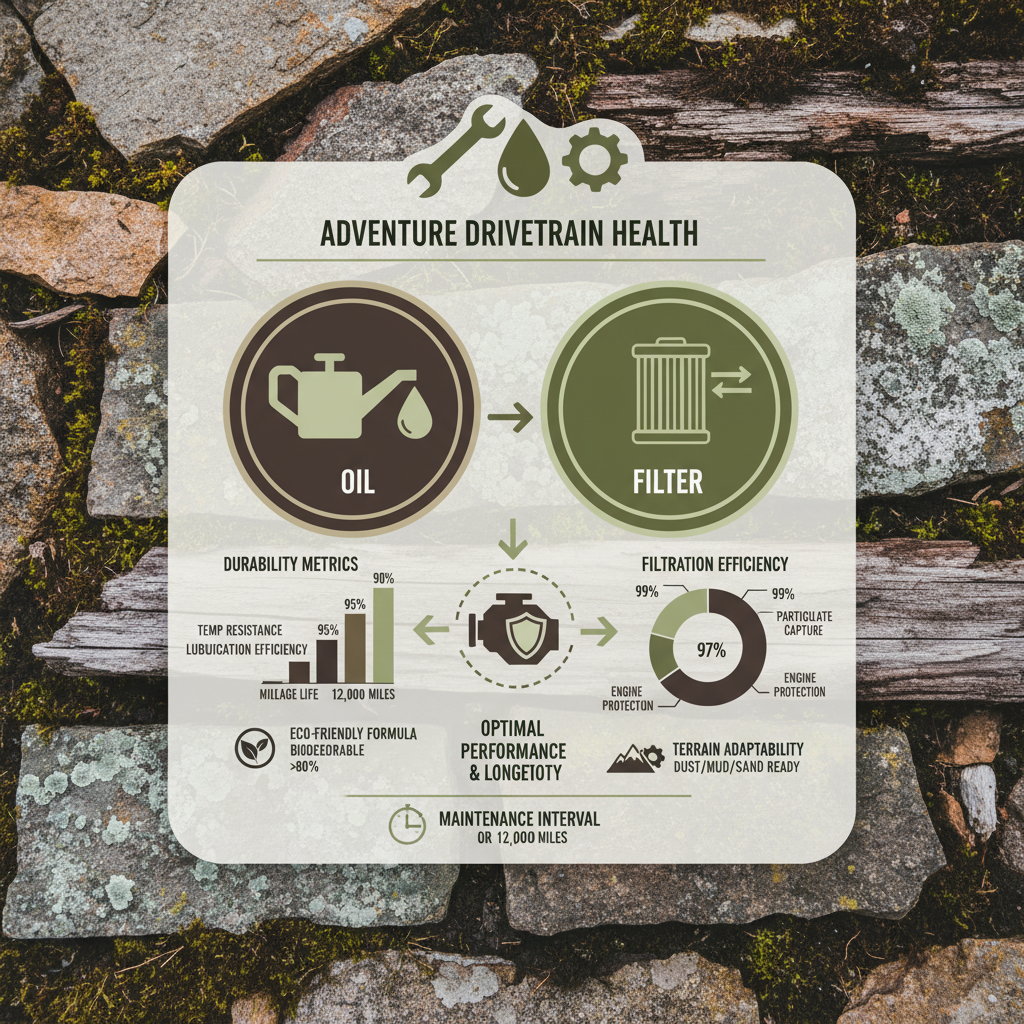
Engine oil isn’t simply a lubricant; it's a multi-functional fluid crucial for optimal engine operation. Beyond reducing friction between moving parts, oil cools the engine by carrying heat away, cleans internal components by suspending contaminants, prevents corrosion, and forms a seal between pistons and cylinder walls. Over time, oil degrades and becomes contaminated with dirt, metal particles, and combustion byproducts, diminishing its effectiveness. This is where the filter system steps in to maintain oil purity. Neglecting oil changes and filter replacements can lead to increased wear, reduced performance, and ultimately, engine failure.

Key Benefits of Clean Oil: Reduced friction and wear, improved engine cooling, effective contaminant removal, corrosion protection, and enhanced engine lifespan.

Types of Oil Filters: Choosing the Right Protection

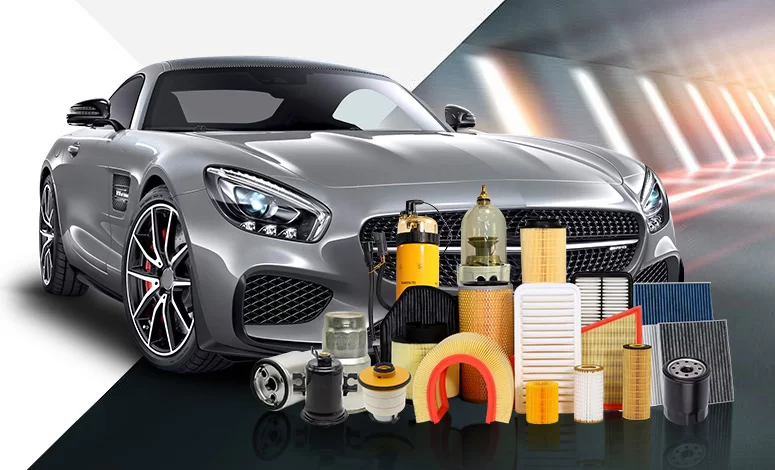
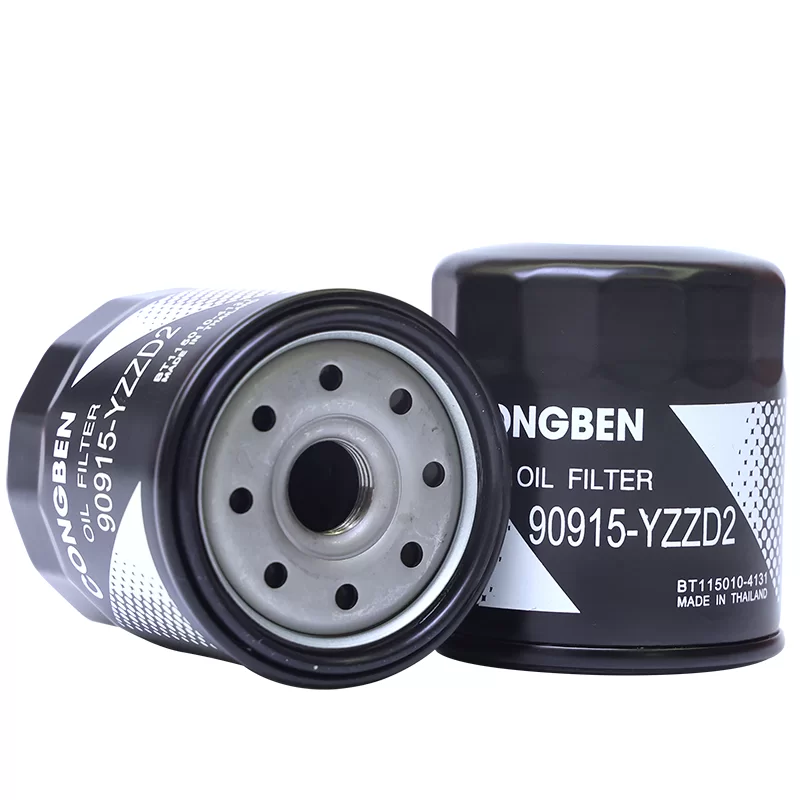
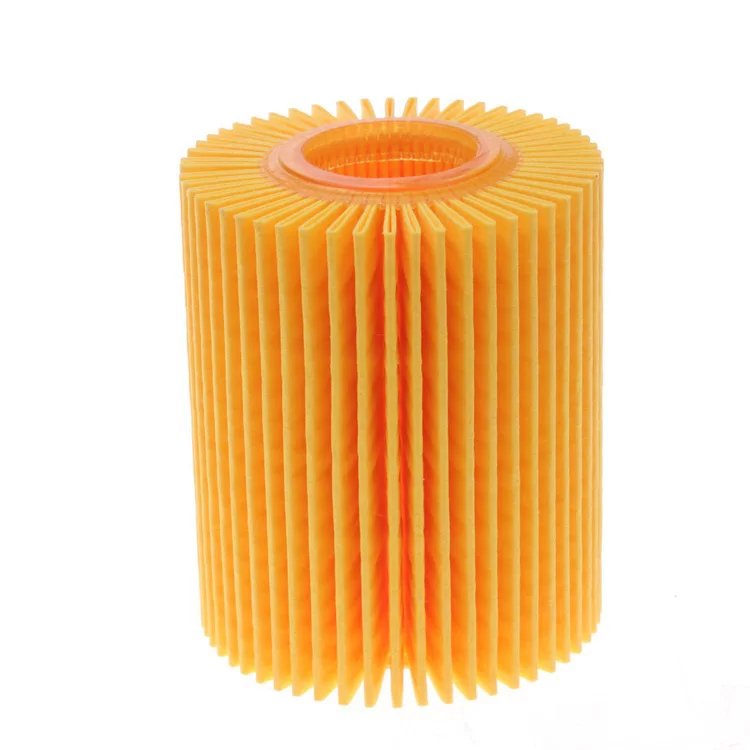
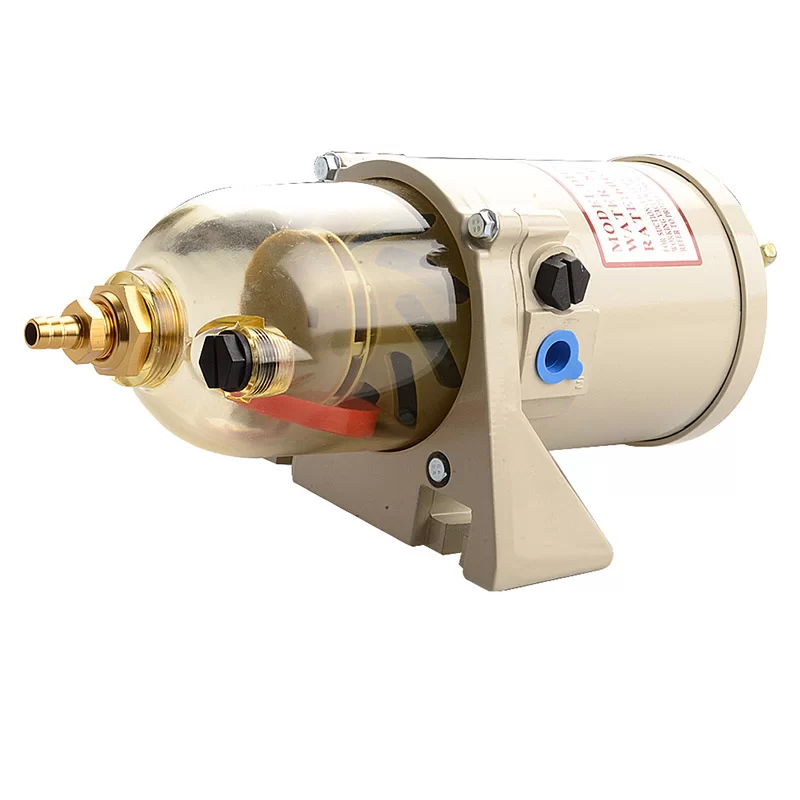
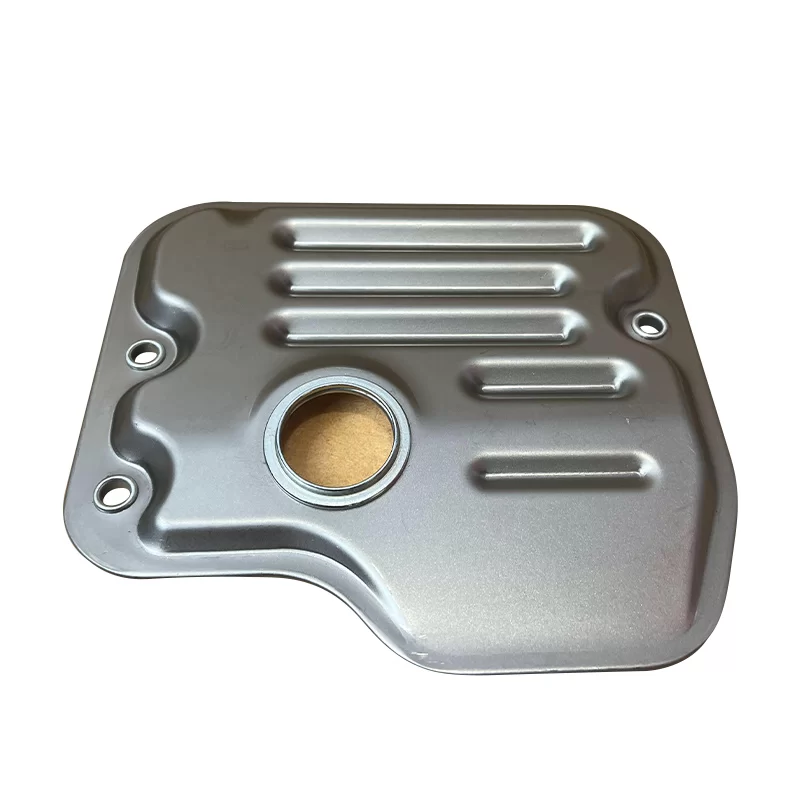
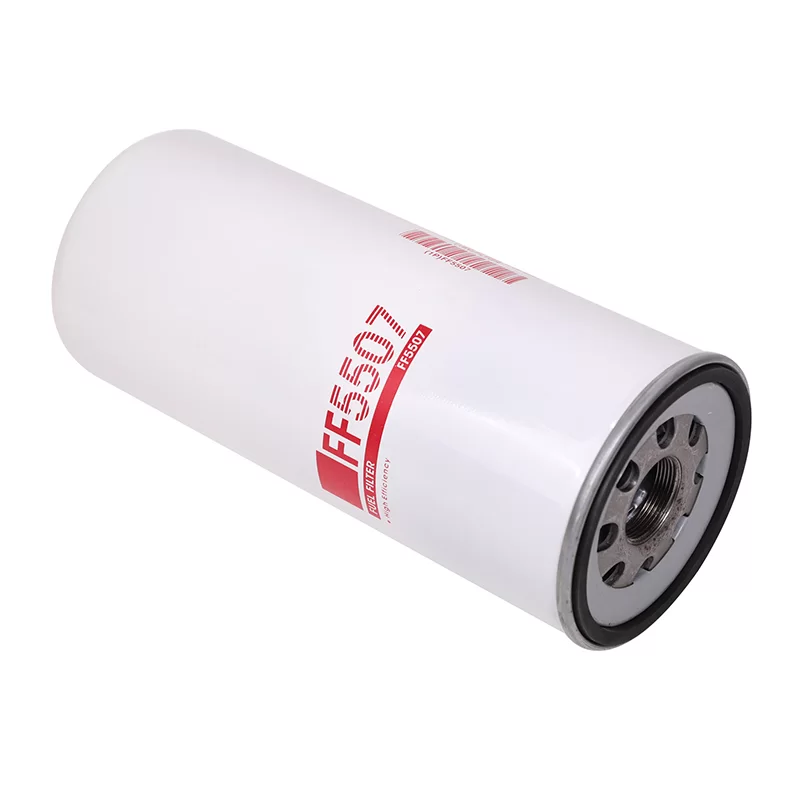
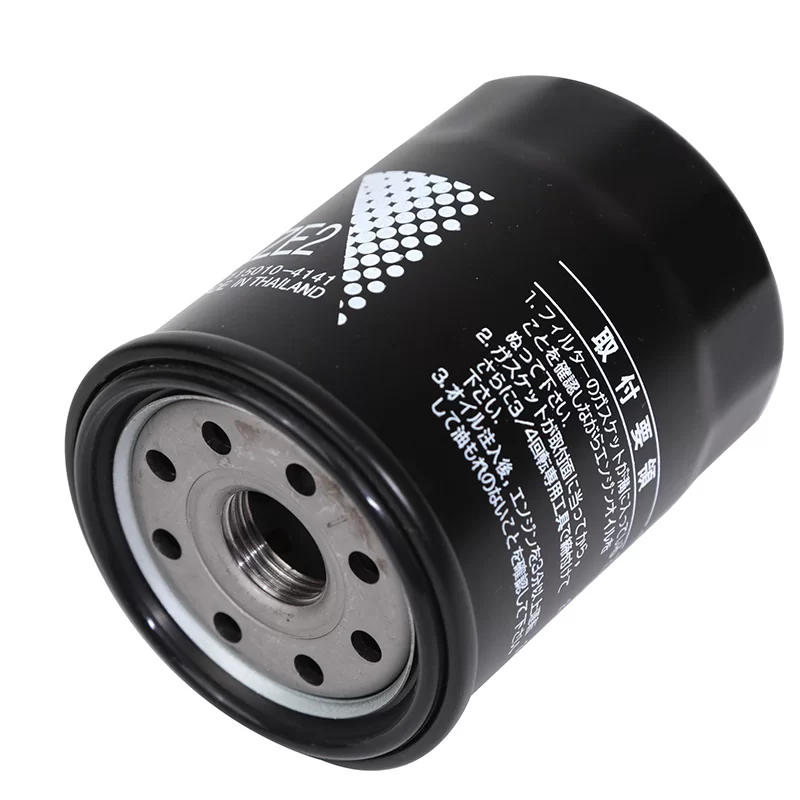
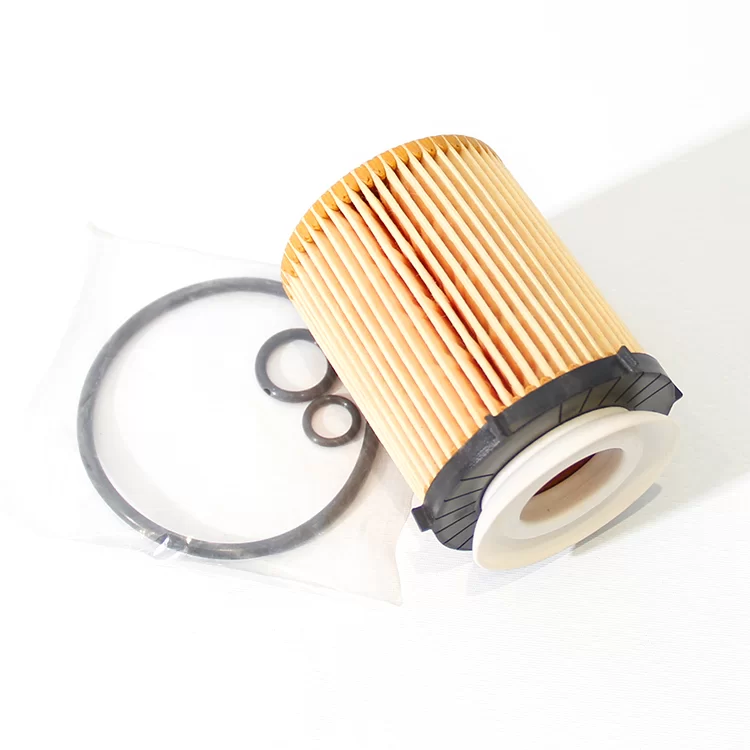
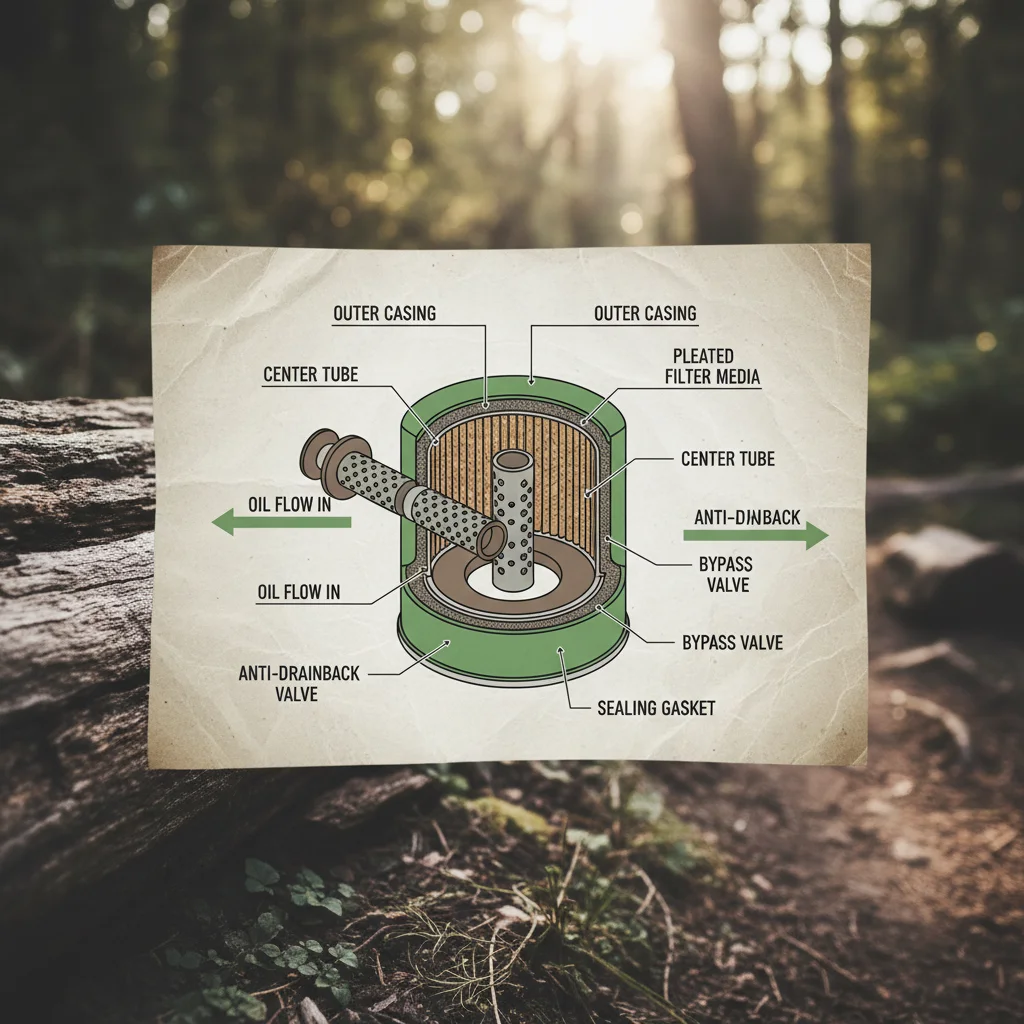
Several types of oil filters are available, each with its strengths and weaknesses. The most common are spin-on filters, cartridge filters, and bypass filters. Spin-on filters are self-contained units that are easily replaced. Cartridge filters use a replaceable filter element within a permanent housing, offering a more environmentally friendly option. Bypass filters provide finer filtration, removing smaller particles, but typically filter a smaller portion of the oil flow. Selecting the appropriate filter depends on the engine type, operating conditions, and desired level of filtration. Congben Filter offers a comprehensive range of filters to suit diverse applications.

Oil Filter Comparison:

Spin-on Filters: Easy replacement, widely available.

Cartridge Filters: Eco-friendly, reusable housing.

Bypass Filters: Superior filtration, slower flow rate.

Understanding Oil Viscosity and Grades

Oil viscosity is a crucial factor in engine protection. It refers to the oil's resistance to flow. Higher viscosity oils are thicker and provide better protection at high temperatures, while lower viscosity oils flow more easily and improve cold-start performance. Oil grades are indicated by a two-number system, such as 5W-30. The first number, preceded by "W" (for Winter), indicates the oil's viscosity at low temperatures, while the second number represents its viscosity at operating temperature. Choosing the correct oil grade is essential for optimal engine performance and longevity. Consult your engine manufacturer's recommendations for the appropriate oil grade.

Oil Grade Typical Applications Viscosity Characteristics
0W-20 Modern Fuel-Efficient Vehicles Excellent cold-flow properties, low viscosity
5W-30 Most Passenger Cars & Light Trucks Good all-around performance, moderate viscosity
10W-40 Older Engines & High-Mileage Vehicles Provides robust protection, higher viscosity

Oil and Filter Change Intervals: Best Practices

Regular oil and filter changes are critical for maintaining engine health. The recommended interval varies depending on factors like driving conditions, engine type, and oil quality. Typically, manufacturers recommend changing the oil and filter every 5,000 to 10,000 miles (8,000 to 16,000 kilometers) for conventional oil, and every 7,500 to 15,000 miles (12,000 to 24,000 kilometers) for synthetic oil. However, severe driving conditions (frequent short trips, stop-and-go traffic, towing) may require more frequent changes. Always consult your vehicle's owner's manual for specific recommendations. Congben Filter offers filters designed for extended service intervals.

oil and filter

Congben Filter: Your Partner in Filtration Excellence

At Congben Filter, we are dedicated to providing high-quality oil filters and filtration solutions for a wide range of applications. We utilize advanced filtration technology and rigorous quality control processes to ensure our filters deliver superior performance and protection. Our products are engineered to meet or exceed industry standards, giving you peace of mind knowing your engine is well-protected. We are committed to innovation and customer satisfaction, offering a comprehensive selection of filters to meet your specific needs.

Conclusion: Protecting Your Engine Investment

Investing in quality oil and filter systems is an investment in the longevity and performance of your engine. Regular maintenance, the right oil grade, and a reliable filter supplier like Congben Filter are essential components of a proactive engine care strategy. Don’t compromise on protection – choose Congben Filter for superior filtration and peace of mind.

Frequently Asked Questions (FAQs)

What are the signs that my oil filter needs to be replaced?

Several indicators suggest your oil filter needs replacement. These include a drop in oil pressure, an illuminated "check engine" light, unusual engine noise, or dirty oil when you check the dipstick. If you notice any of these signs, it's crucial to replace both the oil and the filter promptly. Ignoring these symptoms can lead to engine damage. Regular oil and filter changes, as per your vehicle's maintenance schedule, are the best way to prevent these issues.

Can I use a cheaper oil filter than recommended by the manufacturer?

While cheaper oil filters may seem appealing, they often compromise on filtration quality and construction. Lower-quality filters may not effectively remove contaminants, leading to increased engine wear and potential damage. Using a filter that meets or exceeds the manufacturer's specifications is crucial for optimal engine protection. Investing in a high-quality filter like those offered by Congben Filter is a smart choice for long-term engine health.

What is the difference between full synthetic and conventional oil?

Conventional oil is refined from crude oil, while full synthetic oil is chemically engineered for superior performance. Synthetic oil offers better high-temperature protection, improved cold-flow properties, and greater resistance to oxidation and breakdown. This translates to longer oil change intervals and enhanced engine protection. While synthetic oil is typically more expensive, it can save you money in the long run by extending engine life and reducing maintenance costs.

If you are interested in our products, you can choose to leave your information here, and we will be in touch with you shortly.