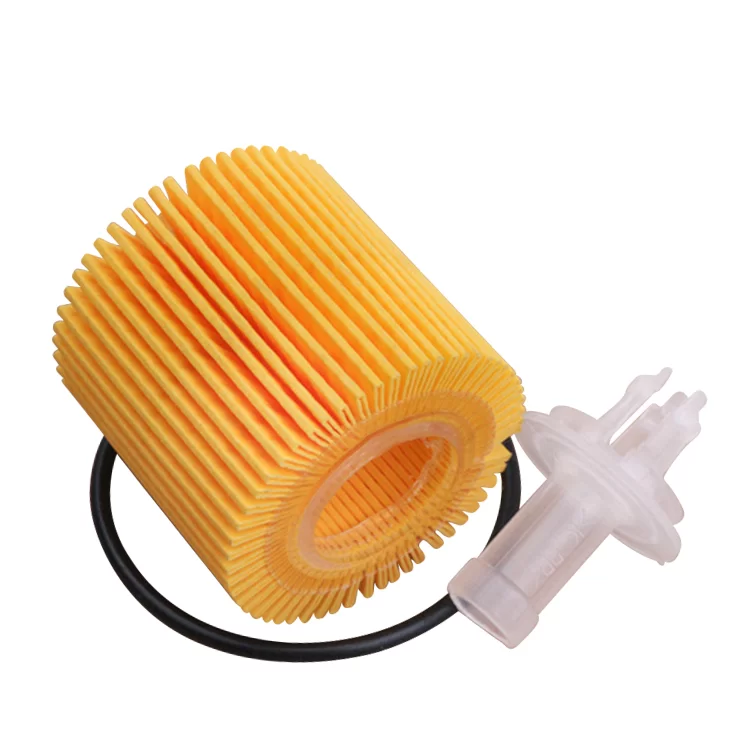
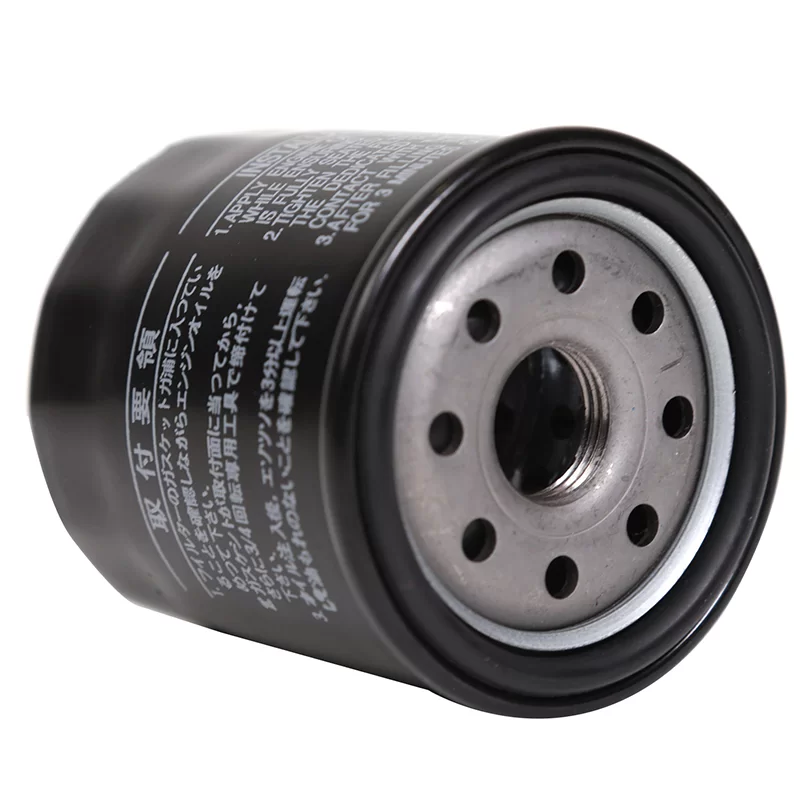
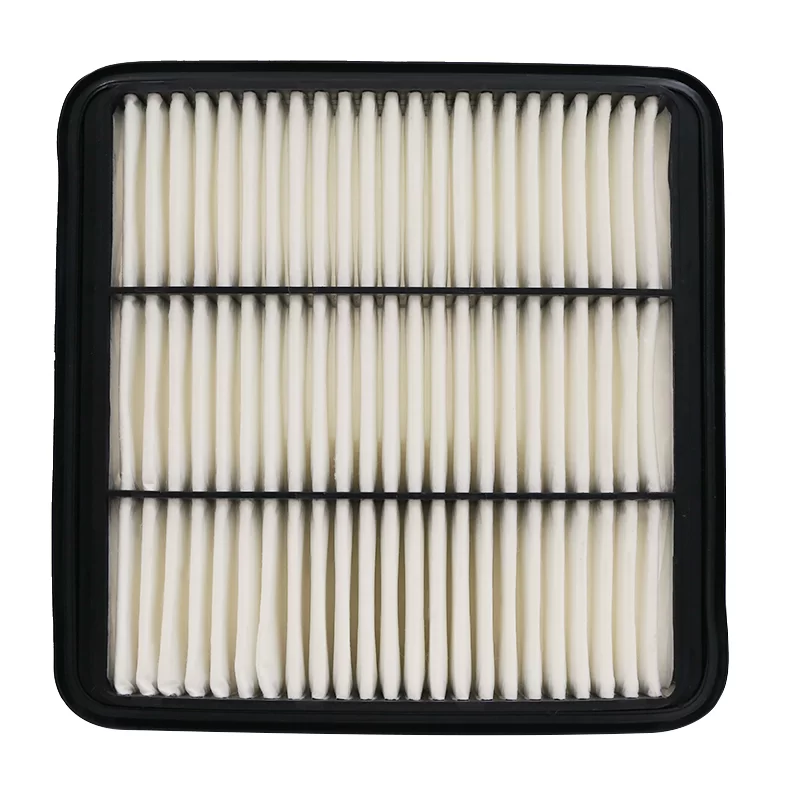
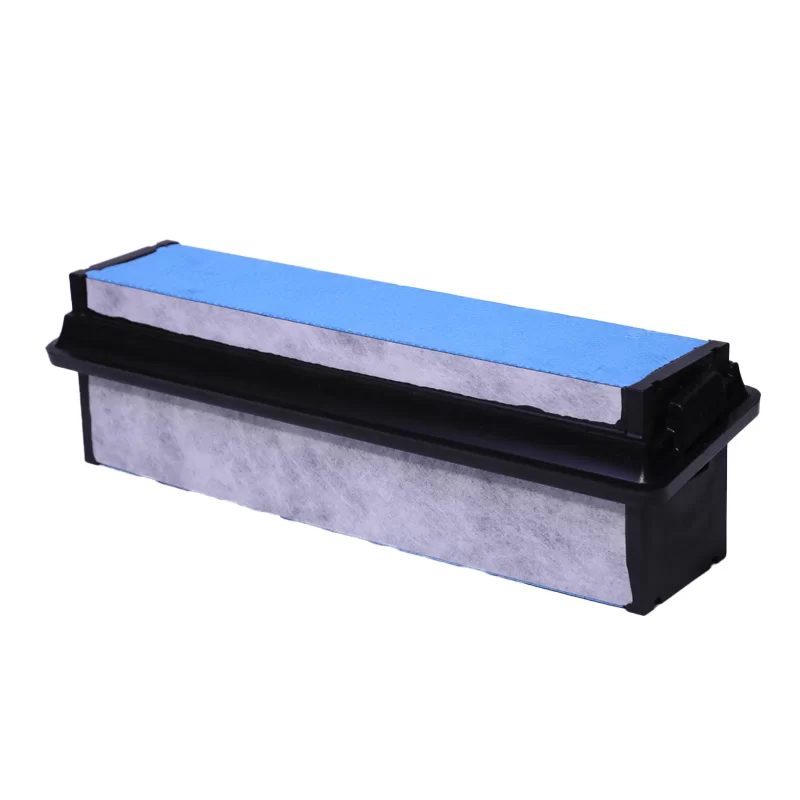
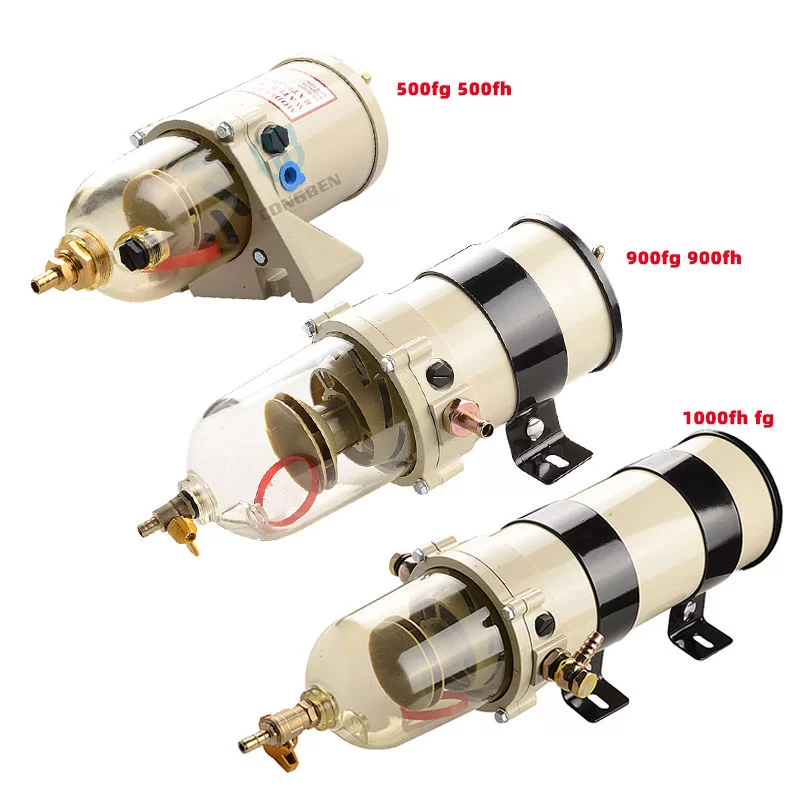
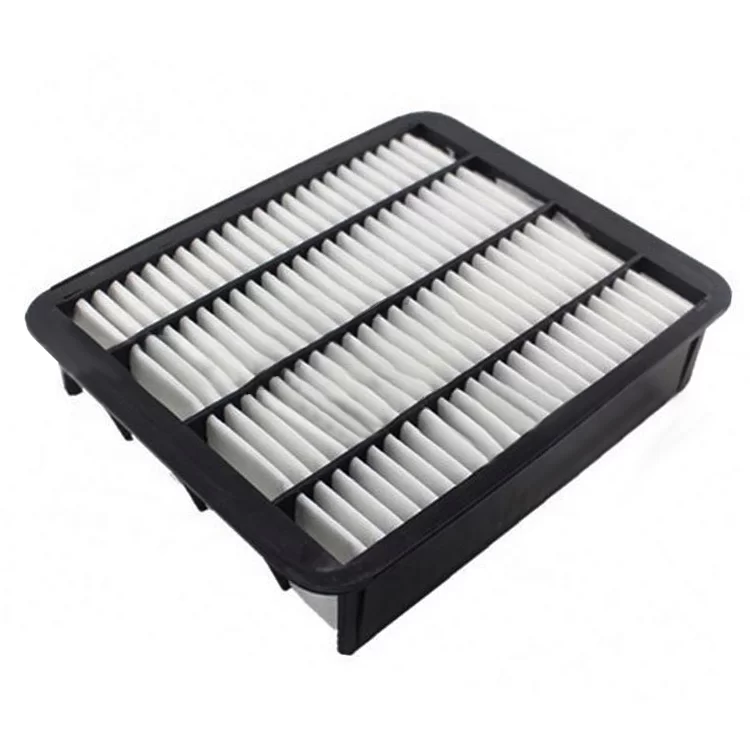
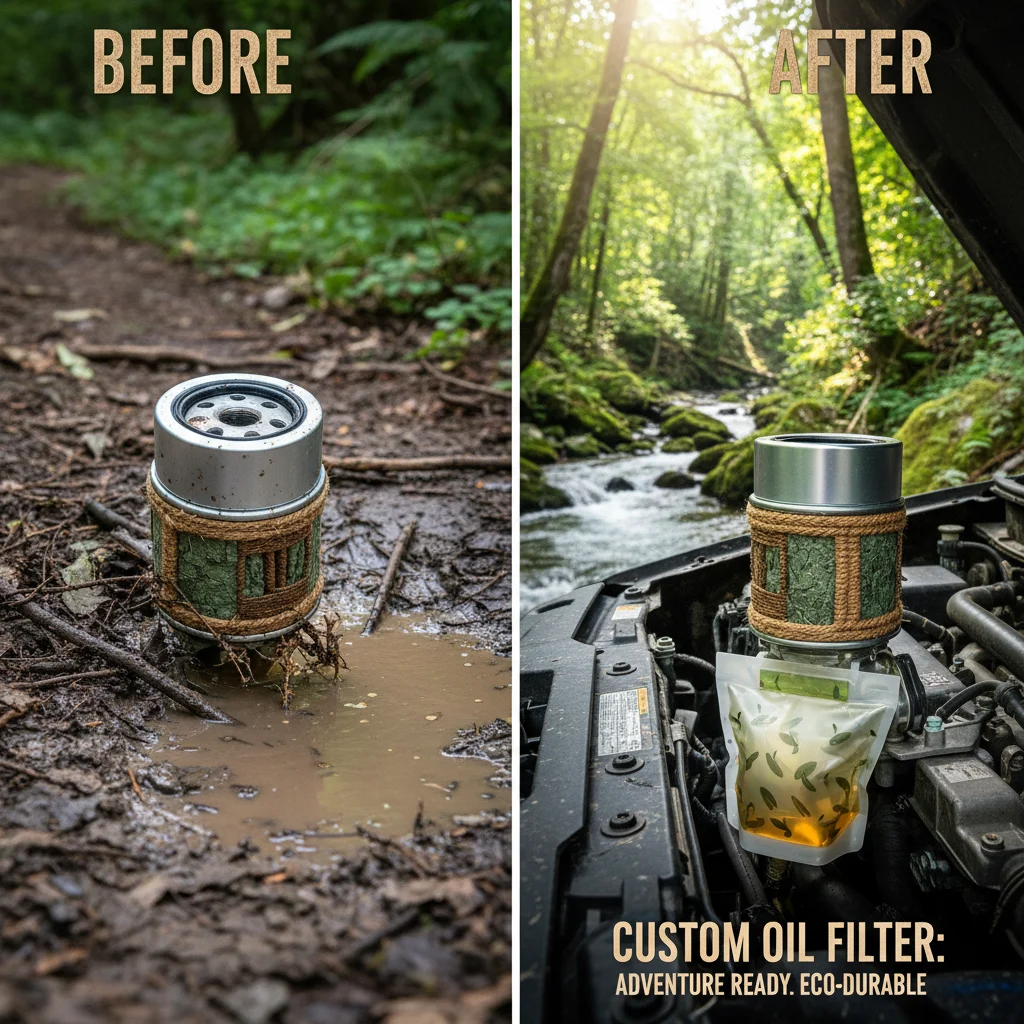
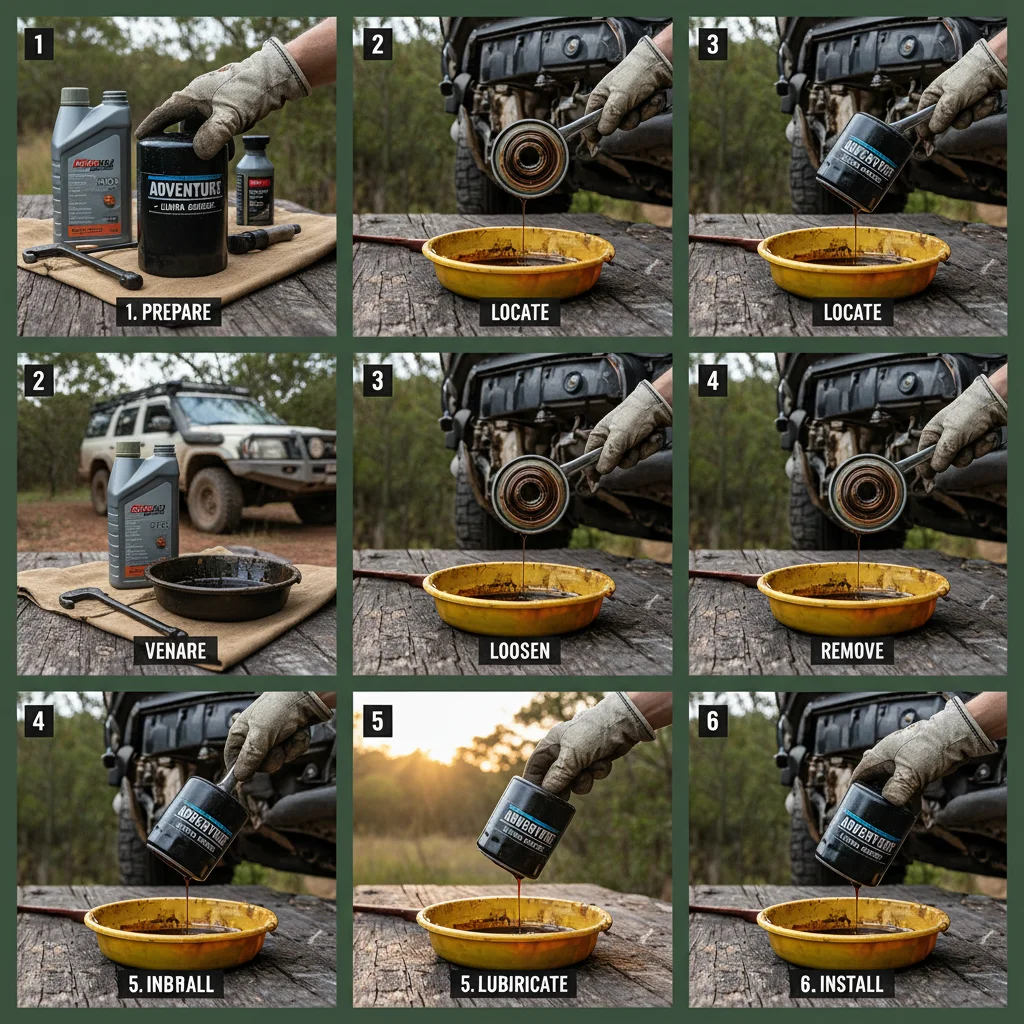
Maintaining a healthy engine requires regular oil changes, and a crucial component of this process is the oil filter. A quality oil filter effectively removes contaminants, ensuring optimal lubrication and extending engine life. This article delves into the world of oil filters, covering types, materials, and factors to consider when selecting the right filter for your needs. We’ll explore how choosing the correct oil filter can save you money and prevent costly engine repairs.

Oil filters come in various types, each designed with specific features and benefits. The most common types include spin-on filters, cartridge filters, and bypass filters. Spin-on filters are the most widely used, offering convenient installation and replacement. Cartridge filters are often found in newer vehicles and require a filter housing. Bypass filters are typically used in heavy-duty applications and provide finer filtration. Choosing the appropriate type depends on your vehicle's specifications and your filtration requirements. Congben Filter offers a comprehensive range of these filter types.
Key Highlights: Spin-on filters are easy to install, cartridge filters offer finer filtration, and bypass filters are ideal for heavy-duty vehicles.
The materials used in an oil filter significantly impact its performance and lifespan. Filter media commonly includes cellulose, synthetic fibers, or a blend of both. Cellulose filters are cost-effective but may have lower filtration efficiency. Synthetic filters offer superior filtration, higher capacity, and longer service intervals. The filter housing is typically made from steel or aluminum. A robust housing ensures structural integrity and prevents filter collapse under pressure. Congben Filter utilizes high-quality materials in all of its products.
Filtration Material Benefits:
• Cellulose: Cost-effective, widely available
• Synthetic: Superior filtration, longer lifespan
• Blend: Combines benefits of both materials
The market offers numerous oil filter brands, each with its strengths and weaknesses. Factors to consider include filtration efficiency, capacity, durability, and price. Popular brands like Bosch, Mobil 1, and Congben Filter are known for their quality and reliability. However, it's crucial to research and compare different options based on your specific vehicle and driving conditions.
Selecting the correct oil filter is vital for maintaining engine health. Consider your vehicle's make and model, the type of oil you use (conventional, synthetic, or blend), and your driving conditions. Consult your vehicle's owner's manual for specific filter recommendations. Using a filter with inadequate filtration capacity or efficiency can lead to increased engine wear and potential damage. Congben Filter provides a comprehensive catalog and expert assistance to help you find the perfect fit for your vehicle.

Regular oil and filter changes are essential for engine longevity. The recommended change interval varies depending on factors such as driving conditions, oil type, and vehicle manufacturer specifications. Generally, a good rule of thumb is to change your oil and filter every 3,000-5,000 miles for conventional oil and every 7,500-10,000 miles for synthetic oil. However, always consult your owner's manual for specific recommendations. Congben Filter offers high-quality filters to ensure optimal performance between changes.
Choosing the right oil filter is a simple yet crucial step in maintaining engine health and preventing costly repairs. By understanding the different types of filters, materials, and change intervals, you can make an informed decision that protects your investment. Congben Filter offers a wide selection of high-quality filters to meet your specific needs. Don't compromise on engine protection – choose Congben Filter.
A full-flow filter directs all of the engine’s oil through the filter media, providing continuous filtration. A bypass filter, on the other hand, filters a smaller portion of the oil, typically after the oil has already passed through the full-flow filter. Bypass filters are designed to remove much finer particles and are often used in heavy-duty applications where exceptionally clean oil is required. They typically have a lower flow rate but significantly enhance filtration efficiency.
While you can use a synthetic oil filter with conventional oil, it's generally not the most cost-effective approach. Synthetic filters are designed to maximize the benefits of synthetic oil, offering superior filtration and extended service intervals. Using a synthetic filter with conventional oil won't harm your engine, but you won't realize the full potential of the filter's capabilities. It’s best to pair synthetic oil with a synthetic filter for optimal performance.
The recommended oil filter change interval typically aligns with your oil change interval. For conventional oil, this is generally every 3,000-5,000 miles. With synthetic oil, you can usually extend the interval to 7,500-10,000 miles or even longer, depending on your vehicle and driving conditions. However, always refer to your vehicle's owner's manual for specific recommendations. It's a good practice to change the filter every time you change the oil.
Several signs may indicate that your oil filter needs to be replaced. These include a drop in oil pressure, a dirty or clogged oil filter, unusual engine noises, and a decrease in engine performance. Regular oil changes with new filters are the best way to prevent these issues, but being aware of these warning signs can help you address problems before they escalate.
If you are interested in our products, you can choose to leave your information here, and we will be in touch with you shortly.