oil filters
Comprehensive Guide to Choosing the Right Car Oil Filters for Engine Protection

Comprehensive Guide to Choosing the Right Car Oil Filters for Engine Protection

Choosing the Right Car Oil Filters: A Comprehensive Guide

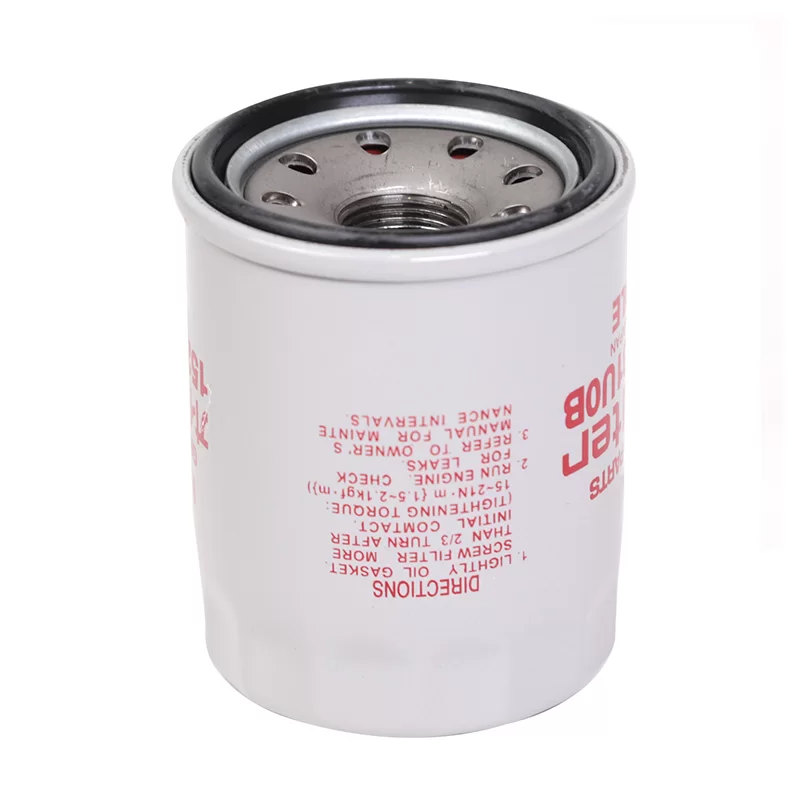
Maintaining optimal engine performance requires regular oil changes and, crucially, the use of high-quality car oil filters. These filters are vital for removing contaminants from your engine oil, protecting critical components from wear and tear, and ensuring a long engine life. This article will delve into the importance of car oil filters, different types available, how to choose the right one for your vehicle, and why choosing a trusted supplier like Congben Filter is essential. Proper oil filtration is the cornerstone of preventative engine maintenance.

car oil filters

Why Are Car Oil Filters So Important?

Engine oil is responsible for lubricating moving parts, reducing friction, and carrying away heat. As the oil circulates, it picks up dirt, debris, metal particles, and combustion byproducts. Without a quality car oil filter, these contaminants would circulate throughout the engine, causing abrasive wear and ultimately leading to engine failure. A clogged or ineffective oil filter can significantly reduce oil flow, starving critical engine parts of lubrication. Regularly replacing your oil filter with each oil change is a relatively inexpensive preventative measure that can save you thousands of dollars in potential engine repairs.

Key Benefits: Protecting your engine from wear and tear, prolonging engine life, maintaining optimal engine performance, and reducing the risk of costly repairs.

Types of Car Oil Filters

There are several types of car oil filters available, each with its own advantages and disadvantages. The most common types include:

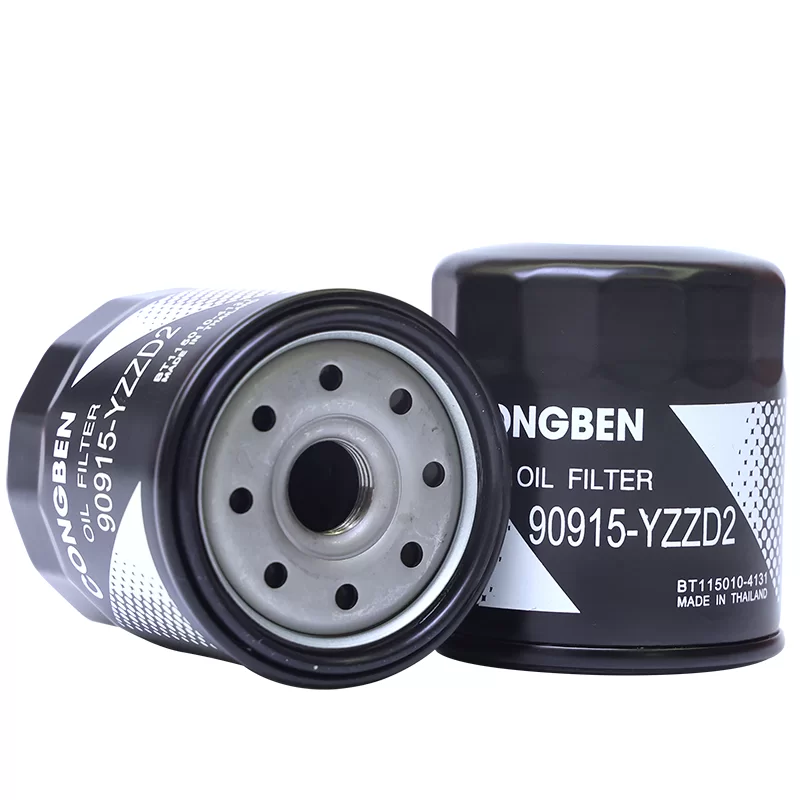
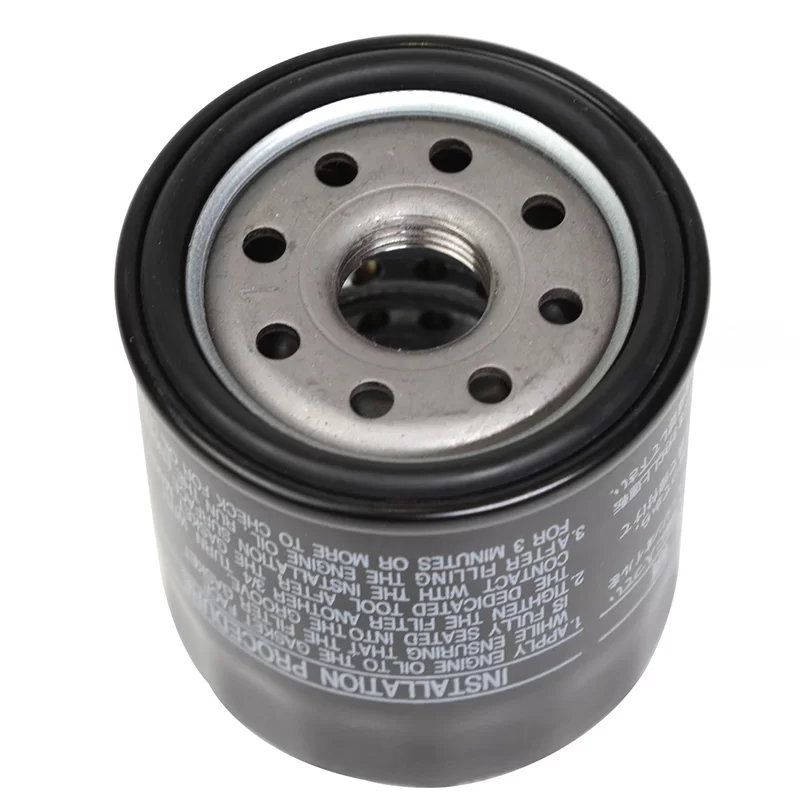
  • Spin-On Filters: These are the most widely used type, featuring a self-contained housing and filter element. They are easy to install and replace.
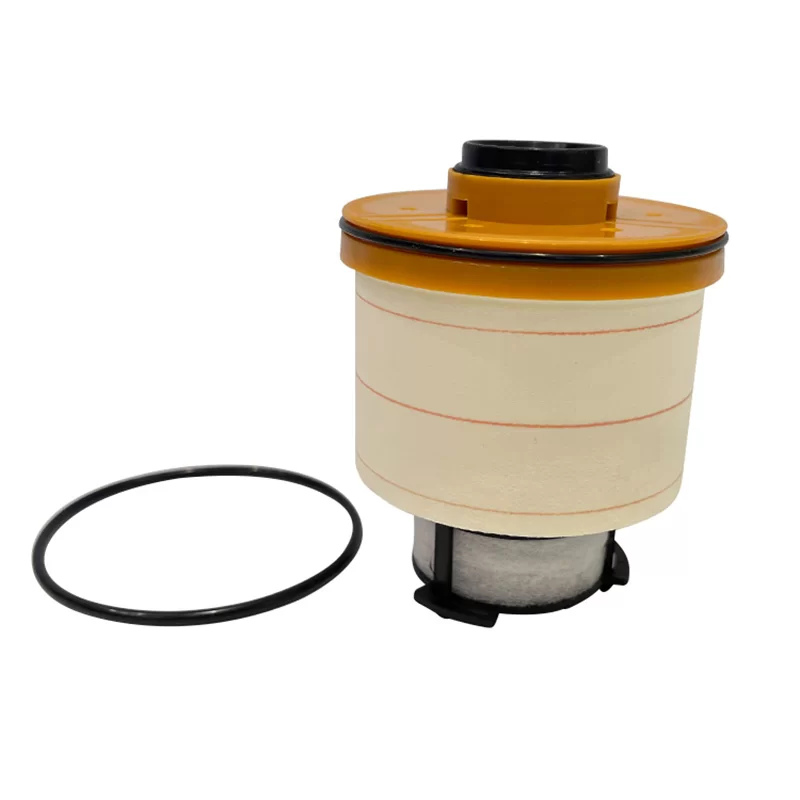
  • Cartridge Filters: These filters consist of a replaceable filter element housed within a permanent filter housing. They are becoming increasingly common in modern vehicles.
  • Bypass Filters: These filters are designed to filter oil that bypasses the main filter, removing even finer particles. They are often used in heavy-duty applications.

Choosing the right type of oil filter depends on your vehicle's make and model, as well as your driving conditions.

Filter Material Comparison:

Cellulose: Cost-effective, standard filtration.

Synthetic Blend: Improved filtration and durability.

Full Synthetic: Superior filtration, longer life, ideal for demanding conditions.

Choosing the Right Car Oil Filter for Your Vehicle

Selecting the correct oil filter is crucial for optimal engine protection. Here's what to consider:

  • Vehicle Manufacturer's Recommendations: Always refer to your vehicle's owner's manual for the recommended oil filter specifications.
  • Filter Capacity: Choose a filter with sufficient capacity to handle the oil flow rate of your engine.
  • Filtration Efficiency: Look for filters with a high filtration efficiency rating, measured in microns. A lower micron rating indicates finer filtration.
  • Filter Material: Consider the filter material based on your driving conditions. Synthetic filters offer superior performance and durability for demanding applications.

Using the wrong oil filter can compromise engine protection and potentially lead to damage.

Filter Feature Standard Filter Premium Filter (Congben)
Filtration Efficiency (Microns) 20-25 10-15
Filter Media Cellulose Synthetic Blend/Full Synthetic
Capacity (Oil Flow Rate) Standard High Capacity
Durability Moderate Excellent

Why Choose Congben Filter?

At Congben Filter, we specialize in manufacturing high-quality car oil filters designed to deliver exceptional performance and engine protection. We use premium materials, advanced filtration technology, and rigorous quality control processes to ensure our filters meet or exceed industry standards. We offer a wide range of filters to fit virtually any vehicle make and model. We are committed to providing our customers with reliable products, competitive pricing, and excellent customer service.

car oil filters

Conclusion: Invest in Engine Protection with Congben

Investing in the longevity of your engine is a smart decision, and a high-quality car oil filter is the first line of defense. Choose Congben Filter for reliable performance, superior protection, and peace of mind.

Don't compromise on engine health - choose the best with Congben Filter.

Frequently Asked Questions (FAQs)

How often should I change my car oil filter?

Generally, you should change your car oil filter with every oil change. Most manufacturers recommend an oil change every 3,000 to 5,000 miles for conventional oil, and every 7,500 to 10,000 miles for synthetic oil. However, it's best to consult your vehicle's owner's manual for specific recommendations based on your driving conditions. Severe driving conditions (e.g., frequent stop-and-go traffic, towing, extreme temperatures) may require more frequent oil and filter changes. Using a high-quality Congben oil filter extends the protection between changes.

What happens if I don't change my oil filter?

Failing to change your oil filter can lead to a buildup of contaminants in your engine oil. This can cause increased friction, wear, and tear on engine components, reduced engine performance, and ultimately, engine failure. A clogged oil filter can also restrict oil flow, potentially causing severe engine damage. Regular oil and filter changes are a vital part of preventative maintenance.

Are synthetic oil filters better than conventional filters?

Synthetic oil filters generally offer superior filtration efficiency, greater dirt-holding capacity, and longer service life compared to conventional filters. They are particularly beneficial for vehicles using synthetic oil and those operating in demanding conditions. Congben Filter offers both synthetic blend and full synthetic oil filters to meet your specific needs. While synthetic filters may have a higher initial cost, their extended lifespan and improved performance often make them a more cost-effective choice in the long run.

If you are interested in our products, you can choose to leave your information here, and we will be in touch with you shortly.