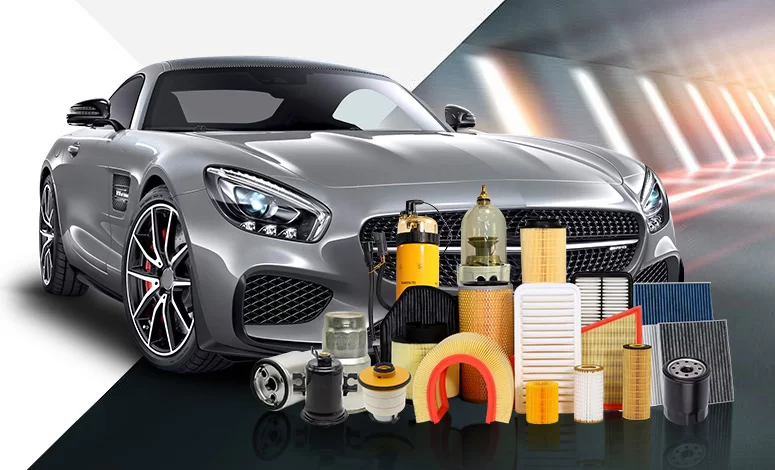
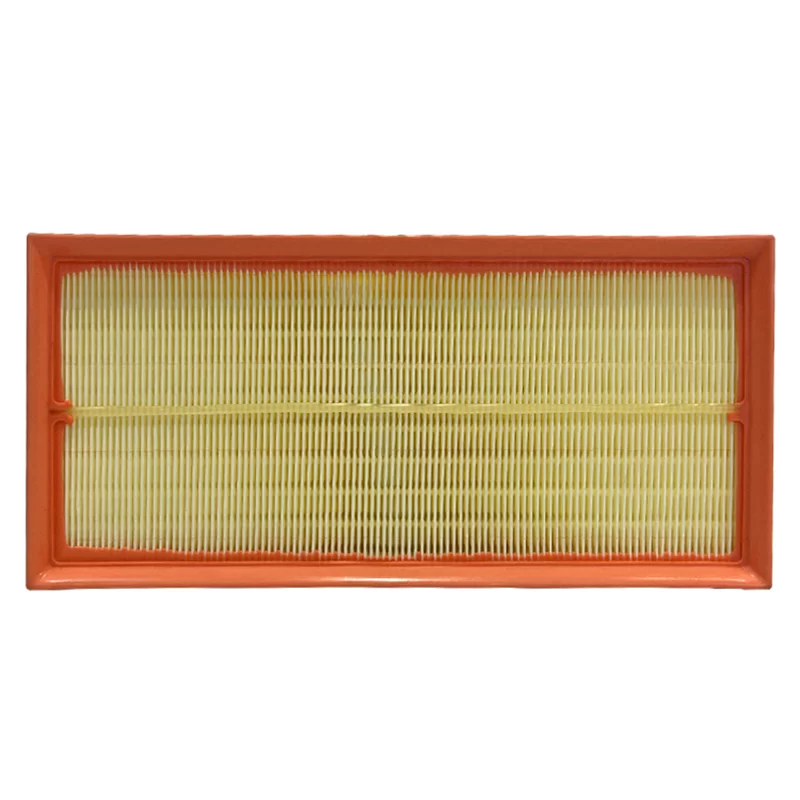
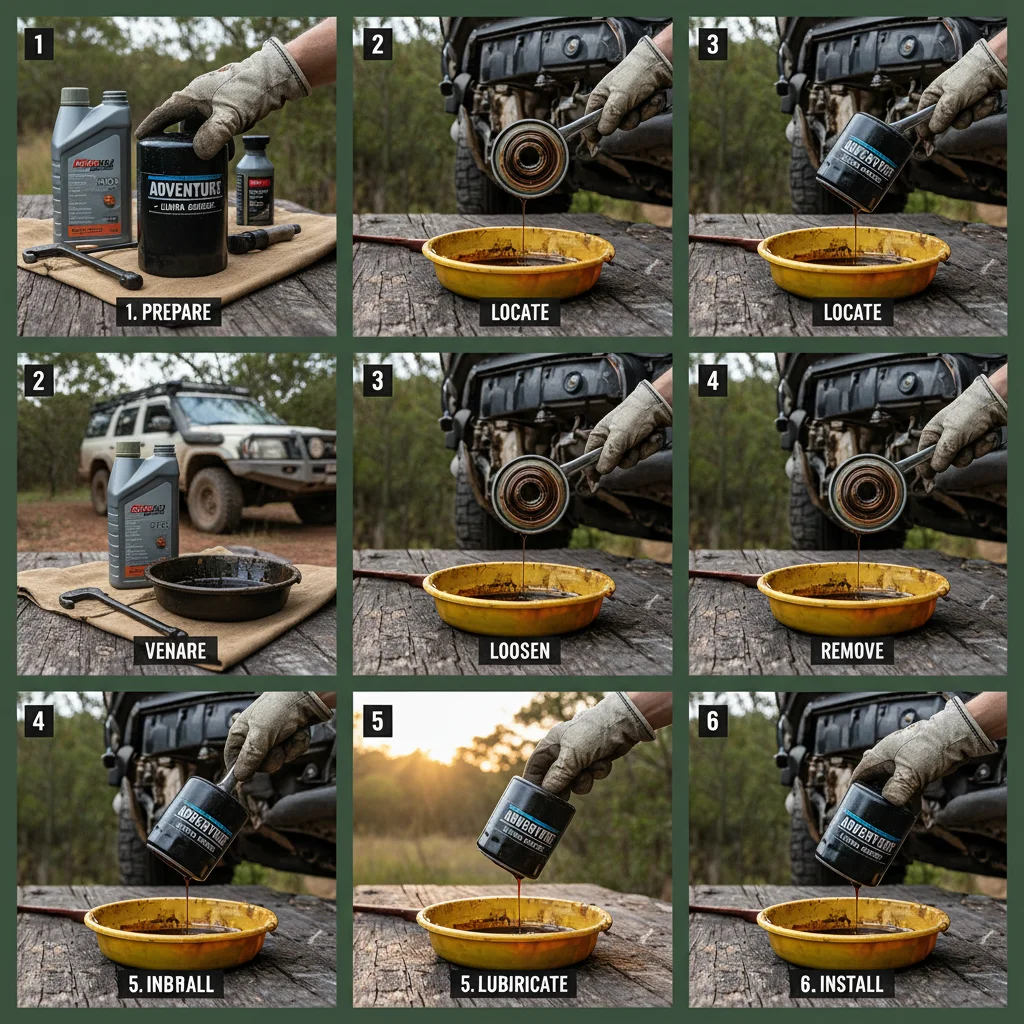
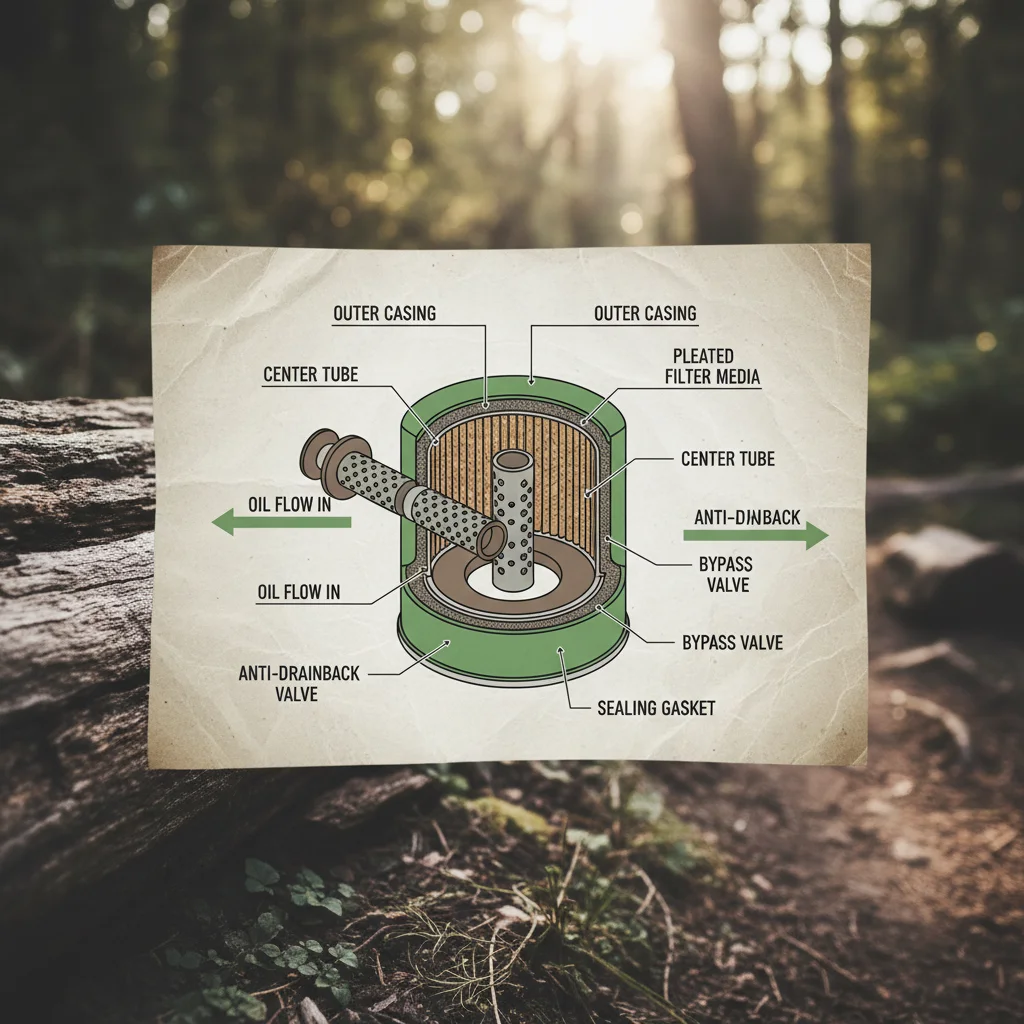
Maintaining a healthy engine requires consistent attention to detail, and one of the most crucial aspects of that is selecting the right auto engine oil filter. These filters are vital for removing contaminants that can cause wear and tear, ultimately affecting your vehicle’s performance and longevity. This article delves into the world of oil filters, covering the types, key features, and how to choose the best one for your specific needs. A quality oil filter can significantly extend your engine's life and save you costly repairs down the road.

There are several types of auto engine oil filters available, each with its own advantages and disadvantages. Spin-on filters are the most common type, easy to install and replace. Cartridge filters are becoming increasingly popular, often found in newer vehicles and known for their environmentally friendly design as they contain less metal. Bypass filters offer finer filtration but typically have a lower flow rate. Choosing the right type depends on your vehicle’s specifications and your personal preferences. Understanding these differences allows you to make an informed decision for optimal engine protection.
Key Highlights: Spin-on filters are the most common, cartridge filters are environmentally friendly, and bypass filters offer finer filtration.
When selecting an auto engine oil filter, several key features should be considered. Filtration efficiency is paramount, measured in microns – a lower micron rating indicates finer filtration. Filter capacity determines how much dirt the filter can hold before becoming clogged. Construction quality, including the materials used in the filter media and housing, plays a crucial role in durability and performance. Finally, ensure the filter meets the specifications recommended by your vehicle manufacturer. These features contribute directly to the filter’s ability to protect your engine from harmful contaminants.
Filtration Efficiency Factors:
• Lower Micron Rating = Finer Filtration
• Higher Filter Capacity = Longer Intervals Between Changes
• Quality Materials = Increased Durability
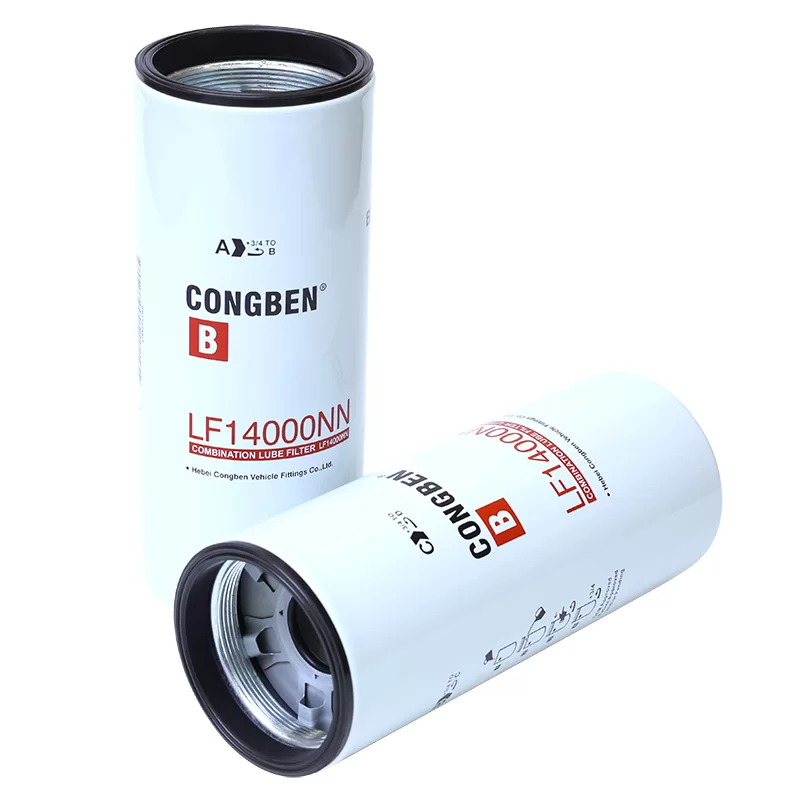
Numerous brands offer auto engine oil filters, each with varying features and price points. Congben Filter is renowned for its high-quality filtration media and durable construction. Bosch filters are known for their advanced technology and precise engineering. Mobil 1 offers filters designed for extended oil change intervals. Choosing the right brand requires considering your budget, vehicle requirements, and desired level of protection.
Regularly changing your auto engine oil filter is crucial for maintaining engine health. As the filter becomes clogged with contaminants, oil flow is restricted, potentially leading to increased engine wear and reduced performance. Most manufacturers recommend changing the oil filter with every oil change, typically every 3,000 to 7,500 miles, depending on driving conditions and oil type. Adhering to this schedule ensures optimal engine protection and longevity.

Selecting the correct auto engine oil filter for your vehicle is essential. Consult your vehicle’s owner’s manual to determine the recommended filter type and specifications. Consider your driving habits – severe driving conditions (e.g., stop-and-go traffic, towing) may necessitate more frequent filter changes. Prioritize filters from reputable brands known for quality and performance. Finally, ensure the filter is compatible with the oil type you are using. Taking these steps will ensure your engine receives the protection it deserves.
Investing in a high-quality auto engine oil filter is a small price to pay for the long-term health of your engine. By understanding the different types of filters, key features, and the importance of regular maintenance, you can ensure optimal engine performance and prevent costly repairs. Choose wisely, and drive with confidence!
Generally, you should change your oil filter with every oil change. This typically falls between 3,000 and 7,500 miles, but it’s best to consult your vehicle's owner's manual for specific recommendations. Severe driving conditions, like frequent stop-and-go traffic, towing, or driving in dusty environments, may require more frequent changes. Ignoring this maintenance can lead to reduced engine performance and potential damage. Using a high-quality filter like those offered by Congben Filter can help maintain optimal engine health.
Failing to change your oil filter can lead to a number of problems. As the filter becomes clogged with dirt and debris, it restricts oil flow to the engine, causing increased wear and tear on critical components. This can result in reduced engine performance, decreased fuel efficiency, and ultimately, engine failure. A clogged filter can also bypass contaminants, leading to premature engine damage. Regular filter changes are a preventative measure that can save you significant repair costs down the road.
While cheaper oil filters may seem appealing, they often lack the filtration efficiency and durability of higher-quality filters. They may use lower-grade filter media and construction materials, resulting in reduced protection for your engine. Investing in a reputable brand like Congben Filter ensures optimal filtration and long-lasting performance, ultimately saving you money in the long run by preventing engine damage.
Several symptoms can indicate a clogged oil filter. These include a decrease in oil pressure, a rattling noise from the engine, and reduced engine performance. You may also notice that your oil changes are becoming dirty more quickly. If you experience any of these symptoms, it's important to replace your oil filter immediately. Regularly checking your oil level and condition can also help you identify potential problems early on.
If you are interested in our products, you can choose to leave your information here, and we will be in touch with you shortly.