Maintaining a vehicle's engine requires attention to detail, and few components are as critical yet overlooked as the auto parts oil filter. Acting as the primary defense mechanism for your engine, this component ensures that lubricants remain free from contaminants, preventing premature wear and costly breakdowns. Whether you are a professional mechanic or a vehicle owner, understanding the nuances of oil filtration can significantly extend the lifespan of your engine. In this comprehensive guide, we will explore the technicalities, types, and maintenance tips for high-quality oil filters to keep your vehicle running at peak performance.

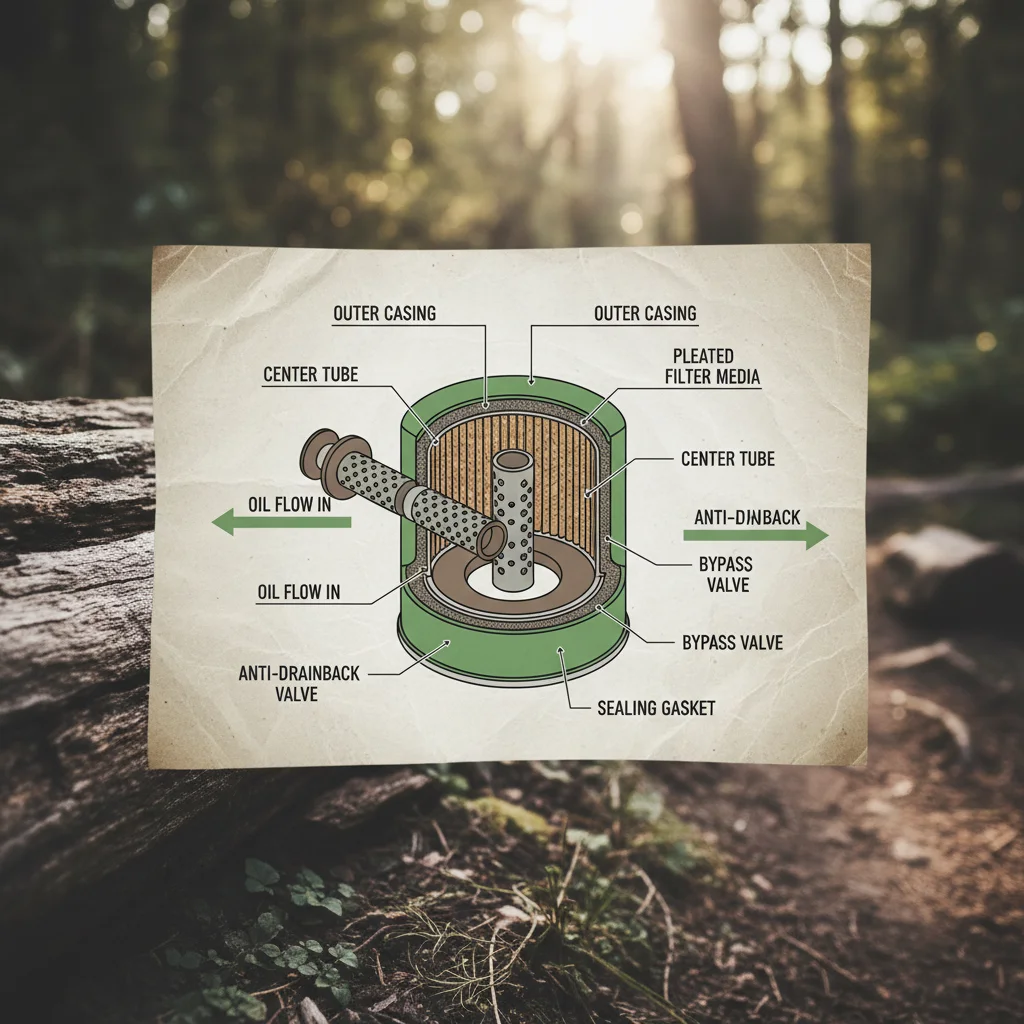
The primary function of an auto parts oil filter is to remove impurities from the engine oil before it circulates through the engine's critical components. As oil lubricates the engine, it naturally collects carbon deposits, metal shavings, and dust. Without an effective filter, these microscopic particles would act like sandpaper, grinding down pistons, bearings, and cylinder walls. Modern filters use a combination of synthetic fibers and cellulose to trap these particles while allowing the clean oil to flow freely. By maintaining oil purity, you reduce friction and prevent the formation of sludge, which is essential for engine longevity.
Pro Tip: Always check for the "anti-drainback valve" in your filter. This ensures that oil doesn't drain out of the filter when the engine is off, preventing "dry starts" that cause significant wear on the first few seconds of ignition.
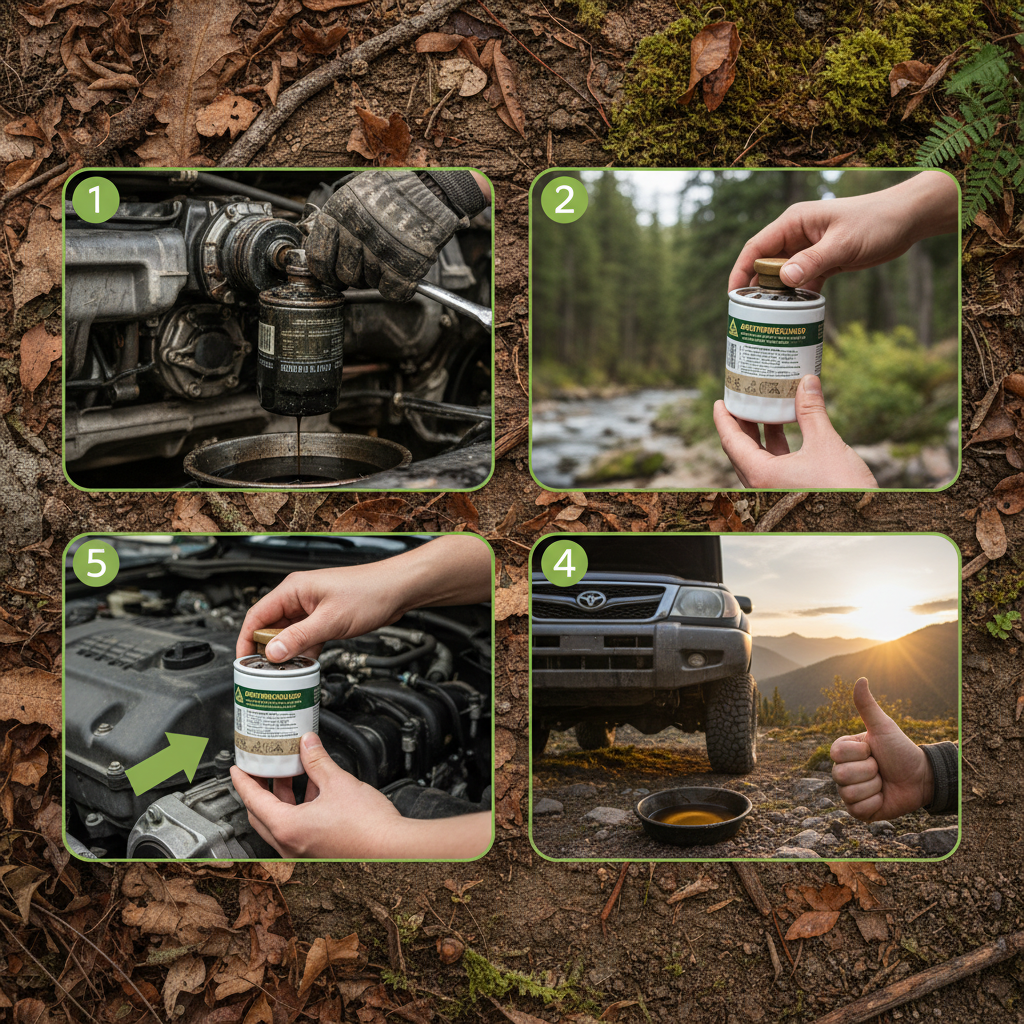
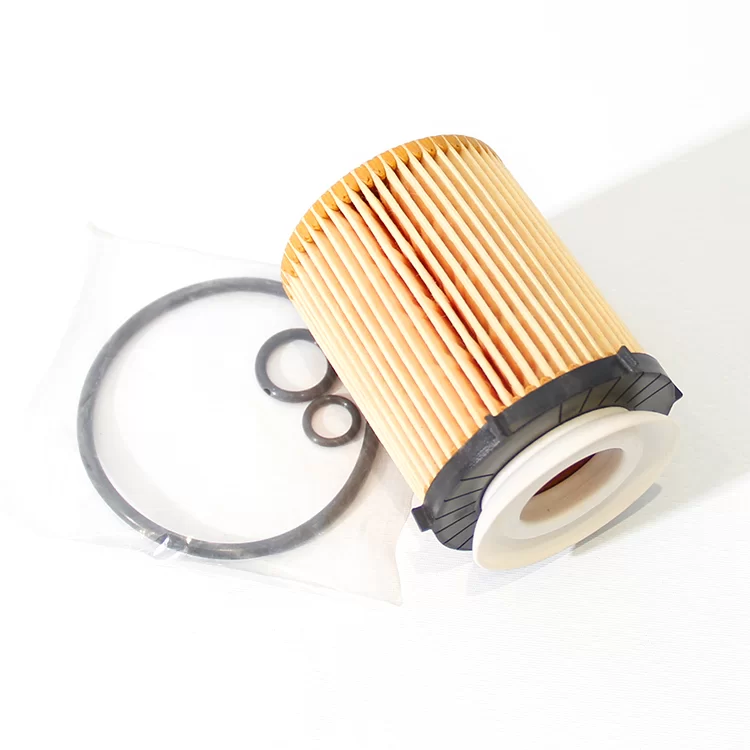
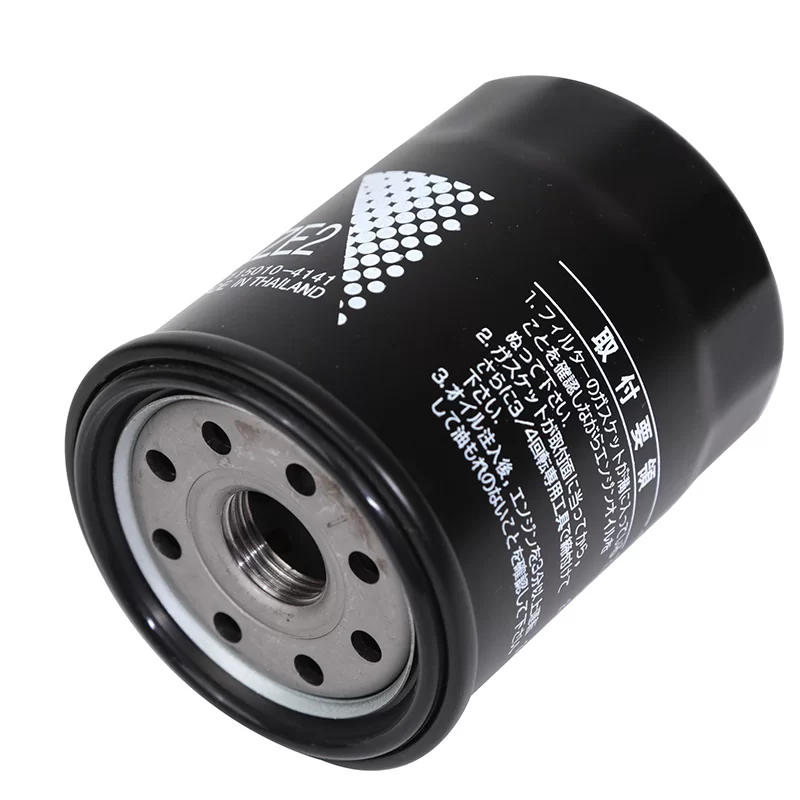
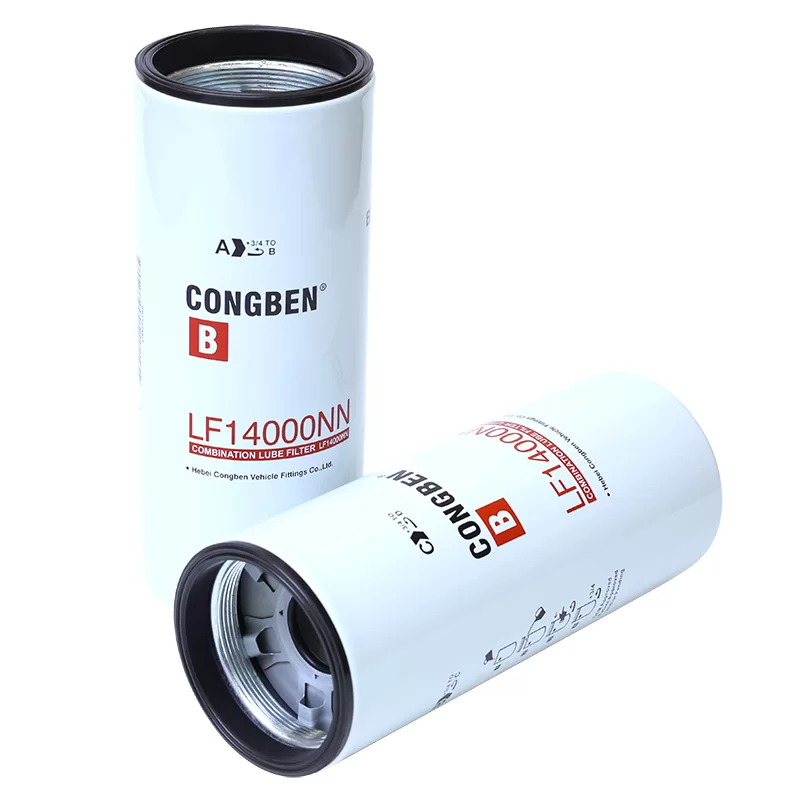
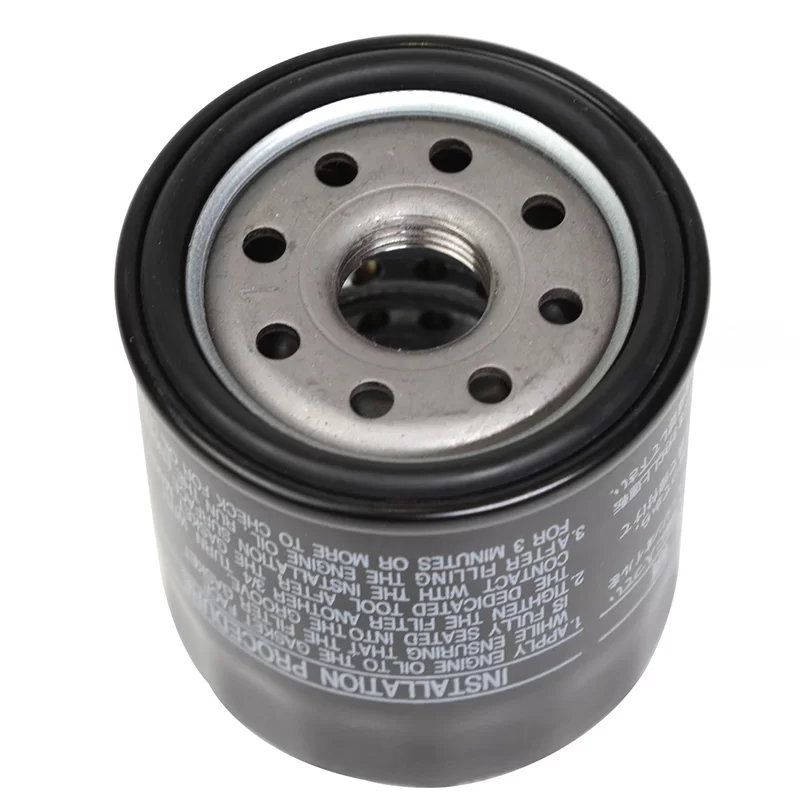
Depending on the vehicle make and model, you will encounter different designs of the auto parts oil filter. The most common is the spin-on filter, which comes as a complete metal canister that is easily replaced. On the other hand, many modern European cars use cartridge filters, where only the internal filtering element is replaced, and the outer housing remains on the vehicle. Each design has its advantages: spin-ons are faster to install, while cartridges are more environmentally friendly as they produce less metal waste. Choosing the correct type is essential for a proper seal and leak-free operation.
Comparison Overview:
• Spin-on: All-in-one unit, quick replacement, widely used in American/Asian cars.
• Cartridge: Replaceable element only, eco-friendly, common in high-end luxury vehicles.
• Synthetic: Advanced media for longer intervals and higher filtration efficiency.
When browsing for an auto parts oil filter, the material of the filtration media is the most significant factor in performance. Conventional filters typically use cellulose (paper), which is cost-effective but can degrade over time. Synthetic filters utilize man-made fibers that are stronger and can capture smaller particles more effectively. For drivers using synthetic oil and extending their oil change intervals, a synthetic filter is non-negotiable. The following table highlights the key differences to help you make an informed decision.
While most manufacturers recommend changing the filter during every oil change, some signs indicate that your auto parts oil filter may be clogged or failing prematurely. A common symptom is an increase in engine noise, particularly clicking or knocking sounds, which suggest that oil isn't reaching the top of the engine quickly enough. Additionally, if you notice a drop in oil pressure on your dashboard gauge, it could be a sign that the filter is so clogged that the bypass valve has opened, allowing unfiltered oil to circulate. Regular inspections are the best way to ensure your engine remains healthy.

For B2B buyers and automotive distributors, the technical specifications of an auto parts oil filter are paramount. Quality filters are tested for micron ratings (the size of the particle they can trap), flow rates, and burst pressure. A professional-grade filter must balance high efficiency (trapping more dirt) with low restriction (allowing oil to flow without excessive pressure drop). Below are the standard specifications typically found in high-performance automotive filtration systems.
Choosing the right auto parts oil filter is one of the simplest yet most effective ways to protect your vehicle's heart. From selecting synthetic media for extended intervals to ensuring the filter meets precise technical standards, every choice impacts your engine's health. By investing in premium filtration solutions, you not only avoid costly repairs but also improve fuel efficiency and overall vehicle performance. Trust in professional-grade filters to keep your engine clean and your journeys smooth.
Using a low-quality oil filter with high-end synthetic oil is generally counterproductive. Synthetic oils are designed to last much longer (often 10,000 to 15,000 miles), but conventional cellulose filters cannot handle that duration. They may clog or physically degrade before the oil does, forcing the engine to use the bypass valve. This means your engine will be circulating unfiltered oil for thousands of miles, defeating the purpose of the expensive oil. For the best results, always pair synthetic oil with a high-efficiency synthetic auto parts oil filter.
Most modern filters are equipped with a pressure-relief bypass valve. If the filter becomes completely clogged, the pressure builds up until this valve opens, allowing oil to bypass the filtration media and flow directly into the engine. While this prevents the engine from seizing due to a total lack of oil, it means the engine is now being lubricated by "dirty" oil containing contaminants. Over time, this leads to accelerated wear on internal components. This is why adhering to a strict replacement schedule for your auto parts oil filter is critical.
The general rule of thumb is to replace the oil filter every time you change your oil. For conventional oil, this is typically every 3,000 to 5,000 miles. For synthetic oil, it may be every 7,500 to 15,000 miles. However, if you frequently drive in "severe conditions"—such as extreme heat, cold, heavy towing, or dusty roads—you should replace your auto parts oil filter more frequently. Always consult your vehicle's owner manual for the manufacturer's specific recommendations to ensure optimal engine protection.
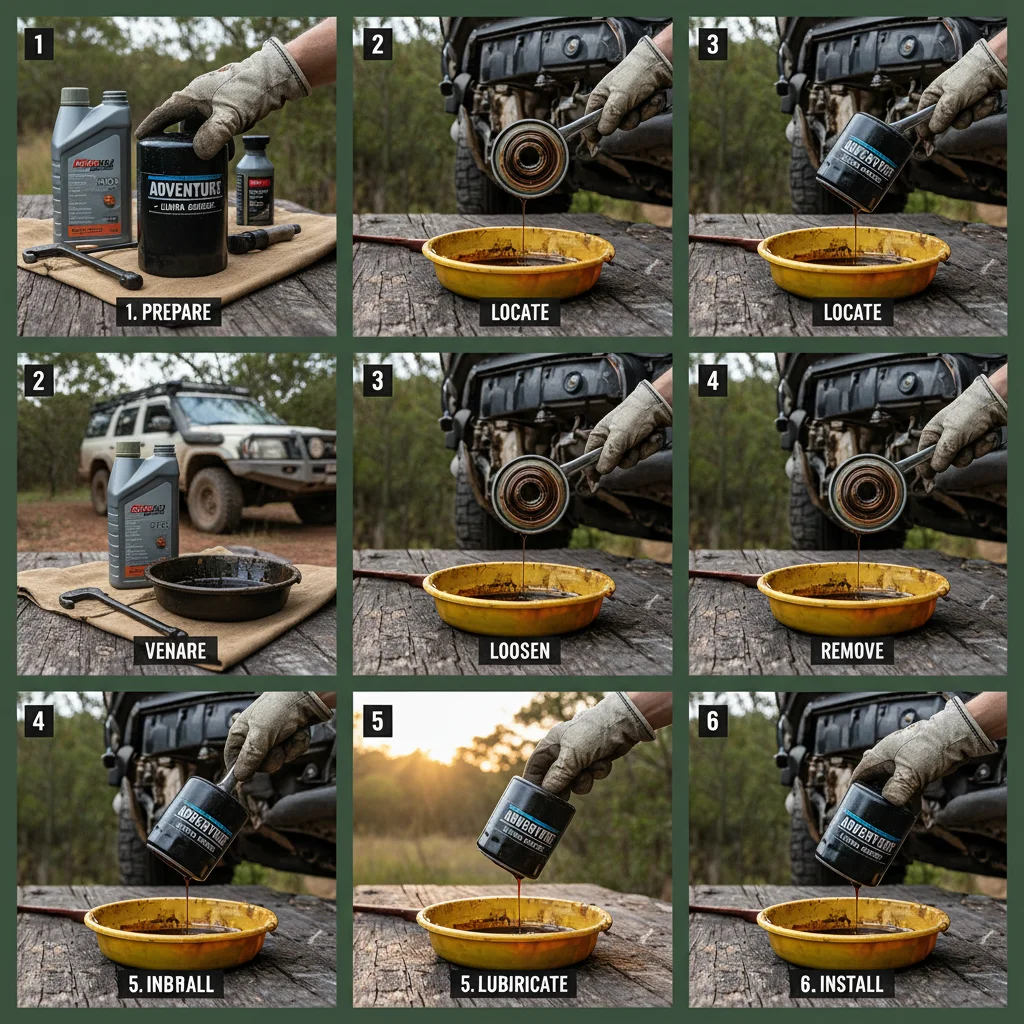
Yes, over-tightening a spin-on filter is a common mistake. Tightening too hard can crush the rubber gasket, leading to oil leaks, or worse, strip the threads on the engine block. Most manufacturers recommend tightening the filter by hand until the gasket makes contact, and then giving it another 3/4 to 1 full turn. Using a wrench to tighten the filter is usually unnecessary and risky. If you over-tighten it, you may find it nearly impossible to remove during the next service, potentially requiring specialized tools or causing damage to the mounting surface.
If you are interested in our products, you can choose to leave your information here, and we will be in touch with you shortly.