oil filters
Ultimate Guide to Choosing the Best Auto Oil Filtre for Engines

Ultimate Guide to Choosing the Best Auto Oil Filtre for Engines

The Ultimate Guide to Choosing the Right Auto Oil Filtre

Maintaining an engine's longevity requires more than just regular oil changes; it demands a high-quality auto oil filtre to keep contaminants at bay. As the primary line of defense for your vehicle's internal components, an oil filter removes harmful debris, sludge, and metallic particles that can cause premature engine wear. Whether you are a fleet manager or a car enthusiast, understanding the nuances of filtration efficiency is key to optimizing performance. In this guide, we will explore the critical role of oil filtration and how to select the best components for your specific automotive needs.

auto oil filtre

How an Auto Oil Filtre Protects Your Engine

The primary function of an auto oil filtre is to clean the engine oil before it circulates through the engine block. During combustion, microscopic carbon deposits and tiny metal shavings are created. Without effective filtration, these particles act like sandpaper, grinding down bearings and cylinder walls. A premium filter utilizes a specialized medium—often a blend of cellulose and synthetic fibers—to trap these impurities while allowing clean oil to flow freely. By ensuring the oil remains pure, the filter helps maintain proper lubrication and cooling, which directly translates to better fuel efficiency and a longer engine lifespan.

Pro Tip: Always check for a "bypass valve" in your filter. This safety feature ensures that if the filter becomes completely clogged, oil can still reach the engine to prevent total catastrophic failure.

Types of Auto Oil Filtre Media: Synthetic vs. Conventional

Not all filters are created equal. The internal medium determines how much dirt the auto oil filtre can hold and how efficiently it removes particles. Conventional filters typically use cellulose (paper), which is cost-effective but can degrade over long intervals. In contrast, synthetic media offers a tighter weave and higher durability, making it ideal for long-drain intervals and high-performance engines. Choosing the right medium depends on your driving habits—city stop-and-go traffic puts more stress on the filter than highway cruising.

Feature Cellulose (Standard) Synthetic Blend (Premium)
Filtration Efficiency Moderate High/Superior
Durability Standard Extended Life
Cost Low Moderate to High
Recommended Use Standard Oil Intervals Full Synthetic Oil/High Performance

Signs Your Auto Oil Filtre Needs Replacement

Identifying when to change your auto oil filtre is critical to preventing engine failure. While most manufacturers suggest changes every 5,000 to 10,000 miles, certain warning signs should prompt an immediate check. Dark, gritty oil during a dipstick check often indicates a saturated filter. Furthermore, an increase in engine noise, such as ticking or knocking, can suggest that oil flow is restricted due to a clogged filter. If you notice a sudden drop in oil pressure on your dashboard gauge, the filter may be bypassing or completely blocked. Regular inspections ensure that your vehicle operates at peak efficiency without unexpected breakdowns.

auto oil filtre

Comparing Spin-On vs. Cartridge Auto Oil Filtre Designs

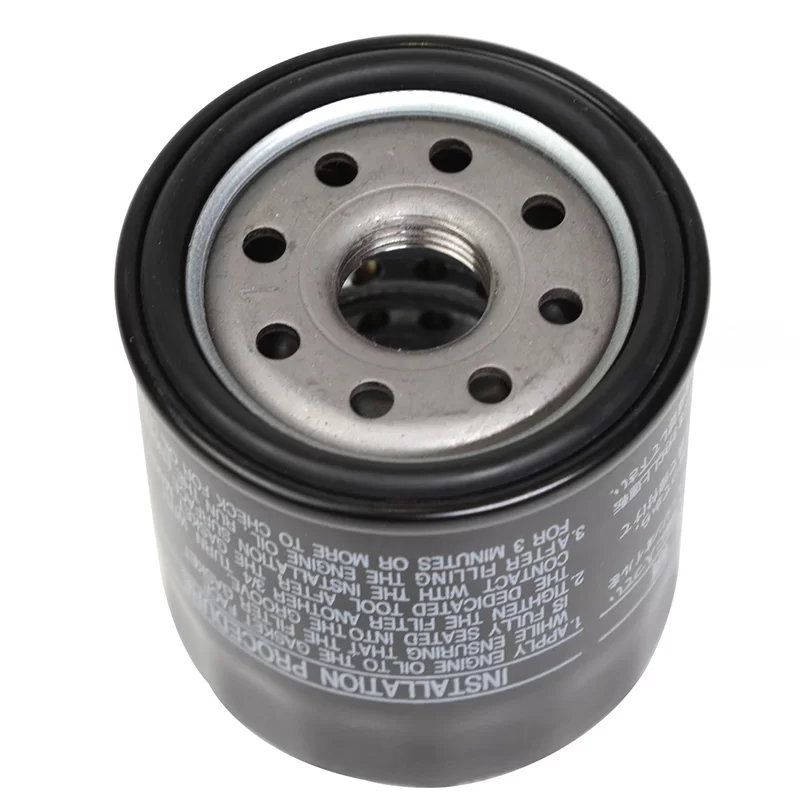
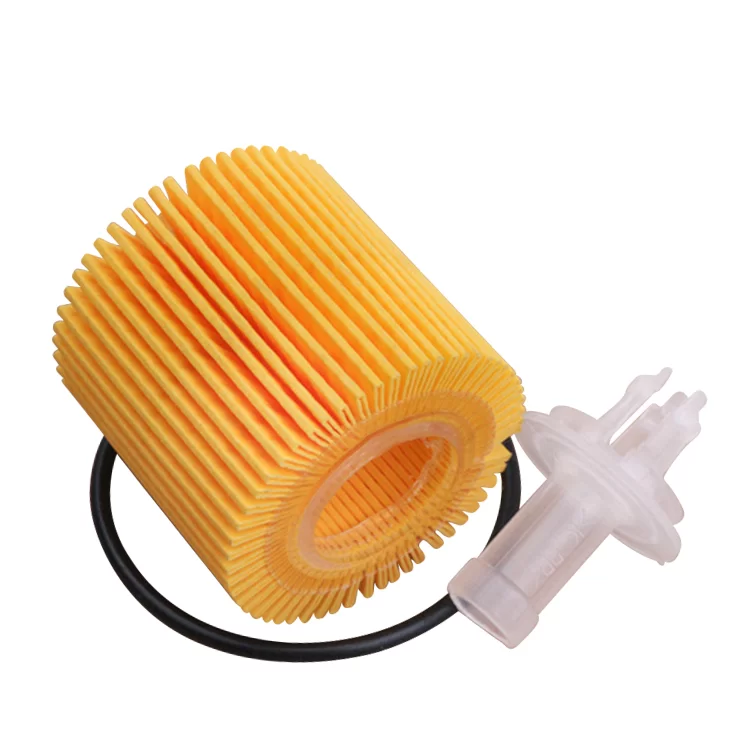
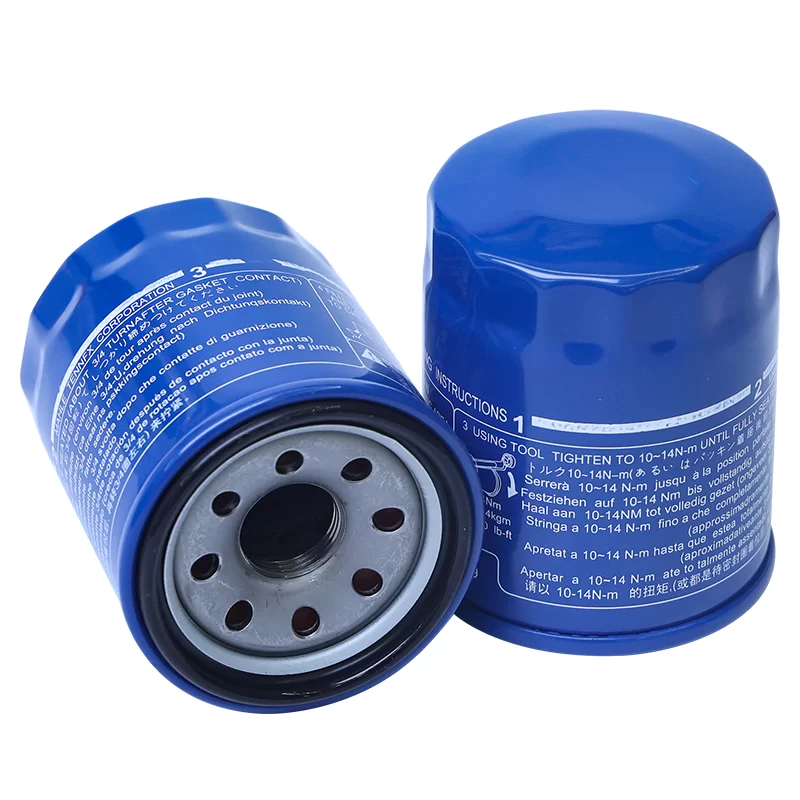
Modern vehicles use two primary designs for their filtration systems. The Spin-On filter is a self-contained metal canister that is simply unscrewed and replaced. It is favored for its ease of installation and minimal mess. The Cartridge filter, however, consists of a replaceable element that fits into a permanent housing. While slightly more complex to change, cartridge filters are more environmentally friendly as they reduce metal waste. When selecting your auto oil filtre, always match the design specified by your vehicle's OEM manual to ensure a leak-proof seal.

Specification Spin-On Type Cartridge Type
Installation Ease Very Easy Moderate
Environmental Impact Higher (Metal Waste) Lower (Element Only)
Leak Risk Low (Gasket Seal) Moderate (O-ring Seal)
Typical Application Older/American Cars Modern European/Asian Cars

Optimizing Engine Life with Premium Filtration

Investing in a premium auto oil filtre pays dividends over the life of the vehicle. High-efficiency filters not only trap smaller particles (measured in microns) but also maintain a stable flow rate even as they fill with debris. This consistency prevents the engine from experiencing "starvation" during cold starts, where oil is thickest and most prone to restriction. By pairing a high-grade filter with a high-quality lubricant, you reduce the friction between moving parts, lower operating temperatures, and ultimately increase the resale value of your vehicle by maintaining a pristine engine interior.

Maintenance Tips for Long-Term Oil Filtration

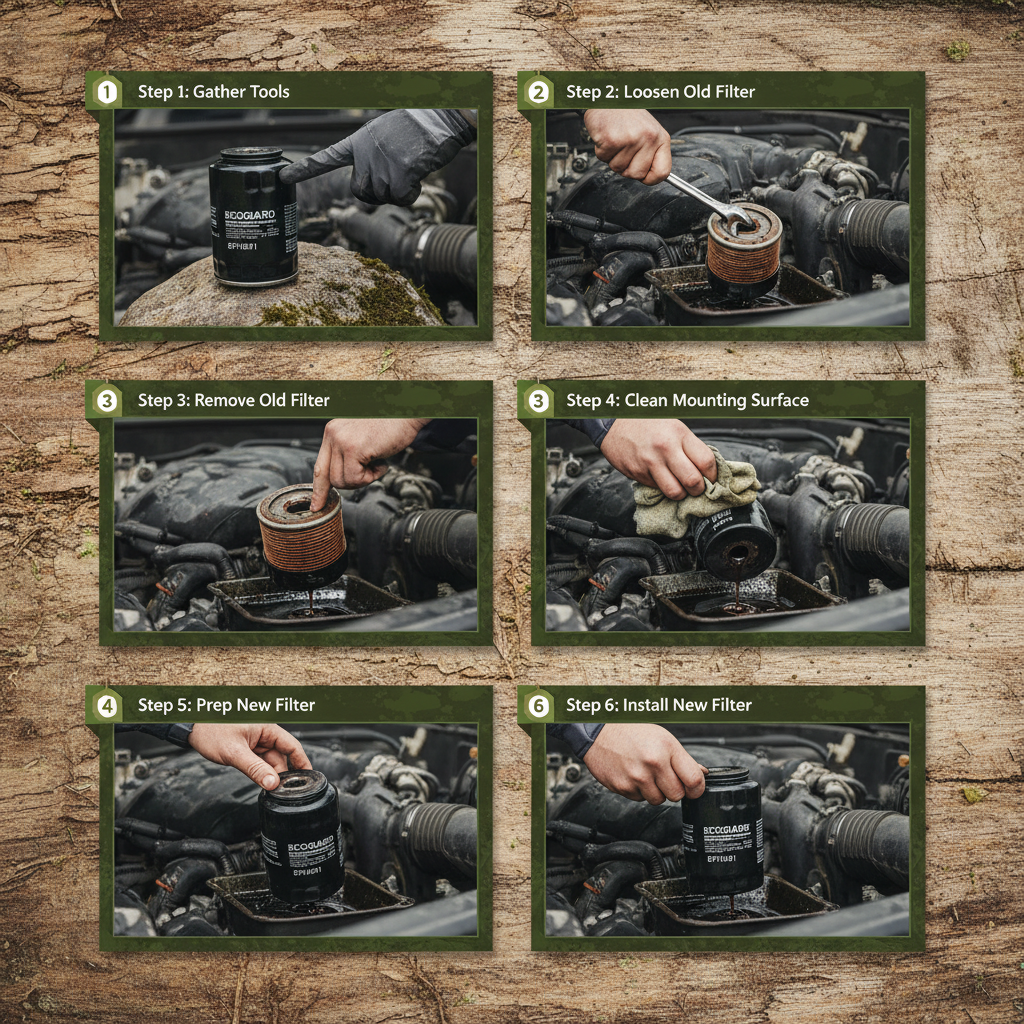
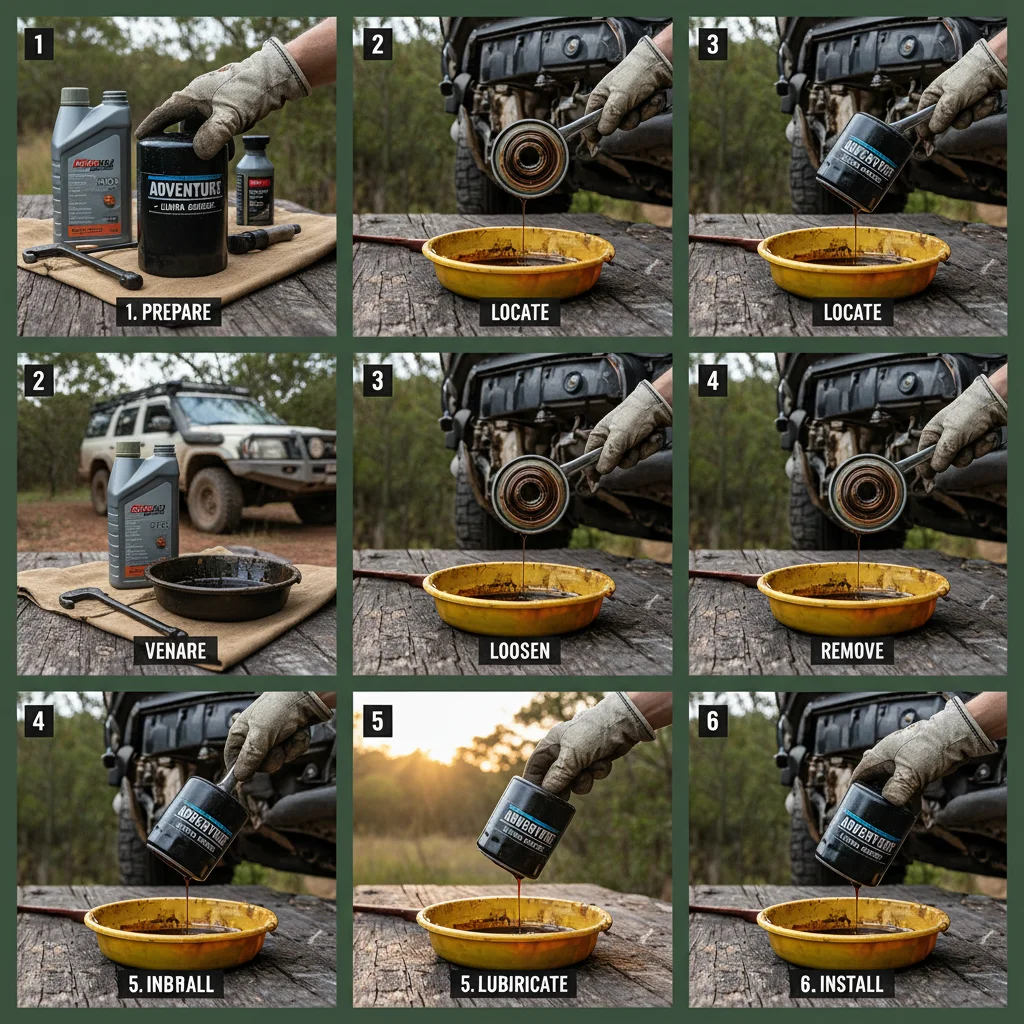
To get the most out of your filtration system, follow a strict maintenance schedule. Firstly, always replace the filter every time you change your oil; using a new oil with an old auto oil filtre allows existing contaminants to pollute the fresh lubricant immediately. Secondly, ensure the gasket is properly lubricated with a thin film of fresh oil before installation to prevent "dry-gasket" leaks. Finally, avoid over-tightening spin-on filters, as this can warp the gasket and cause oil to seep out under pressure. A hand-tight fit followed by a quarter-turn is generally sufficient for a secure seal.

Conclusion: Secure Your Engine's Future

Choosing the right auto oil filtre is one of the simplest yet most impactful decisions a vehicle owner can make. From preventing abrasive wear to ensuring optimal oil flow, the filter is the unsung hero of the internal combustion engine. By selecting high-quality synthetic media and adhering to a consistent replacement schedule, you protect your investment and ensure smooth, reliable performance for years to come. Trust professional filtration solutions to keep your engine running like new.

Frequently Asked Questions (FAQs)

Can I use a generic auto oil filtre instead of an OEM one?

While generic filters are often cheaper, it is crucial to ensure they meet or exceed the Original Equipment Manufacturer (OEM) specifications. A low-quality generic filter may have a lower filtration efficiency or a poorly constructed bypass valve, which could lead to engine damage over time. We recommend using a trusted professional brand that provides certified specifications. If you choose a non-OEM filter, verify that the micron rating and flow capacity match your vehicle's requirements to maintain the factory warranty and engine health.

How often should I really change my oil filter?

The ideal interval depends on the oil type and driving conditions. For traditional mineral oils, every 3,000 to 5,000 miles is standard. For full synthetic oils, you can often go up to 10,000 or 15,000 miles. However, if you engage in "severe" driving—such as frequent short trips, towing heavy loads, or driving in extremely dusty environments—you should change your auto oil filtre more frequently. Always consult your vehicle's owner manual for the baseline recommendation.

What is the difference between a micron rating and efficiency?

The micron rating refers to the size of the particles the filter is designed to trap; for example, a 20-micron filter can stop particles 20 micrometers or larger. Efficiency, on the other hand, is the percentage of those particles that are actually captured. A filter might be rated for 20 microns but only have 90% efficiency, meaning 10% of those particles still pass through. High-end filters offer both a lower micron rating and higher efficiency (e.g., 99%), providing the maximum level of protection for sensitive engine components.

Is it necessary to prime a new oil filter before installation?

Priming (filling the filter with clean oil before installing) is highly recommended, especially for larger spin-on filters. This reduces the time it takes for oil to reach the top of the engine during the first start-up after an oil change, minimizing "dry start" wear. While modern oil pumps are very efficient and can fill a filter quickly, pre-filling provides an extra layer of safety and ensures immediate lubrication to the camshafts and valves, extending the overall life of your engine.

If you are interested in our products, you can choose to leave your information here, and we will be in touch with you shortly.