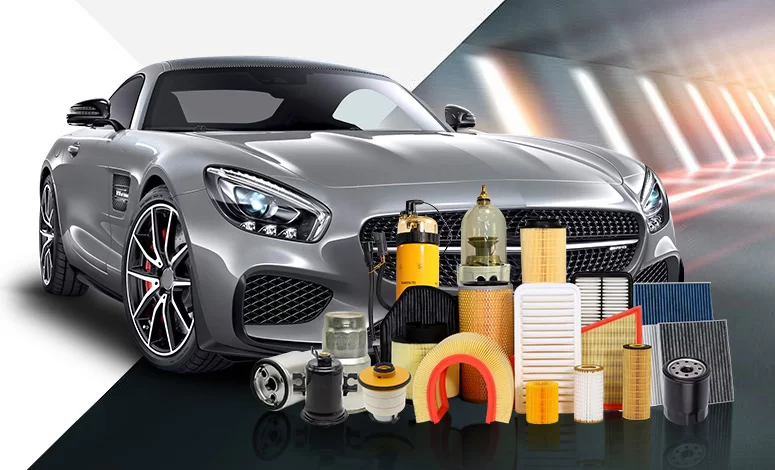
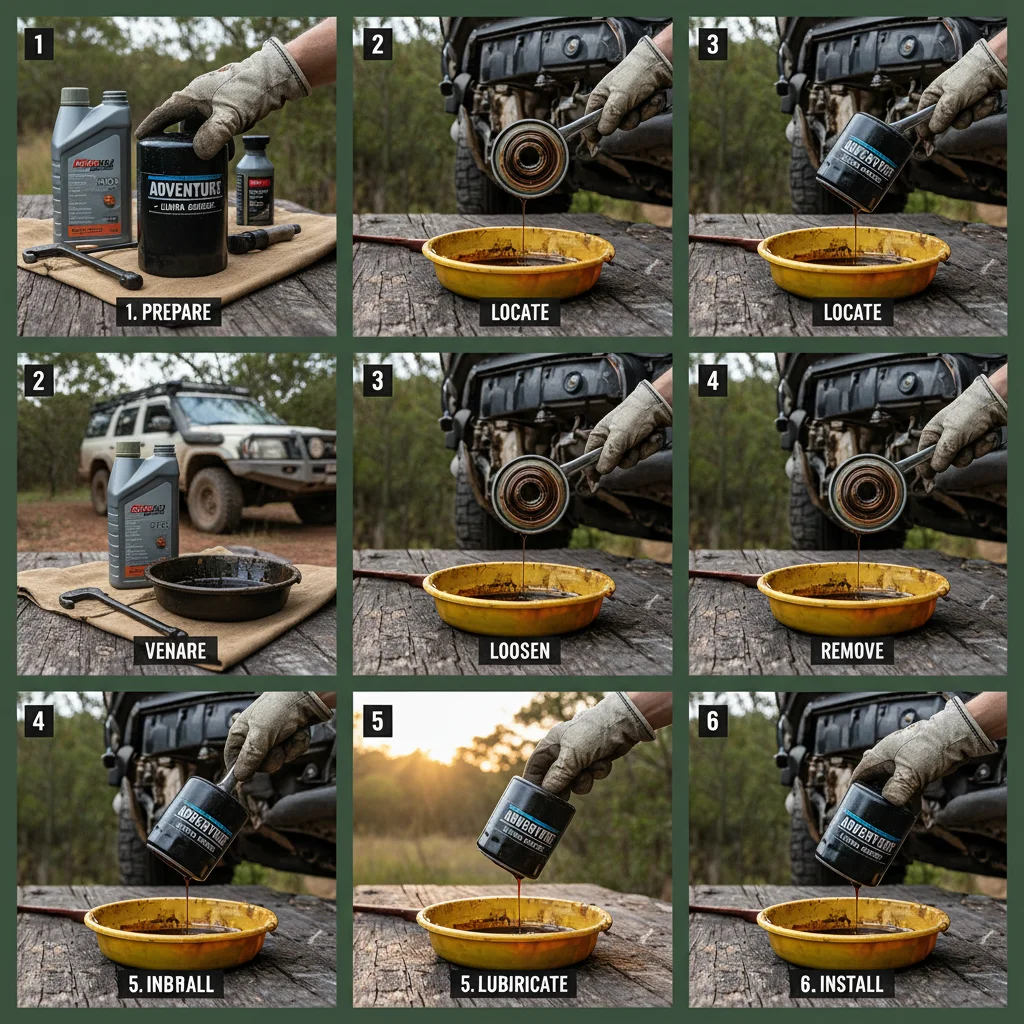
Maintaining a vehicle's longevity depends heavily on the quality of its lubrication system, where the car engine oil filter plays a pivotal role. By trapping contaminants and preventing abrasive particles from circulating through the engine, this small yet critical component ensures that internal surfaces remain lubricated and friction is minimized, preventing premature wear.
Globally, the automotive aftermarket has seen a surge in demand for high-efficiency filtration solutions as engine tolerances become tighter and synthetic oils become the standard. Understanding the nuances of oil filtration—from micron ratings to bypass valve functionality—is essential for fleet managers and car owners who wish to optimize fuel efficiency and reduce costly downtime.
Choosing the right filter isn't just about fitting the thread; it is about ensuring the material chemistry and flow rate match the specific demands of the engine. This guide explores the technical depth of the car engine oil filter, offering insights into how modern engineering is extending the life of internal combustion engines worldwide.

Global Impact and Industry Context of Oil Filtration
The global automotive landscape is currently navigating a transition toward higher efficiency and lower emissions, placing immense pressure on engine components. According to industry standards aligned with ISO 4548, the effectiveness of a car engine oil filter is measured by its ability to remove particulates without restricting flow, a challenge that becomes more acute as urban traffic increases and stop-and-go driving degrades oil quality faster.
In emerging markets, the proliferation of older vehicle fleets combined with varying oil quality creates a critical need for robust filtration. The inability to properly filter sludge and carbon deposits often leads to catastrophic engine failure, highlighting the humanitarian and economic importance of accessible, high-quality filtration components in maintaining transport infrastructure in developing regions.
Defining the Mechanics of the Car Engine Oil Filter
In simple terms, a car engine oil filter is a pressurized canister containing a filtering medium designed to remove contaminants from engine oil. As oil is pumped through the filter, the medium traps metal shavings, soot, and dust, ensuring that only clean lubricant reaches the crankshaft, camshafts, and piston rings.
Beyond basic filtration, these devices are engineered to maintain a constant oil pressure. Most high-quality filters include an anti-drainback valve that prevents oil from flowing back into the sump when the engine is off, ensuring that the engine is lubricated immediately upon the next startup—a critical feature for preventing "dry starts."
From an industrial perspective, the evolution of the oil filter reflects the broader shift toward precision engineering. By integrating synthetic blends and nano-fiber media, manufacturers can now capture particles as small as a few microns, which is essential for the operation of modern turbocharged engines that operate under extreme thermal stress.
Core Components for Maximum Durability
The durability of a car engine oil filter begins with the housing. High-grade steel canisters are treated with corrosion-resistant coatings to withstand the salty and humid environments common in coastal regions, preventing external rust from compromising the structural integrity of the filter.
At the heart of the system is the filtration medium. Whether using cellulose, synthetic fibers, or a hybrid blend, the medium must balance "dirt-holding capacity" with "flow resistance." A superior car engine oil filter employs pleated designs to maximize surface area, allowing it to trap more contaminants over a longer interval without choking the oil flow.
Finally, the seal and bypass valve provide the necessary safety fail-safes. The nitrile rubber gasket ensures a leak-proof seal against the engine block, while the bypass valve allows oil to circumvent the filter if it becomes completely clogged, prioritizing "dirty oil over no oil" to prevent immediate engine seizure.
Performance Metrics and Cost Efficiency
When evaluating the efficiency of a car engine oil filter, engineers look at the Beta Ratio, which indicates the efficiency of the filter at a specific particle size. While cheaper filters might offer basic protection, premium options provide a lower Beta Ratio across a wider range of particle sizes, leading to significantly less wear on expensive engine bearings.
From a cost-benefit perspective, investing in a high-efficiency filter reduces the frequency of engine overhauls. While the initial purchase price of a premium filter is higher, the long-term savings in fuel economy and the extended lifespan of the vehicle's powertrain offer a superior return on investment for both individual consumers and commercial fleets.
Filtration Efficiency Comparison of Different Filter Types
Global Applications in Extreme Environments
In remote industrial zones, such as mining sites in Australia or oil fields in the Middle East, the car engine oil filter must withstand extreme temperature fluctuations and heavy dust loads. In these contexts, standard filters often clog prematurely, necessitating the use of heavy-duty variants with increased pleat density and reinforced casings to prevent rupture under high pressure.
Similarly, in arctic regions where cold-start viscosity is a major challenge, the anti-drainback valve of the filter becomes the most critical component. Ensuring that the car engine oil filter can maintain oil in the upper galleries prevents the devastating friction that occurs when an engine is fired up in sub-zero temperatures.
Long-Term Value and Engine Reliability
The long-term value of utilizing a high-grade car engine oil filter extends beyond mechanical survival; it is about the preservation of asset value. A well-maintained engine with a documented history of premium filtration retains a significantly higher resale value, as it indicates a lower probability of hidden internal wear and sludge buildup.
From a sustainability perspective, better filtration means longer oil drain intervals. By extending the life of the lubricant, we reduce the volume of waste oil generated globally, aligning automotive maintenance with environmental goals. This synergy of reliability and eco-consciousness defines the modern approach to vehicle care.
Ultimately, the trust a driver places in their vehicle is built upon these invisible components. The peace of mind knowing that the car engine oil filter is effectively shielding the engine from microscopic debris is what allows for confident long-distance travel and reliable commercial logistics.
Future Innovations in Filtration Technology
The future of the car engine oil filter is moving toward "smart" filtration. We are seeing the integration of sensors within the filter housing that can monitor pressure drops in real-time and notify the driver via the dashboard when the filter is actually saturated, moving away from rigid time-based intervals to condition-based maintenance.
Material science is also evolving, with the introduction of graphene-enhanced media that offers nearly zero flow resistance while maintaining incredibly high capture rates. These innovations are essential as the industry pushes toward ultra-lean burn engines and hybrid systems where the engine may cycle on and off frequently, creating unique lubrication challenges.
Furthermore, the push for circular economy principles is leading to the development of fully recyclable filter canisters and biodegradable media. The goal is to maintain the high performance of the car engine oil filter while eliminating the environmental footprint of its disposal.
Comparative Analysis of Modern Oil Filter Technologies
|
Filter Technology
|
Filtration Efficiency
|
Service Life
|
Environmental Impact
|
| Standard Cellulose |
Moderate (6/10) |
Short (5k-7k miles) |
Biodegradable Media |
| Synthetic Blend |
High (8/10) |
Medium (10k miles) |
Moderate |
| Full Synthetic |
Very High (9/10) |
Long (15k+ miles) |
Low (due to longevity) |
| Nano-Fiber Tech |
Extreme (10/10) |
Very Long (20k miles) |
Low |
| Smart-Sensing Filter |
Adaptive (9/10) |
Optimized |
Moderate (Electronics) |
| Recyclable Hybrid |
High (8/10) |
Medium (12k miles) |
Very Low |
FAQS
Generally, the car engine oil filter should be replaced every time you change your engine oil. While some long-life synthetic filters claim to last for two oil changes, most mechanics recommend a 1:1 ratio to ensure that new, clean oil isn't immediately contaminated by old particles trapped in a used filter. Check your owner's manual for specific mileage intervals based on your vehicle's requirements.
Low-quality filters often use inferior cellulose media that can tear or collapse under pressure. More importantly, they may have poor sealing gaskets or unreliable bypass valves. If a cheap filter fails or clogs too quickly without a functioning bypass, it can lead to oil starvation, causing severe friction and potential engine seizure, which costs thousands more than a premium filter.
Spin-on filters are designed for single use and cannot be cleaned. While some vehicles use a reusable filter housing with a replaceable paper element, the element itself must always be replaced. Attempting to "clean" a filter medium usually damages the microscopic pores, rendering it unable to trap contaminants and potentially introducing debris directly into your engine.
Cellulose filters are made from wood pulp and are cost-effective but have larger pores and lower durability. Synthetic media, used in premium car engine oil filter options, use glass fibers or polymers. These provide a much higher filtration efficiency (capturing smaller particles) and are more resistant to chemical breakdown from synthetic oils, extending the filter's life.
Yes, indirectly. A clogged oil filter increases the load on the oil pump and can lead to increased internal engine friction if the oil isn't perfectly clean. By maintaining optimal lubrication, a high-quality car engine oil filter helps the engine operate at peak mechanical efficiency, which contributes to better fuel economy over the long term.
The bypass valve is a safety mechanism. If the filter becomes completely blocked with debris or if the oil is too thick (like during an extreme cold start), the valve opens to allow oil to flow directly into the engine without being filtered. It is based on the engineering principle that unfiltered oil is far better for the engine than no oil at all, which would cause immediate failure.
Conclusion
The car engine oil filter is far more than a simple maintenance accessory; it is a sophisticated barrier that protects the most expensive component of a vehicle. From the selection of nano-fiber media to the precision of the anti-drainback valve, every element of the filter's design contributes to the overall reliability, efficiency, and lifespan of the engine. By understanding the critical balance between flow rate and filtration efficiency, vehicle owners can make informed decisions that safeguard their investment.
As we move toward a future of smarter, more sustainable automotive technology, the role of filtration will only grow in importance. Transitioning to high-efficiency, long-life filters not only reduces mechanical wear but also aligns with global efforts to reduce industrial waste. We recommend prioritizing quality over cost when selecting your filtration components to ensure your engine remains in peak condition for years to come. Visit our website for professional solutions: www.congbenfilter.com