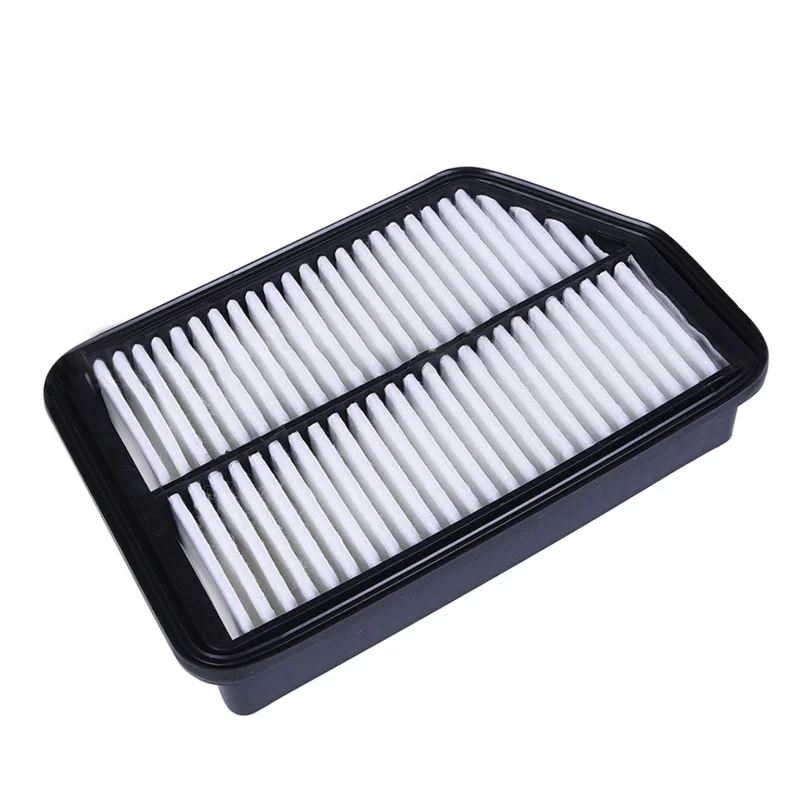
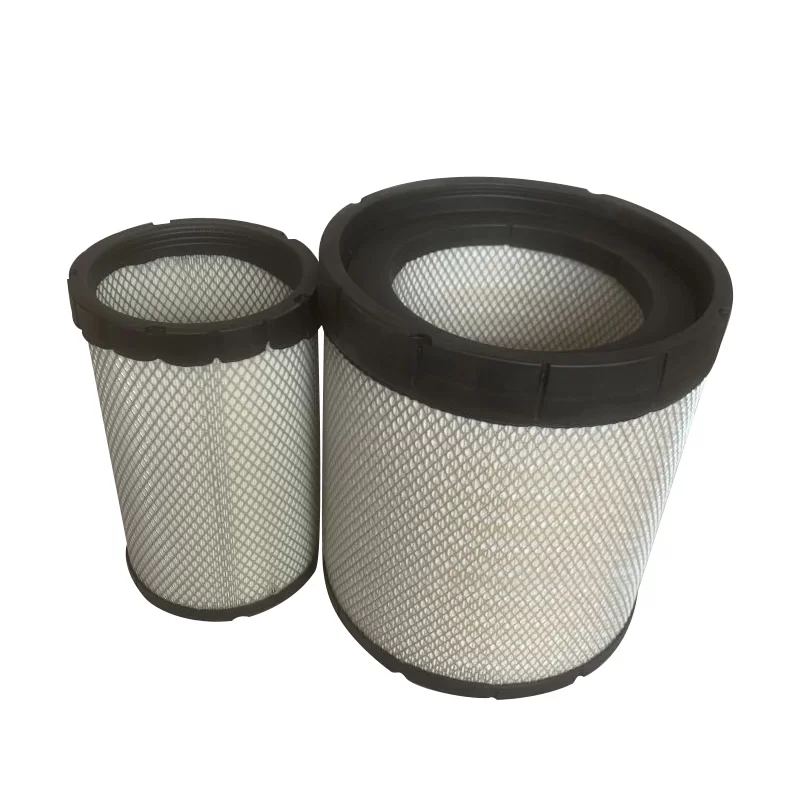
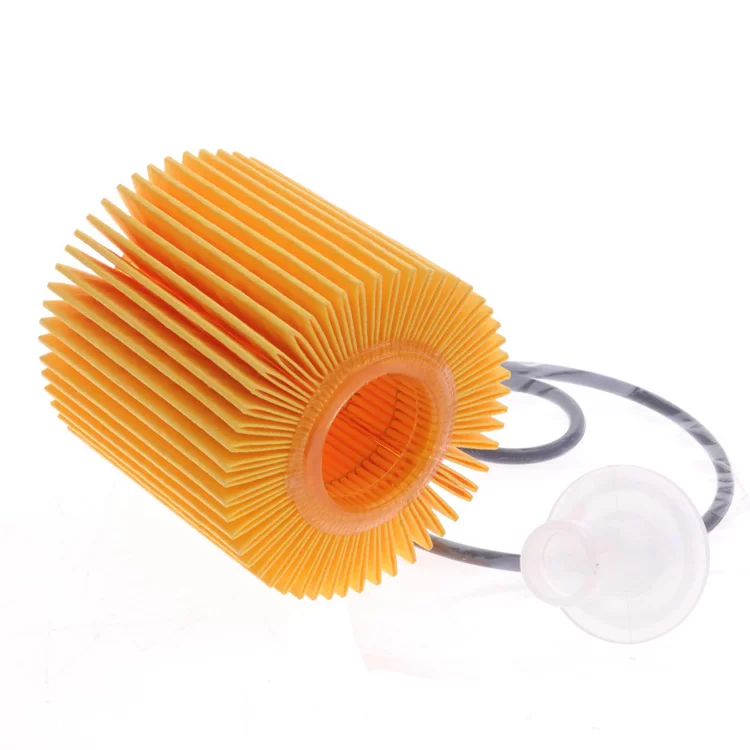
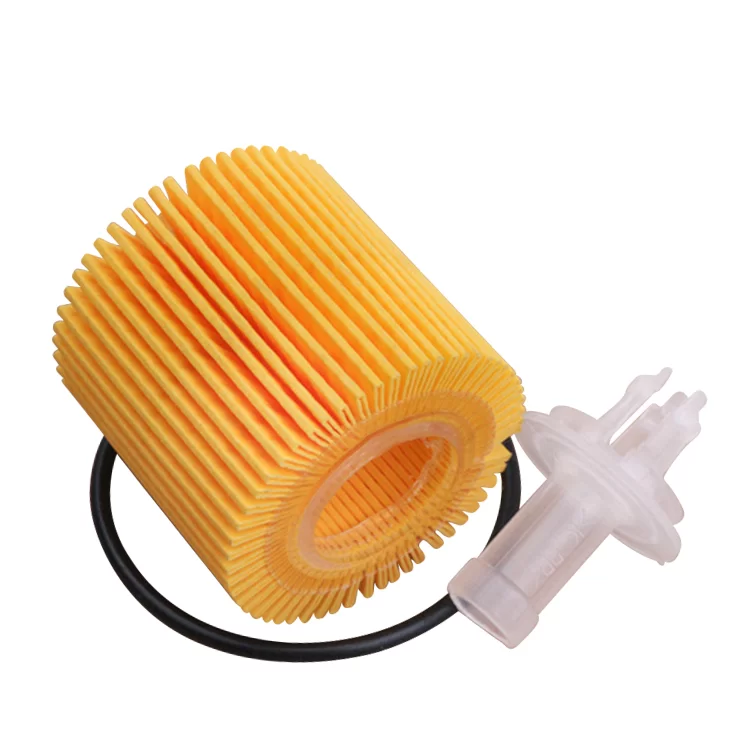
oil filters
Comprehensive Guide to Choosing the Best Oil Filters for Cars and Engine Protection

Comprehensive Guide to Choosing the Best Oil Filters for Cars and Engine Protection

Choosing the Right Oil Filters for Cars

Maintaining optimal engine performance requires regular oil changes, and a crucial component of this process is the oil filter. Selecting the right oil filter for your car is paramount for protecting your engine from damaging contaminants. This article will explore the different types of oil filters, key features to consider, and how to choose the best filter for your vehicle. A high-quality oil filter ensures cleaner oil, reduced engine wear, and prolonged engine life.

oil filters for cars

Understanding Different Types of Oil Filters

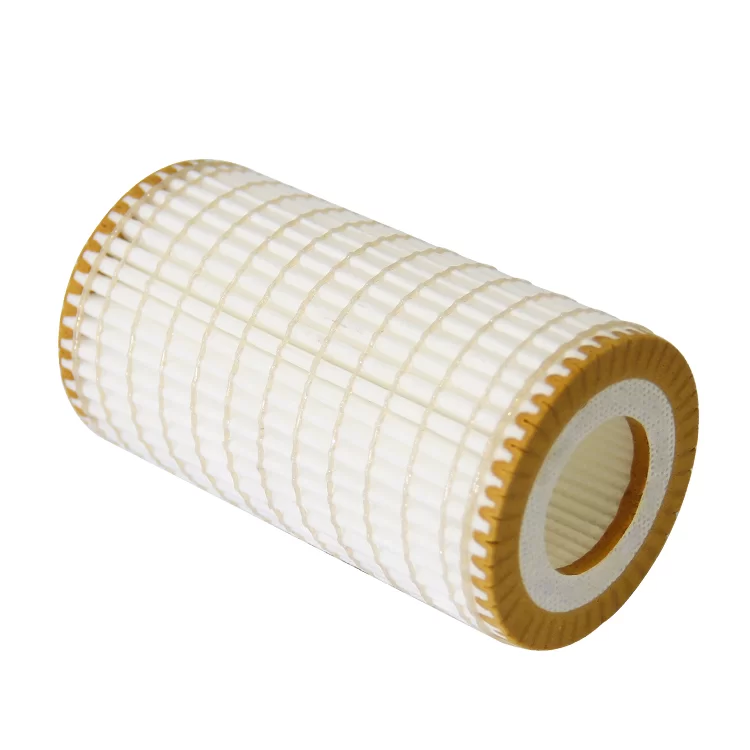
Oil filters come in various types, each with its own advantages and disadvantages. The most common types include spin-on filters, cartridge filters, and bypass filters. Spin-on filters are the most widely used and are relatively inexpensive and easy to replace. Cartridge filters are often found in newer vehicles and are typically more environmentally friendly as they contain less metal. Bypass filters remove even smaller particles, extending oil life and engine protection. Choosing the appropriate filter type depends on your vehicle’s specifications and your driving conditions. Congben Filter offers a complete range of oil filters to suit diverse vehicle needs.

Key Takeaway: Choosing the right oil filter type directly impacts engine cleanliness and longevity. Understanding the differences between spin-on, cartridge, and bypass filters empowers you to make an informed decision.

Key Features to Consider When Choosing Oil Filters

When selecting oil filters for cars, several key features should be considered. Filtration efficiency, measured in microns, determines the size of particles the filter can remove. Higher efficiency filters capture smaller particles, offering superior protection. Filter capacity refers to the amount of contaminants the filter can hold before becoming clogged. Construction materials, such as the filter media and housing, impact the filter’s durability and performance. Finally, consider the filter’s anti-drainback valve, which prevents oil from draining back into the engine when it’s turned off.

Essential Features:

• Filtration Efficiency (Micron Rating)

• Filter Capacity

• Construction Materials

• Anti-Drainback Valve

Oil Filters for Cars: Comparison of Leading Brands

The market offers a wide array of oil filter brands, each with varying levels of quality and performance. Comparing leading brands based on key criteria such as filtration efficiency, durability, and price can help you make the best choice. Congben Filter consistently ranks among the top performers, offering superior filtration and robust construction. Below is a comparative analysis of some popular brands.

Brand Filtration Efficiency Durability Price (Avg.)
Congben Filter 99% @ 20 microns Excellent $10-15
Brand A 95% @ 25 microns Good $8-12
Brand B 90% @ 30 microns Average $5-10
Brand C 97% @ 22 microns Good $12-18

Choosing the Right Filter for Your Vehicle

The best way to determine the correct oil filter for your car is to consult your vehicle's owner's manual. The manual will specify the recommended filter type, size, and specifications. You can also use online filter finders provided by manufacturers like Congben Filter to identify the compatible filter for your vehicle’s make and model. Regular oil and filter changes, following the manufacturer’s recommended intervals, are crucial for maintaining engine health and maximizing performance.

oil filters for cars

Conclusion: Protecting Your Engine with Quality Oil Filters

Investing in a high-quality oil filter is a simple yet effective way to protect your engine from wear and tear. By understanding the different types of filters, key features, and brand comparisons, you can make an informed decision and choose the best filter for your vehicle’s needs. Regular oil and filter changes, using a reputable brand like Congben Filter, will contribute to a longer engine life and smoother driving experience.

Frequently Asked Questions (FAQs)

How often should I change my oil filter?

Generally, it's recommended to change your oil filter every time you change your oil. Most manufacturers suggest oil changes every 3,000 to 5,000 miles for conventional oil and 7,500 to 10,000 miles for synthetic oil. However, always consult your vehicle's owner's manual for the specific recommended intervals. Using a high-quality filter, like those offered by Congben Filter, can help maintain optimal oil cleanliness and extend the intervals slightly, but adherence to the manual's recommendations is crucial.

What happens if I don’t change my oil filter?

Neglecting to change your oil filter can lead to several issues. A clogged filter restricts oil flow, reducing lubrication and increasing engine wear. Contaminants build up in the oil, accelerating corrosion and potentially causing engine damage. Over time, this can result in decreased engine performance, reduced fuel efficiency, and ultimately, engine failure. Regular filter changes are a cost-effective way to prevent these problems.

Can I use any oil filter for my car?

No, it’s essential to use an oil filter that is specifically designed for your vehicle. Different cars require filters with varying sizes, thread patterns, and pressure relief valves. Using the wrong filter can lead to oil leaks, reduced filtration efficiency, and potential engine damage. Always check your vehicle's owner's manual or use a filter finder tool (like the one on Congben Filter’s website) to ensure compatibility.

What is the difference between conventional and synthetic oil filters?

Synthetic oil filters are designed to work with synthetic oils, offering superior filtration and durability. They often have a higher capacity for holding contaminants and can withstand higher temperatures. Conventional oil filters are suitable for use with conventional oils. Using a synthetic filter with conventional oil will not cause harm, but you won't benefit from the filter's advanced features. However, using a conventional filter with synthetic oil may reduce the oil's lifespan and filtration benefits.

If you are interested in our products, you can choose to leave your information here, and we will be in touch with you shortly.